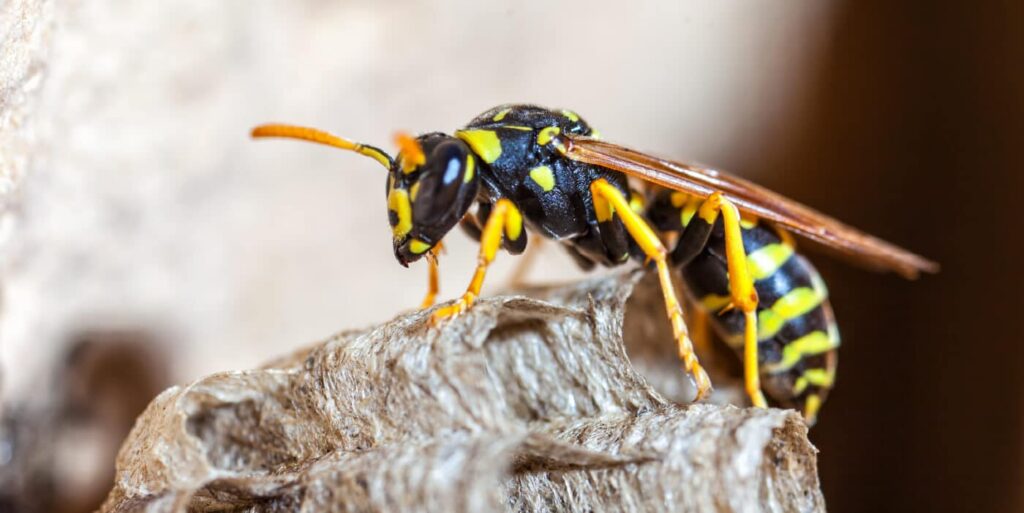
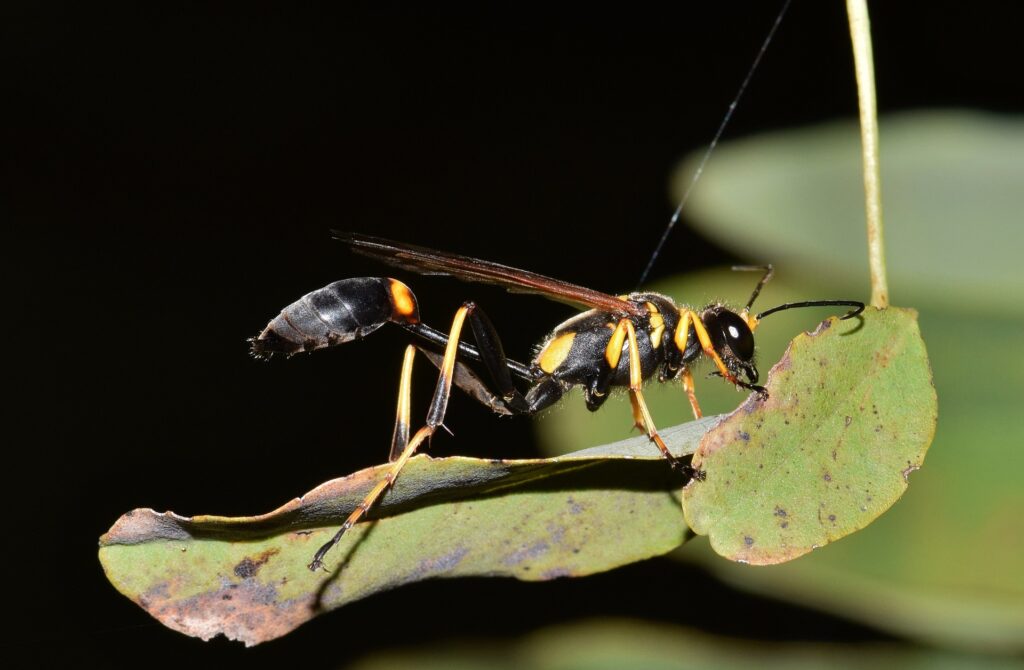
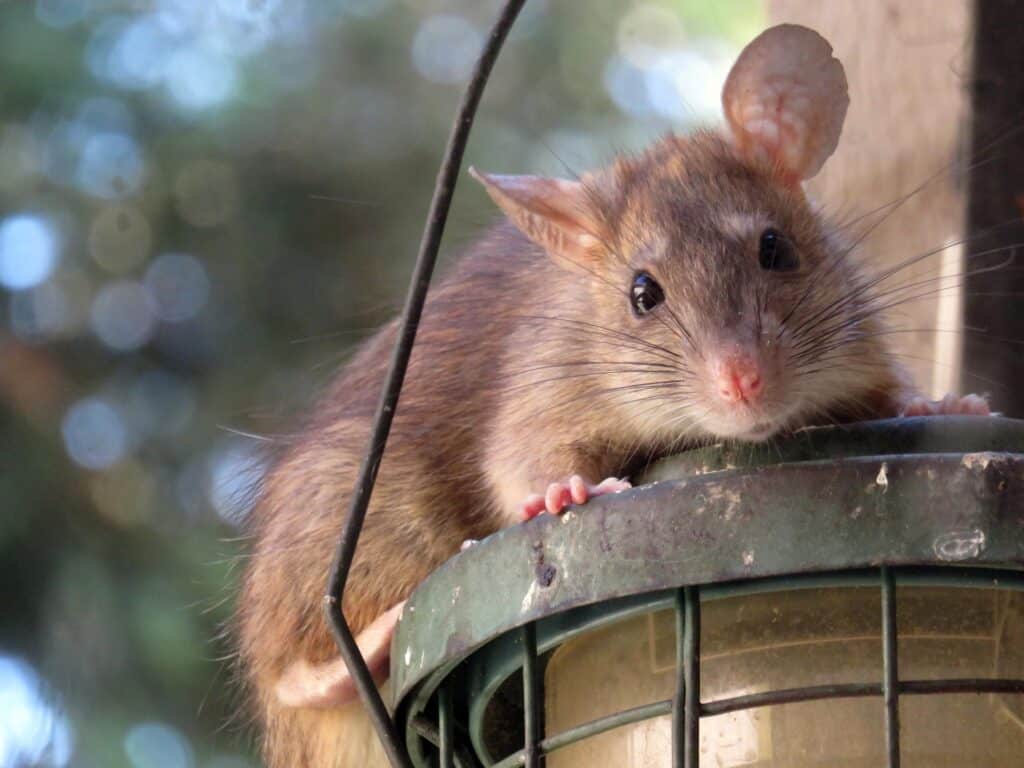
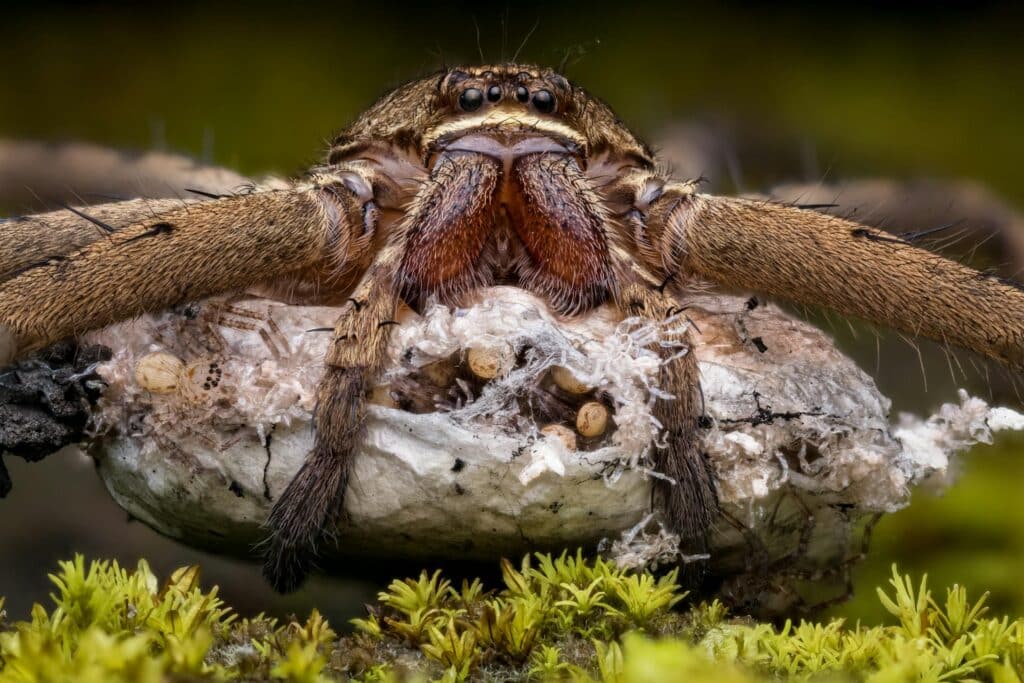
You observe pest activity in multiple rooms simultaneously—ants in the bathroom and kitchen, cockroaches near sinks, or rodents behind appliances—suggesting these pests possess interconnected travel routes rather than entering each room independently.
Plumbing penetrations through floors, walls, and ceilings create continuous pathways connecting every water-using room in structures, with gaps of 5-25mm around pipes providing sufficient space for cockroach, ant, mouse, and various arthropod passage between spaces while offering access to wall voids, ceiling plenums, and inter-floor cavities serving as protected highways throughout buildings.
Understanding how plumbing infrastructure creates pest networks explains simultaneous multi-room infestations, reveals why treatments in single rooms prove ineffective, and informs comprehensive pest control strategies addressing the interconnected pathways enabling pest dispersal. The hidden nature of these routes makes them among the most commonly overlooked entry points in residential home pest prevention programs.
Why Crawling Pests Love Plumbing Gaps
Building construction requirements for water supply lines, drain pipes, and vent stacks necessitate penetrations through structural elements, with installation practices typically leaving gaps exceeding pest size requirements.
Every water-using fixture—sinks, toilets, showers, washing machines, dishwashers—requires supply pipes and drain connections passing through floors, walls, or both. These penetrations typically measure 25-100mm (1-4 inches) diameter to accommodate pipes ranging from 12mm (1/2 inch) supply lines to 75mm (3 inch) drains, but actual pipe diameters occupy just 30-70% of hole sizes, leaving substantial gaps.
Plumbers drill oversized holes enabling easier pipe installation and allowing adjustment during fitting, with excess space typically receiving minimal attention once pipes position correctly. While building codes may specify fire-stopping requirements for large penetrations, pest-proofing rarely receives comparable attention, leaving gaps of 3-25mm around most residential plumbing.
Typical homes contain 20-50+ plumbing penetrations through floors and walls at locations including: under every sink (kitchen, bathroom, laundry), behind toilets, near washing machines and dishwashers, around water heater connections, and wherever pipes rise between floors or enter from crawl spaces and basements.
Types of Pests You’ll Find in Plumbing
Diverse pest species utilize plumbing gaps for structural access and inter-room travel, with different organisms showing preferences for specific pathway characteristics.
- Cockroaches: German cockroaches (Blattella germanica) measuring 12-15mm length compress dorsoventrally squeezing through 3-5mm gaps, readily accessing spaces around sink supply lines, toilet flanges, and dishwasher connections. American cockroaches (Periplaneta americana) at 35-40mm length require larger openings of 6-12mm but utilize identical pathways traveling between units in multi-family buildings through shared plumbing chases.
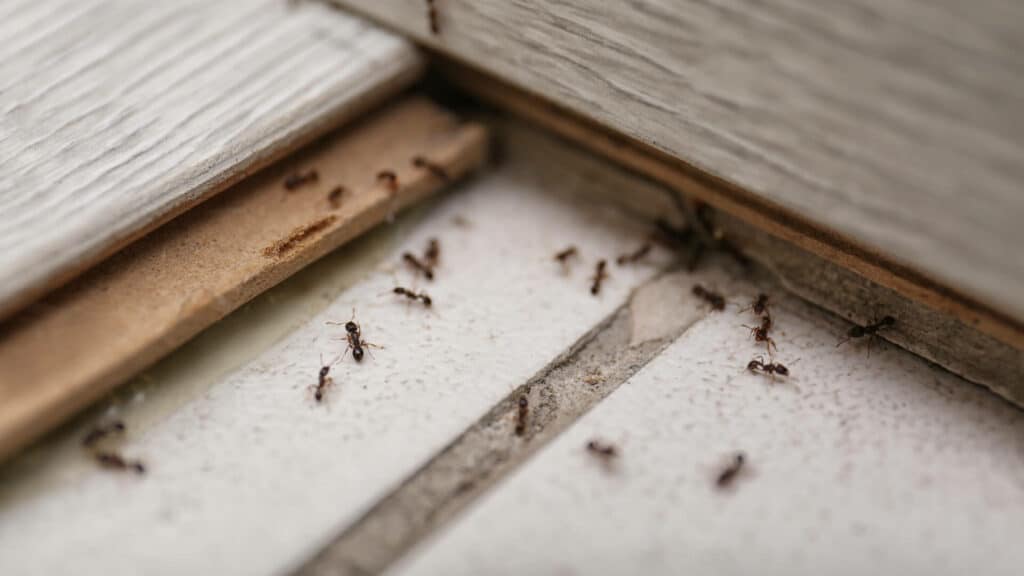
- Ants: Multiple ant species including carpenter ants, odorous ants, and pharaoh ants utilize plumbing gaps accessing water sources while establishing satellite nests in wall voids. Their small size (2-13mm depending on species) enables passage through even well-sealed gaps where caulk has cracked or deteriorated over time.
- Rodents: House mice (Mus musculus) squeeze through 6-12mm openings, readily accessing typical plumbing gaps especially around larger drain pipes. Norway rats (Rattus norvegicus) require 12-25mm openings but exploit inadequately sealed floor penetrations and wall-mounted pipe entries. Both species use plumbing chases as protected travel corridors avoiding human-occupied spaces.
- Silverfish and firebrats: These moisture-seeking insects (silverfish measuring 12-19mm) prefer humid environments near plumbing where condensation and minor leaks maintain elevated moisture. They readily travel through wall voids accessing multiple bathrooms and kitchens through interconnected plumbing pathways.
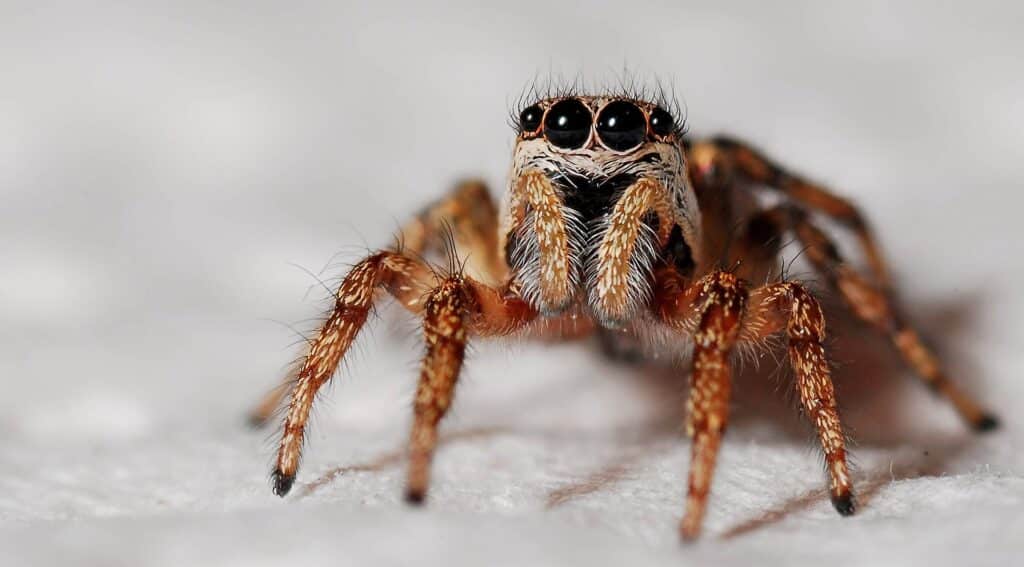
- Spiders and centipedes: Predatory arthropods including house spiders and centipedes follow prey populations through plumbing gaps, establishing territories in multiple rooms connected through void spaces where they hunt cockroaches, silverfish, and other prey utilizing the same pathways.
Problems with Multi-Unit Buildings
Apartment buildings and condominiums demonstrate amplified plumbing-related pest problems through shared plumbing chases creating super-highways enabling inter-unit pest movement.
Vertical plumbing stacks: Multi-story buildings contain vertical pipe stacks serving multiple floors, typically enclosed in dedicated chase spaces running from basement to roof. These chases—often 600mm x 900mm (2′ x 3′) or larger—provide open pathways enabling cockroach and mouse movement between floors within minutes.
Horizontal distribution: Each floor’s horizontal plumbing connecting fixtures to vertical stacks creates additional pest pathways, with gaps around pipe penetrations through unit separation walls enabling direct inter-unit travel. German cockroach infestations readily spread between adjacent units through these connections.
Shared responsibility challenges: Individual unit treatments prove ineffective when neighboring units harbor untreated populations continuously reinfesting through shared plumbing infrastructure. Effective control requires coordinated building-wide approaches addressing entire plumbing networks.
Renovation complications: During plumbing updates or unit renovations, disturbed pest populations rapidly relocate through plumbing chases into undisturbed units, creating apparent new infestations actually representing displaced existing populations.
Home Pest Prevention
Comprehensive plumbing pest-proofing requires appropriate materials and techniques addressing both visible access points and concealed inter-floor penetrations.
Material selection: Different gap types require specific sealing materials: expanding polyurethane foam for large irregular gaps (15-50mm), silicone or acrylic latex caulk for smaller gaps (3-15mm), copper or stainless steel wool for rodent-vulnerable locations, and escutcheon plates or pipe collars providing finished appearances around visible fixtures.
Accessible locations: Under-sink cabinets, behind toilets, and around washing machine connections provide easiest access for homeowner sealing efforts. Remove cabinet contents, clean surfaces, fill gaps with appropriate materials, and allow proper curing time before replacing items.
Hidden penetrations: Inter-floor penetrations beneath bathtubs, shower stalls, and within walls require professional access during renovations or through access panels. These sealed penetrations prove particularly important in multi-story homes and multi-unit buildings.
Inspection priorities: Focus sealing efforts on kitchens and bathrooms where moisture and food availability create high pest pressure. Secondary priorities include laundry rooms, utility areas, and basement penetrations serving as outdoor pest entry points.
Maintenance requirements: Caulk and foam deteriorate over 3-7 years requiring periodic inspection and resealing. Check sealed areas annually, particularly if pest activity resumes after previous sealing efforts proved initially successful.
When to Seek Out a Professional
Professional pest control service providers identify specific plumbing-related vulnerabilities through systematic inspection of water-using areas, assess whether current pest activity represents new invasion versus established populations, and implement treatment strategies addressing both immediate infestations and long-term prevention.
For homes experiencing pest problems in multiple rooms simultaneously, observing pests near plumbing fixtures in various areas, dealing with recurring infestations despite surface treatments, or living in multi-unit buildings with shared plumbing infrastructure, contact Aptive today for a free quote.