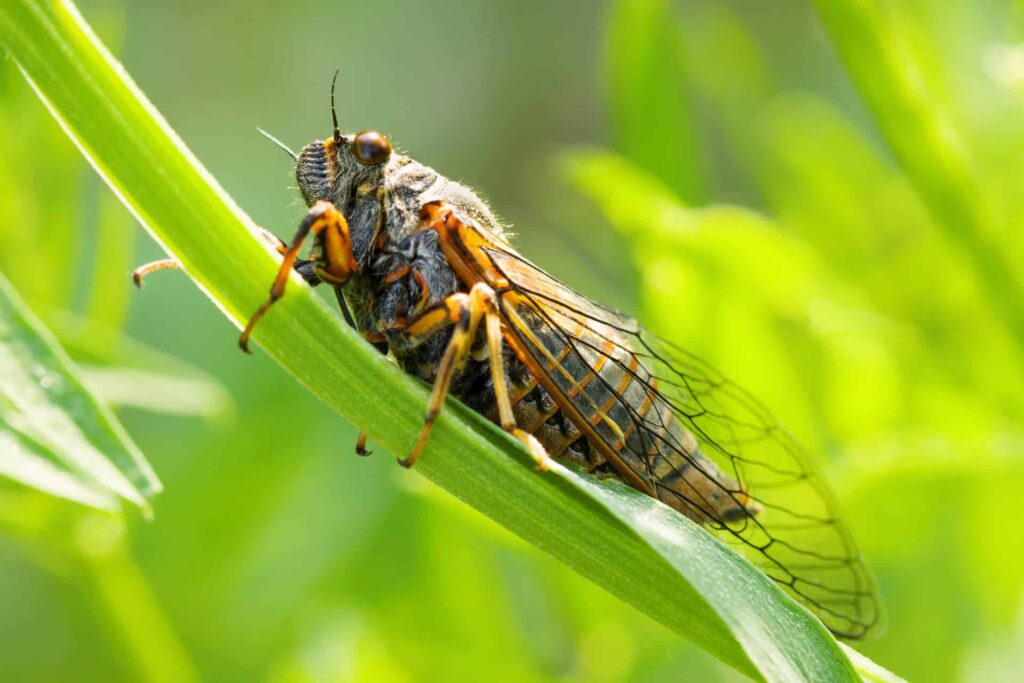
You observe dramatic increases in pest activity following rainfall events, with insects and other pests appearing indoors in greater numbers during wet periods compared to dry conditions, raising questions about the connection between precipitation patterns and pest behavior.
Rainfall creates multiple effects including soil saturation displacing ground-dwelling organisms, standing water providing breeding sites for aquatic-stage insects, elevated humidity supporting moisture-dependent species, and vegetation growth increasing food resources, collectively driving seasonal pest population surges and structural invasion events requiring adaptive management responses.
Understanding how precipitation influences pest ecology explains why infestations often follow weather patterns, enables prediction of seasonal activity peaks, and informs timing of preventive measures maximizing effectiveness while minimizing unnecessary interventions. The relationship between rainfall and pest activity creates predictable patterns that professional pest control services leverage for strategic management planning.
How Rain Changes Insect Behavior
Rainfall triggers acute displacement behaviors as ground-dwelling arthropods and other pests abandon saturated habitats seeking elevated, dry refugia often located within or near structures.
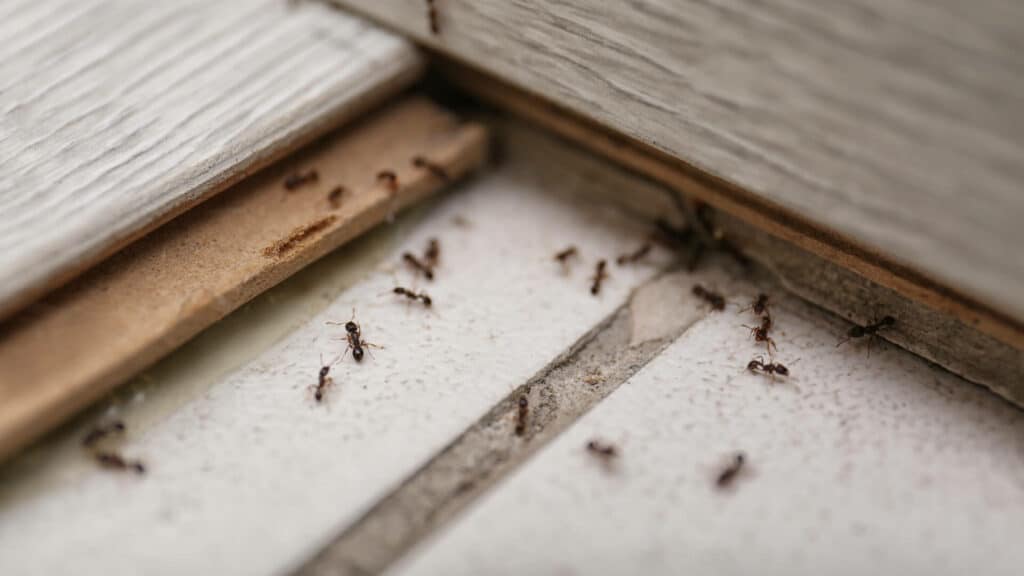
- Ants: Ground-nesting ants including pavement ants (Tetramorium caespitum) and odorous house ants (Tapinoma sessile) experience nest flooding during moderate to heavy rainfall exceeding 15-25mm precipitation within 24-hour periods. Worker ants respond by relocating brood and queens to higher ground, with structural foundations, wall voids, and subfloor spaces providing convenient dry alternatives located within 5-15 meters of original nest sites.
- Arthropods: Earwigs (Dermaptera), centipedes (Chilopoda), millipedes (Diplopoda), and cockroaches including American cockroaches (Periplaneta americana) abandon waterlogged soil burrows and leaf litter habitats, with mass migrations of 50-500 individuals per structure occurring within 6-24 hours following heavy rainfall events.
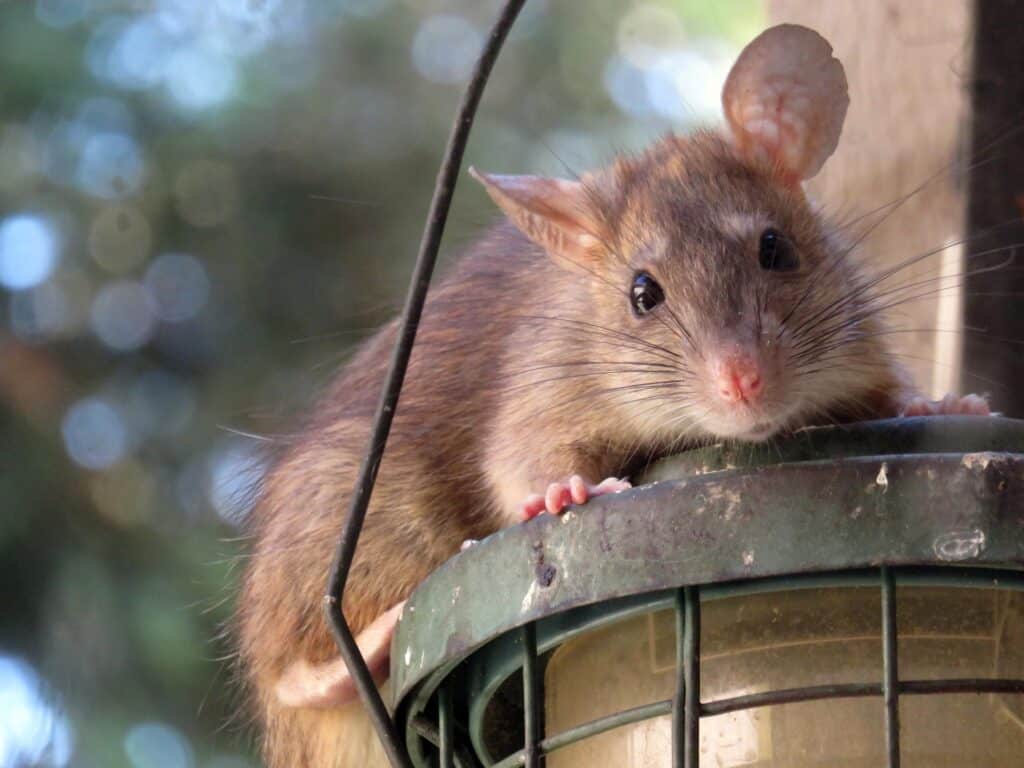
- Rodents: Rodents including Norway rats (Rattus norvegicus) and house mice (Mus musculus) evacuate flooded burrow systems during sustained rainfall, seeking structural entry through gaps as small as 6-12mm in foundations, utility penetrations, and damaged vents, with invasion incidents increasing 200-400% during extended wet periods compared to dry conditions.
Breeding and Nesting After Rain
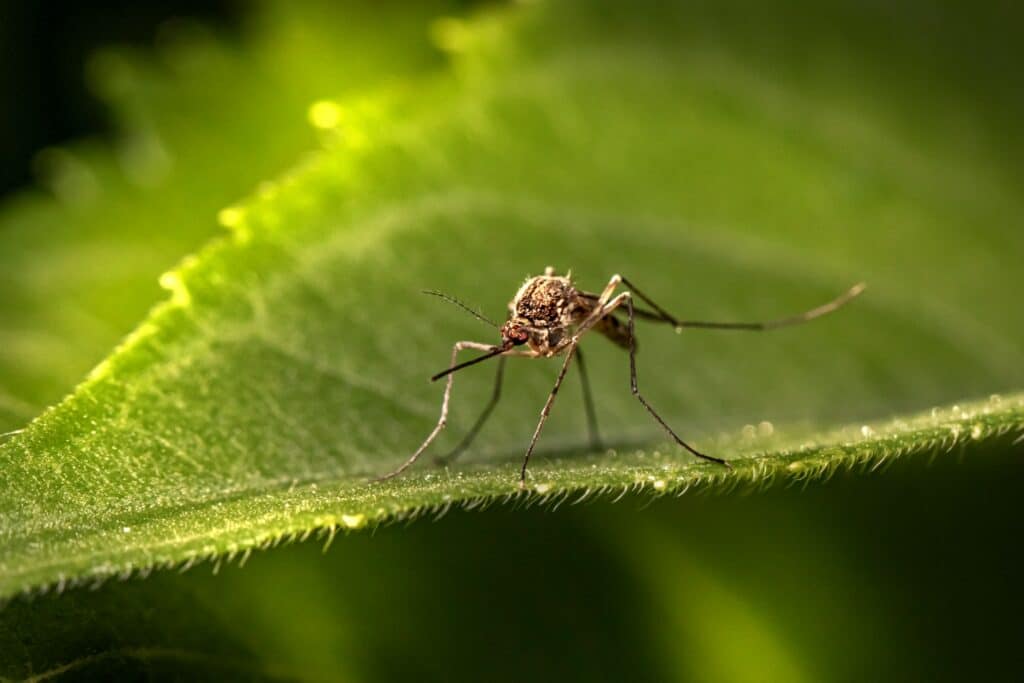
Standing water created by rainfall provides essential breeding habitat for mosquitoes and other aquatic-stage insects, enabling rapid population expansion following precipitation events.
Mosquitoes (Culicidae) deposit eggs in temporary water bodies including puddles, clogged gutters, tire depressions, and container habitats, with females producing 50-300 eggs per batch within 24-72 hours of blood feeding. Eggs hatch within 24-48 hours at temperatures above 20°C (68°F), with larvae completing development in 7-14 days depending on temperature and food availability, creating new adult populations 10-16 days post-rainfall.
Urban and suburban environments contain thousands of artificial containers—buckets, plant saucers, toys, tarps—collecting rainwater and supporting mosquito development, with single properties potentially producing 500-2,000 adult mosquitoes from accumulated containers following significant rainfall events.
House flies (Musca domestica) and related species exploit rainfall-moistened organic waste including compost, animal waste, and decomposing vegetation, with development rates accelerating 30-50% in moist versus dry substrates producing larger populations during wet periods.
How Humidity Affects Pests
Elevated atmospheric and indoor humidity following rainfall creates favorable conditions for species requiring high moisture levels for survival and reproduction.
- Some pests need humidity: Silverfish (Lepisma saccharina) require relative humidity above 75-80% for optimal survival and reproduction, with indoor humidity increases during rainy periods—particularly in basements, crawl spaces, and bathrooms with inadequate ventilation—enabling population establishment and growth. Females deposit 1-3 eggs daily in humid locations, with nymphs requiring 12-24 months reaching maturity depending on temperature and humidity conditions.
- Mold and secondary pest development: Sustained humidity above 60% relative humidity promotes mold growth on organic materials, with mold-feeding insects including booklice (Psocoptera) and some beetle species colonizing affected areas, creating secondary pest problems requiring moisture source elimination alongside pest management.
- Cockroach activity enhancement: German cockroaches (Blattella germanica) and other moisture-seeking species demonstrate 40-70% increased activity levels during humid conditions, with females producing oothecae (egg cases) containing 30-40 eggs more frequently under optimal humidity of 70-80% relative humidity compared to drier conditions.
- Stored product pest impacts: While many stored product beetles prefer dry conditions, certain species including cigarette beetles (Lasioderma serricorne) demonstrate enhanced activity at 70-80% relative humidity, with infestations establishing more readily during sustained humid periods following rainfall events.
Increased Vegetation and Food Sources
Rainfall-stimulated plant growth increases food availability for herbivorous pests while providing enhanced shelter supporting larger pest populations near structures.
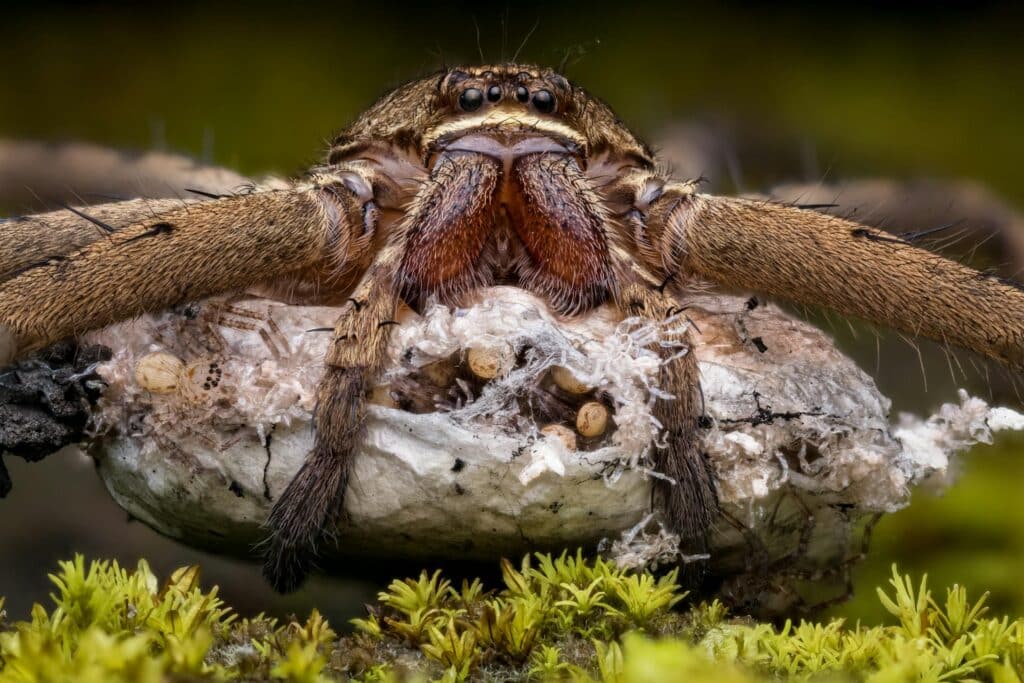
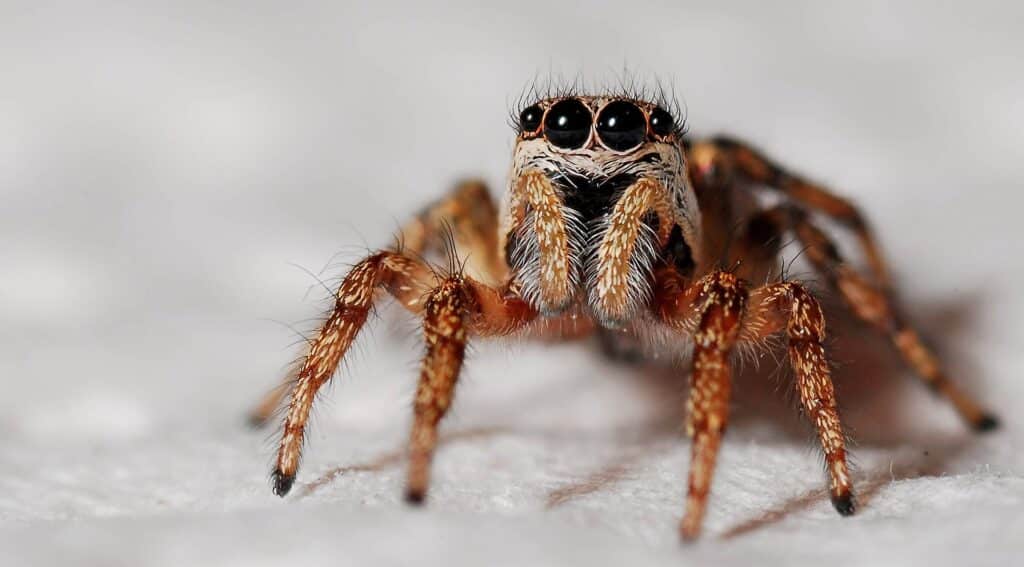
Spider population increases: Increased prey insect populations following rainfall support larger spider populations, with web-building species constructing webs near vegetation and structures intercepting abundant flying insects, creating aesthetic concerns and potential indoor invasion as spider populations expand.
Landscape pest pressure: Lawn and garden pests including slugs and snails demonstrate increased activity and feeding damage during wet periods, with some species migrating toward structures when outdoor populations exceed carrying capacity or vegetation becomes waterlogged.
Seed and fruit abundance: Rainfall-enhanced plant reproduction produces seeds and fruits attracting rodents, ants, and various insects, with food resource concentration near structures increasing pest pressure on building perimeters and creating invasion pathways during foraging activities.
Rainfall-Related Pest Management
Effective rainfall-related pest management requires addressing both immediate displacement responses and underlying moisture conditions supporting pest establishment.
- Drainage optimization: Proper grading directing water away from foundations, functional gutters and downspouts extending 1-2 meters from structures, and French drains or swales managing surface water prevent soil saturation and standing water accumulation reducing pest breeding sites and displacement pressure.
- Exclusion maintenance: Regular inspection and sealing of structural penetrations, foundation cracks, damaged weatherstripping, and utility entry points prevents displaced pest access during rainfall events, with particular attention to areas below grade where water accumulation creates concentrated invasion pressure.
- Vegetation management: Maintaining 0.5-1 meter vegetation-free zones around foundations, pruning branches contacting structures, and managing mulch depth below 50-75mm reduces pest harborage adjacent to buildings while improving air circulation and reducing moisture accumulation.
- Container elimination: Removing artificial water-holding containers including unused flowerpots, tires, toys, and tarps eliminates mosquito breeding sites, with weekly emptying or treatment of ornamental water features preventing larval development.
- Humidity control: Operating dehumidifiers maintaining indoor relative humidity below 50-60%, ensuring adequate ventilation in bathrooms and crawl spaces, and repairing plumbing leaks eliminates conditions supporting moisture-dependent pest species.
When to Contact the Professionals
Professional pest control experts recognize rainfall-driven pest activity patterns, implementing preventive treatments before predicted wet periods and responsive interventions following major precipitation events. Expert assessment identifies moisture sources, drainage deficiencies, and structural vulnerabilities enabling pest establishment during wet conditions.
If you’re experiencing increased pest activity following rainfall events, observing moisture damage creating pest-attractive conditions, or dealing with recurring seasonal invasions coinciding with wet weather patterns, contact Aptive today for a Free Quote and comprehensive evaluation with customized solutions addressing both immediate pest pressures and underlying moisture conditions driving rainfall-related infestations.