Some pests, especially those who build underground nests, run for cover when heavy rain floods their habitats. Ants, roaches, yellow jackets and other bugs sometimes enter houses looking for dry shelter. If they find food and a place to nest in your home, they’ll probably stay and could spread quickly. Learn about how to prevent an infestation.
Rainy Weather Bugs in the House
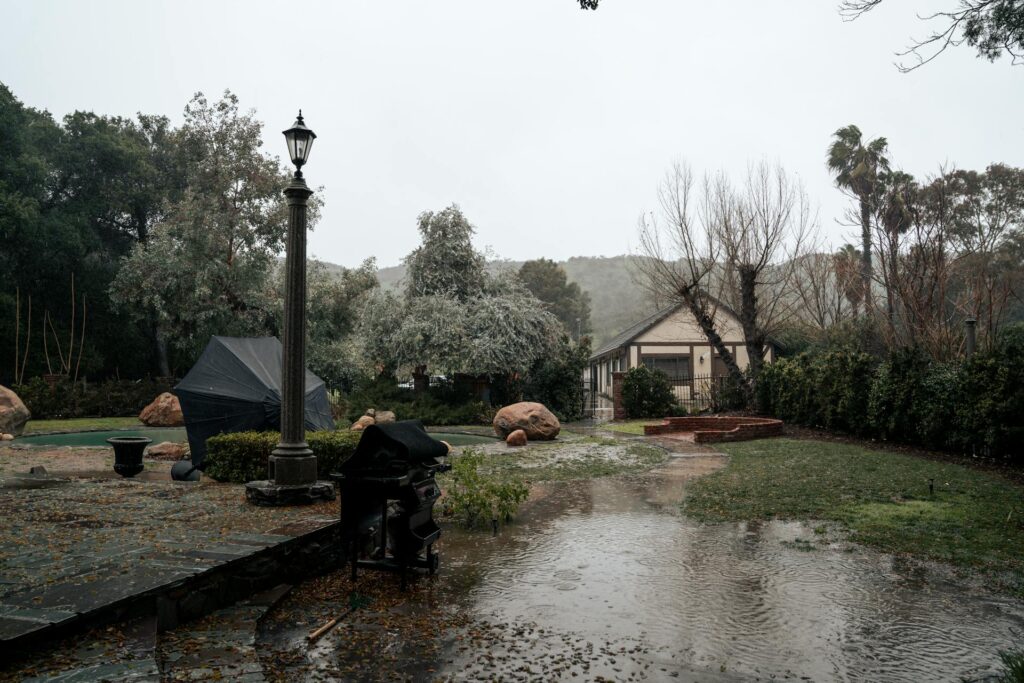
Every year, spring and summer rains spoil people’s warm-weather activities, moving picnics indoors and breaking up backyard parties. Unfortunately, they also force many pests out of their habitats to search for drier shelter. This sometimes leads them into our homes.
Underground habitats are especially prone to flooding. This can mean an increase in activity for ants, cockroaches, yellow jackets and other pests. Bugs that suddenly need a new home can easily find spaces in houses, garages, sheds and other human structures.
These pests are skilled at finding higher, drier ground for emergency shelter—that can lead to infestations anywhere from your attic to your kitchen cabinets.
Which pests are the biggest problems on rainy days? Ants, cockroaches and yellow jackets.
Ants
Ants build their signature mounds over shallow burrows and tunnel systems in the soil. These habitats, which hundreds or thousands of ants call home, are in the worst possible position during heavy rain. Water quickly floods the nest, forcing the ants to escape to dry shelter.
Why do ants come in the house when it rains?
For insects this tiny, it takes more than the cover of a few trees to survive a storm. Ants often resort to hiding in homes and buildings, entering through cracks in the walls or under a garage door that doesn’t fully close. Once they’re in, they’ll start searching for food until the soil dries enough to rebuild their nests. But if they find easy sources of food in your home, it’s possible that they’ll stick around.
That’s one way an infestation can form.
Cockroaches
Cockroaches thrive in humidity, which might make you think that they thrive in rainy weather, too. This is partly true, as post-rain humidity and moisture let them venture farther in search of food. But their habitats are also at risk of flooding.
Because of their need for moisture, cockroaches often live in sewers, drains and other wet locations. Like ants’ burrows, these locations are prone to flooding during storms.
To survive heavy rain, roaches might enter homes and buildings and take shelter there.
Roaches can be an even more dangerous intruder than ants. These pests are resilient and stealthy, hiding in pantries and usually scavenging at night. And they can find plenty of moisture in bathrooms, basements and crawl spaces, where they’ll be happy to stay, even after the rain dries up.
Yellow Jackets
Can wasps fly in the rain? Yes, but rainy weather does affect their ability to get around easily. Wasps are most active during the summer months, when hot, dry weather lets them move around most freely.
Summer storms are particularly bad for yellow jackets, which tend to build their nests in hollows in the ground. Whether it’s in a hole in the soil, under a set of porch stairs or beneath a crack in the sidewalk, a yellow jacket nest has a high chance of flooding when it rains.
When yellow jackets (and wasps and other stinging insects) are driven from their nests, they can become more aggressive.
This becomes an even bigger problem when these flying bugs enter homes and garages to find shelter. Aggressive yellow jackets do not mix well with humans or pets.
All of these pests can spread quickly and cause major problems if they build nests in your home. Learn some tips to avoid attracting pests that are looking for shelter from the rain.
How to Prevent Bugs in Your House When It Rains
Pest control can be difficult to do yourself, especially when it comes to stinging and biting pests. Calling professional pest experts is the best solution, but you can follow these seven tips to avoid attracting bugs when it rains:
- Prepare by inspecting for entry points
- Seal cracks and holes
- Remove trash and debris
- Clean up crumbs and spills
- Clear sink and tub drains
- Organize clutter
- Call Aptive Pest Control
Understanding Rain and Its Impact on Insects
Where do insects go when it rains? And what happens to bugs when it rains? These questions often come to mind during the rainy season. When the skies open up, many insects, including flies and other bugs, seek refuge. Some species, like certain flies, cannot fly well in the rain due to the physical impact of raindrops, which are much heavier relative to their body size. This leads them to seek shelter, often resulting in flies in house after rain. Similarly, the increased moisture often drives bugs that normally reside outside to move indoors, explaining the common occurrence of bugs in house after rain.
Additionally, do bugs come out in the rain or do they find hiding spots? Most insects prefer to avoid the rain, seeking cover under leaves, soil, or within human habitats. What do flies do when it rains? They generally follow the same pattern. While not all insects are hindered by rain—some like certain cockroaches can still scurry around—it certainly impacts where you might find them during and after a downpour. Understanding these behaviors can help in strategically preventing their entry into your home, hence safeguarding your space from unwanted post-rain guests.
It’s especially important to make sure your home has no holes, crevices or cracks that could let ants and other tiny pests get in when it rains. Do a careful inspection of your house’s exterior walls and seal any openings before bugs find them.
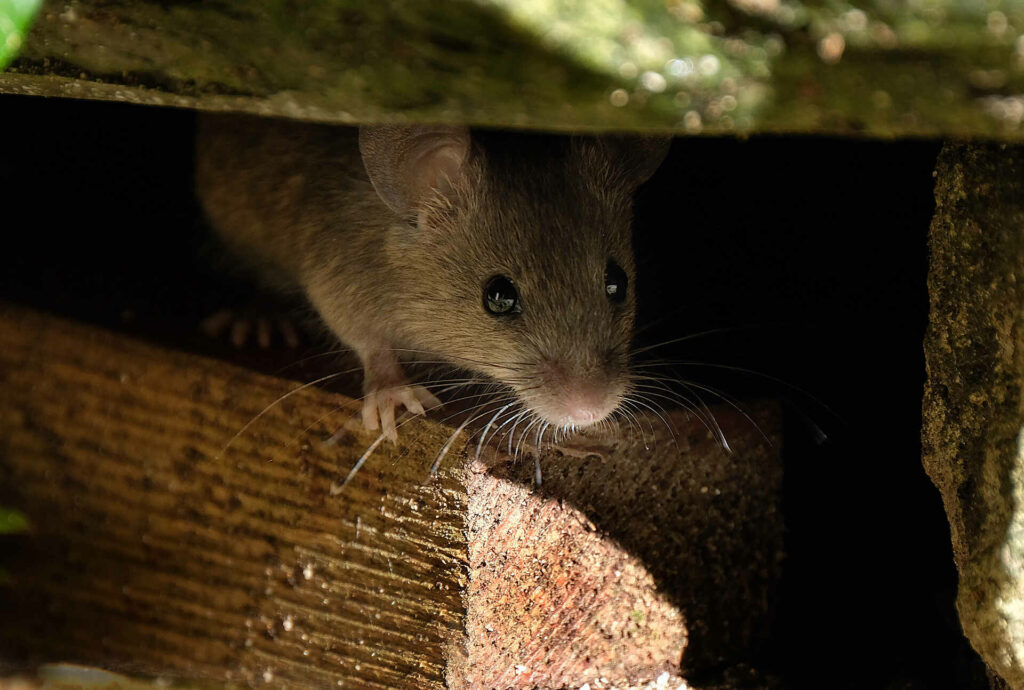
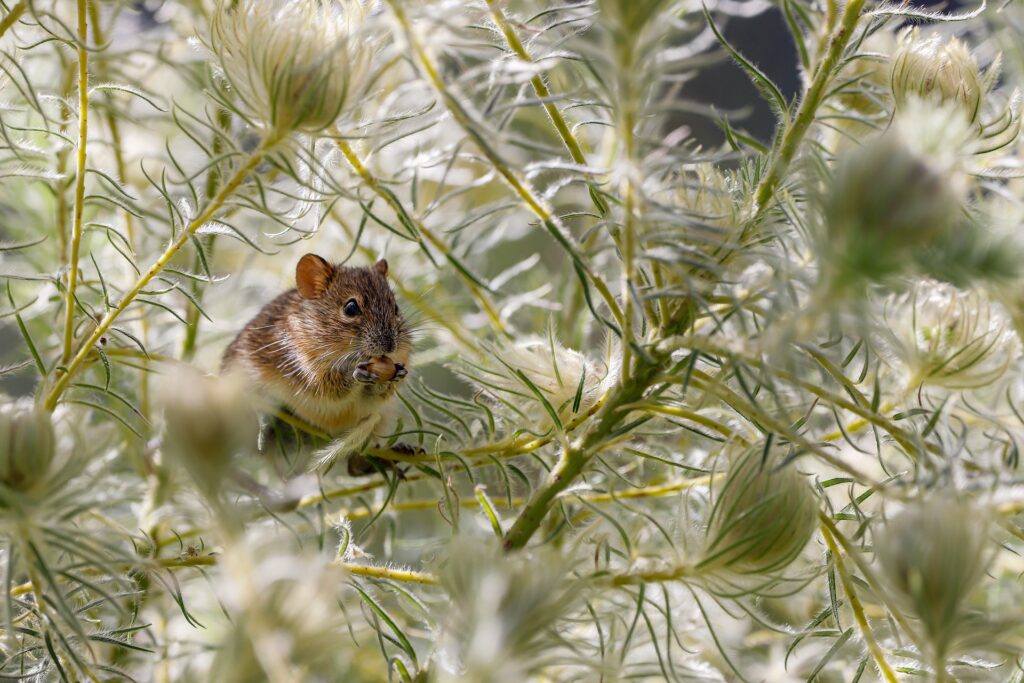
Spend some time clearing clutter around your house, too. Debris and litter can accumulate in your garden or yard and give pests more places to hide. You want to keep bugs (and rodents) far away from your home.
Inside, work on forming a habit of cleaning up after each meal so bugs won’t find any spills, crumbs or dirty dishes to feed on. Wipe counters and vacuum floors as often as possible and keep stored foods sealed in airtight containers.
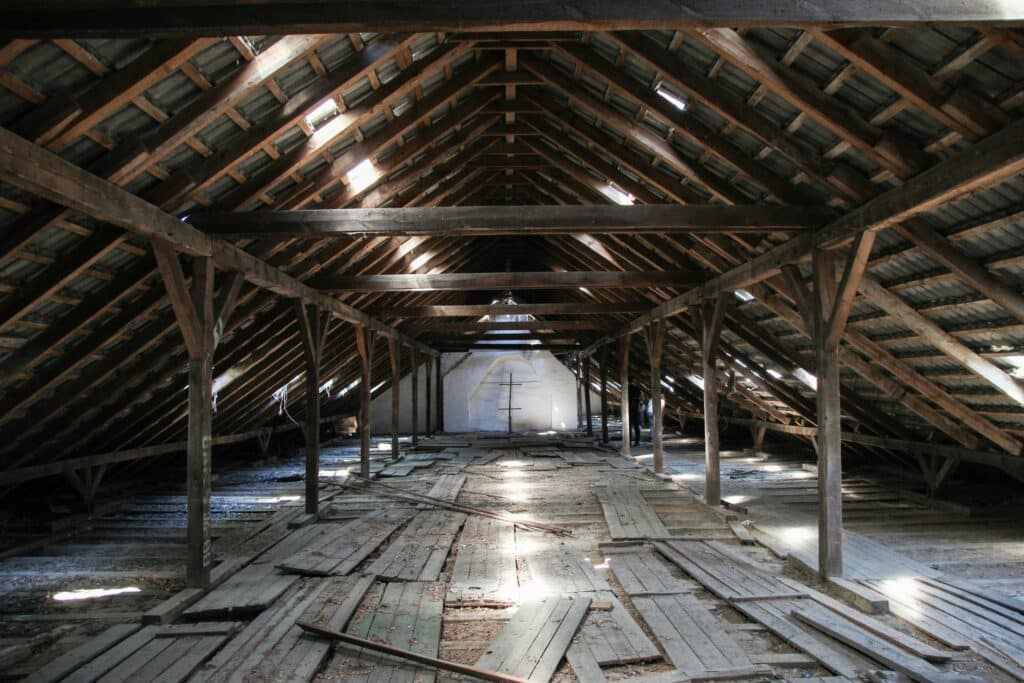
Occasionally cleaning drains (especially the kitchen sink, where food waste can build up) is a good way to avoid attracting roaches after it rains. And by organizing general clutter in your storage rooms, attic and basement, you can reduce the number of hiding and nesting places for pests.
Call Aptive Pest Control for Effective Pest Control
Aptive Pest Control has the tools and expertise to control pests and protect your home against future infestations. We use only effective techniques to target the pests that are most active after storms and in every season. Choose convenient, pest-friendly pest control for your home.
Call the experts at your local Aptive branch now for a free quote and to schedule an appointment.