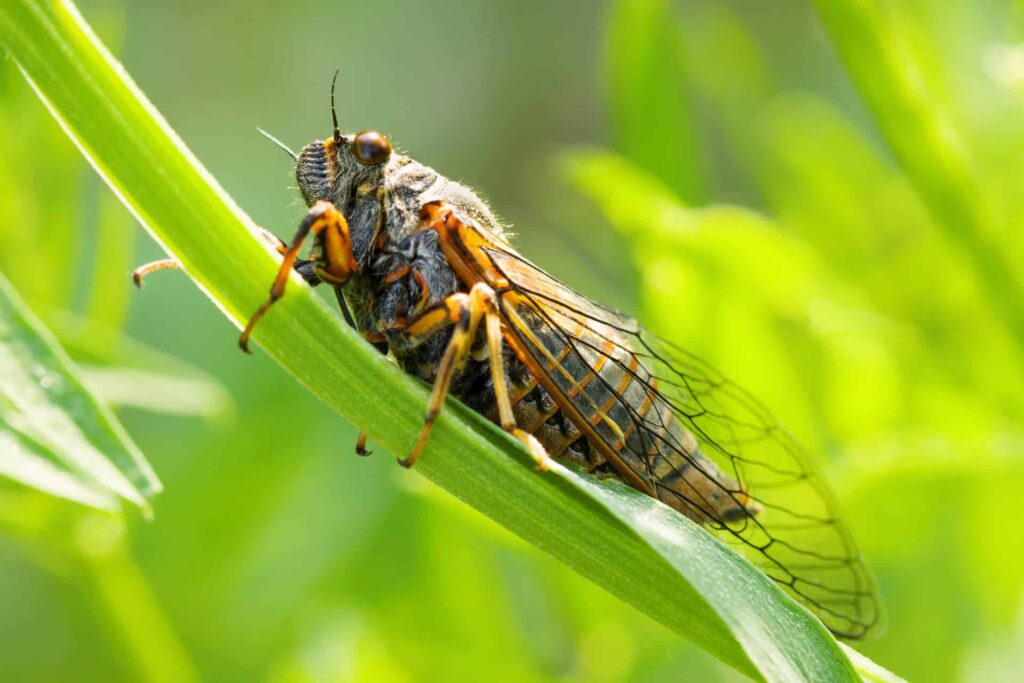
Have you ever touched an insect only to watch it suddenly freeze, roll onto its back, and appear completely lifeless? This behavior, known as thanatosis or death-feigning, is a fascinating survival strategy employed by various insects and other arthropods. While it might seem like a simple trick, this behavior represents a sophisticated evolutionary adaptation that has helped these creatures survive for millions of years in a world full of predators.
What are the reasons some bugs play dead?
Insects primarily play dead as a defense mechanism against predators. Many predators are triggered to attack by movement, so becoming motionless can make a potential meal less detectable or attractive. Some predators also lose interest in prey that appears to be already dead, possibly to avoid consuming something diseased or decayed.
In certain cases, playing dead buys valuable time for the insect to release defensive chemicals or wait for the threat to pass. The strategy is particularly effective against predators that don’t scavenge.
Additionally, this behavior can serve as a “last resort” defense when other strategies like fleeing or fighting aren’t viable options. Some research suggests that individual insects that display more convincing death-feigning behavior have higher survival rates, indicating this trait has been naturally selected throughout evolutionary history.
What are the types of bugs that play dead?
Several common insects employ death-feigning as a survival strategy. Perhaps the most famous is the aptly named “dead bug” or “pill bug” (also known as woodlice or roly-polies), which curl into a ball when threatened.
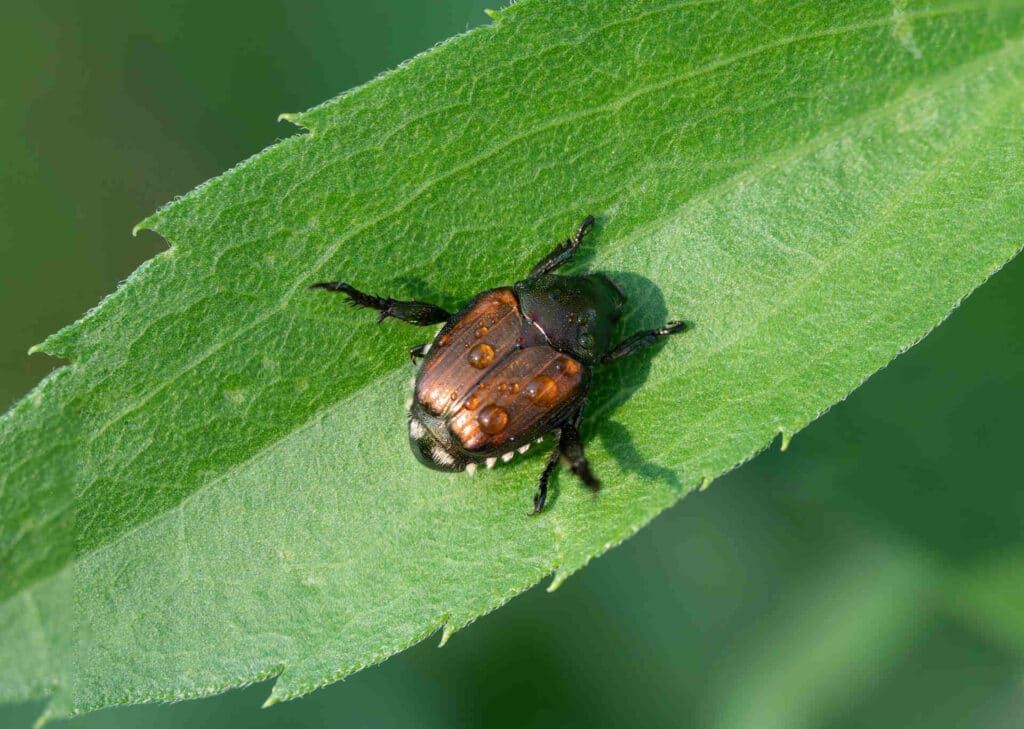
Certain beetle species are masters of this behavior, particularly the familiar click beetles and carpet beetles found in homes. Ladybugs commonly play dead when disturbed, often releasing a small amount of yellow defensive fluid in the process. Many cockroach species will freeze and appear lifeless when suddenly exposed to light or touched.
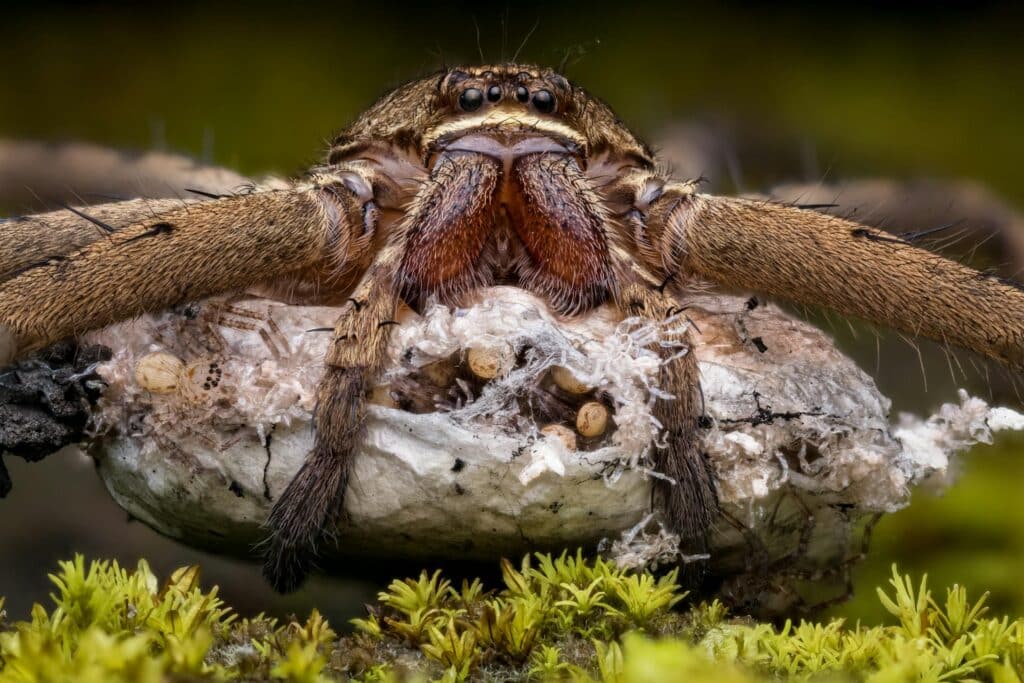
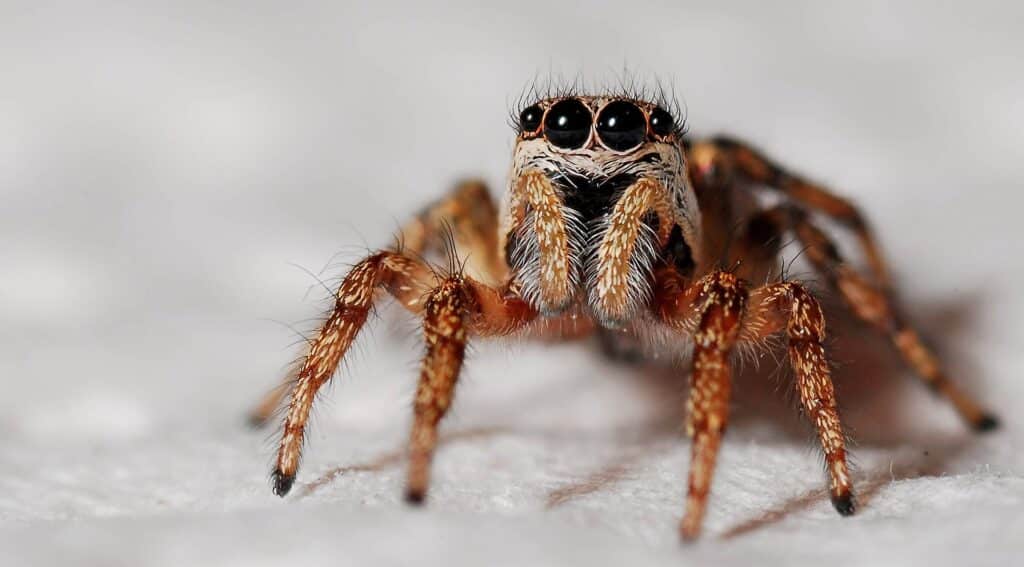
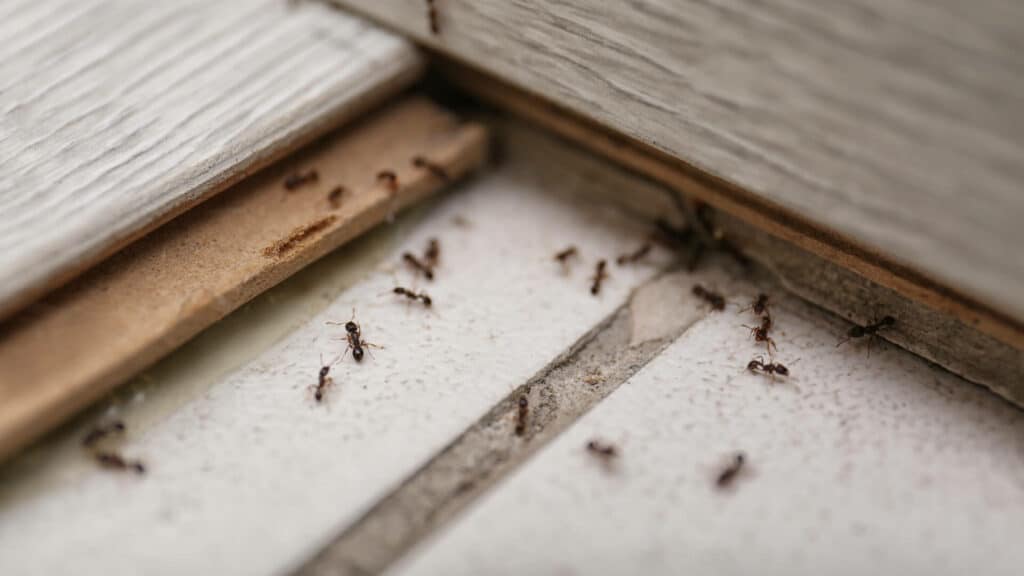
Fire ants can feign death briefly when flooded with water. Some moth and butterfly species, particularly in their caterpillar stage, will go limp and appear dead when handled. Even certain spiders exhibit this behavior, though technically they’re arachnids rather than insects. The duration of death-feigning varies greatly between species, ranging from a few seconds to several hours.
Are the types of bugs that play dead dangerous?
The majority of insects that employ death-feigning behavior pose little to no danger to humans. Most are harmless and simply use this behavior as a defensive mechanism rather than as a means to attack. However, some species that play dead do deserve caution.
Certain types of beetles that feign death, like blister beetles, can release defensive chemicals that may cause skin irritation or blisters when handled. While cockroaches don’t bite or sting, they can carry pathogens that may contaminate food or surfaces. Fire ants, which sometimes play dead briefly when disturbed by water, can deliver painful stings when active.
The potential for allergic reactions varies widely among individuals, with some people experiencing more severe responses to contact with certain insects. Generally, it’s best to avoid handling unfamiliar insects, whether they appear dead or alive, and to wash hands thoroughly after any contact.
How to prevent a bug infestation
Preventing insect infestations starts with eliminating factors that attract them into your home. Seal potential entry points around windows, doors, foundations, and utility penetrations using caulk, weather stripping, or fine mesh screens. Maintain proper sanitation by storing food in sealed containers, cleaning up spills promptly, and keeping garbage in tightly sealed bins.
Reduce moisture issues by fixing leaky pipes, using dehumidifiers in damp areas, and ensuring proper ventilation in bathrooms and kitchens. Remove potential harborage sites by reducing clutter, especially in storage areas, basements, and garages.
Keep the exterior of your home well-maintained by trimming vegetation away from the structure, removing debris piles, and keeping firewood stored at a distance. Regular cleaning, including vacuuming carpets and furniture where insects might hide, helps eliminate food sources and remove insects before they establish populations.
When to call the professionals
If you’re experiencing persistent problems with insects, it’s probably time to contact a professional pest control service. Established insect populations can be difficult to eliminate completely with DIY methods alone, especially when dealing with resilient species that hide effectively. If certain insects are causing property damage or creating health concerns, professional intervention can help quickly resolve the situation.
Aptive’s pest control experts can quickly assess your insect situation and implement targeted treatments for effective control. Our technicians will thoroughly inspect your property to identify exactly which species you’re dealing with, locate their hiding spots and entry points, then develop a customized control plan based on their specific behaviors.
Aptive can also provide prevention strategies and guidance on proper home maintenance to help protect your property from future infestations. If you’re dealing with persistent insect problems around your home, don’t wait–contact Aptive today for a free quote and take the first step toward effective pest management.