Lovebugs: these small insects may seem harmless, but they can quickly become a nuisance in the southeastern United States. With their unique mating behavior and rapid reproduction, lovebugs can swarm in large numbers during certain times of the year. But what exactly makes these bugs so overwhelming? How do they mate, and why are they attracted to cars? From their short lifespan to their preference for nectar and fungi, we’ll share some interesting facts about these insects.
What are Lovebugs and Why Are They a Nuisance?
Lovebugs, also known as march flies, are black-bodied insects with red heads that can be quite a nuisance. These pesky critters have a swarming behavior, often flying in large numbers around homes, vehicles, and outdoor spaces.
Swarming Behavior
One of the main reasons lovebugs become a nuisance is their tendency to swarm. Imagine stepping outside on a sunny day only to find yourself surrounded by these little creatures buzzing around your head! It can be quite annoying and unsettling. Their swarming behavior is especially pronounced during their mating season, which typically occurs in spring and fall.
Vehicle Damage
The acidic nature of lovebug remains can pose a threat to your vehicle’s paint if not cleaned promptly. When lovebugs collide with cars while flying at high speeds, their bodies break apart and release enzymes that are corrosive to paintwork. If left unattended for too long, these stains can cause damage to your vehicle’s paint.
To avoid this damage, it’s important to wash off any lovebug residue as soon as possible using mild soap or specialized cleaning products designed for removing insect remains from car surfaces. Regularly cleaning your vehicle will help protect its appearance and maintain its resale value.
Unsightly Mess
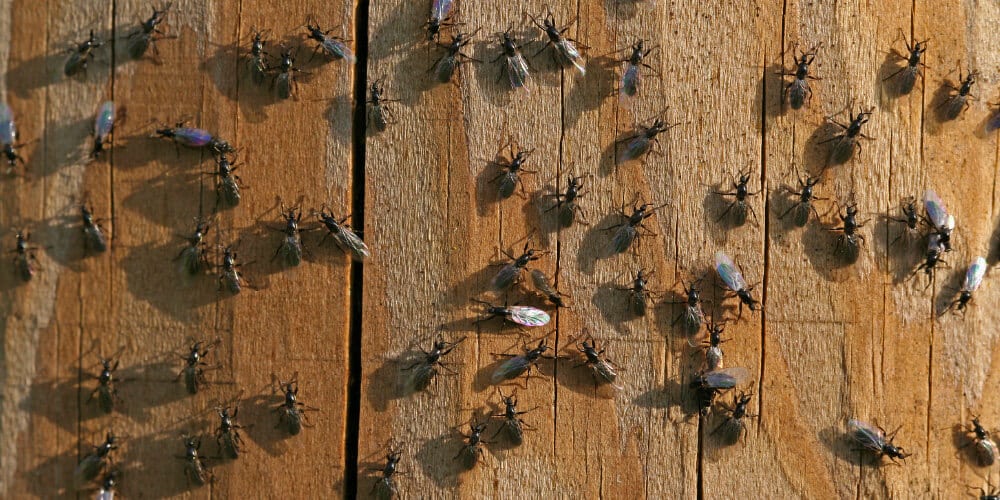
Lovebugs tend to stick to surfaces once they come into contact with them. This means they often end up clinging onto walls, windows, outdoor furniture, and other objects around your home or property. As a result, they create an unsightly mess that can be difficult to clean up.
If you leave lovebug remains on surfaces for too long without proper cleaning, they may leave behind stubborn stains that require extra effort to remove. To avoid this hassle, it’s best to clean affected areas promptly using warm soapy water or household cleaners suitable for the surface material.
Understanding the Life Cycle of Love Bugs
Lovebugs have a fascinating life cycle. By understanding their life cycle, we can gain valuable insights into their behavior and implement effective control measures. The life cycle of lovebugs consists of four stages: egg, larva, pupa, and adult.
Eggs: Laid on Vegetation Near Water Sources
Lovebugs begin their life cycle as eggs laid on vegetation near water sources. These eggs are often found in areas with high humidity, such as marshes or wetlands. The female lovebug lays hundreds of eggs at a time, aiding in the survival of the species.
Larvae: Hatching and Development
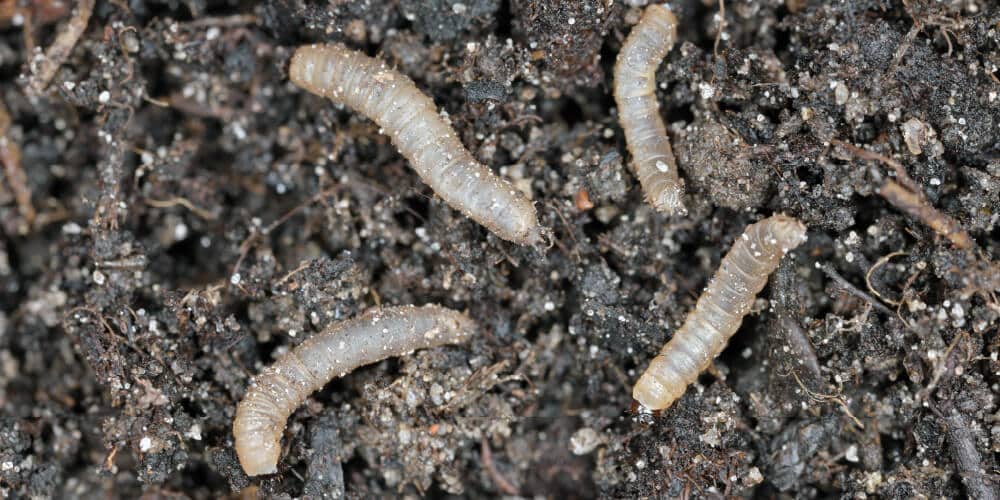
Once the eggs hatch, the larvae emerge. These immature lovebugs feed on decaying organic matter found in their surroundings. They undergo several molts as they grow and develop into pupae.
Pupa: Transformation Stage
During the pupal stage, lovebugs undergo a remarkable transformation. Inside the protective casing of the pupa, they undergo metamorphosis and develop into adult insects. This stage is crucial for their growth and development.
Adult Love Bugs: Short Lifespan
After emerging from the pupa, lovebugs finally reach adulthood. Adult lovebugs have a relatively short lifespan ranging from several days to a few weeks. During this time, they focus on mating and reproducing to ensure the survival of their species.
Lovebugs are notorious for their swarming behavior during mating season. Mating occurs while in flight or perched on vegetation. The male attaches himself to the female’s back using specialized appendages until they successfully mate.
Understanding the life cycle of lovebugs provides valuable insights into their population dynamics and helps us devise effective control strategies:
- Control Measures: By targeting specific stages in their life cycle (such as disrupting egg-laying or larval development), we can reduce the overall population of lovebugs.
- Timing: Knowing when lovebugs are most active in their life cycle allows us to implement control measures at the right time, maximizing their effectiveness.
- Mortality Rate: By understanding the mortality rate at each stage of their life cycle, you can better predict population growth and devise strategies to manage infestations.
In recent years, there have been fluctuations in the lovebug population. Factors such as weather conditions, habitat changes, and natural predators can influence their numbers. Studying their life cycle helps scientists monitor these fluctuations and understand the impact of various factors on lovebug populations.
Identifying Love Bugs: Tips and Characteristics
Lovebugs, also known as Plecia nearctica, are small insects with distinct physical characteristics that make them easily recognizable. By understanding their appearance and behavior, you can identify these unique creatures and distinguish them from other similar-looking insects.
Distinct Physical Characteristics
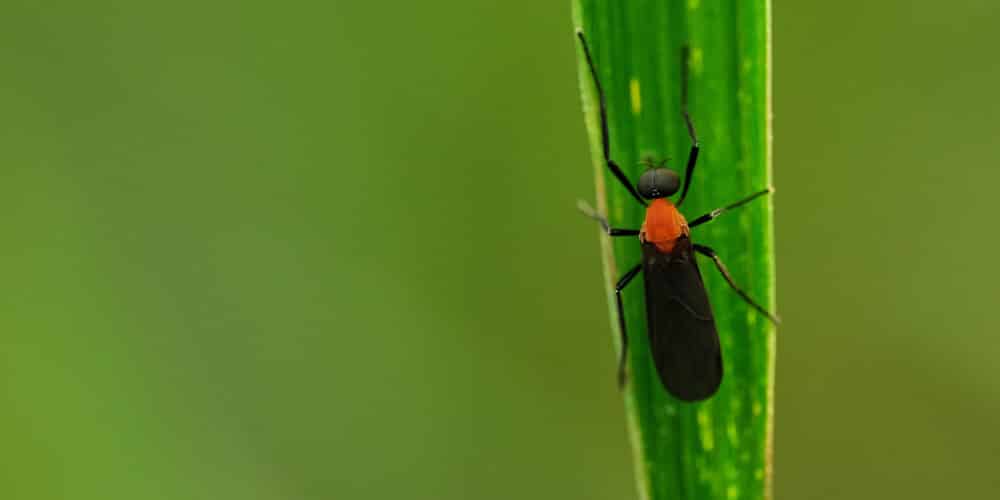
Lovebugs have a distinctive appearance that sets them apart from other insects. They typically have black bodies with red heads and wings, making them quite eye-catching. These colors serve as a helpful visual clue when trying to identify lovebugs in the wild.
Size and Eye Placement
Lovebugs measure approximately 0.5 inches long, which is relatively small compared to other flying insects. Despite their size, they possess prominent eyes on either side of their head. These large eyes are an essential feature that aids in their ability to navigate through the air.
Flying Behavior
One of the most notable characteristics of lovebugs is their flying behavior. Unlike other flies or mosquitoes that fly solo, lovebugs prefer to fly closely attached together while mating or swarming. This behavior often leads to confusion among people who mistake them for two separate insects.
When observing lovebugs in flight, you’ll notice pairs of male and female bugs flying together in tandem formation. This unique flying pattern is a key indicator that you’re looking at lovebugs rather than another type of insect.
Treating Love Bugs: Effective Removal Methods
Lovebugs can be a problem when they invade our homes, but there are effective methods to control them. Let’s explore some practical ways to treat lovebugs and limit them from settling in.
Physical removal methods
One way to tackle lovebug populations indoors is through physical removal methods. You can use a vacuum cleaner to suck up the pesky insects or employ sticky traps designed for capturing bugs. These traps can be placed strategically around your home to catch lovebugs as they fly or crawl by. Just make sure to empty the traps regularly to maintain their effectiveness.
Regular cleaning with soapy water
Keeping outdoor surfaces clean is another effective way to deter lovebugs from settling in your surroundings. Regularly cleaning these areas with soapy water or a mild detergent helps remove any residue that might attract the bugs. Pay attention to windowsills, door frames, and other surfaces where lovebugs tend to gather. By maintaining cleanliness, you create an environment that is less appealing for them.
Installing screens on windows and doors
Proactive measures are key. Installing screens on windows and doors acts as a barrier, blocking these insects from entering your living spaces while still allowing fresh air circulation. Make sure the screens are properly fitted and free from any tears or holes that could serve as entry points for the pests.
Using pesticides labeled for lovebug control
In cases where physical removal methods and preventive measures are not enough, using insecticides specifically labeled for lovebug control can be an effective solution. It’s important to choose insecticides that are safe for indoor use and follow the instructions provided carefully. Apply the insecticide in areas where you’ve noticed high concentrations of lovebugs or along potential entry points into your home.
To summarize:
- Vacuuming and using sticky traps are effective physical removal methods.
- Regularly cleaning outdoor surfaces with soapy water or mild detergent deters lovebugs.
- Installing screens on windows and doors prevents lovebugs from entering homes.
- Using pesticides labeled for lovebug control can be effective when applied correctly.
By implementing these methods, you can reduce the presence of lovebugs in your living spaces and enjoy a more protected home.
Lovebug Infestations: Common Questions Answered
Lovebug infestations are a prevalent issue, especially during certain times of the year.
Seasonal Occurrence
Lovebug infestations typically occur twice a year, during spring and fall. These seasons are when lovebugs are most active and abundant. You may notice an influx of these bugs during these periods, as they mate and lay eggs in large numbers. However, it’s important to note that lovebug populations naturally decline over time as their life cycle progresses.
Attraction to Light-Colored Surfaces
One peculiar behavior of lovebugs is their attraction to light-colored surfaces, particularly vehicles. This phenomenon is known as phototactic behavior. The bright color of cars acts as a visual stimulus for these insects, drawing them towards the vehicles. As a result, you might find your car covered in lovebugs if you park it outside during peak infestation periods.
Non-Biting Nature
Contrary to popular belief, lovebugs do not bite humans or pets. They primarily feed on nectar and pollen from flowers. So, while their presence may be overwhelming at times due to their sheer numbers, rest assured that they pose no direct harm to you or your furry friends.
Natural Population Decline
As mentioned earlier, lovebug populations naturally decline over time. After mating and laying eggs, adult lovebugs die within a few days or weeks. The eggs hatch into larvae that live in decaying plant material before pupating into adult insects themselves. This natural life cycle helps regulate the population of lovebugs over time.
Coping with Love Bugs
While it may be challenging to completely eliminate lovebugs from your surroundings during peak seasons, there are some measures you can take to cope with them:
- Keep your car clean: Regularly wash your vehicle, especially the front bumper and windshield, to remove lovebugs that may have accumulated.
- Avoid parking under bright lights: Lovebugs are attracted to light, so try to park your car in shaded areas or away from bright streetlights.
- Use a protective barrier: Applying a wax or coating on your vehicle’s surface can create a protective barrier against lovebug residue and make cleaning easier.
- Consider using bug screens: Installing bug screens on the front of your car can help prevent lovebugs from getting trapped in the radiator or clogging the air vents.
Remember, while lovebugs may be pesky during their peak seasons, they are harmless creatures that play a role in pollination. By understanding their behavior and taking some proactive measures, you can minimize their impact and coexist with them more comfortably.