Finding bugs in your kitchen cabinets? Pantry pests occur in thousands of homes every year when infested products are purchased and brought inside. Although it can be hard to prevent bringing them in your home, there are steps that can be taken to help ensure an infestation doesn’t become out of hand. Keep reading to learn more about the types of pantry bugs, how to prevent them, and how to get rid of them.
Where Do Pantry Pests Come From?
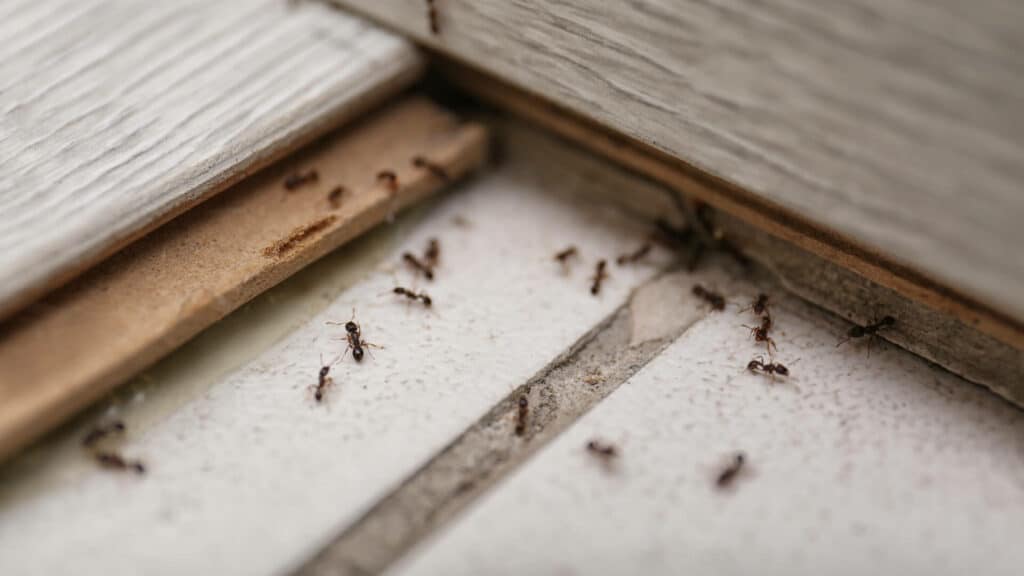
It can be confusing when you’re suddenly swarmed with bugs in the pantry. As gross as it sounds, bugs that infest kitchen cabinets are typically brought in by infested food products purchased outside of the home. They can infest even the cleanest of kitchens as long as they’re able to access their favorite grains and foods. Although they are harmless (aside from damages to food), it’s not pleasant to find bugs crawling around your foods.
What Foods Attract Pantry Insects?
These bugs are attracted to a variety of products. Their favorites include grains (such as flour and cereals) in addition to beans, nuts, spices, and dried fruits. However, their palette isn’t limited to this – pantry pests will eat nearly any dried food that’s stored at room temperature. Opened packaged are the easiest for them to enter, but they can make their way into sealed packages as well.
What Types of Pantry Pests Are There?
Moths, weevils, and small grain beetles are the most common pests that can live in the pantry. Although annoying, they are harmless because they won’t sting or bite. They also won’t damage your home aside from food losses. Learn more about each species below!
Indian Meal Moths
These small moths attack a variety of dried food products around the kitchen, especially containers that haven’t been opened for a long time. You might find silky webbing, tiny specks of droppings, or egg casings left along the food. They can be found all over the United States, but thrive in more tropical climates like Florida. They can be difficult to get rid of, which is why professional Indian Meal moth extermination is often required to effectively eliminate them.
Sawtoothed Grain Beetles
These tiny pantry insects often go unnoticed until discovered in dry food or crawling around counters. They also reproduce rapidly. Infestations often become large and spread to many different foods before they are noticed. In this case, professional grain beetle extermination is your best bet.
Weevils
There are two common types of weevils – granary weevils and rice weevils. One sign of infestation includes small holes in any whole grains you have stored as well as live, adult weevils in dry foods. Like grain beetles, weevils can be hard to detect until the infestation is out of hand and weevil-extermination is needed.
Preventing Pantry Pests
It can be difficult to fully prevent these bugs since infestations only begin when you bring them home. However, there are a few precautions you can take to avoid these bugs from taking over your pantry if they hitch a ride home in your groceries.
Food Storage
Make sure to store dry pantry foods in tight, sealed containers. Larvae can easily chew through paper and cardboard to access other foods. They can also easily enter containers that aren’t tightly sealed. If you’ve had a recent infestation of kitchen cabinet bugs that you think is gone, you might want to store dry food in the fridge (as long as you’re 100% positive they are not infested). Any leftover bugs won’t enter the fridge, and most dry foods won’t be harmed by the cold storage.
Clean Regularly
Although pantry insects can infest clean kitchens, it can still be helpful to clean your shelves regularly and dispose of anything you don’t need. This helps eliminate potential food sources. In addition, make sure to clean the walls and shelves with soapy water regularly. Finally, make sure to clean old containers before filling them with new products in case there were any previous contaminations.
Buy in Bulk
Although bulk products can definitely harbor kitchen cabinet bugs too, it’s more likely you will notice them in the container when you’re purchasing from the store (especially if you use clear bags or jars). Most products on the shelf don’t allow you to check inside the bag.
Wash Your Grains
This is more of a cleanliness tip rather than a prevention tip. Make sure to thoroughly rinse your grains before cooking to remove any bug remains (as well as any other dry foods that can be washed before using them). Even if you don’t have an infestation, it’s very possible the product could have come into contact with pantry bugs at some point in the production journey.
How Do You Get Rid of Pantry Insects?
Most pantry pests can reproduce quickly and turn into an infestation nightmare. If your dry food collection isn’t large, you might consider throwing everything out and treating the area. Most bulk spices and other dry foods are cheap to repurchase. When new products are purchased, you can store them in the fridge to avoid leftover insects from infesting them, or make sure to store them in very tightly sealed containers that they can’t get inside. After a few weeks, the infestation should be gone.
Another effective method is to simply call professional pantry pest extermination. Worried about the bugs coming back once we’re done? Our treatment ensures your home will stay protected from pests. If the bugs we exterminate return, we will too (at no additional cost)!