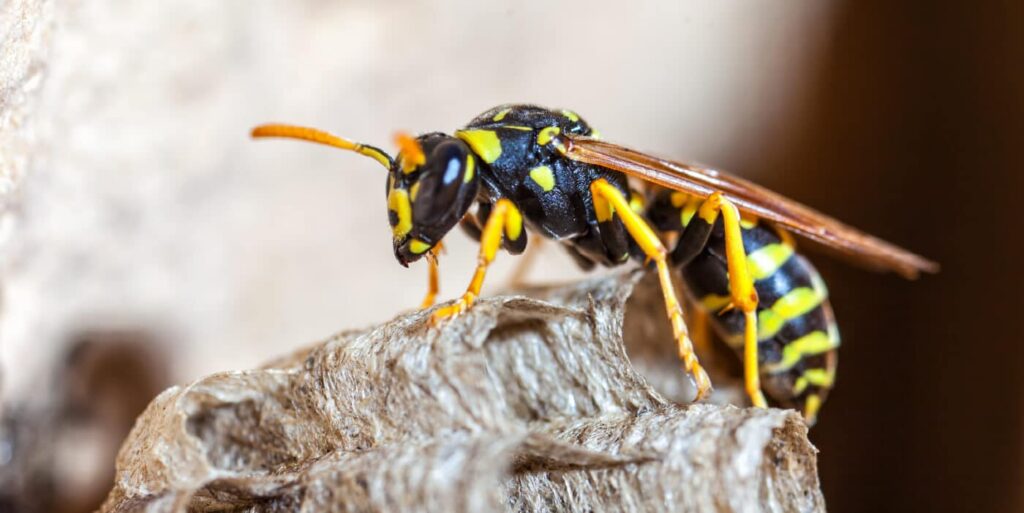
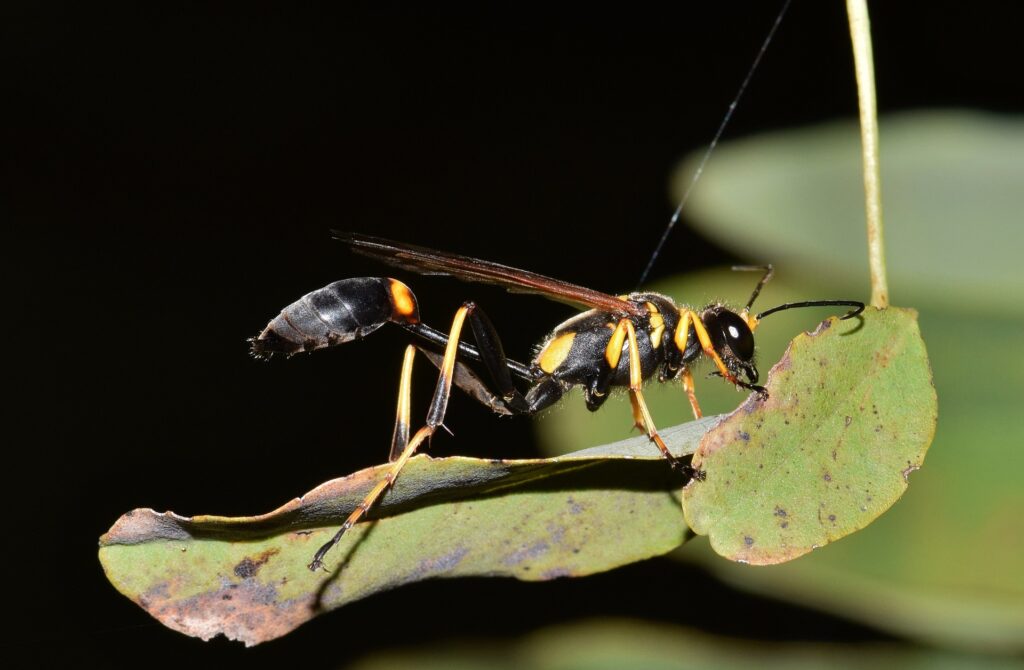
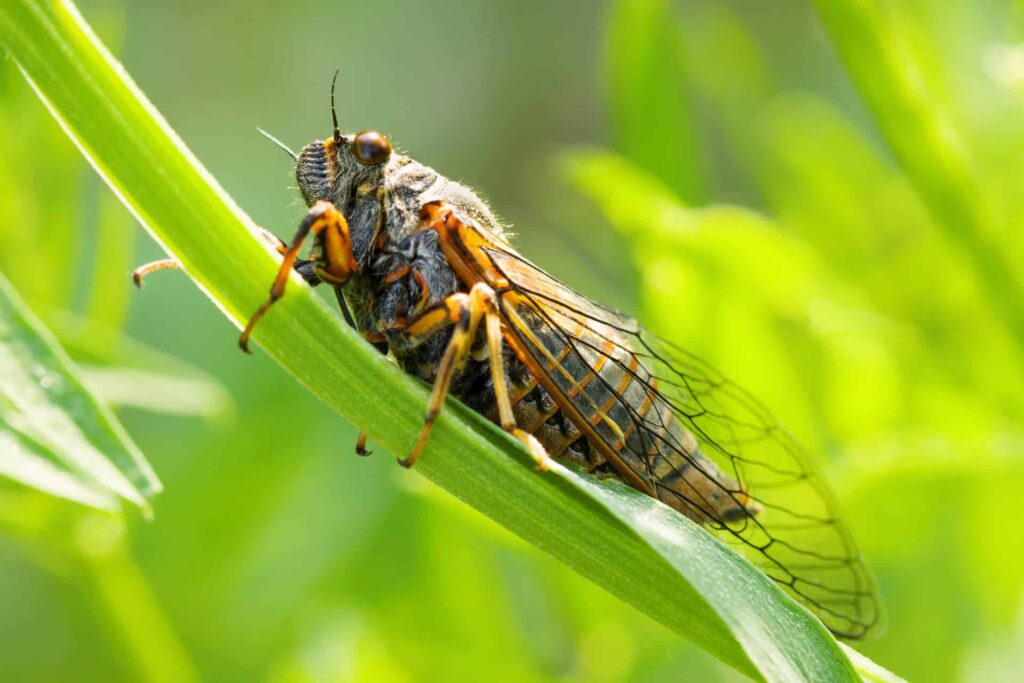
No matter how much you pay to store your belongings, many self-storage facilities are unable to prevent certain bugs from getting into your unit. Some may schedule pest control treatments for their facilities throughout the year, which makes it more difficult for pests to find their way in, but these efforts do not always result in spotless self-storage units. This makes items like paper documents, clothing, and furniture vulnerable to destructive storage bugs.
Types of Storage Bugs
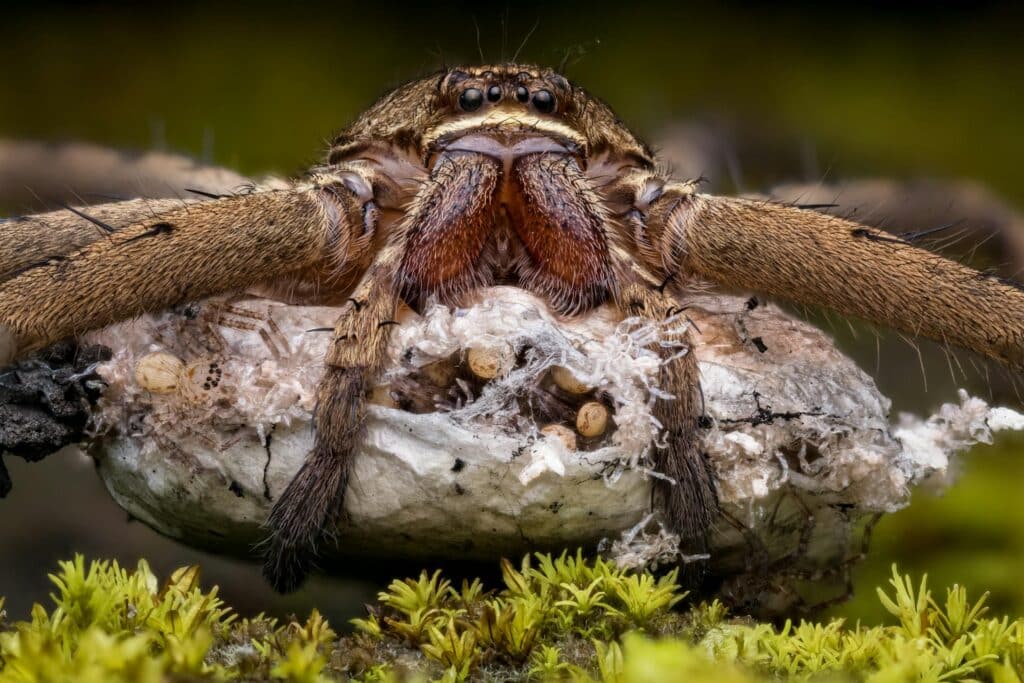
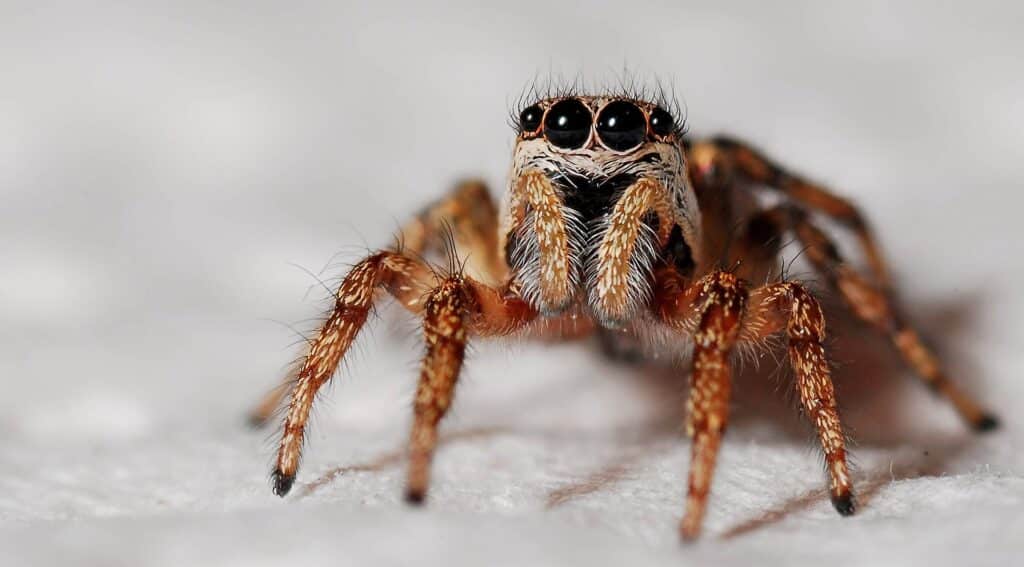
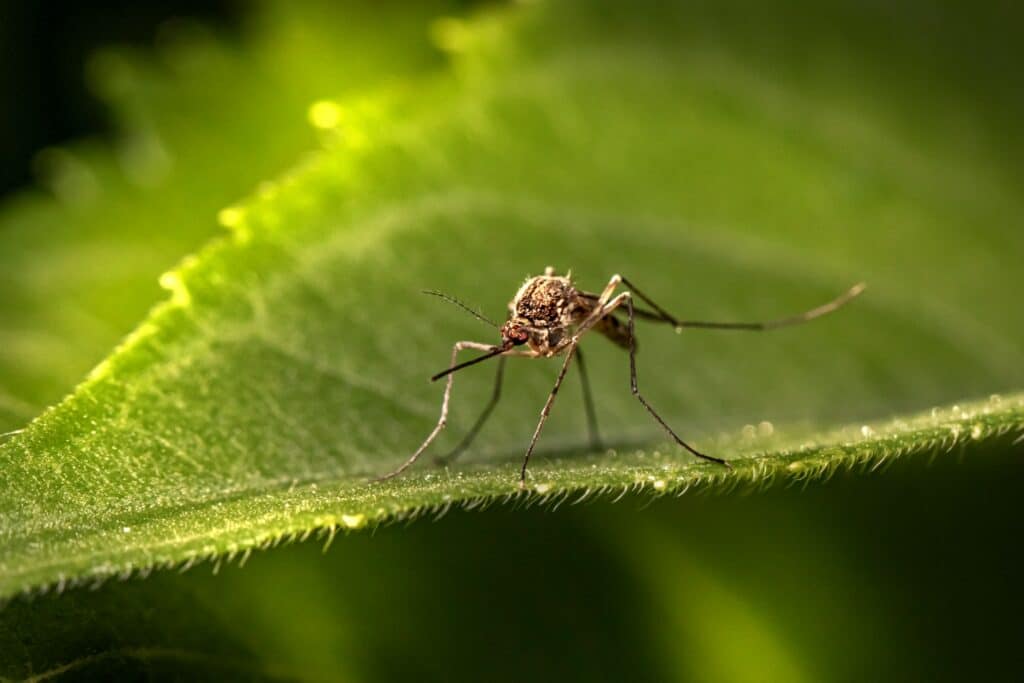
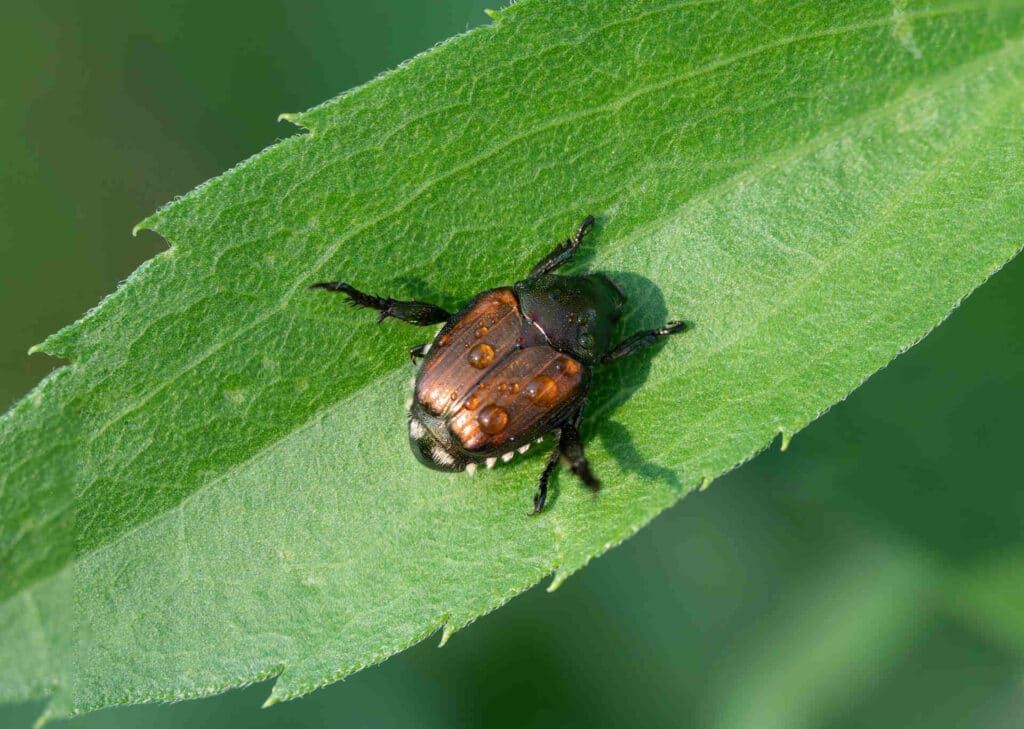
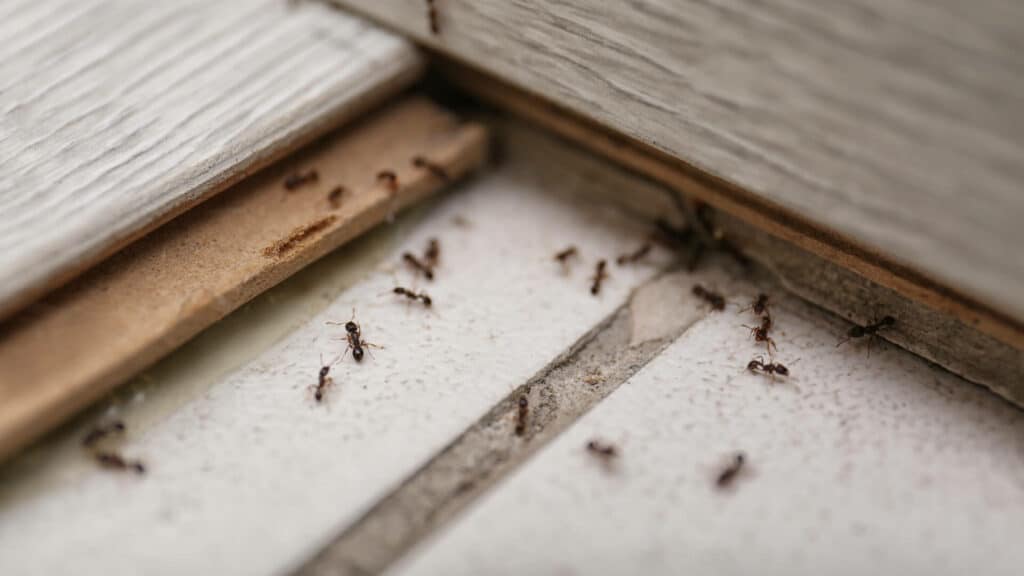
During a move, it’s not uncommon for customers to bring food and drinks in with them while they’re loading or unloading their belongings. If any crumbs or residue get left behind during the move, pests like ants, crickets, and cockroaches are attracted to the smell. These pesky bugs then attract spiders, like brown recluse and black widow spiders, to the storage unit.
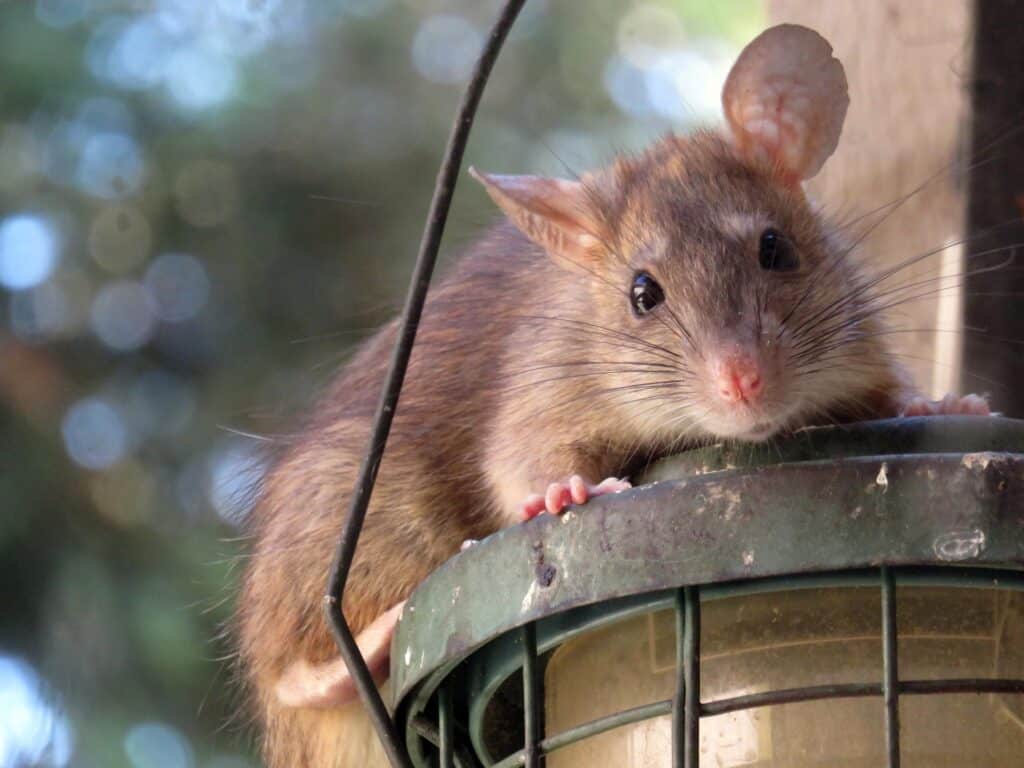
Rodents, like rats and mice, are other likely guests in your self-storage unit, as they can fit through impossibly small cracks and holes. These pests feed on anything from fabric to packing materials and reproduce very quickly, which can quickly turn destructive for items kept in an infested unit. Storage units located near the woods, or even small collections of trees, are also susceptible to moth infestations. Not only will these insects eat your clothes and bedding, but they will leave behind debris and make a mess of your unit.
A dark and relatively untouched self-storage unit is the perfect home for many pests, but fortunately, there are some storage pest control tricks you can use to keep your items protected from storage bugs while they’re left on their own.
How to Prevent Pests in Self-Storage Units
Use Airtight Containers
Moving boxes are a cheap and convenient way to lug your belongings long distances, but these items are bug-havens. If you plan to store important documents and clothing in a storage unit for an extended period of time, invest in airtight plastic containers to keep your items protected.
Elevate and Cover Furniture
As you’re preparing for your move, invest in plastic coverings for your mattresses and upholstered furniture. Bedbugs often find their way into storage facilities through mattresses, and mice will chew their way into them. However, be careful not to wrap these items tightly in plastic. If they’re wrapped in a material that can’t breathe, they can easily mold during humid months.
Strategies for Keeping Spiders Out of Your Storage Unit
Spiders can be particularly troublesome in storage units due to their preference for dark, undisturbed areas. To keep these eight-legged invaders at bay, consider incorporating specific spider repellents. Diatomaceous earth is a natural, non-toxic powder that can be sprinkled around the perimeter of your storage unit to deter spiders. Additionally, maintaining a clutter-free environment reduces the number of places where spiders can hide and build webs. Regularly inspecting and cleaning your unit can also prevent spiders from settling in.
Another way to deter these pests from chewing through your furniture is to elevate it. This might not inhibit certain pests from crawling vertically to find the furniture, but it will provide another layer of defense against these bugs, as well as protect your belongings from any moisture that gathers on the ground of your unit.
Keep Food Away
Most storage facilities have a no-food policy, and for good reason, but this still doesn’t deter customers from bringing in snacks, drinks, or storing non-perishable food items. During your move, say no to the crumbly snacks and sweet drinks. Even if you’re careful, just a few of these crumbs can draw cockroaches and ants toward your self-storage unit.
Enlist Pest Repellants
When it comes to storing your most precious belongings, why risk a pest infestation? Consider using organic pest repellants in your unit to prevent these bugs from making a home inside. Essential oils like lavender and peppermint are effective repellants, especially for pests like spiders and mice. Simply place a few drops of peppermint or lavender oil on cotton balls and place around door frames and by any cracks along the floor in your unit. Then, add two teaspoons of peppermint oil and one cup of water to a spray bottle and thoroughly spray along the walls and entryway of your unit. We recommend repeating this step 3-4 times a year to protect your belongings throughout every season.
Check the Facility
If you’re lucky, your storage facility will provide a pest control treatment as part of your contract. If they don’t, there are a few red flags to keep an eye out for. While you’re touring the facility, check out the facility’s landscaping. If it’s poorly kept or overgrown, the units may be more easily infiltrated by pests. Similarly, if the seal around each unit’s doors appears to be disintegrating, it’s likely that the facility is vulnerable to annoying pests.
If Possible, Visit Often
For homeowners living in another state or country than their self-storage unit, this step may be harder to accomplish. If do you live within a reasonable distance to the storage facility, a routine visit to your unit can help you spot signs of bugs before it becomes an unmanageable infestation. Small holes in boxes, rodent and bug droppings, and even pest sightings are all signs that it’s time to contact the management and request a pest control service.
If you choose to keep your belongings in a self-storage unit, knowing the risks of a potential bug infestation and how to prevent one will help you protect your belongings. Common storage bugs are present in even the cleanest of facilities, so this added layer of defense will increase the likelihood that your items stay protected. If you need further assistance or have any questions about bug-proofing your clothes, furniture, and other items, don’t hesitate to reach out to a member of our pest control team. Call your local Aptive Pest Control branch to speak to a trained pest professional today.