Call Now and Ask About the Winter Deal While it Lasts →

Call Now and Ask About the Winter Deal While it Lasts →

Sign-in to Account
Call Us

(855) 948-5816

aptive_pest_control_lockup-white

Find Service Area

Why are Humans Scared of Bugs?

Written by Aptive Pest Control July 3, 2019

Updated June 12, 2024

Have you ever screamed or run away in terror at the sight of a cockroach or spider? You don’t have to have entomophobia, a.k.a. the phobia of bugs, for insects and spiders to send a shiver down your spine. While most people don’t actually have a phobia of bugs, there are plenty of people who hate bugs and don’t want them anywhere near them. As it turns out, being afraid of bugs is part of being human.

Bugs are Disgusting

The creators of the show, Fear Factor, were onto something when they forced people to eat insects and get into small spaces with bugs. While killer clowns, grizzly bears, or tornadoes make us want to run away in fear for our lives, insects scare us in a different way. Unlike many other threats to our wellbeing, bugs make us feel disgust.

Think back to the last time you were disgusted by something – maybe it was the time you found a moldy sandwich in your kid’s backpack or the time you found a hair in your salad at a restaurant. Either way, you probably felt sick to your stomach. This feeling is what psychologists call the rejection response. The rejection response is a visceral reaction we have to things we find totally revolting, and it is shaped by our culture and biology. Similar to a flight or fight response, the rejection response is meant to protect us. Just as we are disgusted by moldy food or unsanitary dining conditions because it could make us sick, we see the presence of insects as a warning sign that something isn’t safe to consume or touch. Given the strong association between bugs and unsafe conditions, we eventually started seeing bugs as the threat.

Bugs are Weird

As humans, we make sense of the world based on our own experiences and how we view ourselves. It may be narcissistic, but we see the world through our perspective.

As we talked about in our previous blog post on insect intelligence, we believe certain animals are intelligent because they share many of the same cognitive functions as human beings. When we look at some animals (think apes, horses, dogs, or elephants) we see the physical characteristics they have in common with us. We recognize their eyes, faces, limbs, and body language. On the flip side, when we look at insects, we have a hard time relating to them because we don’t see ourselves in them at all.

Bugs have way too many legs and eyes. They have pincers and stingers and antenna. They hide in dark corners and can startle us unexpectedly. Not to mention, it’s rarely ever just one single bug we are dealing with, and they are often in places we don’t want them to be – in our closets, in our kitchens, in our bathrooms. Bugs are basically unrecognizable strangers, little aliens or monsters, that hang out in our house uninvited. It makes total sense we find them unsettling. Like the fear of the unknown, we are afraid of what we can’t make sense of.

Bugs can be Harmful

Have you ever heard the saying, “One bad apple spoils the barrel?” The same saying can be applied to insects and bugs. Some bugs bite. Some bugs sting. Some bugs even carry disease. While the majority of bugs are relatively harmless, it only takes one bad one to ruin the bunch.

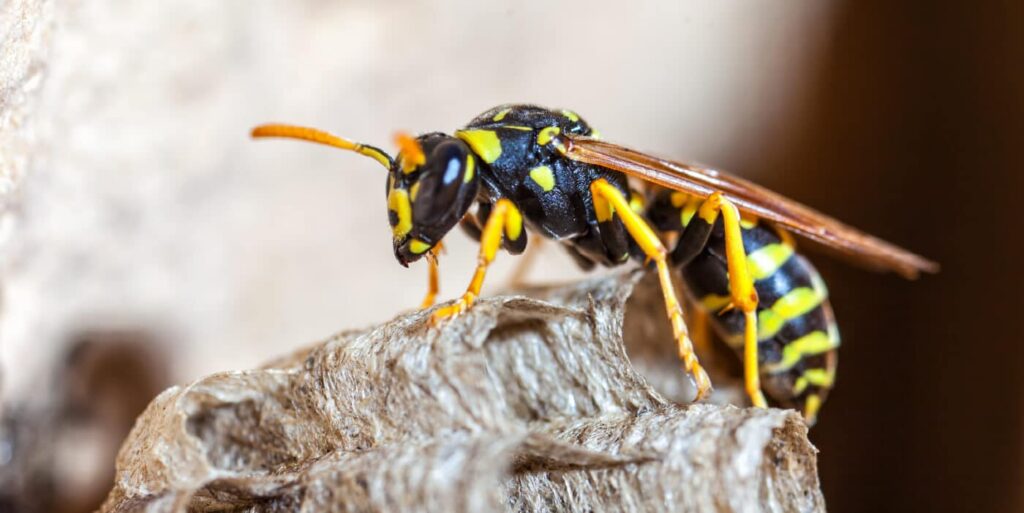
Many people are afraid of bugs for good reason. Some can transmit diseases, such as ticks, while others can cause severe allergic reactions, such as wasps, if they sting you. When we think of spiders, we think of brown recluses and black widows. When we think of stinging insects, we think of wasps and yellow jackets. The association of bugs with ailments and pain frightens us. As a result, we decide that it is best to not only stay away from the dangerous bugs, but to stay away from bugs altogether.

Why are we so afraid of bugs? Is it simply their appearance, their behavior, or the potential harm they can cause? Understanding the origin of our fear, officially known as entomophobia, can be a starting point for many to address and overcome it. While entomophobia—fear of bugs—or more generally, fear of insects, colloquially known as bug phobia, can lead to distressing situations, ranging from mild discomfort to severe panic that disrupts daily life. The fear of bugs crawling on you or the fear bugs may evoke by their presence in our homes and surroundings may seem irrational, but it stems from deeply rooted instincts that signal danger. For those struggling with an extreme fear of bugs, seeking entomophobia treatment or learning how to get over the fear of bugs can offer significant relief. Holistic strategies such as exposure therapy, coupled with a solid understanding of how bugs interact with the environment—that they are often more scared of humans than we are of them—can demystify our fears and help reduce anxiety.

If you’re one of many Americans afraid of bugs, you are definitely not alone. Don’t let bugs and other pests scare you out of the house, call your local Aptive Pest Control branch today.
Curated articles for you, from our pest experts.

Close-Up Of A Yellow Jacket Wasp With Yellow And Black Markings, Perched On A Paper-Like Nest, Highlighting Its Body Structure And Nest-Building Behavior.

7 Most Common Pests in Washington State and What to Know

From damp coastal areas to wooded neighborhoods and growing suburbs, many pests in Washington State are simply part of the environment in which homeowners live. But not every pest sighting is a problem. Some pests appear briefly during seasonal changes, while...

Jan 21, 2026
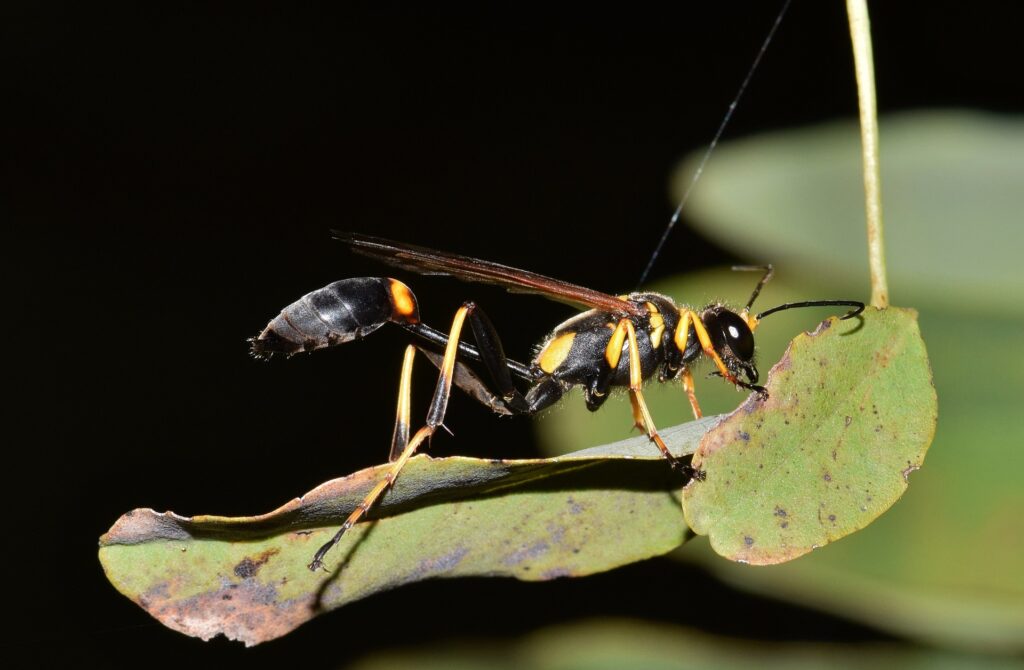
A Close-Up Image Of A Black And Yellow Mud Dauber Wasp (Sceliphron Caementarium) Perched On A Green Leaf. The Wasp'S Slender Body And Long Legs Are Highlighted Against A Dark Background, Showcasing Its Vivid Yellow Patterns And Distinctive Elongated Abdomen.

15 Most Common Household Pests in Tennessee: Homeowners’ Guide

Tennessee’s warm summers and naturally humid conditions make it an active environment for insects and other pests. From suburban neighborhoods to rural properties, pest activity is often influenced by moisture, vegetation, and easy access to shelter. Seeing pests...

Jan 19, 2026
A Close-Up Image Of A Green Grasshopper Perched On A Leafy Plant Stem, Showing Its Textured Body, Long Antennae, And Folded Wings In Sharp Detail.

10 Common Garden Pests in the Midwest​: What Homeowners Should Know

Gardens throughout the Midwest reflect the region’s changing seasons. Along with plants and flowers, these outdoor spaces also support a variety of insect activity. Seeing pests in or around garden areas doesn’t automatically signal a problem. In many cases, it’s a...

Jan 19, 2026
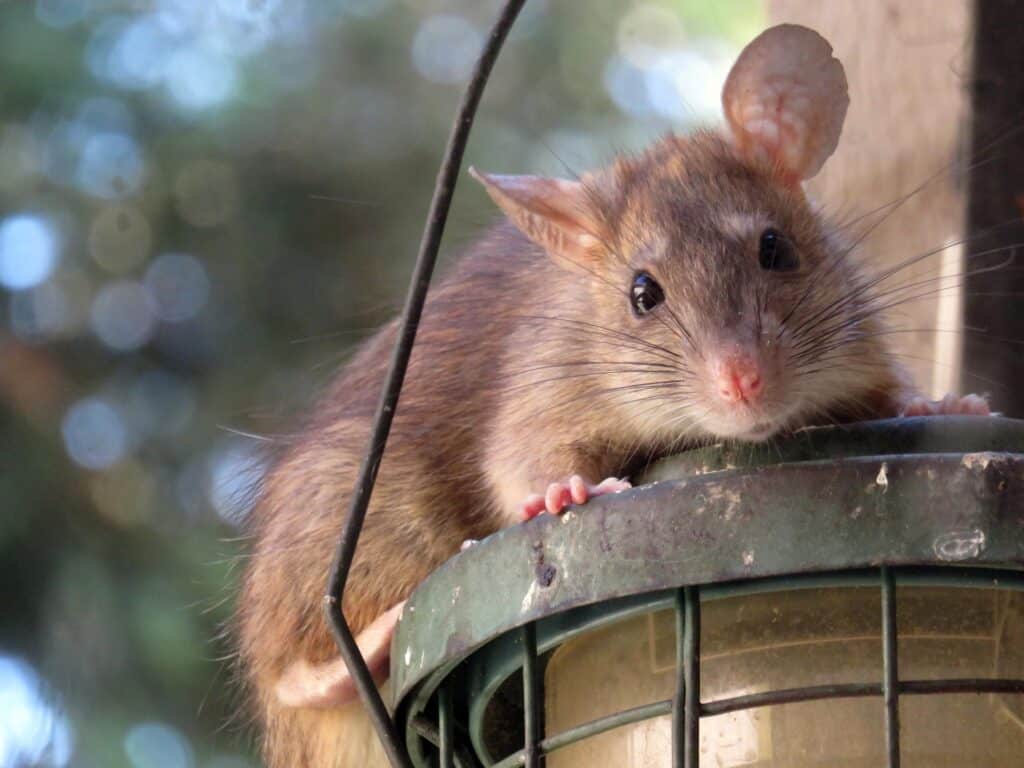
A Close-Up Image Of A Brown Roof Rat Perched On A Weathered Green Metal Lantern, With Its Large Ears, Long Whiskers, And Inquisitive Eyes Facing The Camera. The Background Is Softly Blurred With Dappled Light And Trees.

The Top 5 Most Common Pests in California

California's Mediterranean and semi-arid climates with mild winters, extended warm seasons, and diverse microclimates create ideal conditions for numerous pest species remaining active year-round unlike temperate regions experiencing winter dormancy reducing pest...

Jan 19, 2026
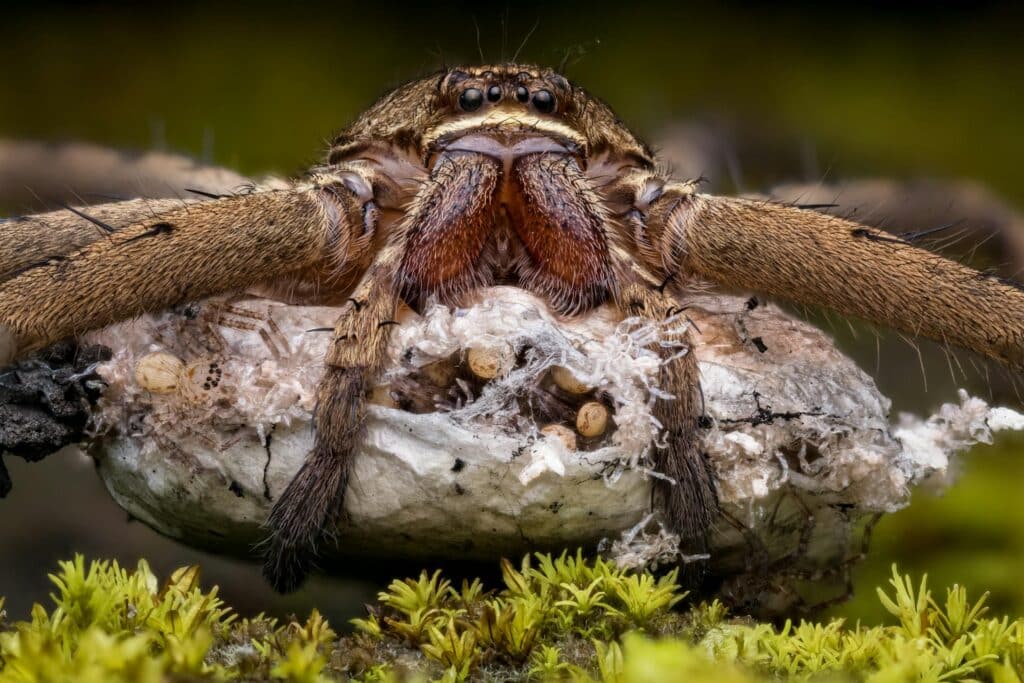
A Close-Up Image Of A Large Spider Guarding Its White Egg Sac With Spiderlings And Unhatched Eggs Inside, Resting On A Mossy Forest Floor.

The Top 10 Most Common Arachnids in the Southeastern U.S.

Warm temperatures, seasonal humidity, and diverse landscapes make the Southeast an ideal environment for a wide range of arachnids. While spotting them indoors can feel unsettling, most species are simply passing through or seeking shelter as conditions change...

Jan 14, 2026
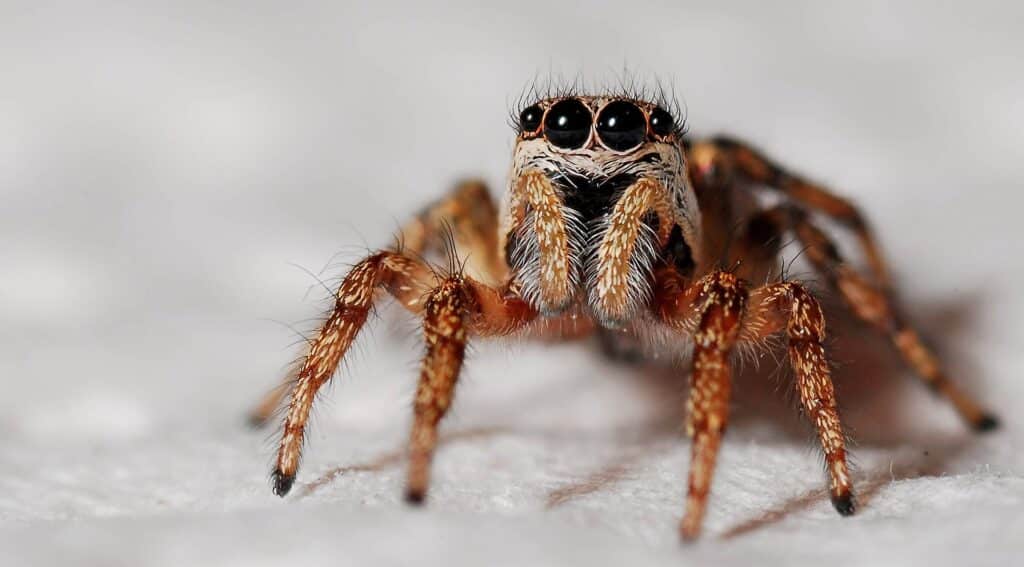
Close-Up Image Of A Jumping Spider With Large, Prominent Eyes, Covered In Fine Hairs, Standing On A White Surface.

The 8 Most Common Pests in Texas and What to Know About Them

Texas hosts an exceptional diversity of pest species due to its vast size, varied climates, and geographic position spanning subtropical Gulf Coast regions to arid western deserts, creating favorable conditions for numerous insects, arachnids, and rodents...

Jan 14, 2026
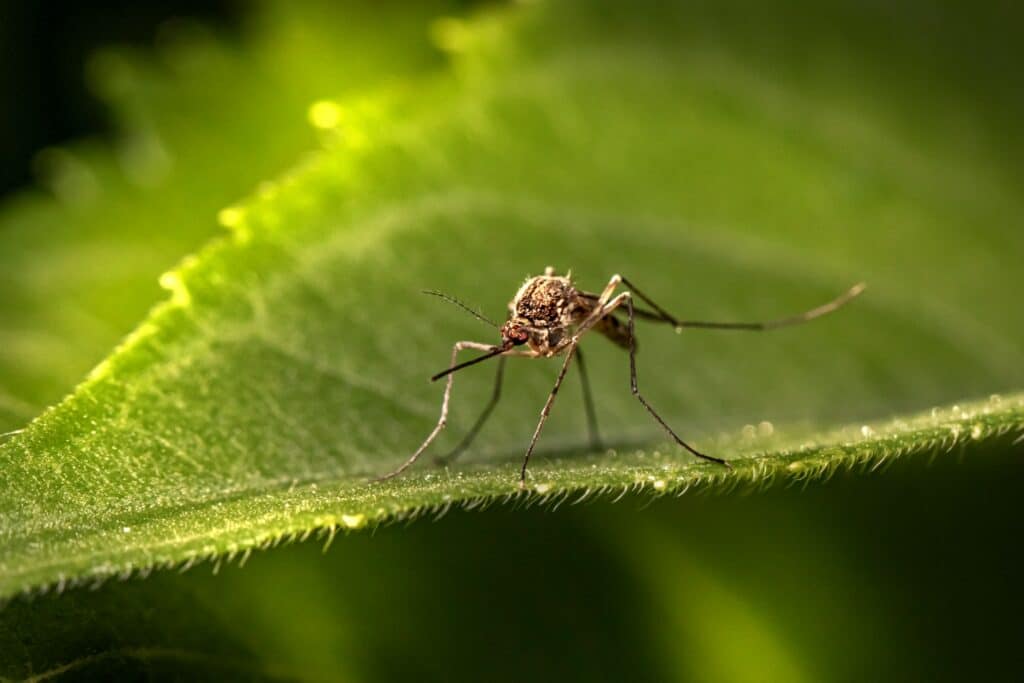
A Close-Up Macro Photograph Of A Mosquito Standing On The Edge Of A Green Leaf, With Detailed Focus On Its Slender Legs, Wings, And Long Proboscis, Surrounded By Softly Blurred Greenery In The Background.

The 7 Most Common Pests in Florida and What to Know About Them

Florida’s warm climate and lush landscapes make it a beautiful place to live, but they also create ideal conditions for pest activity. For many homeowners, seeing insects or rodents around the house isn’t a sign of neglect. It’s simply part of living in a state...

Jan 14, 2026
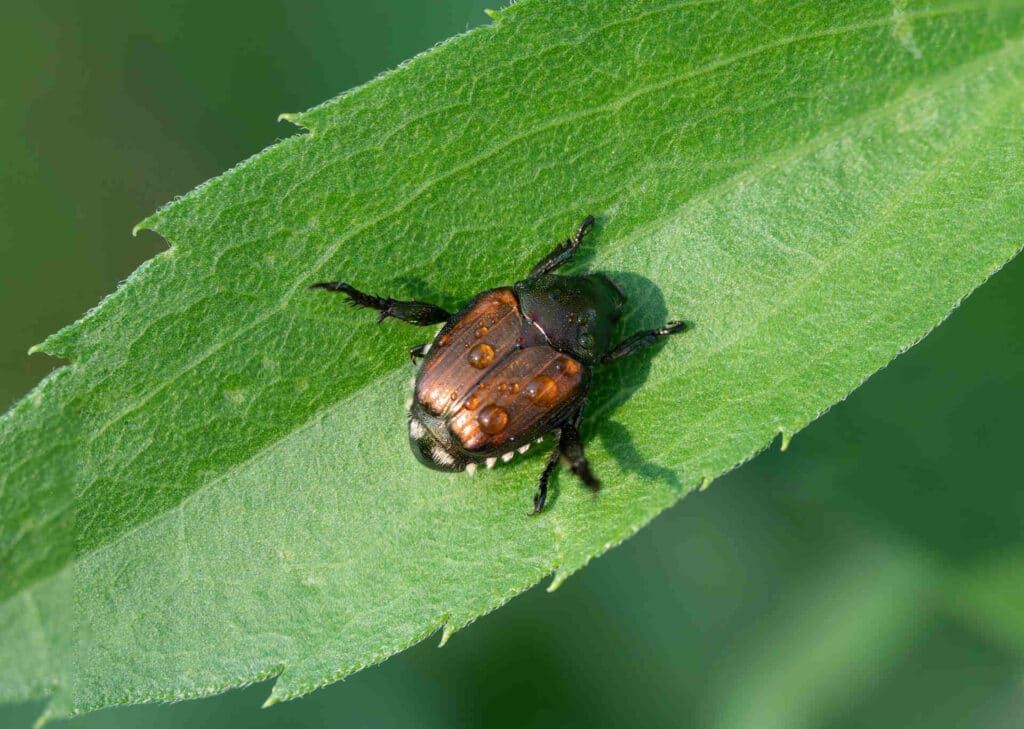
Close-Up Of A Japanese Beetle On A Green Leaf With Dew Droplets On Its Back.

4 Pests Living in Your Garden

When noticing unexplained plant damage, wilting foliage, or mysterious holes in garden leaves, identifying the responsible pests in garden environments is crucial for implementing appropriate control measures and protecting your landscape investment.  Gardens...

Dec 17, 2025
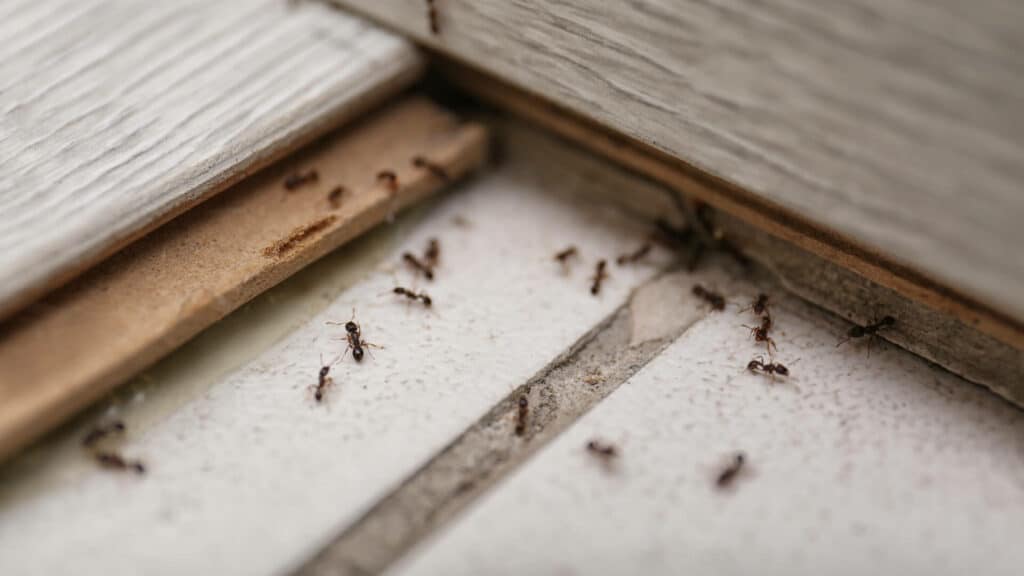
A Close-Up Of Several Small Black Ants Crawling Along The Edge Of A Wooden And Tiled Surface.

4 Insects That Are Hard to Get Rid Of

When experiencing recurring pest problems despite repeated pest control attempts, understanding which insects demonstrate greatest persistence is crucial for implementing appropriate comprehensive strategies rather than ineffective quick fixes.  Certain hard to get...

Dec 17, 2025
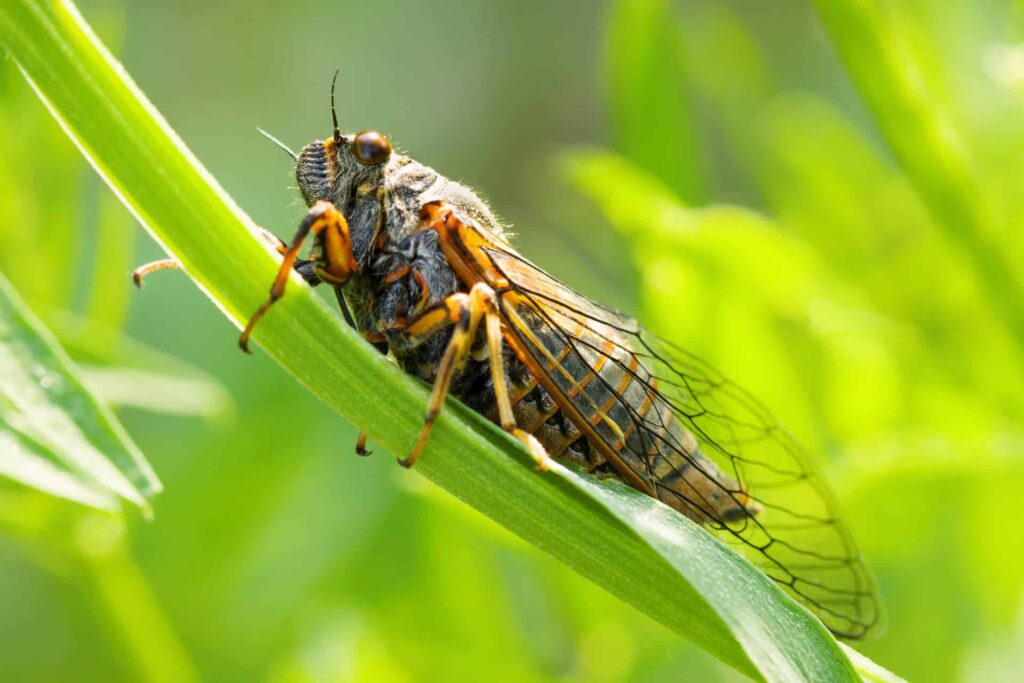
A Detailed Close-Up Of A Cicada Perched On A Green Leaf, Displaying Its Intricate Wings And Textured Body Against A Vibrant, Blurred Background.

What Is the Definition of Insect?

When encountering small arthropods in homes and attempting to identify them for appropriate control measures, understanding the scientific definition of insect is crucial for distinguishing true insects from other superficially-similar creatures requiring different...

Dec 11, 2025

Take back your home with pest control today.