Call Now and Ask About the Winter Deal While it Lasts →

Call Now and Ask About the Winter Deal While it Lasts →

Sign-in to Account
Call Us

(855) 948-5816

aptive_pest_control_lockup-white

Find Service Area

Why are Humans Scared of Bugs?

Written by Aptive Pest Control July 3, 2019

Updated June 12, 2024

Have you ever screamed or run away in terror at the sight of a cockroach or spider? You don’t have to have entomophobia, a.k.a. the phobia of bugs, for insects and spiders to send a shiver down your spine. While most people don’t actually have a phobia of bugs, there are plenty of people who hate bugs and don’t want them anywhere near them. As it turns out, being afraid of bugs is part of being human.

Bugs are Disgusting

The creators of the show, Fear Factor, were onto something when they forced people to eat insects and get into small spaces with bugs. While killer clowns, grizzly bears, or tornadoes make us want to run away in fear for our lives, insects scare us in a different way. Unlike many other threats to our wellbeing, bugs make us feel disgust.

Think back to the last time you were disgusted by something – maybe it was the time you found a moldy sandwich in your kid’s backpack or the time you found a hair in your salad at a restaurant. Either way, you probably felt sick to your stomach. This feeling is what psychologists call the rejection response. The rejection response is a visceral reaction we have to things we find totally revolting, and it is shaped by our culture and biology. Similar to a flight or fight response, the rejection response is meant to protect us. Just as we are disgusted by moldy food or unsanitary dining conditions because it could make us sick, we see the presence of insects as a warning sign that something isn’t safe to consume or touch. Given the strong association between bugs and unsafe conditions, we eventually started seeing bugs as the threat.

Bugs are Weird

As humans, we make sense of the world based on our own experiences and how we view ourselves. It may be narcissistic, but we see the world through our perspective.

As we talked about in our previous blog post on insect intelligence, we believe certain animals are intelligent because they share many of the same cognitive functions as human beings. When we look at some animals (think apes, horses, dogs, or elephants) we see the physical characteristics they have in common with us. We recognize their eyes, faces, limbs, and body language. On the flip side, when we look at insects, we have a hard time relating to them because we don’t see ourselves in them at all.

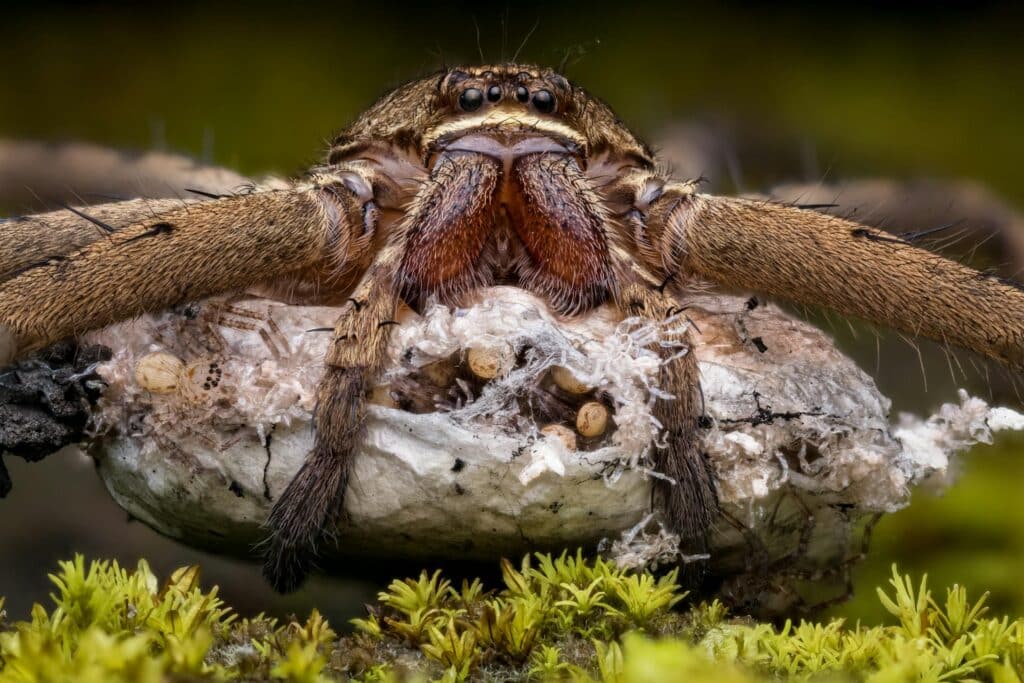
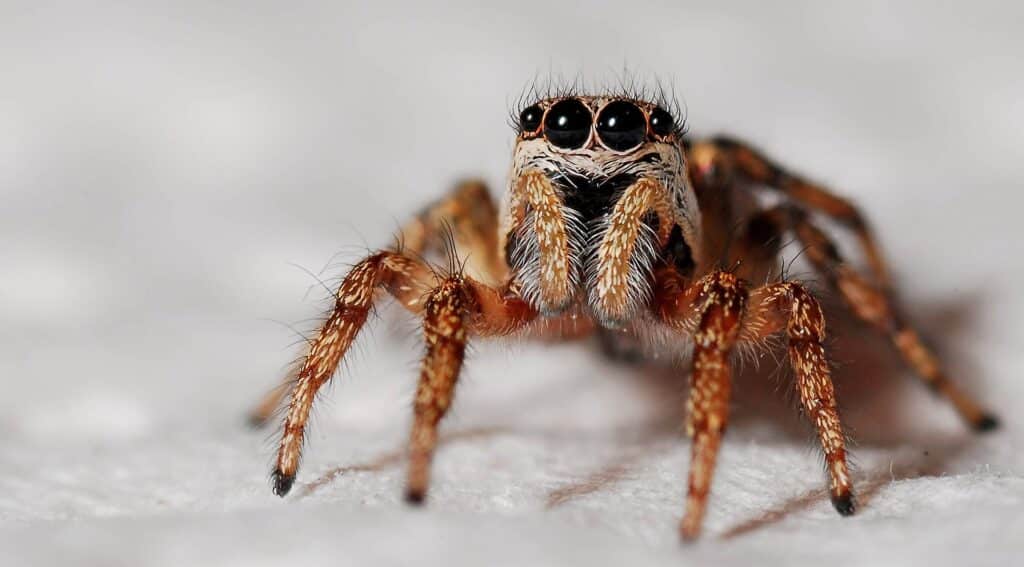
Bugs have way too many legs and eyes. They have pincers and stingers and antenna. They hide in dark corners and can startle us unexpectedly. Not to mention, it’s rarely ever just one single bug we are dealing with, and they are often in places we don’t want them to be – in our closets, in our kitchens, in our bathrooms. Bugs are basically unrecognizable strangers, little aliens or monsters, that hang out in our house uninvited. It makes total sense we find them unsettling. Like the fear of the unknown, we are afraid of what we can’t make sense of.

Bugs can be Harmful

Have you ever heard the saying, “One bad apple spoils the barrel?” The same saying can be applied to insects and bugs. Some bugs bite. Some bugs sting. Some bugs even carry disease. While the majority of bugs are relatively harmless, it only takes one bad one to ruin the bunch.

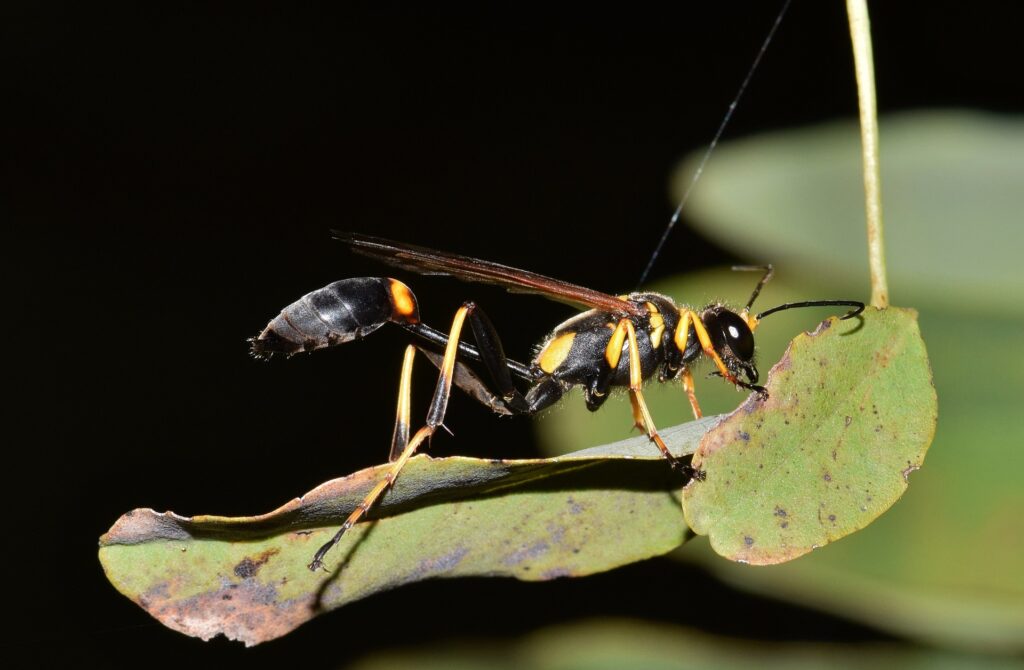
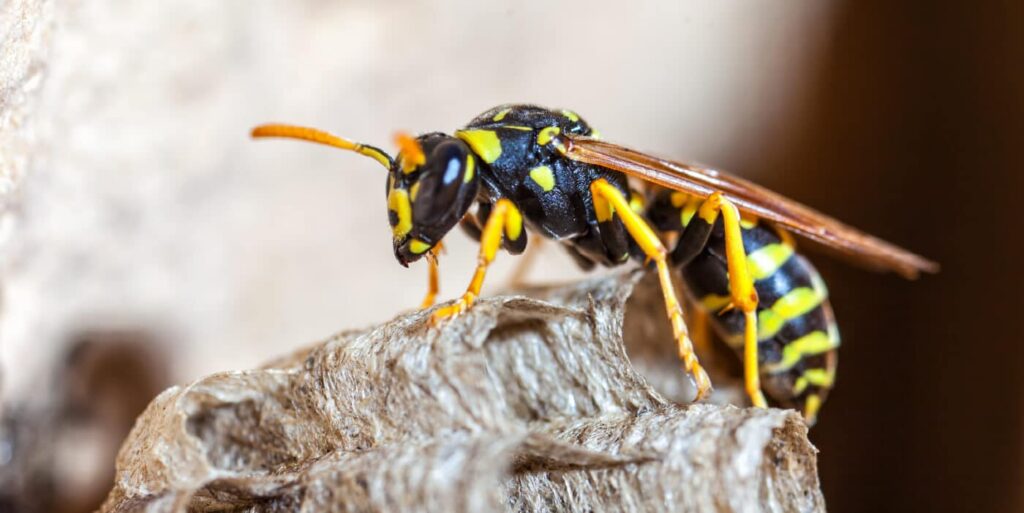
Many people are afraid of bugs for good reason. Some can transmit diseases, such as ticks, while others can cause severe allergic reactions, such as wasps, if they sting you. When we think of spiders, we think of brown recluses and black widows. When we think of stinging insects, we think of wasps and yellow jackets. The association of bugs with ailments and pain frightens us. As a result, we decide that it is best to not only stay away from the dangerous bugs, but to stay away from bugs altogether.

Why are we so afraid of bugs? Is it simply their appearance, their behavior, or the potential harm they can cause? Understanding the origin of our fear, officially known as entomophobia, can be a starting point for many to address and overcome it. While entomophobia—fear of bugs—or more generally, fear of insects, colloquially known as bug phobia, can lead to distressing situations, ranging from mild discomfort to severe panic that disrupts daily life. The fear of bugs crawling on you or the fear bugs may evoke by their presence in our homes and surroundings may seem irrational, but it stems from deeply rooted instincts that signal danger. For those struggling with an extreme fear of bugs, seeking entomophobia treatment or learning how to get over the fear of bugs can offer significant relief. Holistic strategies such as exposure therapy, coupled with a solid understanding of how bugs interact with the environment—that they are often more scared of humans than we are of them—can demystify our fears and help reduce anxiety.

If you’re one of many Americans afraid of bugs, you are definitely not alone. Don’t let bugs and other pests scare you out of the house, call your local Aptive Pest Control branch today.
Curated articles for you, from our pest experts.

A Close-Up Of Several Small Black Ants Crawling Along The Edge Of A Wooden And Tiled Surface.

4 Insects That Are Hard to Get Rid Of

When experiencing recurring pest problems despite repeated pest control attempts, understanding which insects demonstrate greatest persistence is crucial for implementing appropriate comprehensive strategies rather than ineffective quick fixes.  Certain hard to get...

Dec 17, 2025
A Detailed Close-Up Of A Cicada Perched On A Green Leaf, Displaying Its Intricate Wings And Textured Body Against A Vibrant, Blurred Background.

What Is the Definition of Insect?

When encountering small arthropods in homes and attempting to identify them for appropriate control measures, understanding the scientific definition of insect is crucial for distinguishing true insects from other superficially-similar creatures requiring different...

Dec 11, 2025
A Newly Emerged Cicada With Bright Red Eyes Clings To A Small Tree Branch, Next To Its Discarded Exoskeleton. The Cicada’s Translucent Wings And Vibrant Body Contrast Against The Brown Background, Highlighting Its Recent Molt During Metamorphosis.

What Is Insect Molting?

When discovering papery translucent shells on floors, stuck to walls, or hidden in corners, understanding what these remains represent is crucial for recognizing pest activity and assessing infestation severity. Insect molting (ecdysis) is the process whereby...

Dec 11, 2025
A Group Of Small Potted Plants, Including A Fuzzy Cactus, A Green Succulent, And A Taller Reddish Succulent, Arranged On A Windowsill With Sheer Lace Curtains Softly Filtering Daylight In The Background.

What Are Those Tiny White Bugs on Plants?

When discovering small white insects on houseplants or garden plants, accurate identification is crucial for implementing appropriate control measures and preventing widespread damage to plant collections.  Tiny white bugs on plants typically represent one of...

Dec 11, 2025
An Angled View Of An Open Luxury Car Door Revealing A High-End Black Leather Interior With Quilted Stitching, Spacious Rear Seats, And Built-In Entertainment Screens Mounted Behind The Front Seats. The Exterior Of The Vehicle Is Glossy Black With Chrome Wheel Details, Parked Indoors Under Modern Lighting.

Why Do You Have Bugs in Your Car?

When discovering insects in your vehicle, understanding what attracts bugs in car environments is crucial for implementing pest control strategies and eliminating recurring problems.  Cars provide conditions many insects actively seek including shelter from weather...

Dec 11, 2025
A Close-Up Photograph Of A Red Ladybug With Black Spots Crawling Along The Edge Of A Green Leaf, Set Against A Softly Blurred Green Background.

Which Insects Hibernate?

When temperatures drop and insect activity seemingly disappears, understanding how different species survive winter is crucial for predicting seasonal pest patterns and implementing appropriate year-round control strategies.  While true hibernation (prolonged...

Dec 11, 2025
A Newly Emerged Butterfly With Cream And Dark Brown Patterned Wings Hanging From Its Chrysalis, Surrounded By Multiple Green And Brown Pupae On A Horizontal Branch, Against A Blurred Green Background.

What Is Diapause in Insects?

Diapause represents a critical survival strategy that allows insects to endure unfavorable environmental conditions including extreme temperatures, drought, or lack of food by entering a programmed state of dormancy with suppressed metabolism and arrested...

Dec 2, 2025
A Detailed Close-Up Image Of A Dark, Segmented Isopod Crawling On A Bed Of Dry Twigs, Leaves, And Soil. A Smaller Isopod Is Visible Nearby, Both Surrounded By Textured Ground Debris.

What Are Isopods in the Garden?

Isopods are beneficial soil-dwelling crustaceans commonly found in gardens where they play important ecological roles breaking down organic matter and contributing to soil health through their decomposition activities. These armor-plated creatures including...

Dec 2, 2025
A Vibrant Blue Wooden Door Framed By A Terracotta Wall And Surrounded By Cascading Green, Yellow, And Purple Vines, With House Number 5 Above The Entrance And A Small Stone Staircase Visible Inside.

The Importance of Sealing Entry Points Before Winter

You recognize that cooling fall temperatures trigger pest movement from outdoor environments into heated structures, with proper timing of exclusion work proving critical for preventing winter infestations.  Sealing entry points before winter proves important...

Dec 2, 2025
Modern Kitchen With White Cabinets, Stainless Steel Appliances, And A Decorative Tile Backsplash, Featuring A Wooden Tray With Decorative Items On The Countertop.

Why You Keep Finding Cobwebs Even After Cleaning

You remove cobwebs from corners, ceilings, and furniture only to discover new webs appearing within days or even hours, suggesting ongoing spider activity rather than residual old webs from previous occupation. Cobwebs keep reappearing after cleaning because active...

Dec 2, 2025

Take back your home with pest control today.