Call Now and Ask About the Winter Deal While it Lasts →

Call Now and Ask About the Winter Deal While it Lasts →

Sign-in to Account
Call Us

(855) 948-5816

aptive_pest_control_lockup-white

Find Service Area

The Essential New Homeowner’s Inspection Checklist: Key Tips for a Smooth Move-In

Written by Aptive Pest Control November 15, 2024

Congratulations on your new home! Moving into a new space is exciting, but before you get too comfortable, it’s crucial to do a thorough inspection to ensure everything is in top shape. A proactive walkthrough can help you identify and address potential issues early, setting you up for a worry-free transition. Here’s a comprehensive checklist to guide you before and after move-in, giving you peace of mind as you settle into your new space.

Pre-Move-In Checklist: What to Inspect Before You Unpack

1. Check for Pest Entry Points

  • Inspect window frames, door thresholds, and gaps around vents or utility pipes for any openings.
  • Look closely at exterior walls for small holes or crevices where pests, such as mice or ants, could enter.

2. Review Window and Door Frames

  • Look for cracks, warping, or gaps that could allow drafts or serve as pest entry points.
  • Check weather stripping around doors and windows to ensure it’s intact for maximum energy efficiency.

3. Inspect Flooring for Damage

  • Examine floors for loose tiles, warped hardwood, or carpet stains, which may indicate water damage or structural issues.
  • Lift corners of any rugs to check for hidden damage beneath them.

4. Examine Walls and Ceilings

  • Scan for cracks, discoloration, or bulging in walls and ceilings that could indicate settling, water damage, or structural issues.
  • Lightly tap walls to listen for hollow sounds, which may suggest damage beneath the surface.

5. Assess Plumbing Fixtures and Pipes

  • Turn on all faucets and flush toilets to check for leaks, unusual noises, or slow drainage.
  • Look under sinks for signs of water stains or dampness, which could indicate a leak.

6. Survey the Foundation and Exterior

  • Walk around the home’s perimeter to check for cracks in the foundation or siding.
  • Look for soil erosion near the foundation, as this could signal drainage issues that need addressing.

7. Test the Electrical System

  • Flip light switches and test outlets throughout the house to ensure they work properly.
  • Confirm that GFCI outlets are installed in the kitchen, bathrooms, and any other areas near water sources for added safety.

Post-Move-In Checklist: Maintain and Protect Your Investment

1. Monitor for Pests

  • After a few weeks, inspect hidden spots like attics, basements, and garages for signs of pest activity, such as droppings or gnawed materials. If you notice anything unusual, contact a professional pest control service to address potential issues before they escalate.
  • Regular perimeter checks can help prevent infestations, keeping your home comfortable and pest-free.

2. Check HVAC and Ventilation

  • Replace or clean air filters for better air quality and system efficiency.
  • Inspect vents and ducts for dust buildup and ensure there are no obstructions to airflow.

3. Review Safety Equipment

  • Test smoke and carbon monoxide detectors, replacing batteries as needed.
  • Make sure fire extinguishers are accessible, fully charged, and properly placed.

4. Inspect for Changes After Settling

  • Keep an eye on any new cracks that may appear in walls or ceilings as the home settles over time.
  • Notice any unusual drafts or areas with noticeable temperature changes, which may indicate insulation issues.

5. Maintain Plumbing Health

  • Regularly check for any signs of moisture or leaks under sinks, in the basement, and around toilets.
  • Pay attention to water pressure, and listen for any unusual sounds from pipes when the water is turned off.

6. Check Landscaping for Pest Issues

  • Trim back shrubs and tree branches that touch the house, as these can act as pathways for pests. For ongoing protection, a pest control service can help you manage potential outdoor issues before they enter your home.
  • Remove any sources of standing water in your yard to avoid attracting insects and other pests.

Final Thoughts

A thorough inspection of your new home allows you to catch small issues before they become significant problems, giving you a strong foundation for a happy, comfortable future. By staying vigilant and addressing these areas early on, you’re investing in the long-term comfort, safety, and value of your home.

Keep this checklist handy, and remember: whether it’s preventing pests or maintaining your home’s structure, a proactive approach will help ensure your home stays in great condition for years to come.
Curated articles for you, from our pest experts.

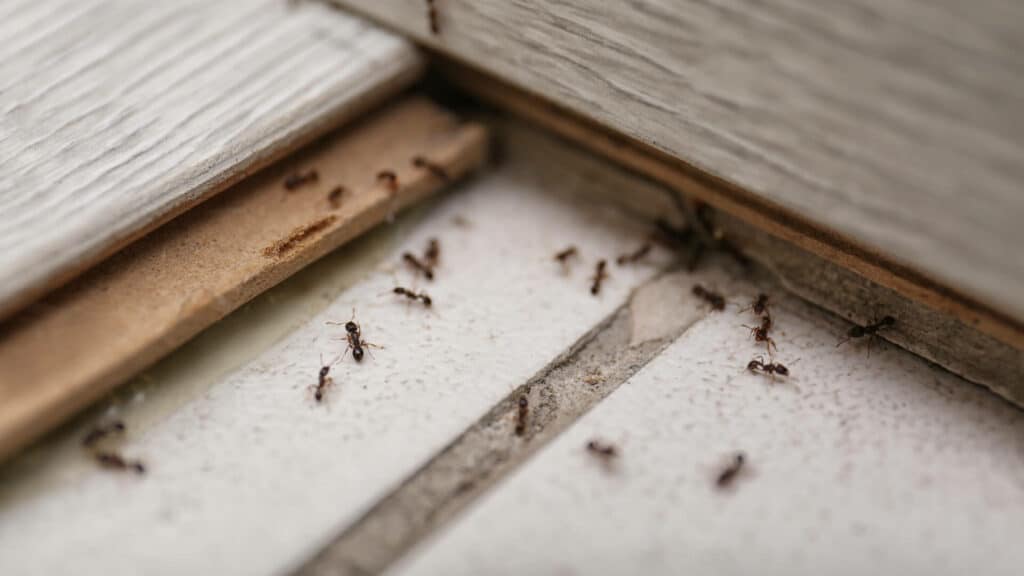
A Close-Up Of Several Small Black Ants Crawling Along The Edge Of A Wooden And Tiled Surface.

4 Insects That Are Hard to Get Rid Of

When experiencing recurring pest problems despite repeated pest control attempts, understanding which insects demonstrate greatest persistence is crucial for implementing appropriate comprehensive strategies rather than ineffective quick fixes.  Certain hard to get...

Dec 17, 2025
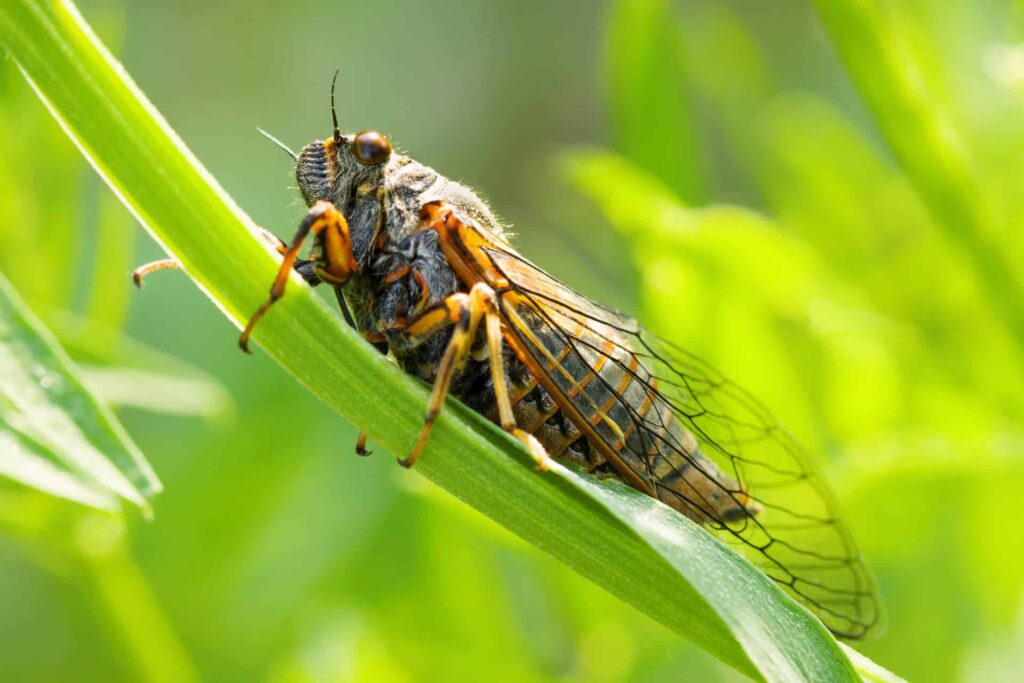
A Detailed Close-Up Of A Cicada Perched On A Green Leaf, Displaying Its Intricate Wings And Textured Body Against A Vibrant, Blurred Background.

What Is the Definition of Insect?

When encountering small arthropods in homes and attempting to identify them for appropriate control measures, understanding the scientific definition of insect is crucial for distinguishing true insects from other superficially-similar creatures requiring different...

Dec 11, 2025
A Newly Emerged Cicada With Bright Red Eyes Clings To A Small Tree Branch, Next To Its Discarded Exoskeleton. The Cicada’s Translucent Wings And Vibrant Body Contrast Against The Brown Background, Highlighting Its Recent Molt During Metamorphosis.

What Is Insect Molting?

When discovering papery translucent shells on floors, stuck to walls, or hidden in corners, understanding what these remains represent is crucial for recognizing pest activity and assessing infestation severity. Insect molting (ecdysis) is the process whereby...

Dec 11, 2025
A Group Of Small Potted Plants, Including A Fuzzy Cactus, A Green Succulent, And A Taller Reddish Succulent, Arranged On A Windowsill With Sheer Lace Curtains Softly Filtering Daylight In The Background.

What Are Those Tiny White Bugs on Plants?

When discovering small white insects on houseplants or garden plants, accurate identification is crucial for implementing appropriate control measures and preventing widespread damage to plant collections.  Tiny white bugs on plants typically represent one of...

Dec 11, 2025
An Angled View Of An Open Luxury Car Door Revealing A High-End Black Leather Interior With Quilted Stitching, Spacious Rear Seats, And Built-In Entertainment Screens Mounted Behind The Front Seats. The Exterior Of The Vehicle Is Glossy Black With Chrome Wheel Details, Parked Indoors Under Modern Lighting.

Why Do You Have Bugs in Your Car?

When discovering insects in your vehicle, understanding what attracts bugs in car environments is crucial for implementing pest control strategies and eliminating recurring problems.  Cars provide conditions many insects actively seek including shelter from weather...

Dec 11, 2025
A Close-Up Photograph Of A Red Ladybug With Black Spots Crawling Along The Edge Of A Green Leaf, Set Against A Softly Blurred Green Background.

Which Insects Hibernate?

When temperatures drop and insect activity seemingly disappears, understanding how different species survive winter is crucial for predicting seasonal pest patterns and implementing appropriate year-round control strategies.  While true hibernation (prolonged...

Dec 11, 2025
A Newly Emerged Butterfly With Cream And Dark Brown Patterned Wings Hanging From Its Chrysalis, Surrounded By Multiple Green And Brown Pupae On A Horizontal Branch, Against A Blurred Green Background.

What Is Diapause in Insects?

Diapause represents a critical survival strategy that allows insects to endure unfavorable environmental conditions including extreme temperatures, drought, or lack of food by entering a programmed state of dormancy with suppressed metabolism and arrested...

Dec 2, 2025
A Detailed Close-Up Image Of A Dark, Segmented Isopod Crawling On A Bed Of Dry Twigs, Leaves, And Soil. A Smaller Isopod Is Visible Nearby, Both Surrounded By Textured Ground Debris.

What Are Isopods in the Garden?

Isopods are beneficial soil-dwelling crustaceans commonly found in gardens where they play important ecological roles breaking down organic matter and contributing to soil health through their decomposition activities. These armor-plated creatures including...

Dec 2, 2025
A Vibrant Blue Wooden Door Framed By A Terracotta Wall And Surrounded By Cascading Green, Yellow, And Purple Vines, With House Number 5 Above The Entrance And A Small Stone Staircase Visible Inside.

The Importance of Sealing Entry Points Before Winter

You recognize that cooling fall temperatures trigger pest movement from outdoor environments into heated structures, with proper timing of exclusion work proving critical for preventing winter infestations.  Sealing entry points before winter proves important...

Dec 2, 2025
Modern Kitchen With White Cabinets, Stainless Steel Appliances, And A Decorative Tile Backsplash, Featuring A Wooden Tray With Decorative Items On The Countertop.

Why You Keep Finding Cobwebs Even After Cleaning

You remove cobwebs from corners, ceilings, and furniture only to discover new webs appearing within days or even hours, suggesting ongoing spider activity rather than residual old webs from previous occupation. Cobwebs keep reappearing after cleaning because active...

Dec 2, 2025

Take back your home with pest control today.