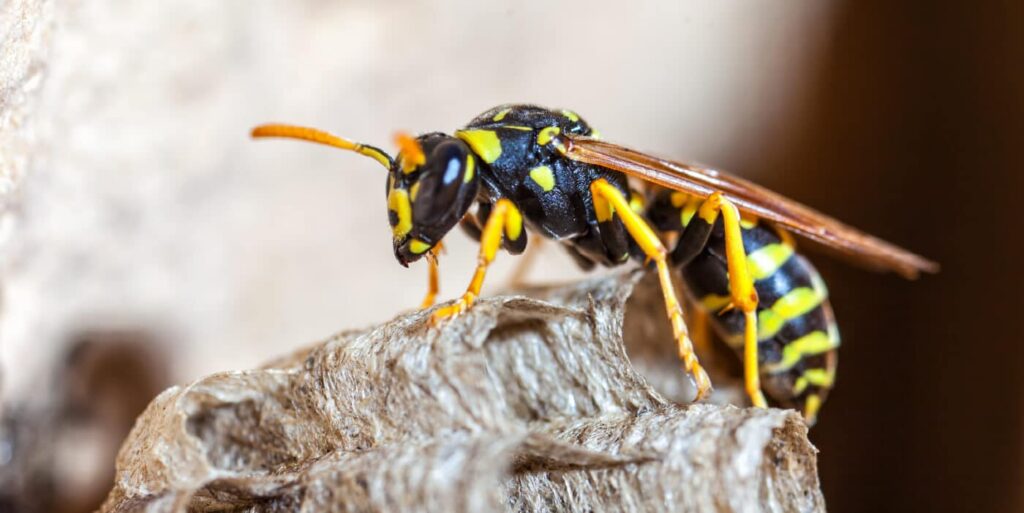
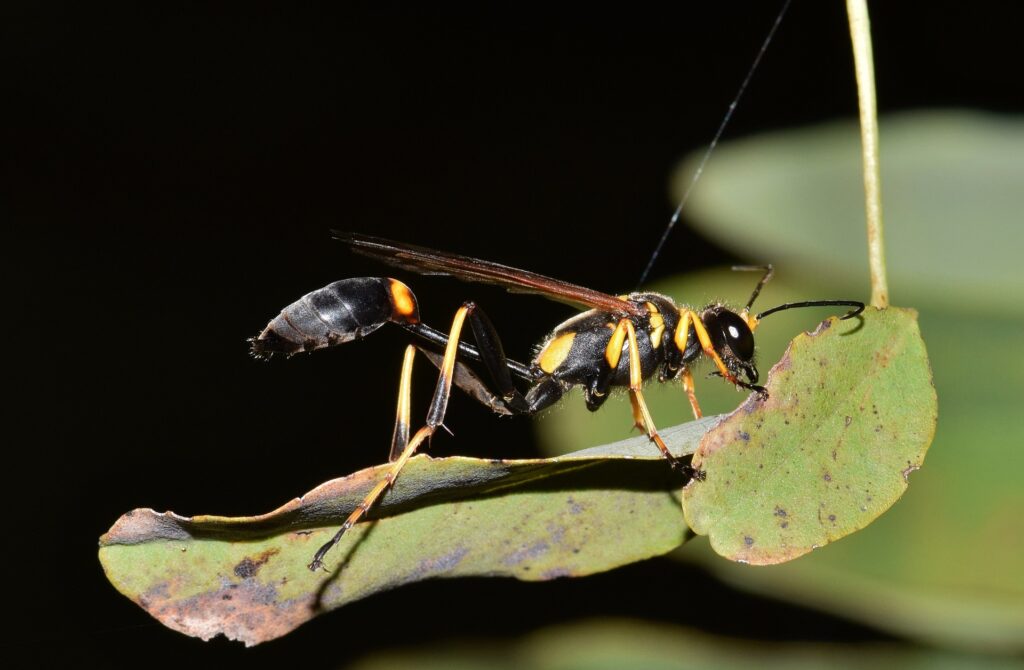
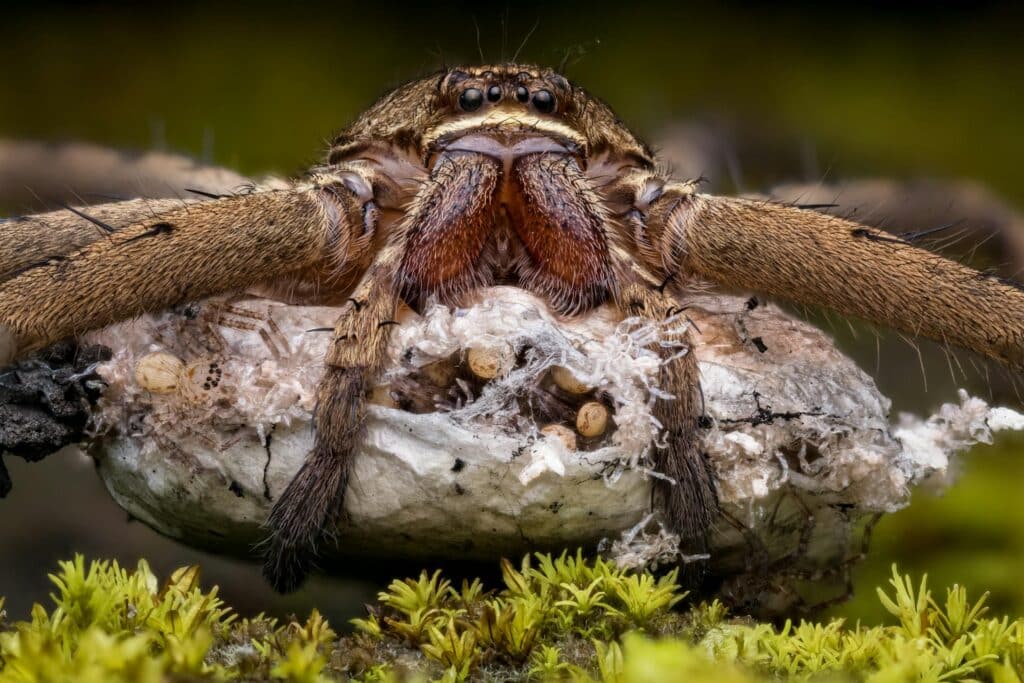
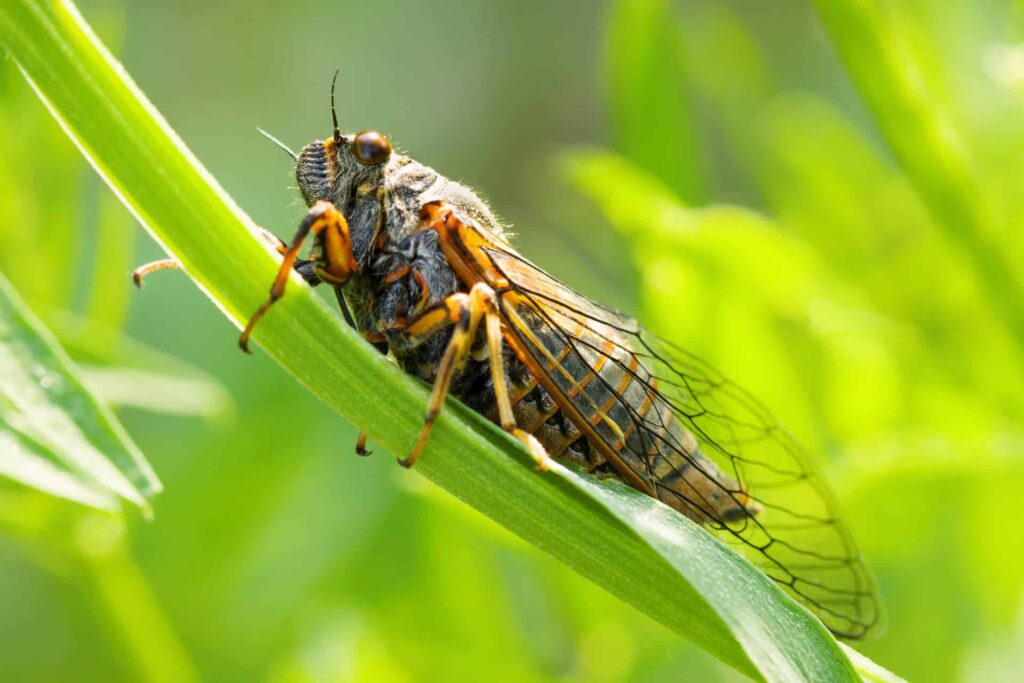
An arthropod may seem like something that is out of this world. And if you’ve never heard of this species, you’re not alone. However, it may be beneficial to learn more about arthropods since you’re most likely around them more than you even know. In fact, the number of living arthropod species is in the tens of millions, making up over three-fourths of all known living and fossil organisms. This shows how successful this species is.
Although they aren’t necessarily a problem, they can be a nuisance if they get out of control in your home. So let’s dive deep into what these creatures are, what accounts for their success, which ones may enter your home, and how to treat them.
Physical Characteristics of Arthropods
Arthropods belong to the phylum Arthropoda, which means “jointed feet,” and includes four living subphylas:
- Chelicerata
- Spiders, mites, and scorpions
- Myriapoda
- Centipedes and millipedes
- Hexapoda
- Insects and a small group of wingless arthropods
- Crustacea
- Lobsters, crabs, barnacles, crayfish, and shrimp
Arthropods are considered the largest phylum of invertebrates. Arthropods can range in length from about 1 millimeter to 13 feet. They have segmented support bodies with a tough exoskeleton (think of an ant’s body). This shell prevents water loss and offers support and protection. Since the exoskeleton doesn’t grow as the insect grows, it must be shed and replaced with a new, larger shell that allows an insect to grow. This process is known as molting.
Arthropods also have jointed limbs. The body segments include the head, thorax, and abdomen. In certain arthropods, the head and thorax are combined together as a cephalothorax.
Common Arthropods You’ll Find in Your Home
Here’s a look at the common arthropods you may find in your home.
Spiders
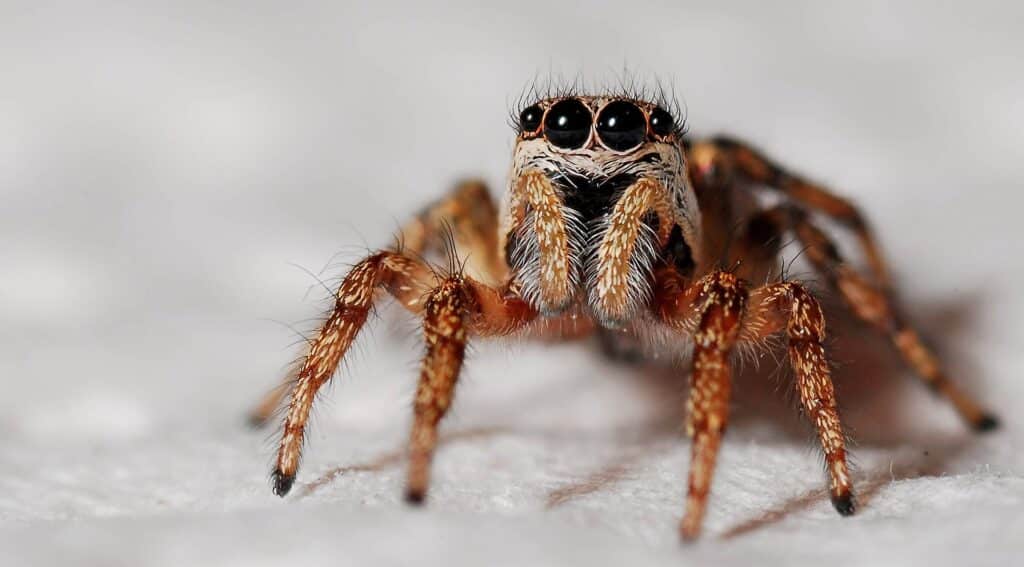
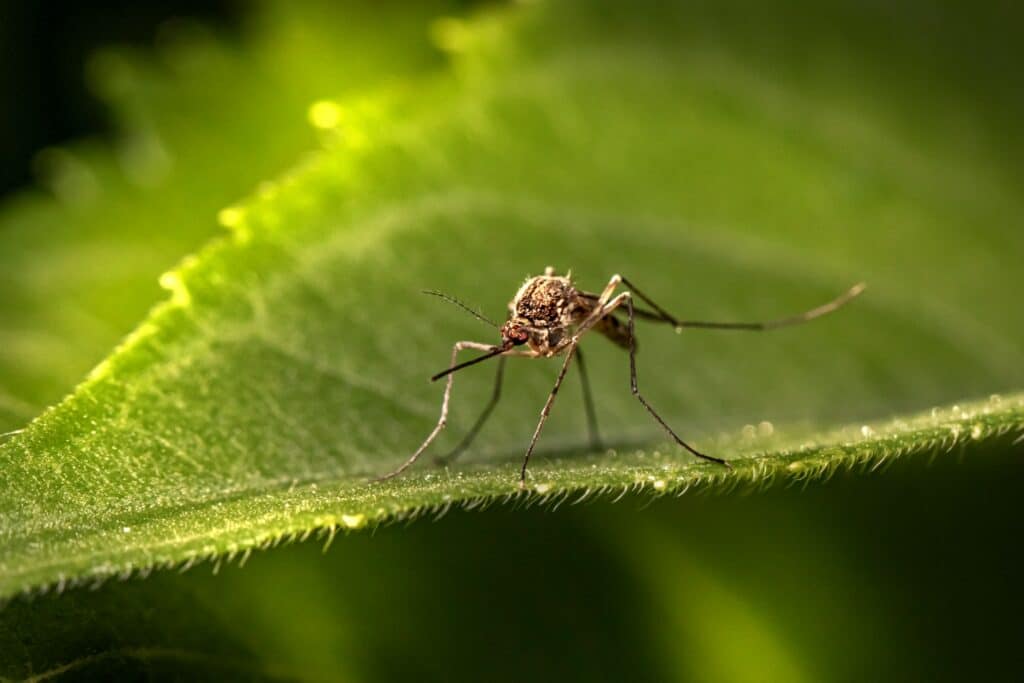
Spiders are one of the most common arthropods on Earth. They’ll enter your home in hopes of finding shelter, water, and food (insects). Although spiders tend to scare people thanks to their creepy appearance, they can serve a beneficial purpose to you and your home because they help eliminate other pests. Taking away spiders will disrupt our entire ecosystem. You’ll see several ripples throughout the food chain. Think about how many extra flies and mosquitos we’d have in the world without them.
Although these arthropods are crucial to our ecosystem, it’s understandable if you don’t want them in your home. To eliminate a spider infestation in your home, you’ll need to hire a professional pest control service. But if you notice a single spider or web, you can either catch and release or vacuum them up.
Cockroaches
Cockroaches are also one of the most common arthropods living on our planet. They’re flat and speedy pests that have long antennae. Roaches are nocturnal arthropods that stay hidden during the day in dark, isolated areas. During the nighttime, they search for food and will eat nearly anything. Not only will they eat all types of human or pet food, but they will eat other items like glue, hair, and soap.
Cockroaches can enter your home from anywhere, but they mostly crawl through cracks, windows, and many other entry points. While cockroaches won’t bite or sting you, they do pose a problem for humans and pets’ health. For example, roaches can transfer diseases and cause respiratory issues in certain people. So keep this in mind if you or a loved one has asthma or a different respiratory illness.
The best way to prevent cockroaches from entering your home is sealing cracks and small openings, keeping a clean home (particularly in the kitchen), and removing clutter. We also recommend fixing any water damage to deter the cockroaches from staying in your home.
Silverfish
Silverfish are nocturnal arthropods that are known for their speed and ability to avoid threats. As one of the oldest insects in the world, they’re dominant at scurrying away from predators and finding hiding spots, which makes them difficult to control. Like other arthropods, silverfish like warm, moist environments. Although they don’t pose a threat to humans, they are known to damage your belongings, including books, boxes, photographs, and clothing. Fortunately, silverfish don’t transmit diseases, but they may irritate you if you have allergies.
If you notice these silvery, fish-like pests in your home, you may want to consider calling a professional pest control company and following a few preventative measures. Make sure to keep food and pet food in airtight containers, clean your home thoroughly, seal all cracks along windows, doors, flooring, and trims, remove excess moisture in damp rooms, and maintain gutters.
Ants
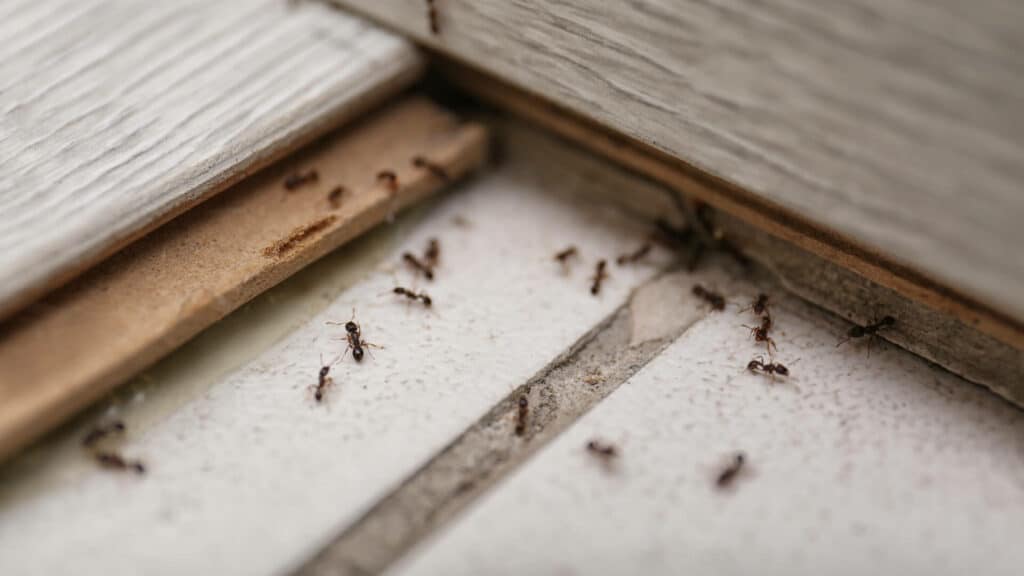
Ants are the most common home invaders. They’re found virtually everywhere, and if you see one, you’re likely to find hundreds or thousands more close by. Because of this, ants are difficult to get rid of with professional ant extermination. As social insects, ants use pheromones and touch to communicate with each other. They walk in a line by following the scent trail left by another ant. A professional ant exterminator will follow this trail to the nest and target the source of the problem.
Ants can enter your home from anywhere. Once they’re in, they can quickly take over your kitchen and destroy your food supply. Certain species of ants can even leave painful yet harmless bites.
If you notice ants taking over your home, you may want to set up ant traps to eliminate them. However, like we previously mentioned, stronger and more effective pest treatments is your best option.
Invasive Species Spotlight: Cockroaches
While many creatures can be considered nuisances, some arthropods, like certain species of cockroaches, are also classified as invasive. Cockroaches, including the well-known American and German varieties, have spread globally and established themselves far beyond their native ranges. These insects adapt quickly to various environments, contributing to their invasive status. In places like the Toledo Zoo, special exhibits sometimes showcase invasive species like cockroaches to educate the public about their impact on local ecosystems and the challenges in managing their populations.
How Aptive can Help
The most important step in controlling arthropods is to remove what is attracting them in the first place. Aptive’s knowledgeable service professional will conduct a thorough inspection of your property and determine why these pests are attracted to your home and yard.
An Aptive pest professional will create a treatment plan based on your home’s needs, and will treat your property with care and respect. Once treated, we’ll conduct a follow-up inspection and apply additional treatments if necessary.
Call Aptive Pest Control to receive a quote and schedule your service today.