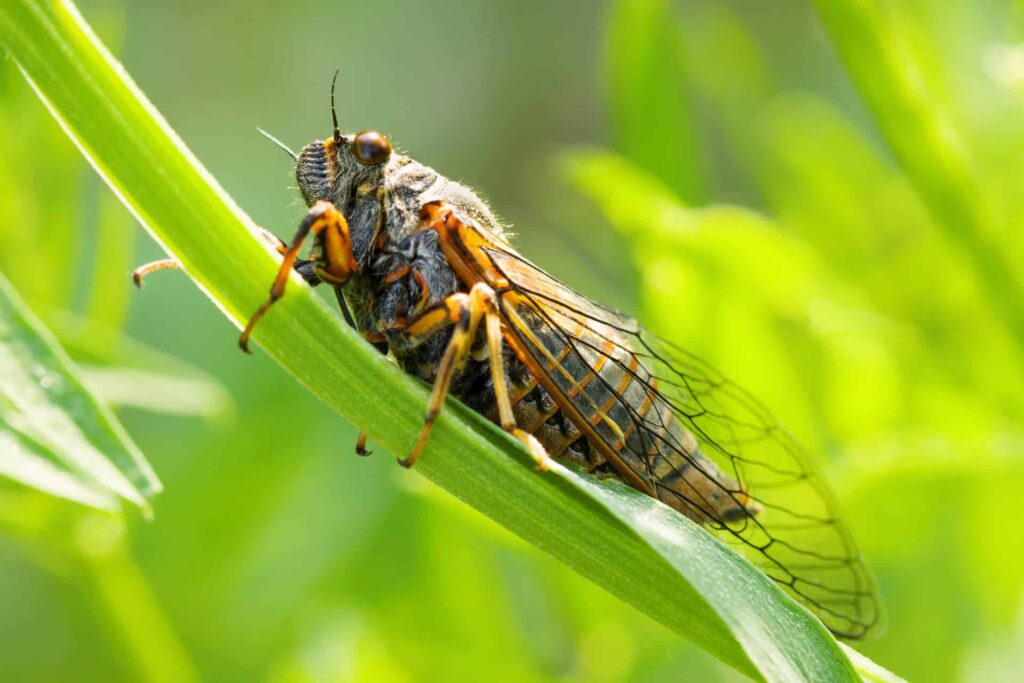
When discovering papery translucent shells on floors, stuck to walls, or hidden in corners, understanding what these remains represent is crucial for recognizing pest activity and assessing infestation severity. Insect molting (ecdysis) is the process whereby arthropods including insects periodically shed their rigid exoskeletons to accommodate body growth, with the shed exoskeleton (exuviae) left behind as visible evidence of development occurring within structures.
Understanding what is molting and recognizing shed skins helps you identify which pest species occupy your property, assess whether populations are actively reproducing and developing indoors, and determine infestation severity based on numbers and locations of shed exoskeletons—information crucial for implementing appropriate control strategies.
What Molting Really Means for Insects
Insects and other arthropods possess external skeletons (exoskeletons) made of chitin and proteins providing structural support, protection, and muscle attachment points. Unlike internal skeletons that grow continuously with organisms, exoskeletons cannot expand or stretch to accommodate growth. This creates a fundamental constraint: insects must periodically shed existing exoskeletons and produce larger replacements enabling continued growth—the process called molting or ecdysis.
The molting process is controlled by hormones including ecdysone triggering molting initiation and juvenile hormone determining whether molt produces another immature stage or adult form. As insects grow, internal tissues produce a new, larger exoskeleton layer beneath the existing one.
After emerging, the new exoskeleton remains soft and pale for hours to days depending on species and size, gradually hardening (sclerotization) and darkening as proteins cross-link creating rigid protective structure. During this vulnerable period, insects typically hide in protected locations avoiding predators and mechanical damage until the exoskeleton hardens sufficiently for normal activity.
How Molting Works Step by Step
Different insect groups demonstrate varying molting frequencies related to their developmental patterns and growth rates. Insects with incomplete metamorphosis (hemimetabolous development) including cockroaches, true bugs, and grasshoppers molt 5-8 times progressing through nymphal stages increasingly resembling adults until final molt produces sexually-mature adults. Insects with complete metamorphosis (holometabolous development) including beetles, flies, and ants molt several times during larval stage, then undergo complete transformation during pupal stage emerging as adults. Most insects cease molting upon reaching adulthood, though some primitive groups continue periodic molting throughout life.
The life stage between molts is called an instar, with first instar referring to newly-hatched individuals and subsequent instars representing progressively-larger developmental stages. Growth rate and molting frequency depend on temperature, food availability, and species-specific factors, with favorable conditions accelerating development and increasing molt frequency while poor conditions extend time between molts.
Which Household Pests Molt Most Often Indoors
Several pest species commonly leave shed exoskeletons in structures, with shed skin characteristics aiding identification.
Cockroaches: Cockroach nymphs molt 6-8 times before reaching adulthood depending on species, with each shed exoskeleton appearing as translucent brown miniature version of adult cockroach complete with legs, antennae, and body segments.
German cockroach nymphs develop through 6-7 instars over 6-12 weeks under favorable indoor conditions, leaving numerous shed skins in harborage areas including behind appliances, inside cabinets, beneath sinks, and in wall voids. High numbers of shed skins indicate active reproduction and population growth within structures.
Bed bugs: Bed bug nymphs molt 5 times progressing through five instars before adulthood, requiring blood meal before each molt. Shed exoskeletons appear as translucent golden-brown empty shells resembling bed bugs but flatter and lighter-colored, accumulating near harborage sites in mattress seams, bed frames, furniture crevices, and wall voids. Heavy accumulations indicate established infestations with ongoing reproduction.
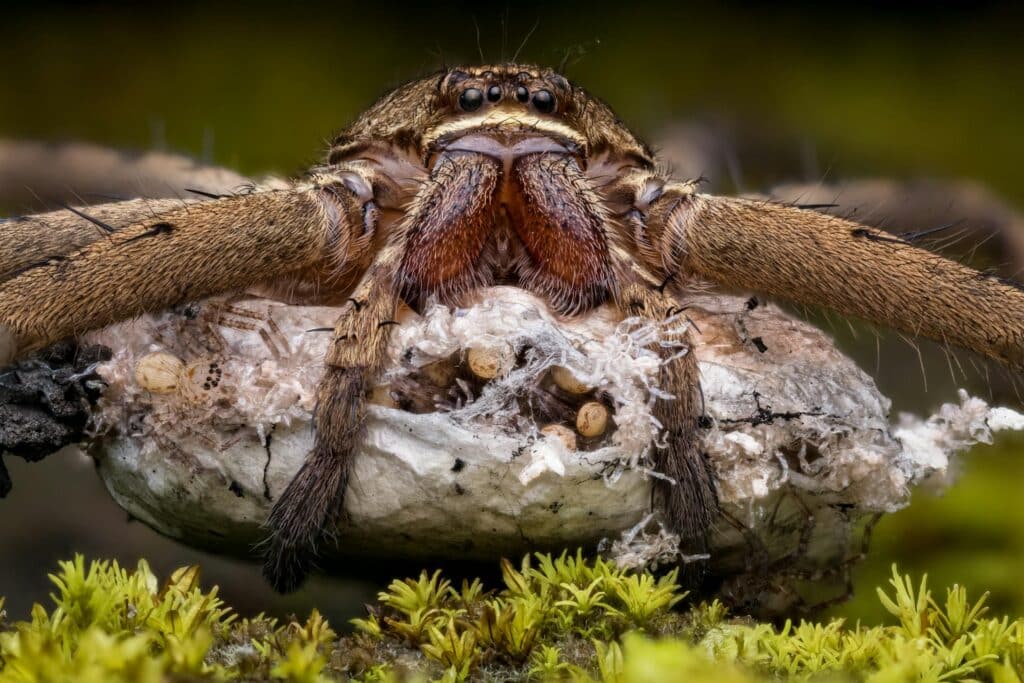
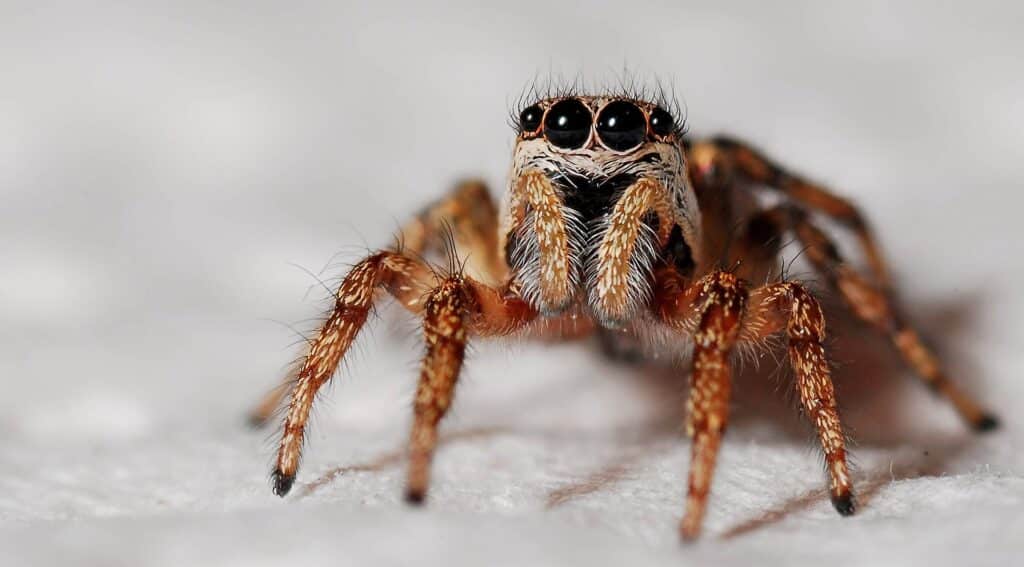
Spiders: While spiders are arachnids rather than insects, they also molt periodically throughout growth. Spiderlings molt 5-10 times before maturity depending on species, with shed exoskeletons appearing as complete spider “shells” including legs. Adult females of some species continue molting periodically throughout life. Shed spider skins accumulate in webs, corners, basements, and other spider activity areas.
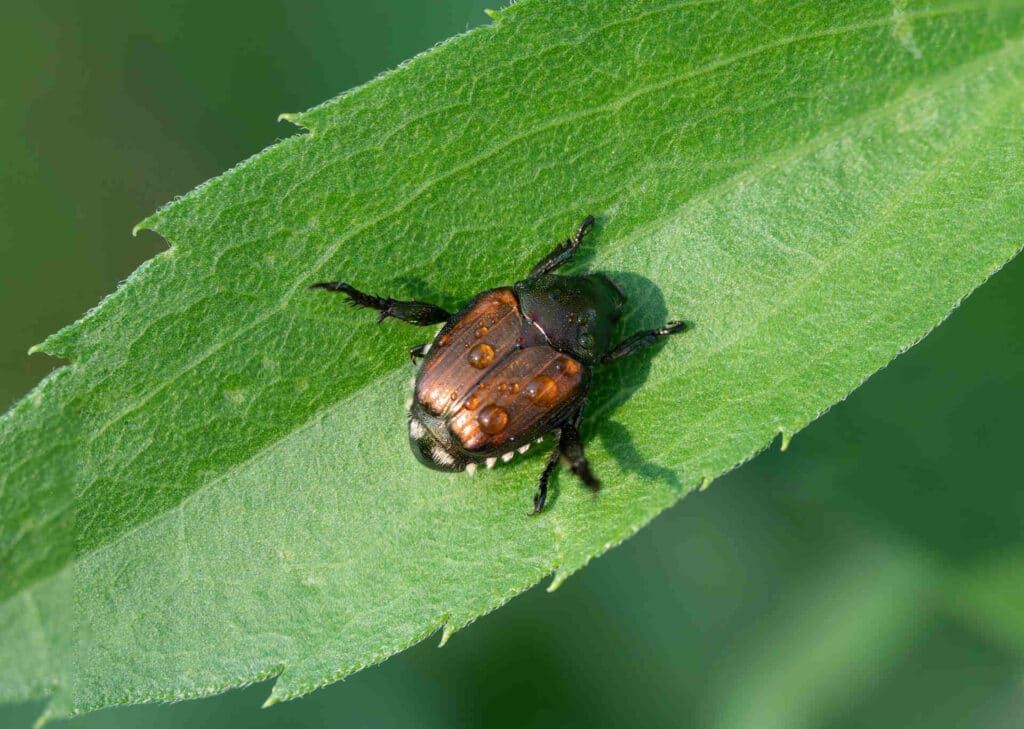
Stored product beetles: Various beetle larvae infesting stored foods including flour beetles, drugstore beetles, and cigarette beetles molt several times during larval development. Shed larval skins may accumulate in infested products appearing as papery white or cream-colored fragments, though they’re often overlooked among other debris.
Silverfish and firebrats: These primitive wingless insects molt continuously throughout life even as adults—unusual among insects. They may molt 50+ times over several-year lifespans, leaving numerous shed skins in areas they frequent including bathrooms, basements, attics, and behind baseboards.
Why Insects Molt More Often Indoors Than You Expect
Indoor environments provide conditions particularly favorable for insect development and molting compared to more-variable outdoor conditions. Stable temperatures maintained by heating and cooling systems enable consistent development rates without weather-related interruptions. Protection from precipitation, wind, and temperature extremes reduces mortality during vulnerable post-molt periods.
Consistent food availability from human food storage, pet foods, and various organic materials supports continuous growth. Reduced predator populations compared to outdoor ecosystems remove major mortality sources that would otherwise limit pest populations.
Specific indoor locations demonstrate particularly high shed skin accumulation reflecting areas where insects feel secure molting. Undisturbed areas including storage spaces, closets, and rarely-accessed rooms provide security during vulnerable periods. Areas near food sources including kitchens and pantries support rapid growth increasing molt frequency.
Signs That Molting Is Happening in Your Home
Discovering shed exoskeletons provides valuable information about pest activity beyond simple presence confirmation. Numbers of shed skins indicate population size and activity level, with single shed skin suggesting limited presence while numerous accumulations indicate established populations.
Fresh shed skins appearing pale, intact, and flexible suggest recent molting and current activity, while old darkened brittle skins may represent past infestations possibly no longer active.
Location patterns reveal harborage and activity areas, with shed skin concentrations indicating where insects feel secure and where control efforts should focus. Species identification through shed skin examination enables appropriate control strategy selection, as different species require different management approaches.
Developmental stage assessment through shed skin size indicates whether populations include only older individuals or continuous reproduction producing all life stages—the latter suggesting established breeding populations requiring urgent intervention.
Take the Next Step
While shed exoskeletons provide valuable clues about pest presence and activity, professional insect pest control inspections can ensure accurate identification and comprehensive assessment. A professional pest control service can recognize subtle characteristics distinguishing shed skins from different species, assess infestation severity based on shed skin numbers and distribution patterns, locate actual harborage sites where living insects reside, and implement appropriate species-specific control strategies.
If you’re discovering shed exoskeletons in your home, observing increasing numbers suggesting growing populations, or uncertain which pest species the shed skins represent, contact Aptive today for a free quote.