You’re settling into bed for the evening when a distinct clicking sound from directly above interrupts the silence, followed by what sounds like small footsteps moving across your ceiling. These mysterious nocturnal disturbances repeat with frustrating regularity, always beginning shortly after you turn off the lights and continuing intermittently throughout the night.
This unsettling scenario highlights why understanding ceiling noise sources becomes crucial for determining appropriate responses and maintaining peace of mind. Mysterious nighttime sounds often indicate either harmless building behavior or active pest problems that require immediate attention, making accurate identification essential for effective resolution and pest control planning.
Understanding the Types of Noises at Night
Different ceiling noise sources produce distinctive sound signatures that enable identification when analyzed systematically according to timing, frequency, and acoustic characteristics.
Structural sound patterns: Building materials produce irregular, sporadic sounds that correlate with temperature changes and environmental conditions. These noises typically occur during transition periods including sunset cooling, sunrise warming, and weather front passages when thermal expansion and contraction reach peak rates. Structural sounds rarely follow consistent patterns and tend to be brief, isolated events.
Mechanical system indicators: HVAC equipment creates rhythmic sounds that correspond to heating and cooling cycles, with consistent timing intervals and predictable durations. Ductwork expansion produces metallic tapping or clicking that follows system operation schedules. These sounds demonstrate clear correlations with thermostat settings and seasonal usage patterns.
Biological activity signatures: Living organisms produce sounds with purposeful movement patterns, directional progression, and behavioral consistency that structural sources cannot replicate. Pest-related sounds often show activity clustering during specific hours, movement along established pathways, and responses to environmental stimuli including lighting and human activity.
Volume and intensity variations: Structural noises typically remain consistent in volume and character, while biological sounds may vary based on population size, reproductive activity, and territorial behaviors. Progressive increases in sound intensity often indicate pest population growth or territorial expansion.
Possible Structural Causes
Building systems and materials create various nighttime sounds through normal operation and thermal responses that can be mistaken for pest activity when not properly understood.
Thermal expansion and contraction: Wood framing, metal ductwork, and composite materials expand and contract at different rates as temperatures change throughout daily cycles. These movements create audible clicks, pops, and creaking sounds that intensify during rapid temperature transitions. The sounds typically occur in building areas with largest temperature differentials and longest structural spans.
HVAC system operations: Heating and cooling equipment cycles create pressure changes in ductwork that produce clicking, tapping, and whooshing sounds as metal expands and contracts. Damper movements, fan startups, and airflow changes generate mechanical sounds that may seem irregular but actually follow system programming patterns.
Plumbing system activities: Water hammer effects from closing valves, thermal expansion in hot water lines, and pressure changes from automatic systems create clicking and tapping sounds that travel through ceiling cavities. These sounds often correlate with hot water usage patterns and scheduled system operations.
Settlement and building movement: Structural settling produces occasional sounds as materials adjust to load changes, moisture variations, and foundation movements. New construction and homes with recent renovations may experience increased settling sounds during the first few years after completion.
Sounds That Suggest Movement
Various pest species create characteristic ceiling sounds through movement, feeding, and territorial behaviors that distinguish their activity from structural building noises.
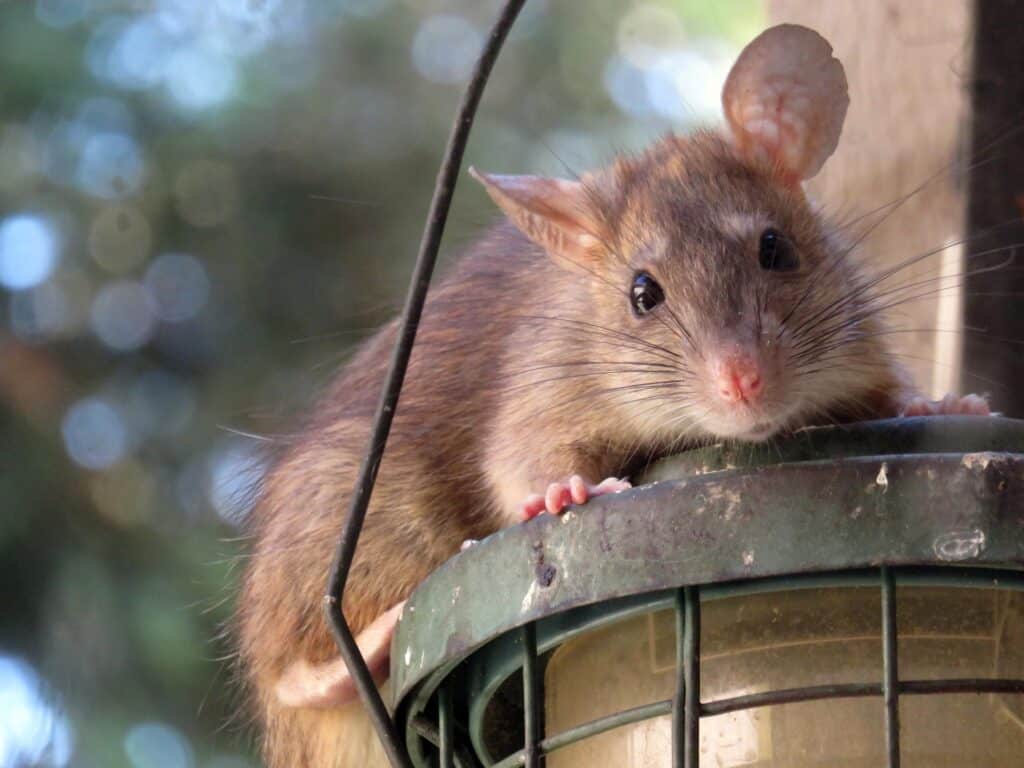
Rodent activity patterns: Mice and rats produce scratching sounds as they navigate through insulation, chewing noises when gnawing materials, and thumping sounds during rapid movement across ceiling joists. Their activity typically begins shortly after dark and may continue throughout night hours with peak intensity between midnight and 4 AM.
Insect colony behaviors: Large termite colonies create clicking sounds as workers communicate through head-banging behaviors against wood surfaces. Carpenter ants produce clicking and rustling sounds while excavating galleries in wooden structural elements. These sounds often occur in consistent locations and may intensify during reproductive seasons.
Bird and wildlife intrusions: Birds trapped or nesting in ceiling cavities create scratching, fluttering, and clicking sounds along with vocalizations during dawn and dusk activity periods. Squirrels and other wildlife produce more dramatic sounds including rolling, jumping, and chewing that typically occur during daylight hours rather than nighttime.
Bat roosting activity: Bats create high-frequency clicking sounds through echolocation calls plus scratching and movement sounds during entry and exit activities. Their activity patterns typically correlate with sunset emergence and dawn return behaviors, with minimal activity during mid-night hours.
When It’s Definitely a Pest
Systematic investigation approaches enable accurate identification of ceiling sound sources while gathering information needed for appropriate intervention decisions.
Documentation and monitoring: Record sound timing, duration, intensity, and location details over several days to establish patterns that distinguish between source categories. Audio recordings can preserve sound characteristics for professional analysis when direct identification proves difficult.
Visual inspection priorities: Examine accessible ceiling areas including attic spaces, crawl areas, and utility access points for physical evidence including droppings, gnaw marks, nesting materials, or structural damage. Check around HVAC equipment, plumbing penetrations, and electrical installations for mechanical issues.
Environmental correlation testing: Monitor sound occurrence relative to temperature changes, system cycling, and human activity patterns to identify correlating factors. Test responses to environmental modifications including lighting changes and noise generation to assess behavioral responses.
Professional assessment benefits: Experienced technicians can identify subtle sound characteristics and correlate multiple evidence types to provide definitive source identification. Professional equipment enables access to inaccessible areas and detection of evidence that escapes routine observation.
Need a Professional Pest Control Company?
When dealing with persistent or concerning ceiling sounds that resist identification, Aptive’s pest control experts can help. Our pest control service will perform a detailed inspection to assess the situation and develop a customized treatment plan based on sound patterns reported and physical evidence discovered in ceiling and attic areas.
If you’re experiencing persistent ceiling sounds that suggest pest activity or cannot identify the source despite investigation efforts, contact Aptive today for a free quote.
FAQs About Pests in Your Ceiling
Here are some commonly-asked questions from homeowners about hearing noises from pests in the ceiling at night.
Q: How can I tell if ceiling clicking is from pests or a building settling?
Pest sounds typically show consistent timing patterns, directional movement, and responses to environmental changes, while structural sounds occur randomly during temperature transitions. Record the timing and characteristics of sounds over several nights–pest activity usually peaks between sunset and sunrise with predictable patterns, while building settlement sounds correlate with temperature changes and occur sporadically.
Q: Should I be worried about occasional clicking sounds in my ceiling?
Occasional, irregular sounds during temperature changes are typically harmless building responses, but consistent nightly sounds or patterns that intensify over time warrant investigation. If sounds follow predictable timing, show directional movement, or occur in the same locations repeatedly, this suggests pest activity requiring attention.
Q: Can small pests really make audible sounds in ceilings?
Yes, even small pests like mice and insects can create surprisingly audible sounds in ceiling cavities due to sound amplification effects from hollow spaces and resonance through building materials. Mice scratching through insulation or gnawing materials creates distinct sounds that transmit through drywall and structural elements. Large termite colonies produce clicking communications that become audible when colonies reach substantial sizes.