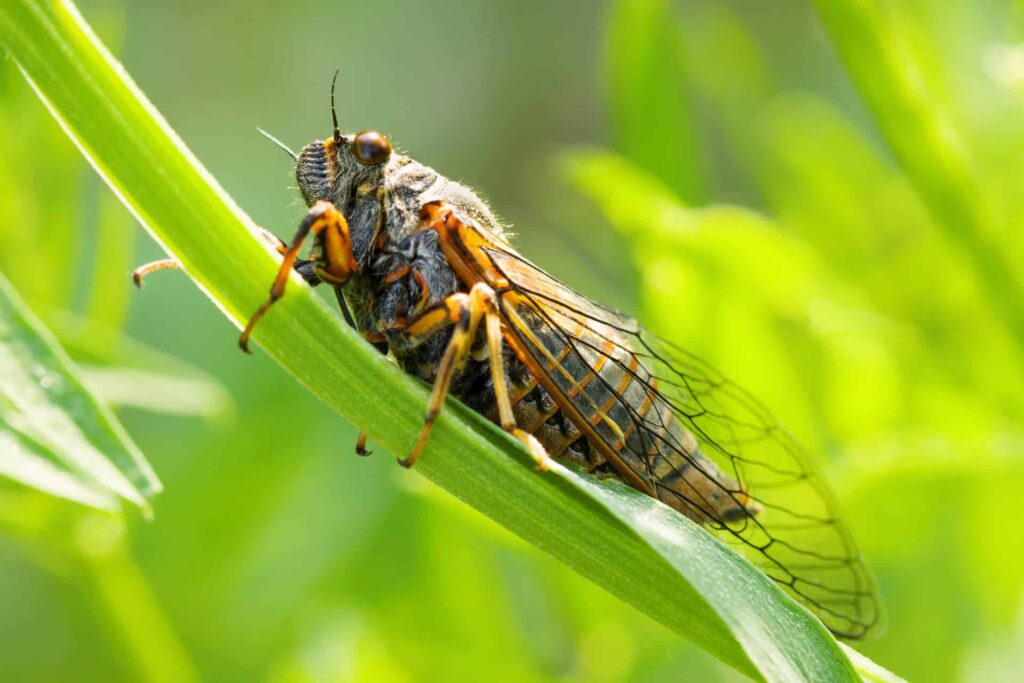
When temperatures drop and insect activity seemingly disappears, understanding how different species survive winter is crucial for predicting seasonal pest patterns and implementing appropriate year-round control strategies.
While true hibernation (prolonged dormancy with dramatically reduced metabolism seen in mammals) doesn’t occur in insects, many species employ analogous survival strategies including diapause—a programmed developmental arrest with reduced metabolic activity—overwintering in protected locations and surviving cold months as cold-tolerant life stages including eggs or pupae.
Understanding which insects hibernate or more accurately enter dormancy helps you recognize why certain pests appear indoors during winter, predict when spring activity will resume, and implement timely pest control in winter addressing populations before they become active.
Do Insects Really Hibernate?
Insects employ diverse physiological and behavioral adaptations enabling winter survival in temperate climates where freezing temperatures would otherwise prove lethal. Diapause represents the primary strategy—a genetically-programmed dormant state triggered by environmental cues.
Beyond diapause, insects employ behavioral strategies including migration to warmer regions (monarch butterflies), seeking protected microhabitats maintaining above-freezing temperatures (leaf litter, soil, tree bark, building structures), and timing life cycles so winter occurs during cold-tolerant stages (eggs, pupae) while vulnerable stages (adults, larvae) occur during favorable seasons.
Which Insects Hibernate or Enter Winter Dormancy?
Here are several types of insects that are known to hibernate or enter winter dormancy.
1. Ladybugs (Ladybird Beetles)
Native and introduced ladybug species demonstrate pronounced aggregation behavior seeking protected overwintering sites. In fall, adults gather in large clusters (sometimes thousands of individuals) in natural locations including under bark, in rock crevices, and within leaf litter, or increasingly in human structures including attics, wall voids, and window frames.
Asian lady beetles (Harmonia axyridis) particularly invade structures in large numbers creating nuisance problems as they seek overwintering sites then occasionally emerge on warm winter days. They enter diapause surviving without food until spring when they disperse to begin feeding and reproduction.
2. Ants
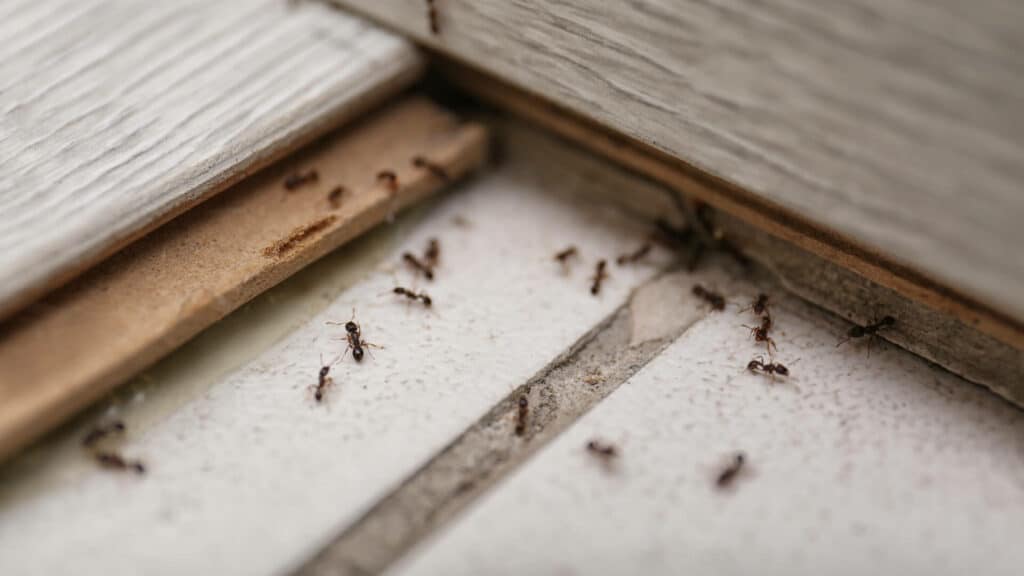
Most ant species reduce activity dramatically during winter, with colonies retreating to deep protected locations including soil below frost lines, rotting logs, and building wall voids.
Workers cluster around queens and broods maintaining warmth through metabolic heat in insulated locations. Carpenter ants, odorous house ants, and pavement ants common in structures remain alive but largely inactive during cold months, resuming activity when temperatures rise. Colonies in heated buildings may remain somewhat active year-round though still demonstrating reduced winter activity.
3. Flies
Multiple fly species overwinter in various life stages. Cluster flies (Pollenia species) enter structures in fall seeking protected overwintering sites in attics, wall voids, and upper floor rooms where adults enter diapause. House flies may overwinter as larvae or pupae in protected locations, occasionally with adults surviving in warm buildings. Face flies and blow flies demonstrate similar patterns. These flies occasionally emerge on warm winter days creating temporary indoor nuisance problems before returning to dormancy.
4. Cockroaches
While tropical-origin pest cockroaches including German and American cockroaches cannot survive freezing temperatures, they persist in heated structures year-round. Their activity may slow somewhat during winter particularly in cooler building areas like basements, but established indoor populations continue reproducing given adequate warmth. Native outdoor cockroach species overwinter as nymphs or adults in protected locations including deep leaf litter and under bark, entering diapause until spring.
5. Mosquitoes
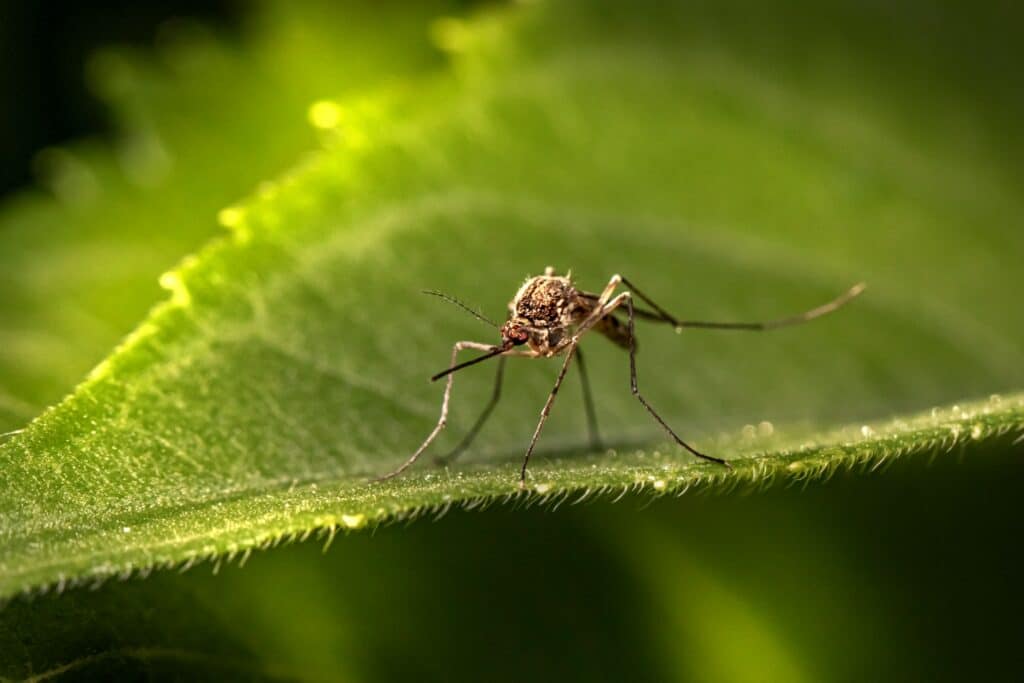
Different mosquito species overwinter in different life stages. Some species including many Culex mosquitoes overwinter as mated adult females entering diapause in protected locations including caves, hollow trees, basements, and garages. Other species including many floodwater mosquitoes overwinter as cold-tolerant eggs laid in locations that will flood during spring, with eggs hatching when temperatures rise and water becomes available. Some species overwinter as larvae in permanent water bodies.
6. Spiders
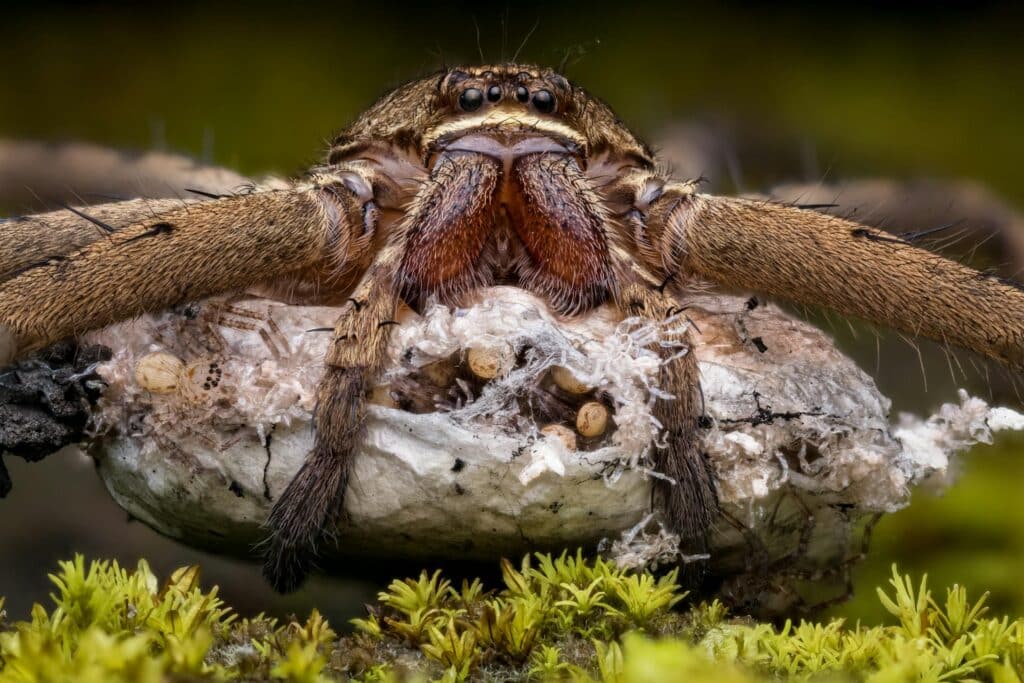
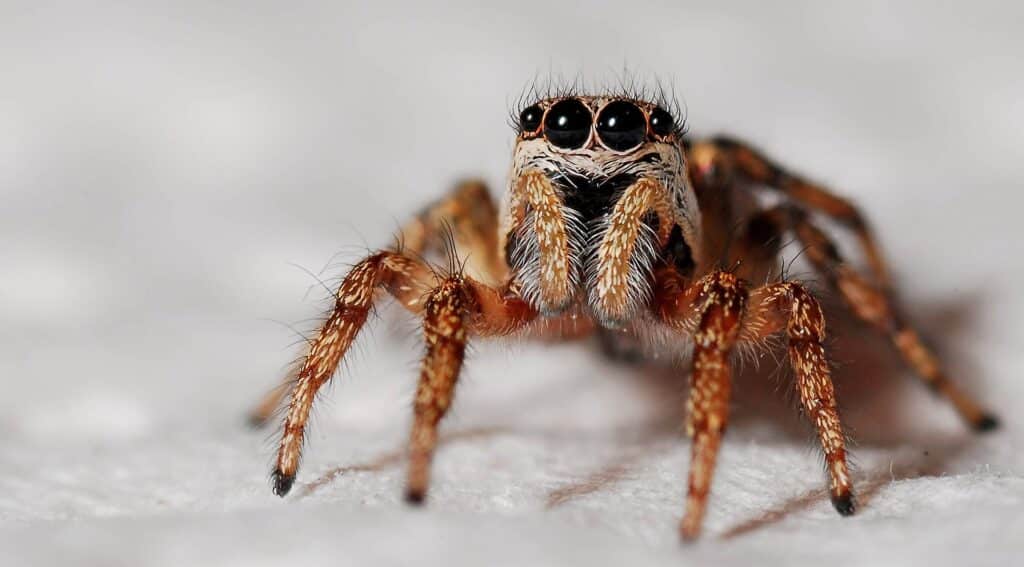
While arachnids rather than insects, spiders deserve mention given similar overwintering behaviors. Many species overwinter as eggs in protective silk sacs, spiderlings or juveniles in leaf litter or protected structures, or adults in sheltered locations. Indoor house spiders remain active year-round in heated buildings while outdoor species enter dormancy.
Why Some Pests Move Indoors During Winter
Human structures provide attractive overwintering sites combining protection from weather extremes, stable moderate temperatures from heating systems, and numerous entry points and protected spaces. Buildings essentially function as artificial caves or hollow trees—natural overwintering sites insects evolved to exploit—explaining their persistent invasion despite human exclusion efforts.
Common indoor overwintering locations include attics providing protection with minimal heating, wall voids offering protected spaces between interior and exterior temperatures, basements maintaining stable cool temperatures, window frames and door gaps providing entry and protection, and various cracks and crevices throughout structures. Insects detect these locations in fall responding to cooling temperatures and shortening days triggering overwintering site-seeking behavior.
Not all indoor winter insect presence represents overwintering behavior. Some species including German cockroaches, certain ant species, and house spiders thrive in heated buildings year-round without entering dormancy, while others appear indoors accidentally seeking shelter without specific overwintering behavior.
How This Affects Pest Control in Winter
A professional pest control service addresses overwintering populations, can recommend exclusion to prevent future invasions, and develops comprehensive year-round strategies recognizing seasonal activity patterns.
If you’re experiencing indoor insect activity during winter months, observing fall invasions suggesting overwintering behavior, or wanting to prevent seasonal pest problems, contact Aptive today for a free quote.