You’re preparing dinner in your kitchen when movement above catches your attention—a small insect dropping from the recessed light fixture directly onto your cutting board. Over the following weeks, this unsettling pattern repeats with increasing frequency, leaving you puzzled about how bugs could be originating from what should be a sealed lighting system.
This scenario illustrates why bugs emerging from recessed lighting often indicate broader pest problems developing in attic spaces, ceiling voids, and structural areas that remain hidden from routine inspection. Understanding the relationship between lighting fixtures and pest activity helps homeowners identify underlying infestation sources requiring comprehensive pest control approaches targeting both visible symptoms and concealed breeding populations.
How Insects End Up in Light Fixtures
Recessed lighting installations create multiple pathways that enable pest access between concealed structural spaces and interior living areas through gaps and openings that may remain invisible during normal use.
Installation gap vulnerabilities: Most recessed fixtures require clearance gaps between the housing and surrounding drywall to accommodate thermal expansion and installation tolerances. These gaps, often measuring only millimeters wide, provide sufficient space for most household pest species to access fixture housings. Trim ring installations may leave additional gaps where decorative elements meet ceiling surfaces.
Pathway connections: Recessed lighting often connects to broader structural void systems including ceiling cavities, wall spaces, and attic areas that provide extensive territory for pest establishment. Electrical conduits and junction boxes may create additional access routes between different building levels and spaces.
Light attraction behaviors: Many insect species demonstrate strong phototactic responses that draw them toward artificial light sources during evening hours. Once attracted to fixture areas, insects may accidentally enter housing through installation gaps while seeking optimal proximity to light sources. This attraction intensifies during darker seasons when natural light sources become limited.
Common Species in Ceiling Fixtures
Different insect species target recessed lighting for varying reasons, with each presenting distinct identification challenges and infestation implications requiring species-specific control approaches.
Carpenter ants: These large ants establish colonies in moisture-damaged wood within roof structures and may use recessed lighting as access points between nesting areas and foraging territories. They’re particularly attracted to fixtures in areas with roof leaks or condensation problems that create favorable nesting conditions in structural wood components.
Cluster flies: Overwintering flies that establish dormant populations in attic spaces during fall months may become active during warm periods and move toward light sources. They often appear in large numbers during temperature fluctuations that trigger movement from attic hiding places toward heated interior areas.
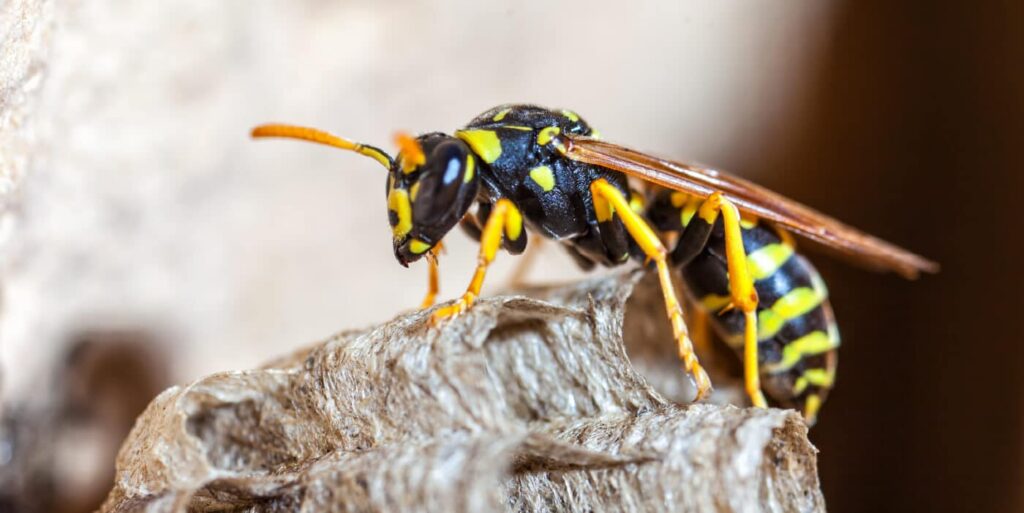
Paper wasps and flying insects: Wasps may establish nests in attic areas near warm spots including areas around light fixtures, with individuals occasionally entering living spaces through fixture gaps. Other flying insects including moths, beetles, and flies may access fixtures while seeking light sources or following air currents.
Cockroaches and crawling pests: German cockroaches and other species may travel through ceiling voids and wall spaces, using recessed lighting as waypoints during movement between different areas of buildings. They’re particularly attracted to kitchen and bathroom fixtures where warmth and moisture create favorable conditions.
The Role of Your Attic in Bug Activity
Attic spaces offer ideal pest habitat conditions including protection from weather extremes, minimal human disturbance, abundant nesting materials, and stable temperature zones near heat sources. Stored items, insulation materials, and structural components provide both shelter and food sources for various pest species.
Attic pest activity varies seasonally with spring warming triggering increased movement and reproduction, summer heat driving insects toward cooler interior areas, and fall cooling prompting overwintering behavior in protected spaces. Winter heating systems can create warm zones that maintain pest activity even during cold periods.
Ceiling void systems enable pest movement throughout buildings without exposure to inhabited areas, with recessed lighting serving as convenient access points for expansion into living spaces. These networks may connect multiple rooms, floors, and building sections through shared infrastructure systems.
Construction Gaps and Airflow Pathways
Building design and construction features significantly influence pest access opportunities through recessed lighting while creating environmental conditions that support pest establishment in concealed spaces.
Many recessed light installations lack proper air sealing between fixture housings and surrounding structural elements, creating openings that enable both air movement and pest access. These gaps may be intentional for heat dissipation or accidental due to installation tolerances and material settling.
Rising warm air from heated interior spaces can create pressure differentials that draw air from attic areas through lighting fixtures, potentially carrying lightweight insects and debris into living spaces. This airflow can also transport pest pheromones and attractant scents that influence pest movement patterns.
Signs the Problem Is Larger Than It Appears
The frequency, timing, and characteristics of insects emerging from recessed lighting provide valuable information about underlying pest problems and appropriate response strategies.
Activity patterns:
- Occasional sightings: Individual insects appearing sporadically may indicate transient activity or minor gap problems requiring sealing.
- Regular appearances: Consistent pest emergence suggests established populations in concealed spaces requiring comprehensive treatment.
- Seasonal surges: Periodic increases during specific seasons indicate overwintering populations or breeding cycle patterns.
- Multiple species: Different pest types emerging simultaneously suggest complex ecosystem establishment in attic or ceiling areas.
Pest activity concentrated around specific fixtures may indicate localized problems, while building-wide emergence suggests extensive infestation requiring comprehensive intervention. Kitchen and bathroom fixtures often show higher activity due to moisture and food attraction factors.
Seasonal Patterns of Bug Activity
Understanding seasonal variations in ceiling pest activity helps homeowners anticipate problems and implement appropriate timing for prevention and treatment measures.
Spring emergence patterns: Warming temperatures trigger increased activity among overwintering pest populations established in attic spaces during previous fall seasons. Reproductive behaviors increase movement between concealed spaces and living areas as pests seek mates and establish new territories.
Summer heat effects: Extreme temperatures may drive attic-dwelling pests toward cooler interior areas accessible through recessed lighting and other penetrations. Increased ventilation and air conditioning operation can affect air pressure relationships that influence pest movement patterns.
Fall overwintering preparation: Many pest species seek protected winter shelter in attic spaces during fall months, with recessed lighting providing convenient access routes. Species including cluster flies, boxelder bugs, and Asian lady beetles demonstrate strong overwintering site selection behaviors.
Winter thermal refuge seeking: Heated fixtures may attract dormant insects seeking warmth during cold periods, creating unexpected activity during normally inactive seasons. Temperature fluctuations can trigger temporary activity among overwintering populations.
Schedule a Pest Control Consultation
When dealing with persistent insects emerging from recessed lighting fixtures, Aptive’s pest control experts can help. Our pest control service will perform a detailed inspection to assess the situation and develop a customized treatment plan based on the specific pest species and structural factors enabling access through your ceiling fixtures.
If you’re finding bugs dropping from recessed lights or suspect pest activity in your attic and ceiling spaces, contact Aptive today for a free quote.
Pests in Recessed Lighting FAQs
Here are common questions homeowners ask about insects emerging from ceiling light fixtures.
Q: Should I be concerned about one or two bugs falling from my lights?
Occasional insects may represent isolated incidents, but consistent appearances suggest underlying pest establishment in concealed spaces requiring investigation. Even small numbers can indicate much larger populations in attic or ceiling areas where reproduction occurs away from human observation. Early intervention prevents minor problems from developing into major infestations requiring extensive treatment.
Q: Can bugs in recessed lighting damage my electrical system?
While individual insects rarely cause electrical problems, accumulated debris and nesting materials can create fire hazards and component failures over time. Certain species may chew insulation materials or build nests that interfere with proper fixture ventilation and heat dissipation. Large populations can also contaminate fixtures with waste products that corrode components and create performance issues.
Q: Why do bugs appear only from certain light fixtures?
Fixture-specific pest activity often indicates localized sealing problems, proximity to pest harborage areas, or environmental factors that concentrate attraction in specific locations. Kitchen and bathroom fixtures frequently show higher activity due to moisture, heat, and food attraction factors. Fixtures near attic access points, storage areas, or structural penetrations may experience greater pest pressure.