You vacate a property expecting pest activity to cease without human occupancy, yet observe infestations reestablishing or intensifying during vacancy periods, suggesting pests exploit conditions created by unoccupied structures rather than requiring active human presence.
Vacant homes maintain numerous pest-attractive conditions including accumulated food residues, undisturbed harborage areas, temperature and moisture fluctuations creating favorable microclimates, structural access points remaining unsealed, and dormant pest populations activating when environmental conditions change, enabling recurring pests to recolonize properties rapidly after human departure despite absence of ongoing food inputs or disturbance.
How Homes Store the ‘Memory’ of Past Pest Life
Homes retain numerous food residues and chemical signals following occupancy that continue attracting and sustaining pest populations for weeks to months after human departure.
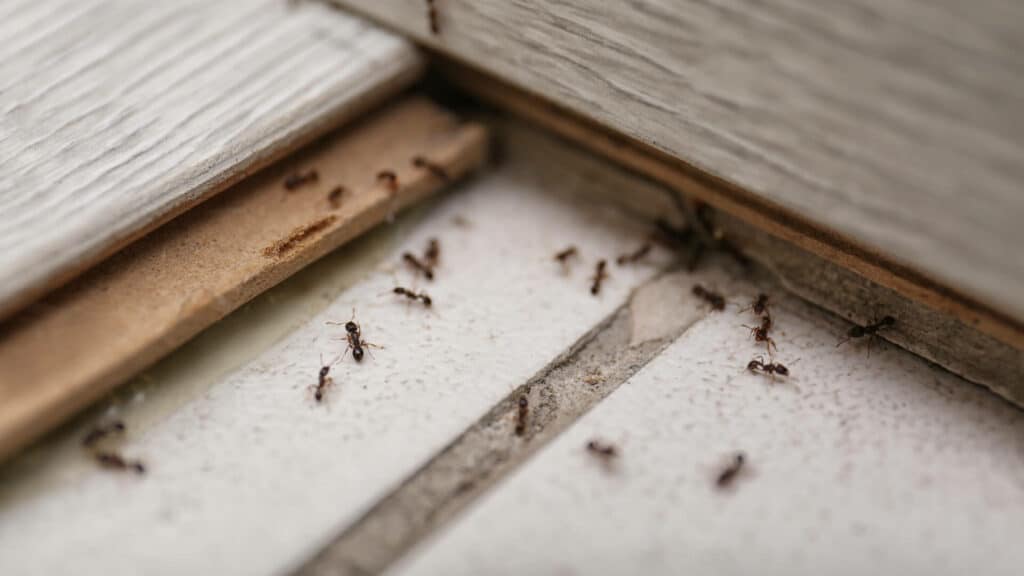
- Accumulated food particles: Even thoroughly cleaned homes contain microscopic food residues in locations including behind appliances, within floor cracks, inside cabinet hinges, beneath sink edges, and in gaps between countertops and backsplashes. These deposits—often measuring just milligrams—provide sufficient nutrition for cockroaches, ants, and various beetles sustaining small populations until resources deplete.
- Grease and oil films: Cooking activities deposit airborne grease on surfaces throughout kitchens including walls, cabinets, light fixtures, and ventilation systems. These lipid layers invisible to casual inspection provide concentrated calories for German cockroaches and other grease-feeding species, with residues persisting months without removal through specialized cleaning.
- Organic debris: Dust accumulations contain human skin cells, hair, fabric fibers, and other organic particles supporting populations of carpet beetles, booklice, and silverfish that feed on protein-rich debris. Vacant homes without regular cleaning develop substantial dust layers providing expanding food bases for these species.
- Pantry remnants: Forgotten food items in pantries, cupboards, or storage areas including opened packages, expired products, or items rolled behind shelves create concentrated food sources supporting stored product beetles, moths, and ants. Single overlooked packages can sustain infestations for 3-6 months enabling population establishment.
- Chemical trails and markings: Pheromone trails deposited by ants, fecal spots containing aggregation signals from cockroaches, and various chemical markings persist on surfaces for weeks, continuing to attract additional individuals even after food sources are depleting. These chemical “memories” guide new arrivals to previously productive locations.
Dormant Colonies and Their Triggers
Many pest species maintain concealed populations in wall voids, subfloor spaces, or other protected locations that remain viable during vacancy periods, emerging when environmental triggers signal favorable conditions.
- Overwintering insects: Species including cluster flies, Asian lady beetles, boxelder bugs, and stink bugs aggregate in wall voids, attics, or other protected spaces during fall, entering dormancy (diapause) surviving winter without food or water. Spring warming above 15-20°C (59-68°F) triggers emergence, with vacant homes providing undisturbed environments where insects freely explore living spaces seeking exit routes.
- Wall cavity colonies: Ant colonies including carpenter ants, odorous house ants, and pharaoh ants establish nests within wall voids, insulation, or structural spaces remaining viable indefinitely without human presence. These colonies maintain reproductive capacity, with workers periodically emerging into living spaces when environmental conditions or colony growth drive exploration.
- Cockroach populations: German cockroaches and other species colonizing wall voids, appliance motors, or plumbing chases continue reproducing using accumulated organic debris and moisture from condensation or minor leaks. Populations may actually expand during vacancy given reduced disturbance enabling undisturbed breeding and resource exploitation.
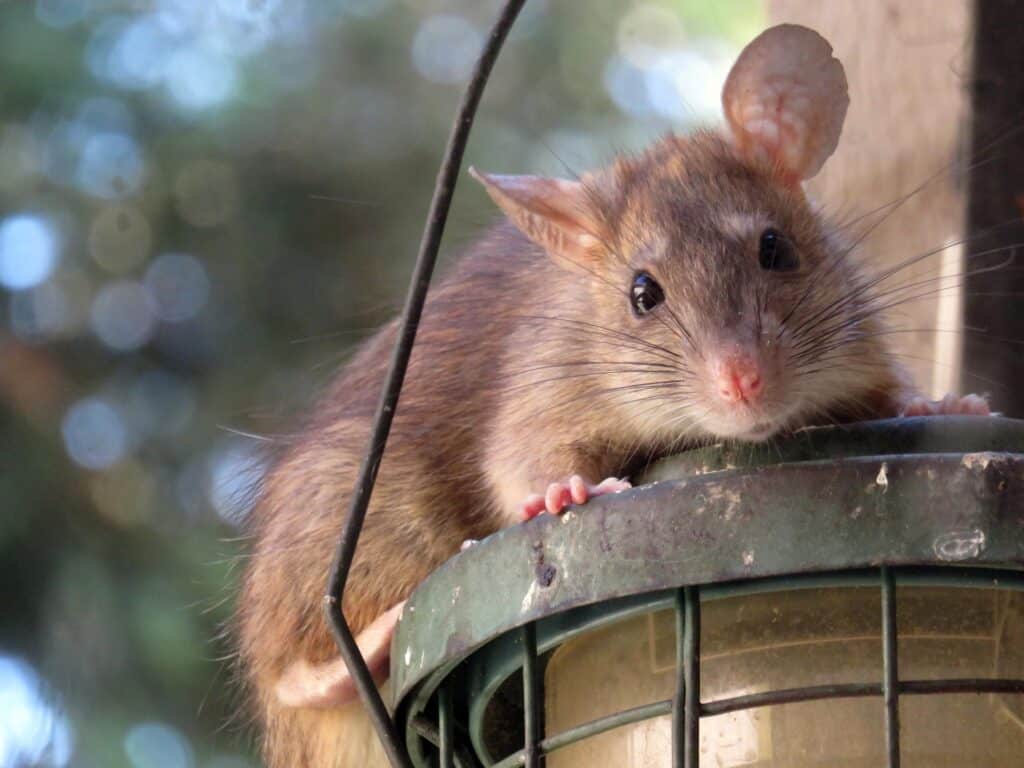
- Rodent persistence: Mice established in walls, attics, or subfloor spaces prior to occupancy termination remain viable, eating insulation materials, stored items, and occasional arthropod prey while breeding continuously producing 5-10 offspring per female every 3 weeks under favorable conditions.
- Temperature-triggered activity: Vacant homes experience greater temperature fluctuations than occupied climate-controlled spaces, with seasonal warming triggering activity in dormant populations. Spring temperature increases activate overwintering insects while summer heat accelerates development rates in continuously active species like cockroaches.
The Role of Dust, Debris, and Forgotten Food
Lack of regular maintenance and human activity during vacancy creates environmental conditions often more conducive to pest establishment than occupied homes where cleaning and disturbance disrupt colonization.
Without regular HVAC operation maintaining consistent humidity, vacant homes develop moisture accumulation from temperature fluctuations creating condensation on windows, pipes, and within wall cavities. Elevated humidity above 60% relative humidity favors cockroaches, silverfish, and various moisture-dependent arthropods.
Unheated or uncooled vacant properties experience wider temperature ranges than climate-controlled occupied homes, with summer heat accelerating pest development rates while winter cold drives outdoor pests to seek structural shelter. These fluctuations create microhabitat diversity supporting diverse pest communities.
Regular cleaning, furniture moving, and other occupancy activities disrupt pest harborage and expose concealed populations. Vacant properties remain undisturbed for weeks or months enabling pest populations to establish undisturbed in optimal locations without human interference.
Why Professional Pest Control Services Are the Most Reliable Solution
Simply leaving properties vacant without intervention rarely eliminates pest problems and frequently worsens infestations given reduced disturbance enabling population growth. Professional pest control services can implement strategies addressing unique challenges of unoccupied properties.
If you’re managing vacant properties experiencing recurring pest problems, preparing homes for extended vacancy periods, or dealing with infestations discovered upon re-occupancy, contact Aptive today for a free quote and expert evaluation implementing comprehensive pest control strategies for properties to avoid establishment or reestablishment of pest populations during transition periods.