As the days grow shorter and the temperatures drop, many people tend to believe that pests die off during winter. Unfortunately, this is far from the truth. In fact, winter can be a time of heightened pest movement as critters seek shelter and warmth indoors. This is precisely why investing in pest control during winter is not only beneficial but also essential.
The winter service can be a highly misunderstood part of year-round pest control. As summer yields to autumn which transitions to winter, we often notice fewer bugs like wasps, ants, and spiders around. During August it seems there’s no end to the constant barrage of flying and crawling insects. But then by October it seems they all vanish. Have you ever wondered where these pests go during the colder months? Do they actually “vanish”? If so, where are all the dead insects? Or maybe they’re just taking a break right under the surface.
Treating pests is not a one-and-done service, the insect life cycle is a four-season process, and thus the treatment of these insects should also be a four season process. This includes the winter season. Anyone considering pest control should have a better understanding of these elements:
- Why winter treatments are important
- When winter treatments start and end
- How winter treatments differ from other treatments
- What customers can expect from winter treatments
- Frequently asked customer questions
This article will cover all of that and more as we explore what makes winter treatments so important to your home’s protection.
Winter can be the most important treatment of the year.
During the spring, summer, and fall, our goal is to keep a visible and increasing pest problem under control. During the winter, on the other hand, we have an opportunity to treat pests while they’re not reproducing, migrating, or flourishing.
Placing products in pest harborage sites during the winter months is key, making homes more resistant to both current and future pest invasion.
If you were a cold-blooded insect looking to maximize your chance of survival through the winter, what would you look for? The cold winter weather drives pests indoors in search of warmth, food, water, and protection from the elements. Your cozy home provides refuge for them. Without proper pest control measures in place, you may find yourself sharing your living space with unwanted guests. Some pests, especially rodents, can reproduce year-round. This means that even during winter, they are still capable of multiplying and establishing infestations in your home. The pest life cycle is the result of inter-connected seasonal adaptation. Skipping a winter treatment is like removing a link from a chain.
Winter Treatment Timelines
Winter treatments are typically in effect from January – March. Before then, fall treatments are typically delivered from October – December.
Depending on the season or region, treatments are based on the current weather in the area. Products and treatments are adjusted to the weather and the season, whether it is raining, snowing, or the temperature is below freezing. There’s no rest for the pest! Just as insects have adapted to respond to all weather and seasons, pest treatment should too.
Winter Pests
Insects employ various survival strategies to endure winter’s challenges. Overwintering, a common tactic, involves insects burrowing underground, seeking shelter in wall voids, or in protected spaces, avoiding freezing temperatures and damage to their internal systems. This dormancy continues until warmer temperatures return.
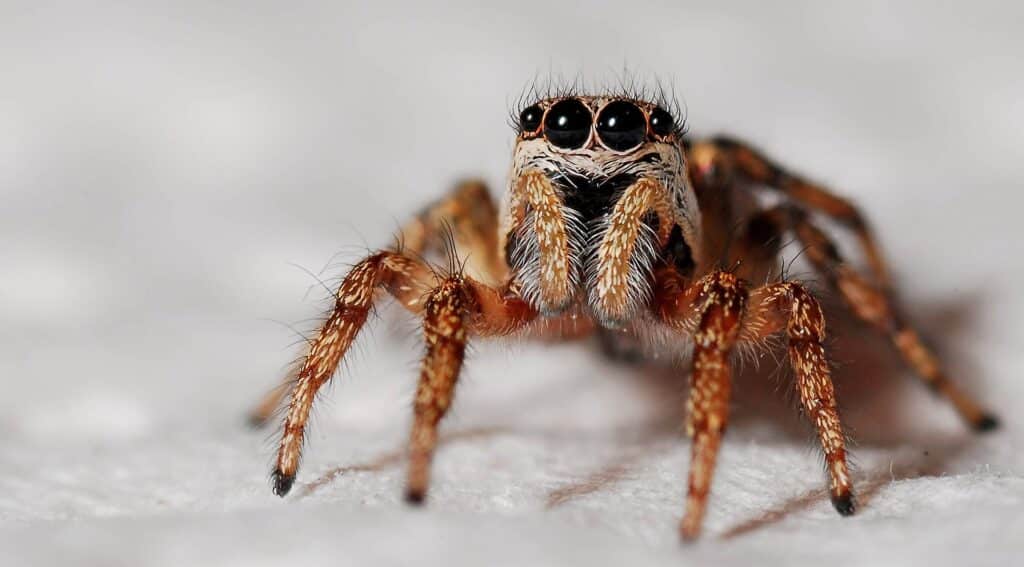
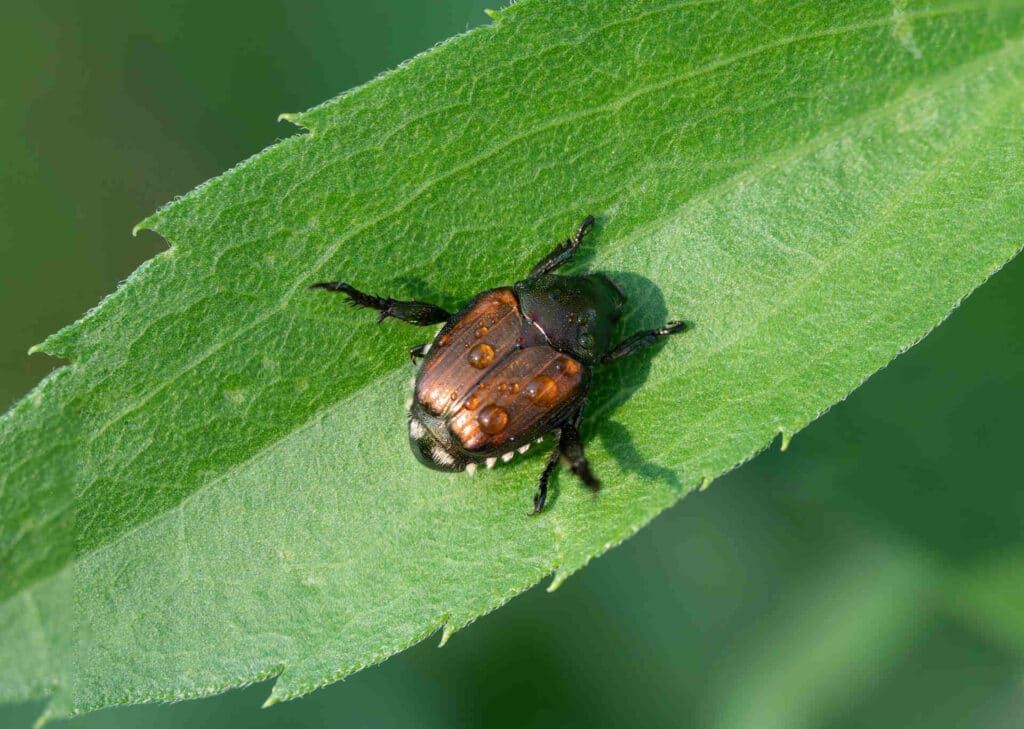
Pupation is another vital winter phase, where certain insects like flies and beetles spend their winters safely encased in cocoons or chrysalises, emerging as adults when conditions improve. Adult insect overwintering finds bugs like stink bugs and box elder bugs seeking refuge in warm places, sometimes within homes.
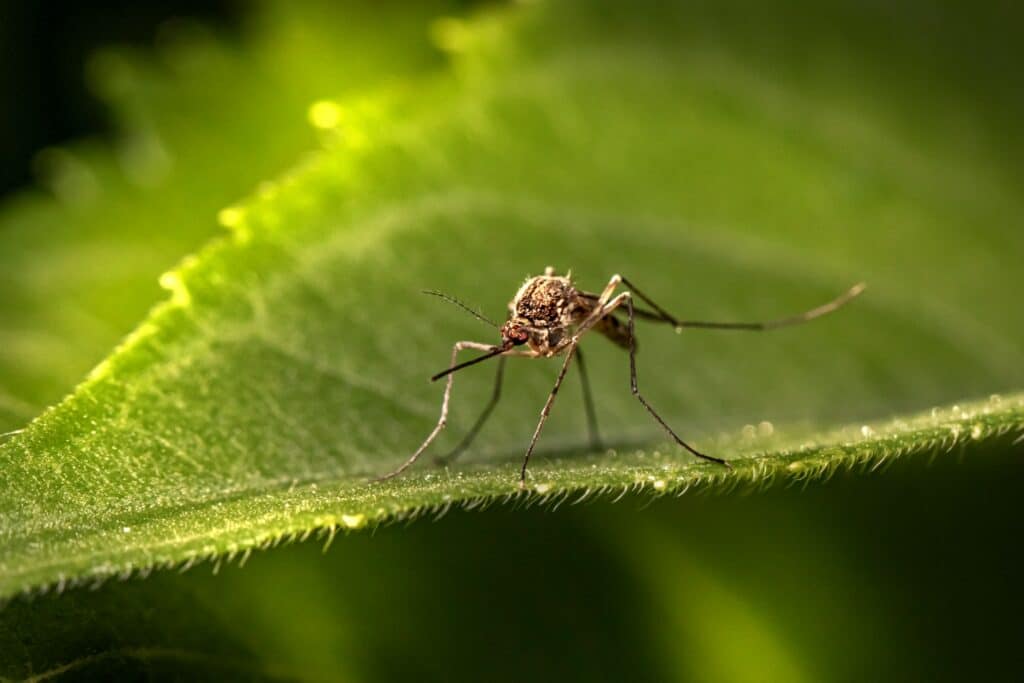
Diapause, a type of insect hibernation, suspends development, allowing insects like mosquitoes to conserve energy and endure harsh conditions. Diapause timing synchronizes with seasonal changes for optimal reproduction. Lastly, antifreeze proteins enable certain insects to thrive in freezing conditions by preventing ice crystal formation in their bodies.
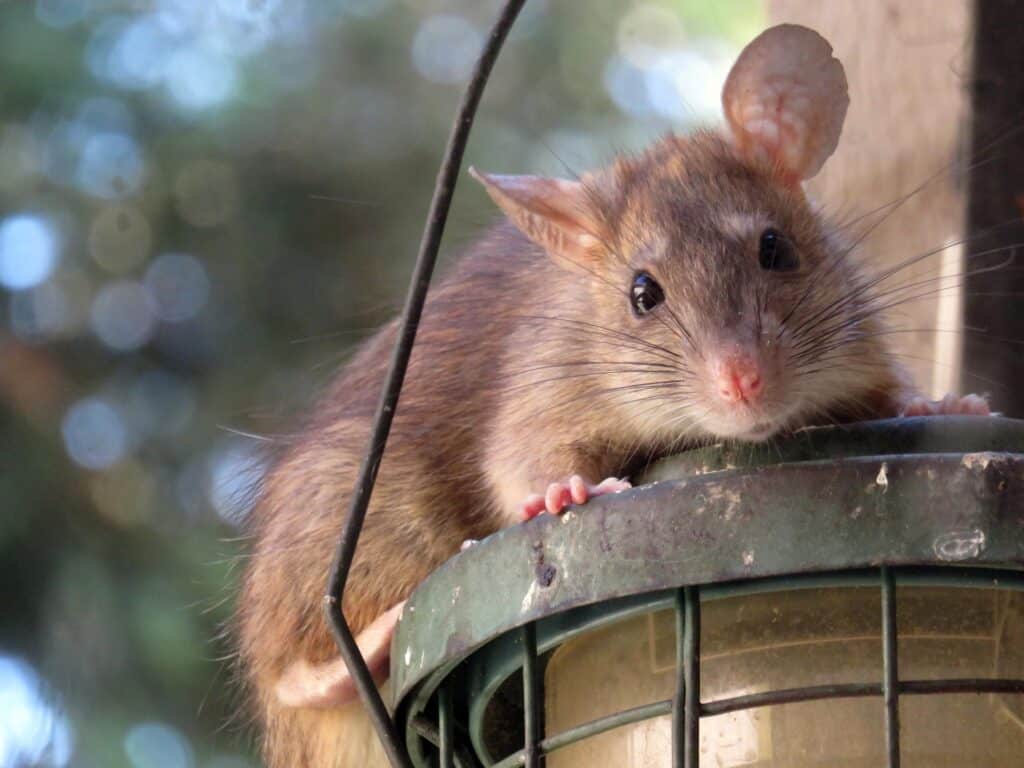
Pests like rodents are notorious for their gnawing habits. During winter, they may chew through insulation and electrical wiring in an effort to create nests and find food. This poses a threat to your home by increasing the risk of electrical fires.
Pests are not just a nuisance; they can also pose health risks to you and your family. Rodents, for example, can also carry diseases such as Hantavirus and Leptospirosis. Additionally, cockroaches can contaminate your food, potentially causing food poisoning.
Treating Homes During Winter
Pest control experts usually have winter treatments that adjust to colder conditions by:
- Prioritizing the interior and exterior entry points into the home
- Swapping exterior spray products for dust and granular formulas in freezing weather
What Homeowners Should Expect from Pest Experts
Interior:
- Interior treatments remain a priority, since that is where both people and pests spend much of their time in the winter.
- This also includes treating baseboards throughout the main level of the home along their routes of travel.
Exterior:
- Exterior treatments prioritize harborage sites and entry points into the home, such as window and door frames, light fixtures, and cracks and crevices in the walls, eaves, and concrete.
- Pest control companies should continue to remove webs from the exterior.
- A dust formula is often used to treat entry points in regions with freezing daytime temperatures.
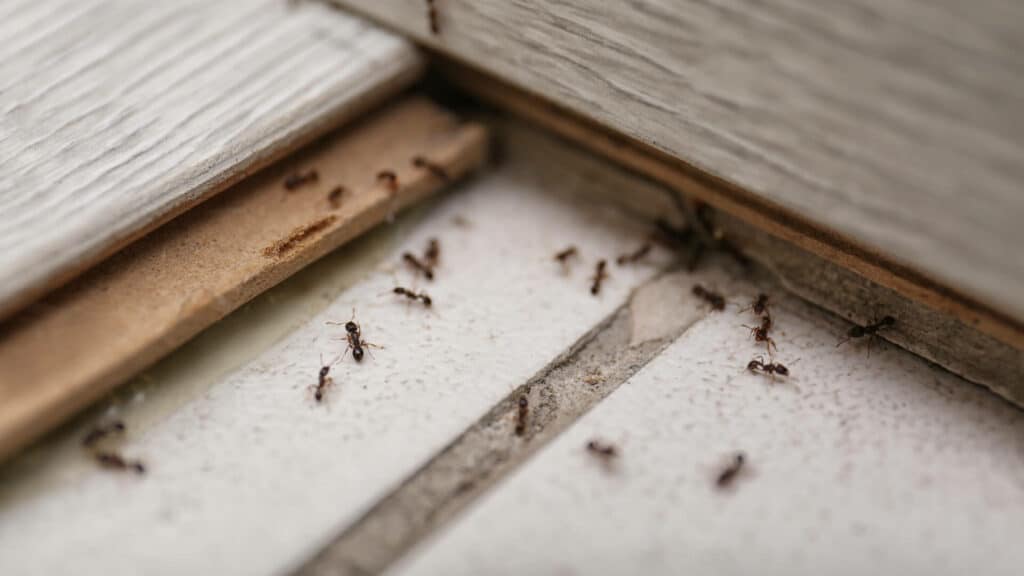
- A granular formulation can also be used to treat exposed lawn, soil, and landscaping near the home. The granules provide a heavier barrier to protect the inside of the home against invading fall and winter pests such as ants, spiders, and centipedes and can be applied to cold or frozen ground.
- Products should not be applied to ground covered in snow.
- Winter treatments may vary slightly by climate, but the best pest control experts will adjust the treatment to meet conditions during freezing temperatures.
Taking a proactive approach to pest control during winter is far more effective and cost-efficient than dealing with an infestation after it has already taken root. A professional pest control service like Aptive can identify vulnerable areas in your home and implement proactive measures to minimize pest activity year-round.
Knowing that your home is protected against pests can provide invaluable peace of mind during the winter months. You can enjoy the season without the worry of sharing your space with unwelcome visitors.
Pest management is an ongoing, year-round endeavor. The insect life cycle unfolds throughout all four seasons, and as such, our approach to addressing these pests should also span the entire year, including addressing the adaptations of pests during the winter season. By investing in pest control services during winter, you are paving the way for long-term, highly effective pest control. Don’t let pests take refuge in your home this winter – take action today! Contact Aptive to schedule a winter treatment and fortify your home against unwanted invaders.
Frequently Asked Customer Questions
What is the benefit of treating in the winter/cold/snow?
Winter may seem devoid of insect life, but in reality, it’s a season of remarkable survival strategies. Beneath the snow, inside tree trunks, and in your own walls, insects have evolved incredible adaptations to ensure their return with rising temperatures.
That’s why controlling pest activity is a year-long endeavor. Any effort to control nature must include winter measures – whether that be preparing winter fertilizer to strengthen roots for spring, pruning back dead branches and wrapping young trees and shrubs, or preparing the soil in your garden for the off-season.
Insects have been evolving for over 480 million years. They’ve survived multiple ice-ages and eons of winters. Attempting to control these masters of survival – without attending to this essential winter-time pest cycle is like trying to dam a river using only sandbags. The persistent current of nature will inevitably find its way through. Properly addressing the winter behaviors and habits of pests is pivotal in achieving year-round control.
Aptive has developed the perfect response for these essential winter season treatments. By taking a scientific approach to pest control, Aptive provides the precise treatment – specific to their cold-weather response, to take advantage of their wintertime pause. The result? Their customers enjoy year-round freedom from pests.
Treating nesting sites when pests are at their weakest leads to limiting the issues you typically see in the spring and summer. The service professional will apply a treatment in entry points, harborages, and cracks and crevices in and around your home to target pests in their adult, larval, and pupal stages. This will hinder them from emerging as it warms up. It will also help limit new pests from getting in the home in the first place. Additionally, Aptive treats the home for winter pests such as centipedes, spiders, and mice where applicable.
What if the service professional can’t get to my house because of the snow?
Since the freezing-weather winter treatment focuses primarily on targeting entry points, harborages, and cracks and crevices on the home – primarily around doors, windows, and vents – where tiny cracks in caulking and sealing exist, including where pipes and wires enter the home, snow does not prevent a Service Pro’s access to these key treatment sites.
The service professional would only be unable to get to the house if the roads are blocked. In that case, we’ll simply reschedule to when roads are clear. Provided that the road conditions are safe, getting to the house should be no problem.
If I just have the inside treated, won’t pests be able to get closer to my house?
Every standard treatment includes both interior (as requested) and exterior treatment. Even if we provide a full interior treatment, the service professional will still provide exterior treatment.
How effective is your treatment on frozen ground?
The products Aptive uses include residual surface treatments. This means they remain active and continue controlling pests over time as the ground thaws. While we do treat the ground around the home when it is not covered in snow, Aptive has two important objectives for winter treatment: 1: Prevent pests from overwintering in your climate-controlled and protected wall voids, and 2: Place long-lasting product in these entry points to help prevent infestation when pests re-emerge. Our service professionals are trained and equipped to treat even small entry points into the home, which helps limit pests from entering the home in the winter and from flourishing in the spring and summer.
Why won’t you spray while it is raining outside?
While our product is micro-encapsulated, we don’t want it to be carried off by the rain before it has a chance to settle and dry. If the product is carried away, it would not be effective at managing pests and could end up on non-target locations.