Everyone has heard of cicadas, but this year you've been hearing about cicadas a whole lot more than usual. And with all the talk of cicadas, you’re wondering if you need to be concerned about them or not. While there is certainly going to be a significant population of cicadas this year, it probably isn't as concerning as you might think. But that doesn't mean there aren't some things you should know about cicadas showing up this year (like whether or not to call pest control experts for help), so let's take a closer look at cicadas in North America.
Why Is Everyone Talking About Cicadas?
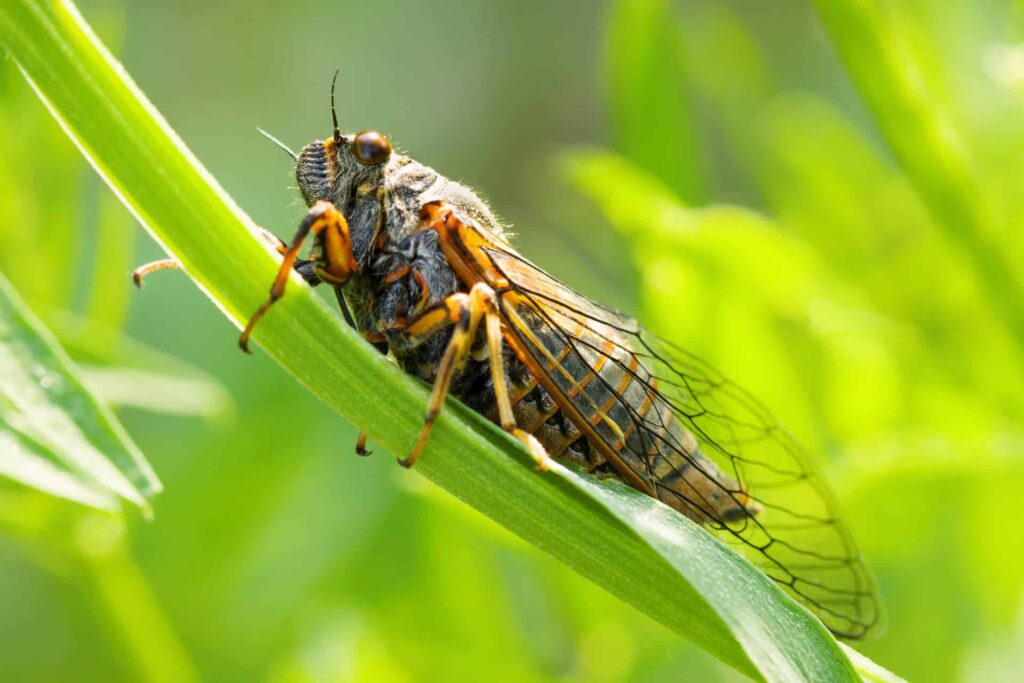
To understand why everyone is talking about cicadas so much this year, you have to understand a few things about the cicadas themselves. First, you should know that there are two groups of cicadas that you might hear about – annual cicadas and periodical cicadas. annual cicadas, as you might expect, show up every year, though they may live longer than a year. Periodical cicadas, on the other hand, show up every 13 to 17 years. As far as anyone knows, periodical cicadas are only present in North America.
The biggest question a lot of people have when periodical cicadas show up is “Where did they come from and where have they been for the last 17 years?” Some people say that's the cicadas essentially hibernate for that entire time, but there's actually little to no evidence that cicadas hibernate at all. Instead, they live underground and eat the sap of roots while they get ready for the year when they will surface.
The thing that makes periodical cicadas especially noteworthy is that they all emerge around the same time so it seems like a huge population of them showed up overnight. That's what's happening this month. A group of periodical cicadas called Brood X are making their appearance and this will result in a good trillion or more cicadas showing up at once.
What to Know About Cicadas
With so many cicadas showing up this year, you might be wondering what cicadas do and why they're showing up now. When cicadas come above ground, they do so to find other cicadas to mate with. They only have a few weeks to do this before they die, so though it will be obvious when the cicadas show up, they won't be around for very long.
See, when cicadas first emerge from the ground, they are still in their nymph stage of life. But shortly after emerging from the ground, the cicadas shed their outer shell and spread their wings. This puts them in their adult phase, and at this point, they are ready to find a mate.
The thing that cicadas are really famous for is their sound. When the males are trying to attract a female, they make a sort of humming or chirping sound that can be extremely loud. The females respond by clicking their wings, so with this back-and-forth of sound, a group of cicadas can be as loud as a rock concert. And yes, long exposure to a lot of cicadas can cause some hearing damage. However, this would require quite a bit of extended exposure.
There are some benefits to cicadas showing up though. Because they come up from the ground, they essentially do natural aeration to the ground they were living in. So often after cicadas have shown up, the plants in the area tend to do even better than they were doing before.
Additionally, because so many cicadas come out at once, they also all die at about the same time. and when they die, their many bodies contribute nutrients to the soil. This helps a lot of plants have better growth and fruit production the following year.
Are Cicadas Harmful?
A really big question a lot of people have about cicadas is whether or not they're harmful to people, and this question has a lot of people calling pest control experts for help. Fortunately, cicadas are not harmful to people. They don't bite or sting, and as long as you are not overly exposed to their noise, you should be completely safe from cicadas.
This might be a surprise to some people. There are a lot of rumors and myths about cicadas, the biggest of which is that they are highly destructive, like locusts. This is because cicadas bear some resemblance to locusts, however, cicadas behave nothing like locusts. They don’t seek out crops, and even if they are around crops they won't damage them. So there's really very little reason to worry about cicadas when they appear in huge numbers.
The only time cicadas really can cause damage to plants is when the females are laying eggs. They lay their eggs in trees, and for most trees, that's not a problem. They can recover from it just fine if it affected them at all. But for younger, smaller trees, it may be harder to handle the female cicada digging into it and laying eggs. The best thing to do to protect these trees is to cover them with a net that the cicadas can't get through. You only have to do so for a few weeks, and then the cicadas will die off and your tree will be safe again.
Should I Call Pest Control Experts for Cicadas?
As you start to see more cicadas showing up, you might start to wonder if you should call pest control experts to get rid of the cicadas around your home. You really shouldn't see cicadas inside your home because they have no interest or reason to go inside, but you may see them on or around the outside of your home. But again, cicadas are not harmful insects, so there's no reason to worry about the cicadas even if they are there.
If you do call pest control experts about cicadas, they'll probably tell you that they can't do much about cicadas and that there's really no reason to do anything about cicadas. Cicadas can't be prevented by pesticides and spraying extra pesticides around your home is a waste of time and product. Instead, learn to appreciate the cicadas and this rare opportunity to experience them.