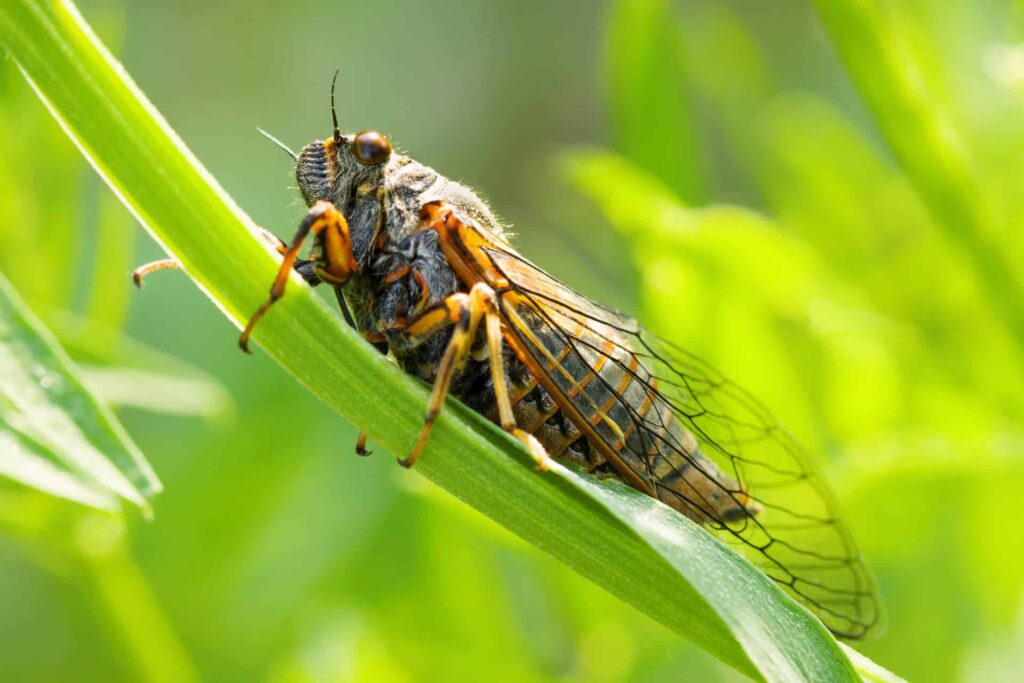
Wood roaches are outdoor-dwelling cockroaches native to North America that occasionally wander into homes but don’t normally establish indoor infestations, representing fundamentally different threats than pest cockroach species including German cockroaches and American cockroaches that thrive indoors.
These woodland insects feed on decaying organic matter in forests and wooded areas, providing beneficial decomposition services while rarely causing problems for homeowners beyond occasional accidental intrusions during warm months. Understanding wood roach biology, behavior, and identification helps distinguish these harmless outdoor roaches from genuine pest species requiring aggressive cockroach control measures and professional intervention.
What are wood roaches?
Wood roaches (Parcoblatta species) are outdoor cockroaches native to eastern North America comprising approximately 12 species that inhabit wooded areas, feeding on decaying leaves, rotting wood, and organic debris rather than infesting structures or consuming human foods.
These roaches live under bark, in woodpiles, beneath leaf litter, and within rotting logs where they contribute to natural decomposition processes breaking down dead plant material in forest ecosystems. Unlike pest cockroach species, wood roaches cannot survive or reproduce indoors due to their specific moisture and habitat requirements, with occasional indoor appearances representing accidental intrusions by individuals attracted to exterior lights or carried inside with firewood.
Male wood roaches are strong fliers attracted to lights during warm evenings, while females possess reduced wings and rarely fly, preferring to remain hidden under debris in their woodland habitats.
What do wood roaches look like?
Wood roaches are medium-sized cockroaches measuring 3/4 to 1 1/4 inches with flattened oval bodies, long antennae, and distinctive coloration featuring brown bodies with pale cream or white markings along the edges of their thorax and front portions of their wings.
Males possess fully developed wings extending beyond their abdomens and appear lighter colored with more pronounced pale edging than females, which have shorter wings covering only half their abdomens and appear darker overall. Their bodies are less shiny than American cockroaches and lack the distinctive patterns of German cockroaches, with wood roaches displaying more matte brown coloration highlighted by contrasting pale borders.
Nymphs are smaller versions of adults without fully developed wings, displaying similar brown coloration with white markings becoming more pronounced as they mature through successive molts toward adulthood.
Are wood roaches dangerous?
No, wood roaches are not dangerous to humans, pets, or property, as they don’t bite, sting, transmit diseases, contaminate food, or cause structural damage like pest cockroach species that infest buildings.
These outdoor roaches don’t carry the disease-causing bacteria normally associated with German cockroaches and American cockroaches that contact garbage, sewage, and other unsanitary materials while foraging indoors. Wood roaches cannot establish breeding populations inside structures due to their requirement for high outdoor humidity and decaying wood materials unavailable in typical indoor environments, making them temporary visitors rather than infesting pests.
Their presence indoors is harmless and short-lived, with individual roaches dying within days without reproducing when unable to find suitable outdoor conditions. Wood roaches don’t trigger the same allergic reactions as pest cockroaches since they don’t establish populations producing the accumulated shed skins and feces that cause respiratory problems.
Where are wood roaches found?
Wood roaches are found throughout eastern North America from Canada to the Gulf Coast, inhabiting deciduous forests, wooded suburban areas, and properties with abundant trees, leaf litter, and decaying wood materials providing their preferred habitats.
They live under loose tree bark, within rotting logs and stumps, beneath leaf litter, in woodpiles, and under debris in wooded environments where moisture levels remain consistently high. Wood roaches venture indoors accidentally, particularly during spring and early summer when males fly toward exterior lights on warm evenings or when individuals hide in firewood later carried inside.
Their distribution follows forested regions rather than urban areas, with highest populations occurring in properties adjacent to woodlands or featuring mature trees and natural landscaping. Wood roaches don’t inhabit the same urban and indoor environments as pest cockroaches, remaining restricted to outdoor woodland habitats throughout their lifecycles.
What are the differences between wood roaches and German cockroaches?
Wood roaches differ fundamentally from German cockroaches in size, coloration, behavior, and habitat preferences, with wood roaches being larger outdoor insects measuring 3/4 to 1 1/4 inches with brown bodies and pale wing edges, while German cockroaches are smaller indoor pests measuring 1/2 to 5/8 inches with tan bodies and distinctive dark parallel stripes behind their heads.
German cockroaches cannot survive outdoors in most climates, requiring the warmth, moisture, and food availability of indoor environments where they establish massive infestations, while wood roaches cannot survive or reproduce indoors and represent only occasional visitors. Male wood roaches fly readily toward lights, whereas German cockroaches rarely fly despite possessing wings.
Most critically, German cockroaches are serious health threats contaminating food and spreading diseases, while wood roaches pose no health risks and don’t infest structures requiring immediate professional pest control intervention.
What are the differences between wood roaches and American cockroaches?
Wood roaches differ from American cockroaches primarily in size, coloration, behavior, and infestation potential, with wood roaches measuring 3/4 to 1 1/4 inches with matte brown bodies and cream-colored markings, while American cockroaches are larger at 1 1/2 to 2 inches with reddish-brown bodies featuring yellowish figure-eight patterns behind their heads.
American cockroaches readily infest structures, breeding in basements, sewers, crawl spaces, and other moist indoor areas while foraging throughout buildings for food, whereas wood roaches cannot establish indoor populations and die quickly when trapped inside. American cockroaches prefer dark, hidden locations and flee from light, while male wood roaches fly directly toward lights during evening hours.
American cockroaches contaminate food, spread pathogens, and trigger allergies through their accumulated waste products, making them serious pests requiring aggressive control, while wood roaches represent harmless outdoor insects providing beneficial decomposition services without health or property risks.
How to know if you have a wood roach infestation
Wood roach presence creates different signs than true infestations since they cannot breed indoors:
- Individual roaches near exterior doors: You might notice occasional single wood roaches near entrances, on porches, or around exterior lights during warm months, arriving accidentally rather than emerging from indoor breeding populations.
- Males flying toward lights at night: It’s common to observe flying male wood roaches attracted to outdoor and indoor lights during spring and summer evenings, behaving differently from pest roaches that avoid light.
- Roaches associated with firewood: You’ll likely find wood roaches hiding in firewood stacks brought indoors, emerging from bark crevices as wood warms up inside structures rather than breeding in buildings.
- No evidence of breeding activity: You might notice the absence of egg cases, nymphs, or accumulating populations typical of true cockroach infestations, with wood roach numbers never increasing over time indoors unlike pest species.
How to prevent a wood roach infestation
Preventing wood roach entry requires managing outdoor habitats and limiting access points:
- Store firewood away from structures: Keep woodpiles at least 20 feet from buildings elevated off the ground, reducing wood roach populations near entry points and preventing accidental transport indoors with firewood.
- Reduce outdoor lighting near entrances: Use yellow “bug lights,” minimize unnecessary exterior lighting, or move lights away from doors and windows reducing attraction for flying male wood roaches during active seasons.
- Seal entry points around structures: Install door sweeps, seal gaps around windows and utility penetrations, and repair damaged screens preventing accidental wood roach entry while wandering or flying at night.
- Remove leaf litter and debris: Clear accumulated leaves, rotting wood, and organic debris from around foundations eliminating favorable wood roach habitat immediately adjacent to structures where accidental entry is most likely to occur.
When it’s time to talk to the professionals
When dealing with cockroach concerns around your home, professional pest control services offer accurate species identification distinguishing harmless wood roaches from dangerous pest cockroach species requiring immediate intervention. Our pest control technicians can perform a detailed inspection to assess the situation.
Given the significant health risks associated with pest cockroach infestations including disease transmission, allergen production, and rapid population growth, accurate identification is essential before implementing control measures. If you’re experiencing problems with cockroaches, need expert species identification to determine appropriate responses, or have discovered pest cockroach infestations requiring professional treatment, contact Aptive today for a free quote.
Frequently Asked Questions about wood roaches
Here are some commonly-asked questions from homeowners.
Q: What kind of damage do wood roaches cause?
Wood roaches cause no damage to structures, belongings, or property since they don’t feed on building materials, fabrics, stored foods, or anything found in typical indoor environments.
Unlike pest cockroaches that contaminate food and trigger allergies, or wood-boring insects like termites and carpenter ants that damage structures, wood roaches are harmless decomposers feeding exclusively on decaying plant matter in outdoor woodland habitats. They don’t chew through packaging, damage books or papers, or create unsanitary conditions like pest cockroach species.
Q: Do wood roaches spread diseases?
No, wood roaches do not spread diseases to humans since they inhabit clean outdoor woodland environments feeding on decaying leaves and wood rather than contacting garbage, sewage, and unsanitary materials like pest cockroach species.
German cockroaches and American cockroaches transmit pathogens including Salmonella, E. coli, and various parasites because they forage through filth before contaminating food preparation surfaces, while wood roaches never establish this contamination cycle.
Their outdoor lifestyle in forest debris doesn’t expose them to human pathogens, and their inability to establish indoor populations prevents the accumulated waste and shed skins that trigger cockroach allergies. Wood roaches represent harmless outdoor insects without the disease transmission concerns justifying aggressive pest cockroach control.
Q: How long can a wood roach live inside?
Wood roaches typically survive only a few days to two weeks indoors before dying from dehydration and inability to find suitable food since they require high moisture levels and decaying plant materials unavailable in typical indoor environments.
These outdoor-adapted roaches cannot adjust to dry indoor conditions and don’t consume the foods, grease, or organic debris sustaining pest cockroach species indoors. Individual wood roaches trapped inside gradually weaken and die without reproducing or establishing populations, making their indoor presence self-limiting and temporary. Cold temperatures or lack of humidity accelerate their decline, with most individuals dying within days when unable to return to their woodland habitats requiring specific environmental conditions.
Q: What time of year are wood roaches most active?
Wood roaches are most active during spring and summer months from May through August when warm temperatures and increased daylight hours trigger mating behaviors, with male wood roaches flying toward lights on warm evenings seeking females.
Their peak activity coincides with warming weather bringing them out from overwintering sites under bark and within rotting logs where they survived cold months in dormant states. Late spring represents the highest likelihood of indoor encounters as males fly extensively during mating season, while late summer activity continues as new generations mature.
Wood roach activity declines dramatically in fall as temperatures drop, with adults seeking protected overwintering sites and becoming dormant during winter months.
Q: Do wood roaches hate certain smells?
Wood roaches don’t have strong aversion responses to specific smells that would reliably repel them like some insects, though they may avoid certain strong odors temporarily without these scents providing effective long-term deterrence.
Essential oils including peppermint, eucalyptus, or cedar are sometimes suggested as repellents, though their effectiveness against wood roaches is minimal and temporary at best since these outdoor roaches aren’t seeking indoor environments intentionally.
Wood roach entry represents accidental attraction to lights or hiding in firewood rather than deliberate home invasion, making scent-based repellents largely unnecessary and ineffective. Preventing wood roach entry through physical exclusion, lighting management, and firewood storage practices proves far more effective than relying on aromatic deterrents.