Gnats are small flying insects that commonly invade homes, congregating around kitchens, houseplants, drains, and moisture-prone areas where they breed rapidly in organic matter and standing water. These tiny pests include several distinct species with different behaviors and breeding requirements, though all share frustratingly similar appearances and tendencies to swarm around faces and food. Understanding which gnat species you’re dealing with determines the most effective control strategies for eliminating infestations.
What are gnats?
Gnats are small, delicate flying insects typically measuring 1/16 to 1/8 inch in length, with the term “gnat” broadly referring to several unrelated fly species rather than a single scientific classification.
Common gnats belong to various families including fungus gnats (Sciaridae), fruit flies (Drosophilidae), drain flies (Psychodidae), and eye gnats (Chloropidae), each with distinct breeding habits and preferred habitats. Despite their different classifications, these insects share similar characteristics including tiny size, weak flying abilities, short lifespans, and attraction to moisture, organic matter, or fermenting materials. Most gnats are nuisance pests rather than serious threats, though their rapid reproduction can create overwhelming populations indoors when conditions favor breeding.
What are the different types of gnats?
The most common gnat types include fungus gnats breeding in moist soil and organic matter, fruit flies attracted to fermenting produce, drain flies developing in organic buildup within plumbing, and biting gnats like buffalo gnats and eye gnats found outdoors. Each species has distinct characteristics, breeding habits, and preferred environments:
Fungus gnats
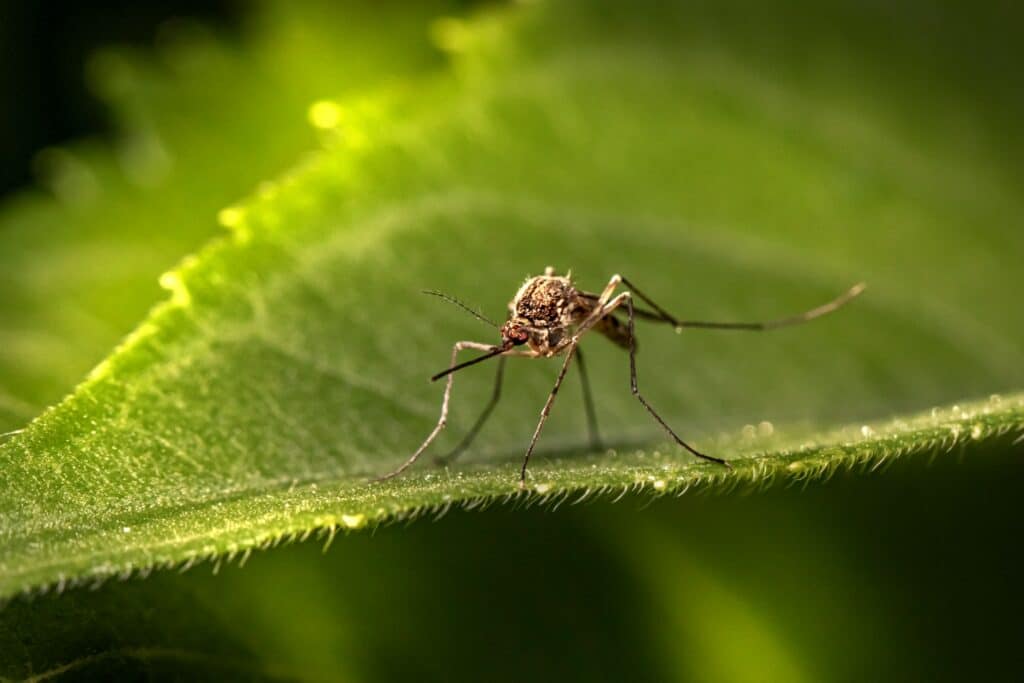
Fungus gnats are delicate, dark-bodied flies with long legs and thread-like antennae measuring about 1/8 inch in length, commonly infesting overwatered houseplants and organic-rich potting soil.
Their larvae are translucent white with black head capsules, feeding on fungus, algae, and decaying organic matter in moist soil environments. Adult fungus gnats are weak fliers often seen running across soil surfaces or flying in erratic patterns near plants. While adults don’t damage plants, their larvae can harm seedlings and young plants by feeding on roots and creating entry points for plant diseases in heavily infested conditions.
Fruit flies
Fruit flies are small tan or brownish flies measuring about 1/8 inch with distinctive bright red eyes, appearing seemingly overnight around overripe produce, fermenting materials, and sugary substances.
These gnats have tan thoraxes with black abdomens, featuring slower, more deliberate flight patterns than other gnat species. Fruit flies possess an exceptional ability to detect fermenting fruits and vegetables from considerable distances, rapidly colonizing kitchens, compost bins, and recycling containers. Their extremely short lifecycle—as brief as 8-10 days from egg to adult—allows populations to explode within a week under favorable conditions, making them persistent nuisances once established indoors.
Drain flies
Drain flies, also called moth flies, are tiny fuzzy-looking insects measuring 1/8 inch with distinctive moth-like appearances created by densely haired wings and bodies covered in long scales.
These gnats are typically gray or tan, holding their wings roof-like over their bodies when resting, creating characteristic triangular silhouettes. Drain flies breed in the organic slime and biofilm accumulating inside drains, sewers, and plumbing fixtures where their larvae feed on bacteria and decomposing matter. They’re weak fliers often seen resting on bathroom and kitchen walls near drains, appearing in large numbers during evening hours when adults emerge from breeding sites.
Buffalo gnats (Black flies)
Buffalo gnats, properly called black flies, are small dark biting flies measuring 1/16 to 1/8 inch with stout, humpbacked bodies and short legs, commonly found near rivers, streams, and flowing water where they breed.
Unlike non-biting indoor gnats, these outdoor pests inflict painful bites using scissor-like mouthparts to cut skin and feed on pooling blood. Female buffalo gnats require blood meals for egg development, attacking humans and animals in swarms particularly during spring and early summer. Their bites cause intense itching, swelling, and potential allergic reactions, making them significant nuisance pests in areas near their aquatic breeding habitats during peak activity seasons.
Eye gnats
Eye gnats are tiny yellow, tan, or black flies measuring about 1/16 inch that persistently hover around eyes, noses, ears, and open wounds seeking moisture, mucus, and proteins without actually biting.
These gnats belong to the family Chloropidae and breed in soil containing decaying organic matter, particularly in agricultural areas, gardens, and irrigated landscapes. While they don’t bite or transmit diseases in most situations, their persistent attempts to feed on eye secretions, sweat, and wound fluids create significant annoyance. Eye gnats are most problematic in warm, sunny weather when they’re actively seeking moisture sources, often appearing in swarms that follow people outdoors relentlessly.
Which types of gnats are the most common?
Fungus gnats and fruit flies are the most common indoor gnat species homeowners encounter, with fungus gnats typically associated with houseplants and fruit flies appearing around kitchens and food storage areas.
Fungus gnats thrive in moist potting soil where their larvae feed on fungus and organic matter around plant roots. Fruit flies rapidly colonize overripe produce, garbage, and fermenting liquids including wine, beer, and vinegar. Both species reproduce extremely quickly under favorable conditions, with populations exploding within days when breeding sites remain undisturbed and accessible.
Where are you most likely to find gnats in your home?
You’ll most likely find gnats in kitchens around fruit bowls, garbage cans, and sinks; near houseplants with moist soil; around drains in bathrooms and basements; and in areas with moisture problems or organic debris accumulation.
Fungus gnats congregate near potted plants, particularly those kept consistently wet. Fruit flies swarm around ripening produce, recycling bins, and sticky spills. Drain flies emerge from bathroom and kitchen drains where organic matter accumulates. Gnats also appear near windows attracted to light, in damp basements, and around any decomposing organic materials.
Are gnats dangerous?
Most common indoor gnats including fungus gnats, fruit flies, and drain flies are not dangerous to humans or pets, serving primarily as nuisance pests rather than health threats.
They don’t bite, sting, or transmit diseases in typical household situations. However, gnats can contaminate food by landing on surfaces after contacting garbage, drains, or other unsanitary areas. Some outdoor biting gnat species including buffalo gnats and certain midges can bite humans, causing irritation and allergic reactions. Indoor gnat infestations primarily indicate sanitation or moisture problems requiring attention.
Do gnats bite humans?
Most common indoor gnats including fungus gnats, fruit flies, and drain flies do not bite humans, lacking the mouthparts necessary for biting or blood-feeding.
However, certain outdoor gnat species including buffalo gnats (black flies), biting midges (no-see-ums), and eye gnats can bite or irritate humans. Buffalo gnats inflict painful bites causing swelling and itching, particularly problematic near waterways where they breed. Eye gnats don’t bite but persistently hover around eyes, noses, and wounds seeking moisture and proteins, creating significant annoyance without causing direct harm.
Do gnats attract other pests?
Gnats themselves don’t directly attract other pests, but the conditions supporting gnat infestations—overripe produce, organic debris, moisture problems, and sanitation issues—create favorable environments for various other pests including ants, cockroaches, and additional fly species.
Decaying fruits and vegetables attracting fruit flies also draw ants and cockroaches seeking food sources. Moist organic matter supporting fungus gnat breeding provides ideal conditions for springtails, millipedes, and other moisture-loving arthropods. The underlying sanitation and moisture problems enabling gnat populations typically indicate broader pest vulnerability requiring comprehensive pest control management beyond just addressing visible gnat issues.
What attracts gnats?
Gnats are attracted to moisture, organic matter, fermenting materials, and decaying plant material depending on species-specific preferences.
Fungus gnats seek moist soil, compost, and decomposing organic matter where fungus grows abundantly. Fruit flies detect fermenting sugars in overripe produce, alcohol, vinegar, and sugary spills from considerable distances. Drain flies breed in the organic slime accumulating inside plumbing fixtures. All gnats require moisture for breeding, making damp environments universally attractive. Poor sanitation, overwatering plants, leaving produce exposed, and neglecting drain cleaning create ideal conditions for rapid gnat population growth.
How to know if you have a gnat infestation
Gnat infestations create distinctive signs depending on the species involved:
- Small flying insects near breeding sites: You might notice tiny flies hovering around houseplants, fruit bowls, or drains, particularly when disturbed or in morning hours when gnats are most active.
- Larvae in soil or organic matter: It’s common to find small, translucent worm-like larvae in potting soil, compost, or decomposing materials where fungus gnat eggs hatch and develop.
- Swarms around specific areas: You’ll likely observe gnats congregating in clouds around overripe produce, garbage cans, or moisture sources rather than distributed randomly throughout your home.
- Persistent presence despite cleaning: You might experience ongoing gnat activity even after removing obvious attractants, indicating hidden breeding sites in drains, soil, or overlooked organic matter requiring more thorough investigation and elimination.
How to prevent a gnat infestation
Preventing gnat infestations requires eliminating breeding sites and removing attractants through proper sanitation and moisture control:
- Store produce properly and remove overripe items: Refrigerate ripe fruits and vegetables, dispose of rotting produce immediately, and clean up fruit juice spills preventing fruit fly breeding in kitchens.
- Allow soil to dry between waterings: Let the top 1-2 inches of potting soil dry completely before watering plants again, eliminating the moist conditions fungus gnat larvae require for survival.
- Clean drains regularly: Pour boiling water, enzymatic cleaners, or drain treatments down sinks weekly removing organic buildup where drain flies breed in plumbing systems.
- Maintain proper sanitation: Empty garbage frequently, clean recycling bins, wipe down surfaces, and eliminate moisture sources including leaks and condensation preventing gnat-friendly environments from developing indoors.
When to contact a professional
If you’re dealing with gnat infestations in your home, professional pest control services can provide comprehensive solutions for fly control that identify the specific gnat species and eliminate breeding sources you might have overlooked. Aptive’s pest control service will perform a detailed inspection to assess the situation and develop a targeted treatment plan.
We’ll identify all breeding sites including hidden moisture problems and sanitation issues that allow gnat populations to persist despite your control efforts. If you’re experiencing ongoing gnat problems, are unsure which gnat species is infesting your home, or need expert assistance eliminating persistent populations despite your prevention efforts, contact professional pest control services today for a free quote.