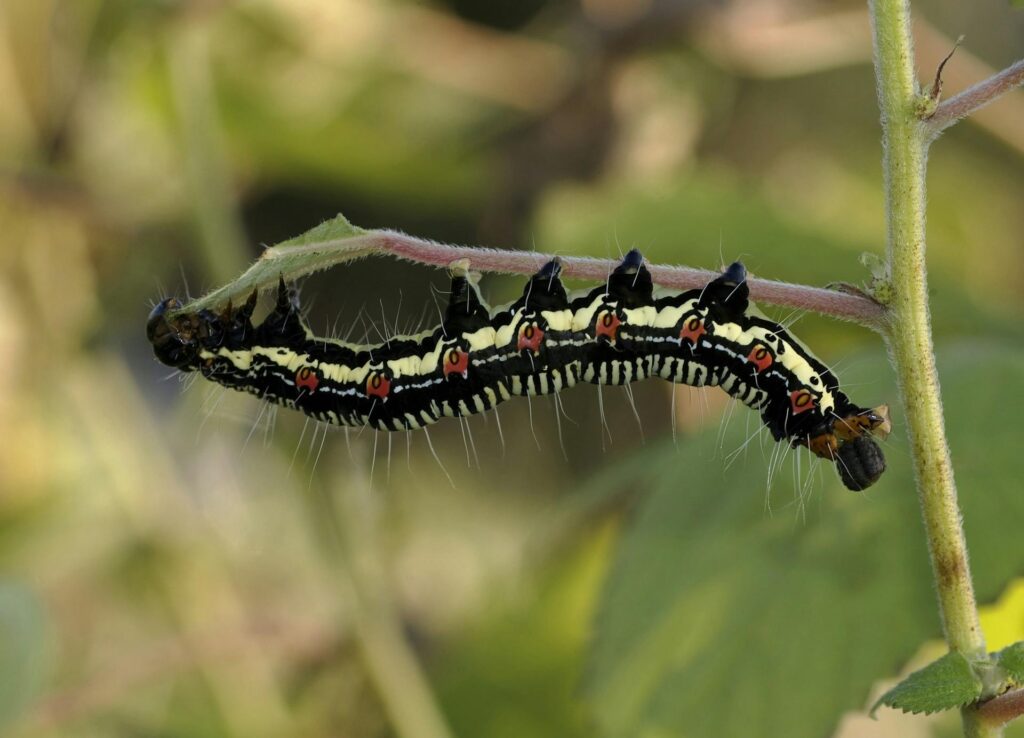
While adult moths might seem harmless as they flutter around your home, it’s actually their larvae that cause significant damage to wool rugs, clothing, and other natural fabrics. If you’ve noticed thinning fabric, small holes, or shed casings in your storage areas, you might already be dealing with an infestation. Without taking immediate action, these destructive pests can cause costly damage to your valuable textiles.
How Moth Larvae Target Wool and Natural Fabrics
Moths specifically seek out wool, silk, cashmere, and other natural fibers to lay their eggs. Once hatched, their larvae feed on keratin, a protein found in animal-based textiles. Unlike synthetic fabrics, wool and other natural materials provide the nutrients these larvae need to grow and develop. As they feed, these tiny pests chew through fibers, leaving behind telltale holes and webbing.
What makes moth larvae particularly problematic is their preference for undisturbed areas in your home. Stored clothing, rugs in low-traffic rooms, and dark closet corners create ideal environments for them to thrive. If left unchecked, they can multiply rapidly, spreading damage to other textiles throughout your home.
Signs of Wool Rug Pests and Clothing Damage
Here are some signs that you might be dealing with pests that need to be dealt with by a professional pest control service.
Small Holes and Fabric Thinning
The most obvious sign of a moth larva infestation is visible damage to your fabrics. Look for irregular holes in clothing or patches of thinning wool on rugs, which indicate active larvae feeding. This damage often appears in hidden or folded areas where moths prefer to lay their eggs, making it easy to miss during casual observation.
Silk Webbing and Casings
As moth larvae feed on your textiles, they spin silk webbing that serves as both protection and a feeding tunnel. This fine, sticky material can be found in closets, drawers, and on rugs. If you notice web-like strands near damaged clothing or along rug edges, it’s a strong indication that larvae are present and actively feeding.
Shed Skins and Fecal Pellets
As larvae grow, they periodically shed their skins, leaving behind translucent, shell-like remains that you might find near infested fabric. Along with these casings, moth larvae also leave tiny, dark fecal pellets. Though these might be easily mistaken for dust, they’re actually concentrated remnants of digested fabric—a clear sign of an active infestation in your closets or storage areas.
Increased Adult Moth Activity
While adult moths don’t actually feed on fabric themselves, their increased presence signals a breeding population in your home. If you frequently spot moths flying near your closets or storage spaces, it’s likely that eggs have already been laid on your valuable textiles. This warning sign shouldn’t be ignored, as it indicates the potential for significant damage to come.
Clothing Pest Prevention and Wool Rug Protection
Here are some ways you can prevent moth larvae from destroying your fabrics.
Store Clothing Properly
Moth larvae thrive in undisturbed fabrics, making proper storage essential for prevention. Store your off-season clothing in airtight containers or specially designed garment bags that moths can’t penetrate. Vacuum-sealed bags work particularly well for protecting wool, silk, and other high-risk fabrics during long periods of storage.
Clean Rugs and Upholstery Regularly
Make it a habit to vacuum your rugs, carpets, and upholstered furniture frequently. Pay special attention to edges and undersides where moth larvae often hide undetected. For valuable or antique rugs, consider professional cleaning services that can eliminate eggs and larvae before they have a chance to cause significant damage.
Reduce Humidity and Darkness
Moths strongly prefer dark, humid environments for laying their eggs. Using dehumidifiers and maintaining good air circulation in storage areas can make these spaces less attractive to moths. It’s also helpful to periodically open closets and expose stored fabrics to light and movement, as this disruption makes them less appealing nesting sites.
Inspect Secondhand Items
Used rugs, clothing, and upholstery may already carry moth eggs or larvae when you bring them home. Before introducing any secondhand textiles into your home, inspect them thoroughly for signs of damage or infestation. Whenever possible, wash or dry-clean these items to eliminate any hidden pests before storing them with your other belongings.
Seal Entry Points
You can prevent moths from entering your home in the first place by carefully sealing cracks around windows, doors, and vents. Since moths can enter through surprisingly small openings, this preventive measure can significantly reduce the risk of them laying eggs in hidden areas of your home before you even notice their presence.
Protecting Your Home from Persistent Infestations
If you continue to discover moth damage despite implementing preventive measures, it may be time to consider professional pest control. Our experts can assess the severity of your infestation and implement targeted treatments that address both active larvae and potential egg sites.
We offer inspections to identify all areas affected by moth activity and pests in your home. Get a free quote today to learn how we can help protect your valuable textiles from these destructive pests.