Sign-in to Account
Call Us

(855) 948-5816

aptive_pest_control_lockup-white

Find Service Area

Rats in Homes: How Common Are They Really?

Written by Aptive Pest Control September 17, 2024

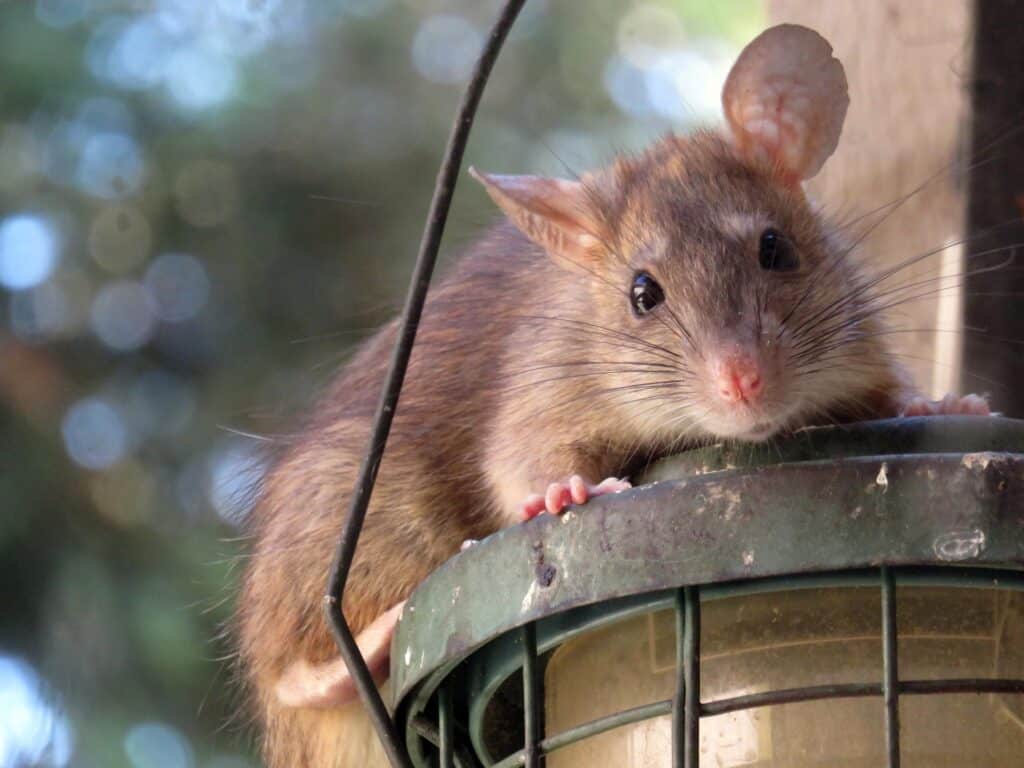
Rats in homes are more common than many people realize, and their presence can lead to significant problems, including health risks and property damage. This guide will help you understand how to get rid of rats in your home and protect your property from infestations.

How Common Are Rats in Homes?

Rats are a widespread problem, especially in urban and suburban areas. Here’s a closer look at where they thrive:

Urban Areas

  • High population density: In cities, the close proximity of homes and businesses creates an ideal environment for rats. They have easy access to food, water, and shelter, encouraging their presence in residential areas.
  • Older buildings: Many urban areas have older buildings with cracks, holes, and other entry points, making it easier for rats to get inside. These structures often provide ample hiding spots for rats to nest and breed.
  • Public waste: Rats are drawn to areas with high levels of public waste. Overflowing garbage bins, litter, and poorly maintained alleys are common in urban settings, providing rats with a constant food source.

Suburban Areas

  • Proximity to natural habitats: Suburban homes are often near parks, woodlands, or other natural areas where rats live. These locations offer rats an easy transition from outdoor environments to the warmth and safety of homes.
  • Yard and garden features: Gardens, compost piles, bird feeders, and other outdoor features can attract rats to suburban properties. Once on your property, they may find their way into your home.
  • Pet food: Unsecured pet food left outside or in garages can attract rats, leading to an infestation.

Rural Areas

  • Farm proximity: Homes near farms or agricultural areas are at a higher risk of rat infestations. Rats are drawn to crops, grain storage, and livestock feed.
  • Natural cover: Rural homes surrounded by fields, forests, or other natural cover are attractive to rats. They can use this cover to move into barns, sheds, and eventually your home.

3 Factors Contributing to Rat Infestations in Homes

Several factors can increase the likelihood of rats entering your home. These include the following:

Access to Food and Water

  • Garbage and food waste: Rats are opportunistic feeders. They are attracted to any accessible food sources, including garbage, compost, pet food, and crumbs.
  • Water sources: Rats require water to survive. Leaking pipes, pet water bowls, and condensation can give them the moisture they need.

Shelter and Nesting Sites

  • Clutter: Clutter areas around your home give rats hiding spots and nesting materials. Basements, attics, garages, and storage areas are common places where rats build their nests.
  • Warmth: Rats often seek out warm places during colder months, increasing infestations in the winter.

Structural Issues

  • Entry points: Rats can squeeze through small gaps, holes, and cracks in your home’s foundation, walls, and roof. Poorly sealed windows and doors are also common entry points.
  • Overgrown vegetation: Overgrown bushes, vines, and other vegetation near your home can provide rats with a pathway to your home. Tree branches that touch your roof can also offer easy access.

When to Call a Professional

If you notice signs of a rat infestation, such as droppings, gnaw marks, or strange noises, it’s crucial to act quickly. Here’s when you should consider calling a pest control service:

  • Infestation: Professional intervention is necessary if the number of rats in your home seems overwhelming or is growing rapidly.
  • Structural damage: Rats can cause significant damage to wiring, insulation, and other structural components of your home.
  • Health concerns: Rats are known carriers of diseases that can pose serious health risks to you and your family. If you’re concerned about contamination, it’s best to seek professional help.

Take Action Against Rats With Aptive’s Rat Control Solutions

Don’t let rats in your home create more problems. If you suspect a rat infestation, contact us today for tailored expert assistance. Our team of experienced professionals can provide you with a customized rat control solution to keep your home protected.
Curated articles for you, from our pest experts.

A White Bookshelf Filled With A Vibrant Assortment Of Hardcover Books Arranged Neatly By Color, With Titles In Various Fonts And Sizes Creating A Visually Striking Rainbow Pattern.

Booklice 101: What Are Booklice?

Booklice are tiny, harmless insects commonly found in homes with moisture problems, feeding on mold, fungi, and microscopic organic matter rather than actually damaging books despite their misleading common name. These minute creatures appear suddenly in humid...

Nov 25, 2025

Why Do Bugs Appear in the Bathroom More Than Anywhere Else

You observe disproportionate pest activity in bathrooms compared to other household rooms, noticing insects including silverfish, cockroaches, and drain flies appearing regularly despite cleaning efforts, suggesting these spaces provide uniquely attractive...

Nov 25, 2025
A Close-Up Image Of A Dead Cockroach Lying On Its Back On A Rough Concrete Surface. Its Legs And Antennae Are Curled Upward, And Its Brown Exoskeleton Is Clearly Visible.

Why Dead Bugs Attract More Bugs

You observe clusters of dead insects in corners or windowsills accompanied by live insects including beetles, flies, or ants, suggesting decomposing insects attract additional pest activity rather than simply accumulating passively.  Dead insects release...

Nov 25, 2025
A Detailed Image Of A Basement Laundry And Utility Room With Exposed Wooden Beams, A Washer And Dryer, A Water Softener, Ductwork, And A Water Heater Unit Against A Brick And Wood-Paneled Wall.

Why Do Basements and Attics Host Different Pest Species

You observe distinct pest types in different vertical zones of your home—moisture-seeking insects in basements while overwintering pests concentrate in attics—suggesting these spaces provide fundamentally different environmental conditions attracting...

Nov 25, 2025
Modern Suburban Home With Beige Siding, Dark Shutters, And A Clean Black Roof, Featuring A Well-Maintained Lawn And A Triple Garage Under A Colorful Evening Sky.

Why Do Pests Return After Moving Out of a Home

You vacate a property expecting pest activity to cease without human occupancy, yet observe infestations reestablishing or intensifying during vacancy periods, suggesting pests exploit conditions created by unoccupied structures rather than requiring active human...

Nov 20, 2025
A Group Of Small Potted Plants, Including A Fuzzy Cactus, A Green Succulent, And A Taller Reddish Succulent, Arranged On A Windowsill With Sheer Lace Curtains Softly Filtering Daylight In The Background.

Why Windowsills Become Hotspots for Insect Activity

You observe disproportionate insect activity concentrated on windowsills compared to other household areas, finding dead and live insects including flies, ladybugs, spiders, and various other species clustered near glass surfaces.  Windowsills attract insects...

Nov 20, 2025
A Dimly Lit Indoor Scene Showing A Rainy Window With Water Droplets On The Glass. Two Lit Candles Sit On The Windowsill, One On Each Side, With A Wooden Incense Holder And An Unlit Incense Stick Placed Between Them. The View Outside Is Blurry, Showing Overcast Skies And Faint Outlines Of Trees And Buildings.

How Humidity Levels Influence Pest Survival Indoors

You discover insects concentrated in bathrooms, basements, and other damp areas despite keeping other rooms free of pests, suggesting moisture levels fundamentally determine where certain pest species can survive and establish.  Indoor humidity directly...

Nov 18, 2025
A Bright Indoor Scene Featuring Several Potted Houseplants On And Around An Orange Wooden Cabinet. A Trailing Pothos Vine Climbs The Wall, A Rubber Plant Sits In A Large White Ceramic Pot, And Another Leafy Plant Is In A Patterned Pot Beside Several Books. A Small Elephant-Shaped Planter Holds A Thin-Leaved Plant. Framed Botanical Artwork Hangs On The Wall Above, And Lush Green Leaves From Additional Plants Fill The Right Side Of The Image.

Top 5 Tips for Avoiding Thrips

Preventing thrips infestations requires proactive strategies that address how these tiny pests enter gardens, the conditions that favor their reproduction, and early detection methods that allow intervention before populations reach damaging levels.  Thrips...

Nov 18, 2025
A Close-Up Macro Image Of An Argentine Ant (Linepithema Humile) On A Green Leaf. The Ant’s Segmented Body, Including Its Reddish-Brown Head And Large Black Abdomen, Is Sharply In Focus Against The Blurred Green Background.

Top 5 Most Common Pests to Worry About in the Pacific Northwest

The Pacific Northwest's mild, wet climate and dense urban-forest interface create ideal conditions for numerous pest species that thrive in the region's consistent moisture, moderate temperatures, and abundant vegetation. Homeowners in Washington, Oregon, and...

Nov 12, 2025
A Small Snail With A Light Brown Shell Crawling On A Green Leaf Covered In Water Droplets, With A Blurred Green Background.

Top 5 Most Common Pests in Your Home Garden

Home gardens face constant challenges from insect and invertebrate pests that damage vegetables, flowers, and ornamental plants through their feeding activities, virus transmission, and rapid population growth under favorable conditions. Understanding the most...

Nov 12, 2025

Take back your home with pest control today.