Call Now and Ask About the Winter Deal While it Lasts →

Sign-in to Account
Call Us

(855) 948-5816

aptive_pest_control_lockup-white

Find Service Area

Preventing Snail Damage in Your Vegetable Garden: Effective Strategies

Written by Aptive Pest Control August 19, 2024

Nothing can be more disheartening than witnessing the slow devastation of your vegetable garden by snails and other garden pests. If you’re struggling with preventing snail damage, you’ve come to the right place. This article will equip you with knowledge and strategies to protect your green investments effectively.

How to Identify Snail Damage in Your Garden
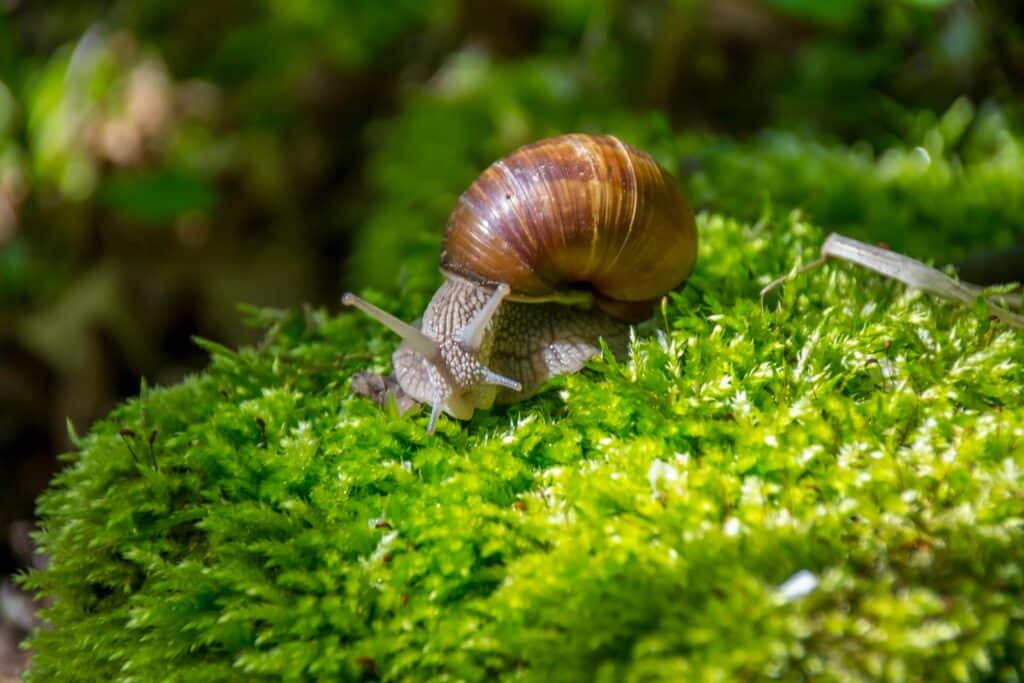
A Close-Up Image Of A Snail With A Brown Shell Crawling On A Moss-Covered Surface In A Natural Setting.

Snail damage is relatively easy to identify. Look for these signs in your garden:

  • Holes in Leaves: Snails eat holes in leaves, which can be large or small, depending on the snail’s size.
  • Silvery Trails: Snails leave behind a shiny trail of mucus as they move.
  • Young Plant Damage: Snails often consume the tender parts of young plants, which can severely stunt growth or even kill the plants.

Identifying the problem early can help you implement strategies to mitigate damage effectively.

What Are the Risks of Snails in your Garden?

Snails pose several risks in the garden:

  • Plant Health: Beyond physical damage, snail activity can make plants more susceptible to diseases.
  • Crop Yield: Significant snail populations can reduce the overall yield of your garden by damaging a large proportion of your plants.
  • Aesthetic Damage: Snail damage can make vegetables and other garden plants less visually appealing, potentially reducing their market value if you’re selling your produce.

Will Snails Kill My Vegetables?
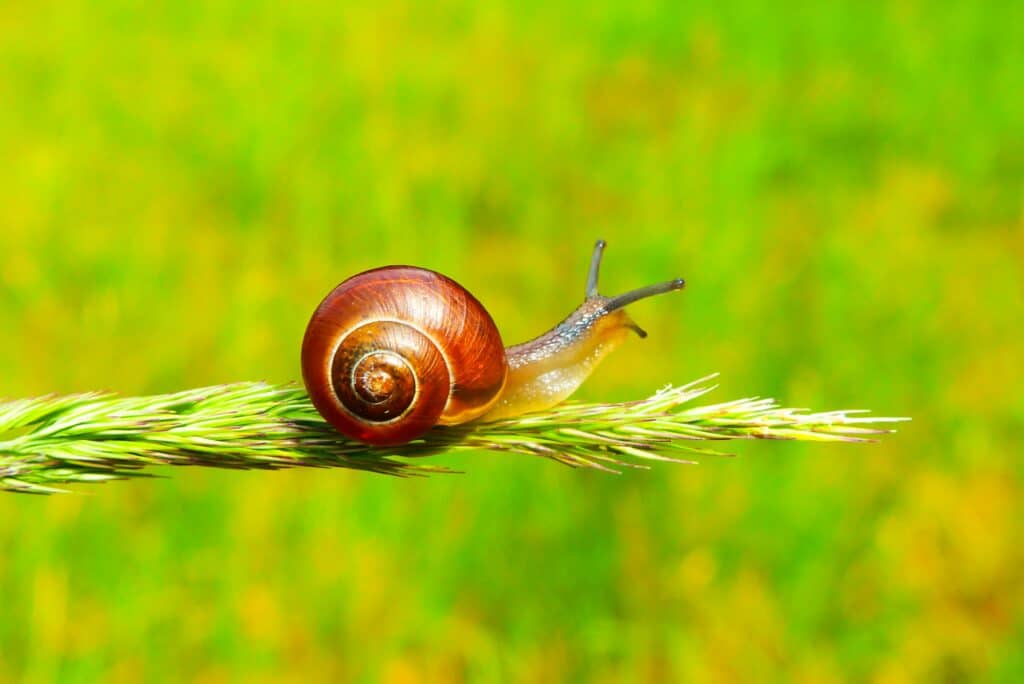
A Close-Up Image Of A Snail With A Brown Shell Crawling Along A Green Blade Of Grass Against A Bright Green Background.

While snails are unlikely to kill all your vegetables, they can cause substantial damage if their population isn’t controlled. They are particularly harmful to young soft plants and can severely impact the health and productivity of more established plants if left unchecked.

5 Tips for Preventing Snail Damage

Snail control in gardens can be effective. Implementing these tips can reduce the risk of snail damage in your vegetable garden:

  1. Utilize Barriers: Create barriers around your garden beds using copper tape, crushed eggshells, or diatomaceous earth. Snails are deterred by these materials and will often turn back rather than cross them.
  2. Remove by Hand: Regularly inspect your garden in the evening or early morning and manually remove any snails you find. This is very effective when done consistently.
  3. Attract Natural Predators: Encourage the presence of birds and beneficial insects that prey on snails, such as ground beetles and fireflies, by creating a welcoming habitat for them.
  4. Water in the Morning: Snails are most active at night and in moist conditions. Watering your garden in the morning allows the soil to dry during the day, making it less attractive to snails.
  5. Use Snail Baits Wisely: If natural methods are insufficient, consider using snail bait. Opt for iron phosphate baits, which are safer for pets and wildlife compared to more toxic varieties.

Investing in Pest Control for Snails
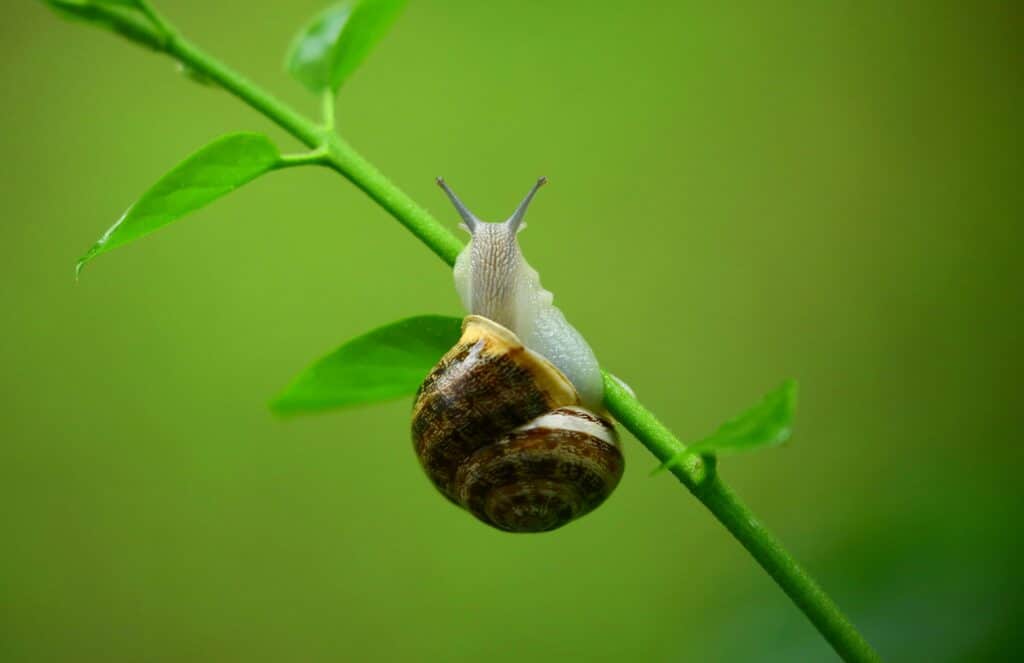
A Close-Up Image Of A Snail With A Striped Brown Shell Climbing A Green Stem With Small Leaves, Set Against A Blurred Green Background.

For severe infestations, investing in professional pest control for snails may be necessary. Pest control experts can offer more robust solutions that are tailored to your specific garden needs and snail challenges. These professionals can help ensure that your efforts are both effective and sustainable over time.

By adopting these strategies, you can enjoy a flourishing vegetable garden. The trick to effective snail management is consistency and early intervention. Monitor your garden regularly and act fast at the first sign of snails.

If you’re facing persistent snail problems and need more specialized help, don’t hesitate to reach out to us. Let us help you secure the health of your garden with expert pest control solutions.
Curated articles for you, from our pest experts.

A Detailed Close-Up Image Of A Dark, Segmented Isopod Crawling On A Bed Of Dry Twigs, Leaves, And Soil. A Smaller Isopod Is Visible Nearby, Both Surrounded By Textured Ground Debris.

What Are Isopods in the Garden?

Isopods are beneficial soil-dwelling crustaceans commonly found in gardens where they play important ecological roles breaking down organic matter and contributing to soil health through their decomposition activities. These armor-plated creatures including...

Dec 2, 2025
A Vibrant Blue Wooden Door Framed By A Terracotta Wall And Surrounded By Cascading Green, Yellow, And Purple Vines, With House Number 5 Above The Entrance And A Small Stone Staircase Visible Inside.

The Importance of Sealing Entry Points Before Winter

You recognize that cooling fall temperatures trigger pest movement from outdoor environments into heated structures, with proper timing of exclusion work proving critical for preventing winter infestations.  Sealing entry points before winter proves important...

Dec 2, 2025
Modern Kitchen With White Cabinets, Stainless Steel Appliances, And A Decorative Tile Backsplash, Featuring A Wooden Tray With Decorative Items On The Countertop.

Why You Keep Finding Cobwebs Even After Cleaning

You remove cobwebs from corners, ceilings, and furniture only to discover new webs appearing within days or even hours, suggesting ongoing spider activity rather than residual old webs from previous occupation. Cobwebs keep reappearing after cleaning because active...

Dec 2, 2025
A Close-Up Image Of A Green Lacewing Insect Perched On A Fuzzy Plant Stem, Showing Its Delicate Transparent Wings With Iridescent Purple And Blue Hues And Long Antennae, Set Against A Dark Blurred Background.

Lacewings 101: What Are Lacewings?

Lacewings are among the most valuable beneficial insects in gardens and agricultural systems, with their voracious larvae earning the nickname "aphid lions" for their remarkable predatory capabilities consuming hundreds of pest insects during development. These...

Nov 25, 2025
A White Bookshelf Filled With A Vibrant Assortment Of Hardcover Books Arranged Neatly By Color, With Titles In Various Fonts And Sizes Creating A Visually Striking Rainbow Pattern.

Booklice 101: What Are Booklice?

Booklice are tiny, harmless insects commonly found in homes with moisture problems, feeding on mold, fungi, and microscopic organic matter rather than actually damaging books despite their misleading common name. These minute creatures appear suddenly in humid...

Nov 25, 2025
A Clean, Modern Bathroom Featuring A White Toilet, A Bathtub With A Handheld Showerhead, A Glass-Enclosed Shower Stall, And A Vessel Sink Mounted On A Black Vanity. The Walls Are Tiled, And A Window With Metal Security Bars Allows Natural Light Into The Space.

Why Do Bugs Appear in the Bathroom More Than Anywhere Else

You observe disproportionate pest activity in bathrooms compared to other household rooms, noticing insects including silverfish, cockroaches, and drain flies appearing regularly despite cleaning efforts, suggesting these spaces provide uniquely attractive...

Nov 25, 2025
A Close-Up Image Of A Dead Cockroach Lying On Its Back On A Rough Concrete Surface. Its Legs And Antennae Are Curled Upward, And Its Brown Exoskeleton Is Clearly Visible.

Why Dead Bugs Attract More Bugs

You observe clusters of dead insects in corners or windowsills accompanied by live insects including beetles, flies, or ants, suggesting decomposing insects attract additional pest activity rather than simply accumulating passively.  Dead insects release...

Nov 25, 2025
A Detailed Image Of A Basement Laundry And Utility Room With Exposed Wooden Beams, A Washer And Dryer, A Water Softener, Ductwork, And A Water Heater Unit Against A Brick And Wood-Paneled Wall.

Why Do Basements and Attics Host Different Pest Species

You observe distinct pest types in different vertical zones of your home—moisture-seeking insects in basements while overwintering pests concentrate in attics—suggesting these spaces provide fundamentally different environmental conditions attracting...

Nov 25, 2025
Modern Suburban Home With Beige Siding, Dark Shutters, And A Clean Black Roof, Featuring A Well-Maintained Lawn And A Triple Garage Under A Colorful Evening Sky.

Why Do Pests Return After Moving Out of a Home

You vacate a property expecting pest activity to cease without human occupancy, yet observe infestations reestablishing or intensifying during vacancy periods, suggesting pests exploit conditions created by unoccupied structures rather than requiring active human...

Nov 20, 2025
A Group Of Small Potted Plants, Including A Fuzzy Cactus, A Green Succulent, And A Taller Reddish Succulent, Arranged On A Windowsill With Sheer Lace Curtains Softly Filtering Daylight In The Background.

Why Windowsills Become Hotspots for Insect Activity

You observe disproportionate insect activity concentrated on windowsills compared to other household areas, finding dead and live insects including flies, ladybugs, spiders, and various other species clustered near glass surfaces.  Windowsills attract insects...

Nov 20, 2025

Take back your home with pest control today.