Aphids can become a persistent and frustrating problem for gardeners trying to grow healthy tomatoes. These tiny pests feed on the sap inside stems and leaves, gradually weakening your plants and leaving them vulnerable to further damage and disease. If left unchecked, aphids can significantly stunt growth, cause leaves to curl unnaturally, and even attract additional destructive pests to your garden.
What Are Aphids?
Aphids are small, soft-bodied insects that specialize in extracting sap from plants. They belong to a large group of pests known for their incredibly rapid reproduction rates and their ability to spread various plant diseases. These pests can appear in different colors—green, yellow, black, or red—depending on the specific species. You’ll typically find them gathered in clusters on the undersides of leaves or along the stems of your plants.
Using their specialized needle-like mouthparts, aphids pierce plant tissues to extract the nutrient-rich sap, gradually weakening the plant over time. Their feeding not only deprives your tomato plants of essential nutrients but also leaves behind honeydew, a sticky substance that attracts ants and promotes the growth of sooty mold on your plants.
Why Aphids Target Tomato Plants
Tomato plants provide everything aphids need to thrive—tender new growth, easy access to nutritious plant juices, and relatively minimal natural resistance to these pests. As aphids continue to feed, your plants become increasingly weakened, making it difficult for tomatoes to develop properly and potentially reducing your harvest.
These garden pests reproduce at an astonishing rate, with some species capable of producing multiple generations in just a single growing season. What starts as a small population can explode into a full-blown infestation in as little as a few weeks. What makes aphids particularly problematic is that females don’t need males to reproduce—a single female aphid can establish an entire colony on your tomato plants without any external intervention.
Signs of Aphid Infestations on Tomato Plants
Here are some common signs that you might be dealing with an aphid infestation on your tomato plants. If you see a number of these, you might want to consider contacting a professional pest control service to evaluate the problem.
Curled and Distorted Leaves
One of the first signs you might notice is that your tomato plant leaves begin to curl and twist in unusual ways. This happens because aphids extract sap from the leaves, causing physical distortion. This damage disrupts the plant’s ability to photosynthesize effectively and weakens it over time, potentially reducing your tomato yield.
Sticky Residue on Leaves and Stems
As aphids feed, they excrete a sugary substance called honeydew, which coats the surfaces of your plants. You might notice this sticky residue on leaves and stems, which not only feels tacky to the touch but also attracts ants and promotes the growth of sooty mold. This black fungal growth can further damage your plants by blocking sunlight from reaching the leaves.
Stunted Growth
Young tomato plants that seem to struggle with growth may be suffering from aphid infestations. When these pests consume too much sap, the plant lacks the nutrients it needs for proper development. You might notice that infested plants appear smaller, less vigorous, and produce fewer tomatoes compared to healthy plants.
Visible Clusters of Aphids
With a careful inspection, you can often spot the aphids themselves gathered in groups, usually on the undersides of leaves or along stems. While they’re small, they’re visible to the naked eye, appearing in colors ranging from green to black, yellow, or red depending on the species. These clusters indicate an active infestation that needs to be addressed.
Secondary Pests Attracted by Aphids
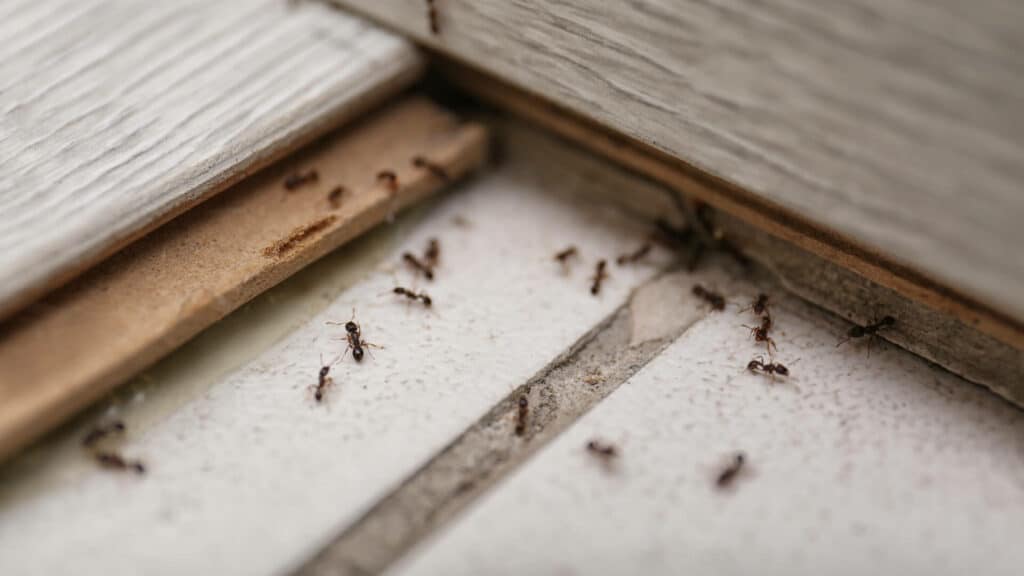
Aphids don’t just damage plants directly—they also attract other pests that can compound your garden problems. Ants, for example, are drawn to the sweet honeydew that aphids produce and may actually protect aphids from natural predators. This symbiotic relationship makes it harder to eliminate an infestation once it’s established.
Additionally, aphids can introduce viruses to your tomato plants, leading to leaf discoloration, fruit deformities, and overall decline in plant health. Managing aphids early in the growing season significantly reduces the risk of viral transmission and prevents further damage to your valuable tomato crop.
Garden Pest Prevention Tips
Here are some tips to help you avoid attracting aphids to the plants in your garden so you don’t end up with a larger infestation.
Inspect Plants Regularly
Early detection is absolutely key to stopping an aphid infestation before it spreads throughout your garden. Make it a habit to check the undersides of leaves and stems for aphid activity every few days, especially during the growing season. Pay special attention to new growth, which is particularly attractive to aphids.
Keep the Garden Clean
Keeping your garden clean and free of debris can significantly reduce aphid problems. Remove plant debris and weeds that may harbor aphids or provide them with alternative food sources. Maintaining a tidy garden reduces potential hiding spots and makes infestations less likely to establish themselves.
Avoid Overfertilizing
It might surprise you to learn that overfertilizing can actually increase aphid problems. Excess nitrogen promotes rapid, soft plant growth, which aphids particularly prefer. Maintaining a balanced fertilization schedule with moderate nitrogen levels provides your plants with necessary nutrients without creating ideal conditions for aphids.
Space Plants Properly
Overcrowded tomato plants create an ideal environment for aphids to thrive and spread quickly. Proper spacing between plants improves airflow and reduces humidity, creating conditions that are less favorable for aphids. This simple preventive measure can make a significant difference in keeping pest populations under control.
Need Professional Help?
If aphids continue to return despite your best prevention efforts, larger or more persistent infestations may be present in your garden. Widespread aphid problems can weaken multiple plants and attract secondary pests, creating a cycle that’s difficult to break without expert intervention.
Our pest control specialists can provide targeted aphid control solutions for your garden that address current aphid problems while helping prevent future infestations. We offer inspections to identify potential factors contributing to recurring aphid issues in your garden. Get a free quote today to learn how we can help you protect your tomato plants and enjoy a healthier, more productive garden.