Call Now and Ask About the Winter Deal While it Lasts →

Sign-in to Account
Call Us

(855) 948-5816

aptive_pest_control_lockup-white

Find Service Area

How to Become a Pest Control Technician

Written by Aptive Pest Control December 23, 2019

Updated February 7, 2023

Do you want to become a pest control technician? As great as this path of work is, it’s not always an ideal fit. This article shares who should pursue this career, what it takes to become certified, how much a technician makes, and more. Keep reading to learn more – you might have just stumbled across your dream career!

Is a Pest Control Technician Job a Good Fit?

Some people love their time in pest control, while others can’t stand it. To ensure you’d be a good fit and avoid a time-wasting experience, you need to first make sure you’re not scared of insects, rodents, or other pests. You also should be able to work both alone and in a team. Overall, you will likely be a good fit if you want to help protect people and their property against pests.

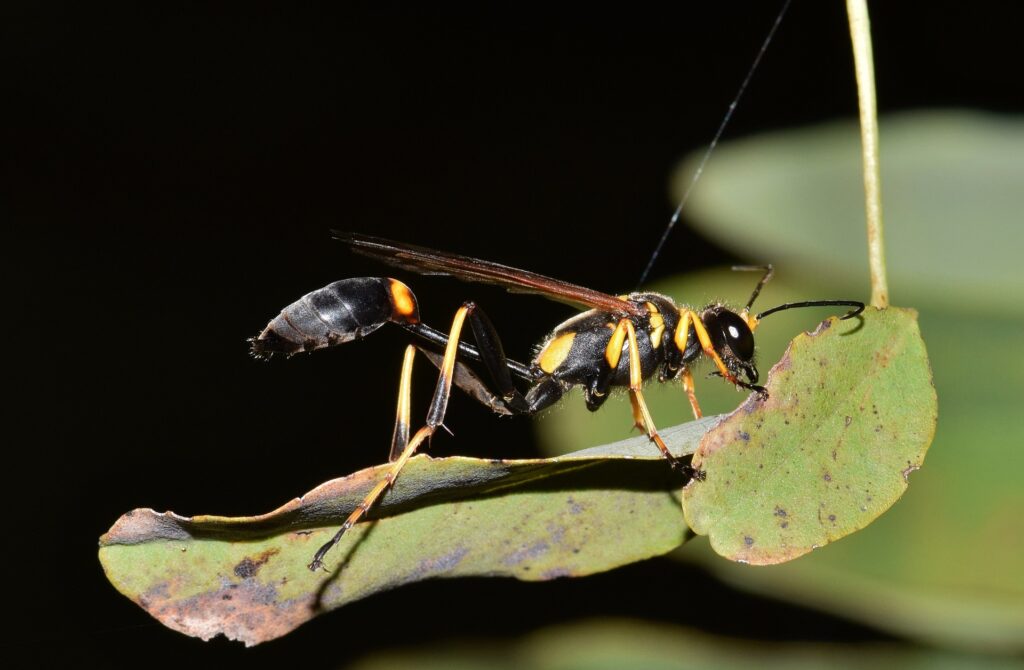
A good memory is a plus since you’ll be expected to remember the various types of bugs and their qualities. For example, you will likely be expected to identify baby cockroaches or even something more intricate like blue mud dauber wasps. It will be much easier if you can remember this type of knowledge.

What Pest Control Technicians Do

Another way to figure out if the job is right for you is to examine what technicians do on a daily basis. Typically, the job involves driving to clients homes and inspecting their buildings. The technician will determine if treatment is needed, what kind of treatment would be best, and how much it will cost the client. Then, they treat infested areas with pesticides, traps, or extreme heat.

How Much Do Pest Control Technicians Make?

On a yearly basis, a technician can make anywhere from $25,000 to about $46,000 per year. Your wage will depend on the state you live in.

Dangerous of Becoming a Pest Technician

While you might imagine the job will be dangerous because you will be dealing with toxic pesticides, this won’t be the case as long as you are properly trained by your employer.

How to Become a Pest Control Specialist

Education (High School Diploma or GED)

You don’t need to have a 4-year degree or even an associate degree to pursue a pest-related position. However, your pest control technician resume typically requires a high school diploma or GED. The most important schooling for this position involves a training program that we share more about below.

Clean Driving Record and Background

Since technicians often drive around the city to treat clients in employer cars, many companies require a good driving record. Additionally, employers will require a background check to ensure you don’t have any past convictions.

Training Programs

Every pest control technician is required to go through a training program through a community college, technical center, university extension program, or special pest control training center. Before you join one, you need to make sure it’s recognized by your state pesticide regulatory board. This will involve basis classroom training that will prepare you for an entry-level job, then further knowledge will be gained on the job. There are also additional certifications you can receive (plus, some employers provide raises when you receive additional training).

On a side note, some employers will hire you before you’ve completed this training program and pay to put you through it (like Aptive Pest Control). This is a great way to get free training and ensure you will be able to put your knowledge to use right once you’re finished.

On-the-Job Training

Once you’ve become certified after the classroom training program, you can look for a job and begin training. Each employer is different, but training typically lasts about 3 months. After this, you can finally go out and independently treat clients for their pest problems.

Now that you know what it takes to become a pest control technician, check out opportunities at Aptive Pest Control. Not only do we pay for training and certification, we offer sales commission in addition to regular pay! We have offices all over the United States and are committed to keeping homes protected from pests.
Curated articles for you, from our pest experts.

A Detailed Close-Up Image Of A Dark, Segmented Isopod Crawling On A Bed Of Dry Twigs, Leaves, And Soil. A Smaller Isopod Is Visible Nearby, Both Surrounded By Textured Ground Debris.

What Are Isopods in the Garden?

Isopods are beneficial soil-dwelling crustaceans commonly found in gardens where they play important ecological roles breaking down organic matter and contributing to soil health through their decomposition activities. These armor-plated creatures including...

Dec 2, 2025
A Vibrant Blue Wooden Door Framed By A Terracotta Wall And Surrounded By Cascading Green, Yellow, And Purple Vines, With House Number 5 Above The Entrance And A Small Stone Staircase Visible Inside.

The Importance of Sealing Entry Points Before Winter

You recognize that cooling fall temperatures trigger pest movement from outdoor environments into heated structures, with proper timing of exclusion work proving critical for preventing winter infestations.  Sealing entry points before winter proves important...

Dec 2, 2025
Modern Kitchen With White Cabinets, Stainless Steel Appliances, And A Decorative Tile Backsplash, Featuring A Wooden Tray With Decorative Items On The Countertop.

Why You Keep Finding Cobwebs Even After Cleaning

You remove cobwebs from corners, ceilings, and furniture only to discover new webs appearing within days or even hours, suggesting ongoing spider activity rather than residual old webs from previous occupation. Cobwebs keep reappearing after cleaning because active...

Dec 2, 2025
A Close-Up Image Of A Green Lacewing Insect Perched On A Fuzzy Plant Stem, Showing Its Delicate Transparent Wings With Iridescent Purple And Blue Hues And Long Antennae, Set Against A Dark Blurred Background.

Lacewings 101: What Are Lacewings?

Lacewings are among the most valuable beneficial insects in gardens and agricultural systems, with their voracious larvae earning the nickname "aphid lions" for their remarkable predatory capabilities consuming hundreds of pest insects during development. These...

Nov 25, 2025
A White Bookshelf Filled With A Vibrant Assortment Of Hardcover Books Arranged Neatly By Color, With Titles In Various Fonts And Sizes Creating A Visually Striking Rainbow Pattern.

Booklice 101: What Are Booklice?

Booklice are tiny, harmless insects commonly found in homes with moisture problems, feeding on mold, fungi, and microscopic organic matter rather than actually damaging books despite their misleading common name. These minute creatures appear suddenly in humid...

Nov 25, 2025
A Clean, Modern Bathroom Featuring A White Toilet, A Bathtub With A Handheld Showerhead, A Glass-Enclosed Shower Stall, And A Vessel Sink Mounted On A Black Vanity. The Walls Are Tiled, And A Window With Metal Security Bars Allows Natural Light Into The Space.

Why Do Bugs Appear in the Bathroom More Than Anywhere Else

You observe disproportionate pest activity in bathrooms compared to other household rooms, noticing insects including silverfish, cockroaches, and drain flies appearing regularly despite cleaning efforts, suggesting these spaces provide uniquely attractive...

Nov 25, 2025
A Close-Up Image Of A Dead Cockroach Lying On Its Back On A Rough Concrete Surface. Its Legs And Antennae Are Curled Upward, And Its Brown Exoskeleton Is Clearly Visible.

Why Dead Bugs Attract More Bugs

You observe clusters of dead insects in corners or windowsills accompanied by live insects including beetles, flies, or ants, suggesting decomposing insects attract additional pest activity rather than simply accumulating passively.  Dead insects release...

Nov 25, 2025
A Detailed Image Of A Basement Laundry And Utility Room With Exposed Wooden Beams, A Washer And Dryer, A Water Softener, Ductwork, And A Water Heater Unit Against A Brick And Wood-Paneled Wall.

Why Do Basements and Attics Host Different Pest Species

You observe distinct pest types in different vertical zones of your home—moisture-seeking insects in basements while overwintering pests concentrate in attics—suggesting these spaces provide fundamentally different environmental conditions attracting...

Nov 25, 2025
Modern Suburban Home With Beige Siding, Dark Shutters, And A Clean Black Roof, Featuring A Well-Maintained Lawn And A Triple Garage Under A Colorful Evening Sky.

Why Do Pests Return After Moving Out of a Home

You vacate a property expecting pest activity to cease without human occupancy, yet observe infestations reestablishing or intensifying during vacancy periods, suggesting pests exploit conditions created by unoccupied structures rather than requiring active human...

Nov 20, 2025
A Group Of Small Potted Plants, Including A Fuzzy Cactus, A Green Succulent, And A Taller Reddish Succulent, Arranged On A Windowsill With Sheer Lace Curtains Softly Filtering Daylight In The Background.

Why Windowsills Become Hotspots for Insect Activity

You observe disproportionate insect activity concentrated on windowsills compared to other household areas, finding dead and live insects including flies, ladybugs, spiders, and various other species clustered near glass surfaces.  Windowsills attract insects...

Nov 20, 2025

Take back your home with pest control today.