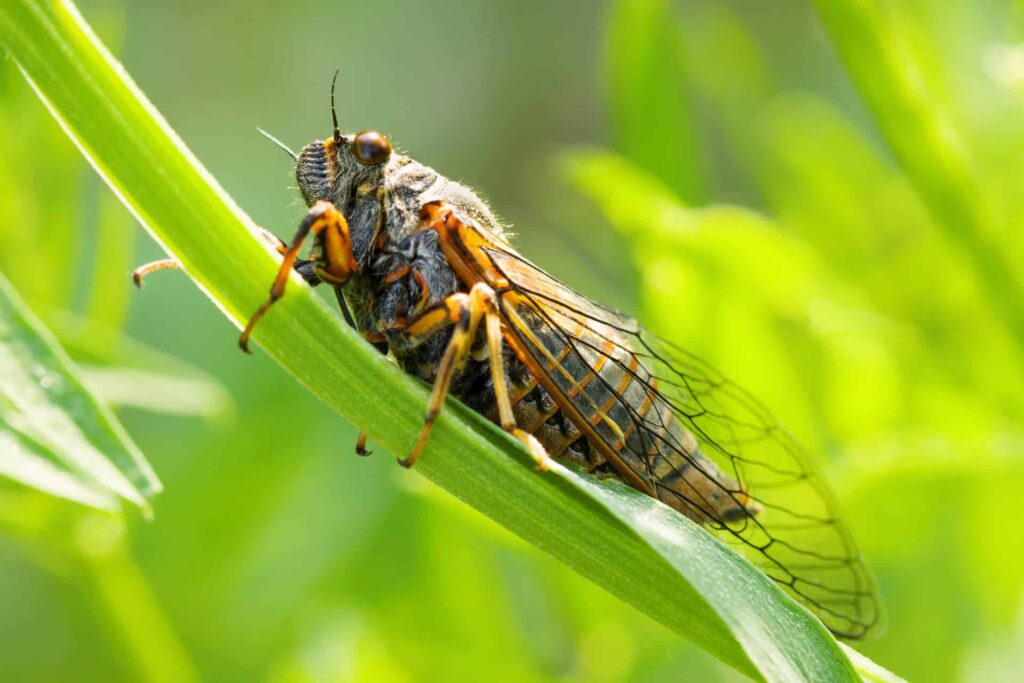
Have you ever wondered where bugs go in the winter? Or perhaps you’ve noticed an uptick in insects around your home as temperatures drop. These occurrences can often be explained by overwintering—a natural process that helps insects survive through the winter season. Let’s explore what insect overwintering is and how it might affect your home.
What Is Insect Overwintering?
Insects have developed fascinating strategies to endure winter’s challenges. Overwintering can occur at any stage of their lifecycle, from eggs to adults, and it typically involves one of two methods: hibernation or migration. While some insects migrate to warmer climates, most rely on hibernation, becoming inactive to conserve energy until spring. The specific approach depends on the species and its stage of development.
How Insects Overwinter
Adults
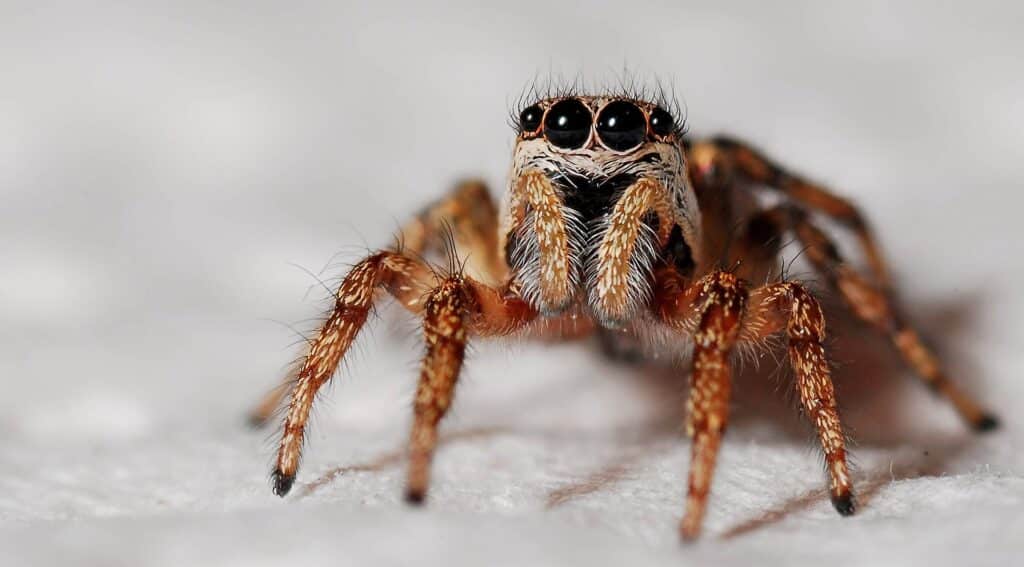
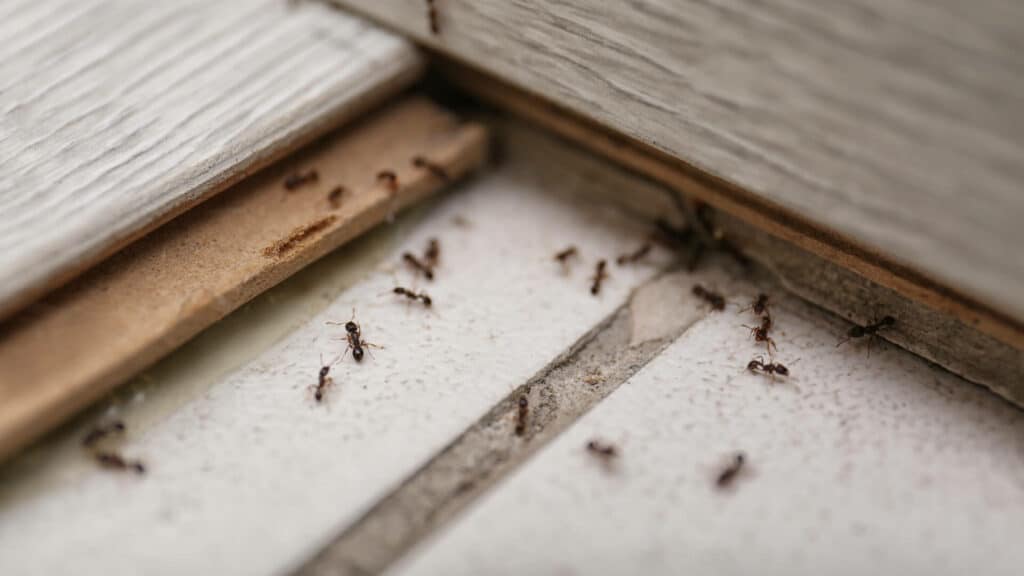
Many adult insects seek shelter under tree bark, rocks, piles of leaves, or even inside buildings to escape the cold. Once they’ve found a safe spot, they hibernate, pausing most activity until warmer weather returns. Common household bugs like spiders and certain other insects may use your home as a refuge.
Larvae
Some insects overwinter as larvae, burrowing into soil or hiding under dense leaf litter. Certain species can even produce a natural antifreeze to survive freezing temperatures, replacing the water in their bodies with protective compounds.
Pupae and Nymphs
Insects in the pupal or nymphal stage may continue to grow and develop during the winter, emerging as adults when spring arrives. Some nymphs even thrive in underwater habitats, surviving beneath frozen surfaces.
Eggs
Though many insects lay fewer eggs during winter, those that do often place them in well-protected environments like soil or hidden crevices. These eggs hatch when conditions become favorable in spring, ensuring the continuation of the species.
How Overwintering Insects Find Food
Food scarcity is a challenge for overwintering insects. Many rely on nutrient-rich microhabitats such as soil, decaying wood, or even plant material. However, others avoid the issue entirely by entering a dormant state where they don’t require food until spring.
Managing Overwintering Insects in Your Home
While most insects that make their way indoors during winter pose a smaller risk and may even be beneficial, having them inside your home can still be an inconvenience. Fortunately, there are steps you can take to help manage this.
Pest Control Tips
- Seal Entry Points: Inspect your home’s foundation, doors, and windows for cracks or gaps. Use caulk or weatherstripping to seal these openings. Don’t forget to check around chimneys and pipes.
- Install Screens: Ensure window screens and door sweeps are in good condition to keep insects out.
- Outdoor Maintenance: Before the cold weather sets in, clear away leaf litter, woodpiles, and other debris near your home that might attract insects.
Handling Insects Already Inside
If bugs do find their way indoors:
- Vacuum Them Up: Use a vacuum to remove insects safely.
- Use Traps: Place insect traps in areas where you notice activity.
- Consult Professionals: If overwintering insects become a recurring issue, consider reaching out to a professional pest control company for assistance.
Common Overwintering Insects
Several types of insects are known to overwinter, and some may seek shelter in your home:
- Stink Bugs: These grayish-brown insects often gather in warm, sunny areas of a home such as attics and kitchens.
- Asian Beetles: Frequently mistaken for ladybugs, these red or orange beetles with black spots are drawn to well-lit areas.
- Boxelder Bugs: Black insects with red or orange markings often congregate in sunny spots inside homes.
- Cluster Flies: Attracted to light, these gray flies may end up in upstairs rooms or attics as they search for warmth.
While most overwintering insects pose little risk, keeping them out can help maintain a more comfortable and enjoyable home during the colder months. By taking proactive measures, you can reduce the likelihood of seeing these winter visitors inside your living spaces. For additional support, reach out to your local Aptive branch for assistance in protecting your home from pests year-round.