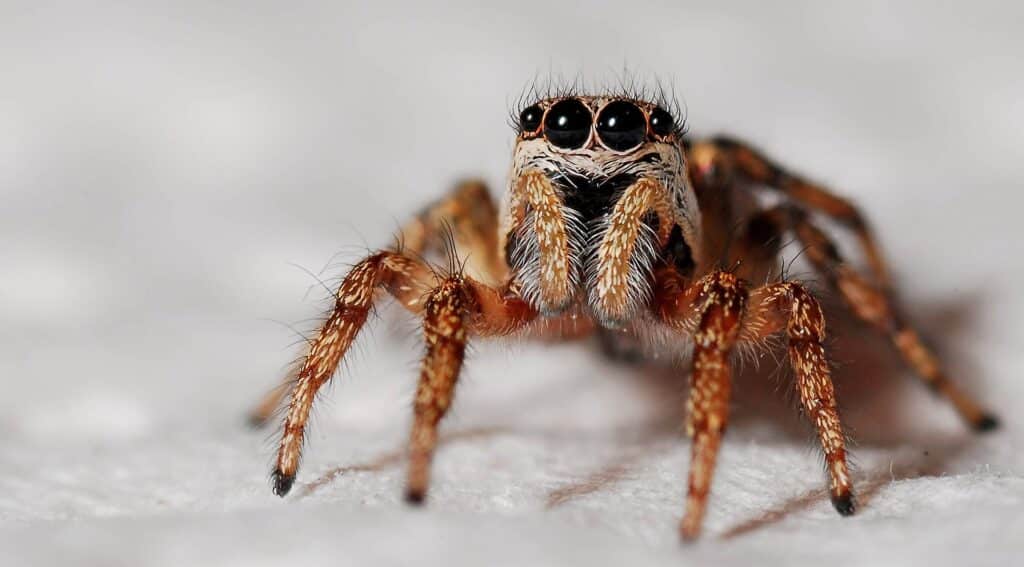
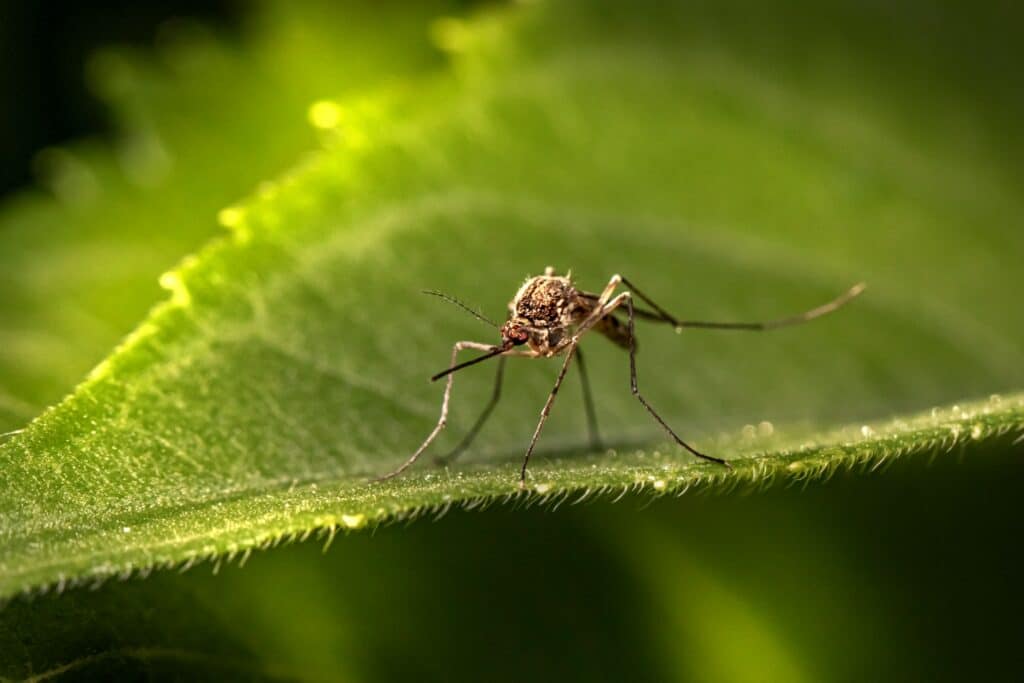
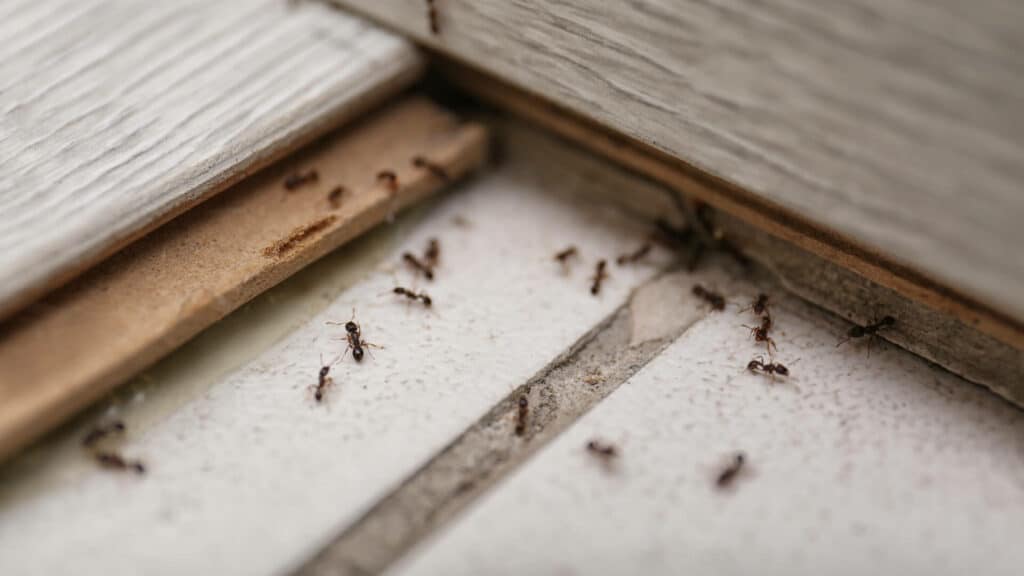
There’s nothing quite like the peace of a well-maintained home. But that peace can be disrupted when pests find their way indoors. Whether it’s ants marching through the kitchen, spiders taking up residence in your home, or mice scurrying in the attic, pests are opportunistic intruders seeking water, food, and shelter.
The good news? Homeowners can prevent most pest problems with proactive measures. This guide provides actionable tips to help you protect your home and ensure a more comfortable living environment.
Why Pests Invade Your Home
Pests come in various forms, from ants and cockroaches to larger intruders like rodents. Despite their differences, most pests are drawn indoors for the same reasons: easy access to food, water, and shelter.
Common Entry Points include cracks and crevices around windows, doors, and foundations, gaps around utility lines, and damaged screens or doors. Seasonal trends also play a role, summer months see more insect activity, while cooler weather drives rodents indoors. Ignoring these problems can lead to costly repairs and potential health risks, so early action is crucial.
Understanding Pests and Their Behavior
Pests vary widely in type and behavior, but their motives for invading your home are similar: access to food, water, and shelter. Identifying what attracts them and how they enter is the first step in keeping them out.
Common Entry Points
Pests are resourceful and can exploit even the smallest openings in your home. Key entry points include:
- Cracks and Crevices: Gaps around windows, doors, or the foundation are easy pathways.
- Utility Lines and Vents: Openings around pipes, cables, and ventilation systems provide convenient access.
- Damaged Screens and Doors: Torn screens or improperly sealed doors are a direct invitation for pests to enter.
Seasonal Pest Trends
The time of year often influences the type of pests you’ll encounter:
- Summer: Warm weather brings an influx of insects like ants, flies, and mosquitoes seeking food and water.
- Fall and Winter: Rodents, spiders, and other pests move indoors to escape the cold.
- Spring: Heavy rainfall can drive pests like cockroaches and centipedes inside to avoid wet conditions.
By understanding these trends, you can better anticipate and address potential pest problems throughout the year.
Why Prevention Is Crucial
Even a small pest problem can quickly escalate if ignored. For example, a few ants in your kitchen can turn into a colony, while a single mouse can lead to structural damage as they gnaw through wires and insulation. Beyond the immediate inconvenience, pests pose health risks by contaminating food, spreading diseases, and triggering allergies.
Proactive prevention is the most effective way to avoid costly damage and maintain a safe and comfortable home environment.
Steps to Prevent Pests
Keeping pests out of your home doesn’t require dramatic changes—just a series of small, consistent habits that reduce their access and attractiveness.
Seal Entry Points
The first line of defense against pests is making sure they can’t get inside:
- Inspect your home’s exterior for cracks, gaps, or holes, particularly around windows, doors, and the foundation.
- Use caulk to seal cracks and gaps. Install weatherstripping around doors and windows to block drafts and deter pests.
- Repair or replace torn screens on doors and windows to keep insects out.
Maintain a Clean Home
Pests are attracted to food and waste. Keeping your home clean and tidy is essential:
- Wipe down counters and sweep floors regularly to eliminate crumbs and spills.
- Store food in airtight containers to prevent access. Avoid leaving food out overnight.
- Use trash bins with tight-fitting lids, and take the trash out regularly. Keep garbage bags sealed if stored outdoors.
- Declutter storage spaces like basements, attics, and garages, as piles of belongings can provide hiding spots for pests.
Address Moisture Issues
Moisture is a magnet for pests like cockroaches, mosquitoes, and termites. Taking steps to control humidity can significantly reduce their presence:
- Fix dripping faucets, leaking pipes, and faulty appliances promptly.
- Use dehumidifiers in damp areas like basements and crawl spaces.
- Ensure gutters and downspouts are clear and direct water away from your home’s foundation to prevent pooling.
Yard Maintenance
The condition of your yard plays a significant role in pest prevention:
- Keep shrubs, bushes, and trees trimmed back from your house to eliminate pathways for pests.
- Remove yard debris like leaves, branches, and woodpiles, as they serve as nesting areas.
- Switch to yellow-hued outdoor lights, which are less attractive to insects than traditional white lights.
Pet Area Hygiene
If you have pets, their food and waste can inadvertently attract pests:
- Store pet food in sealed containers and avoid leaving food out overnight.
- Clean food and water bowls regularly to remove crumbs and spills.
- Dispose of pet waste promptly, both indoors and in the yard, to reduce odors and attraction.
Regular Inspections
Frequent inspections allow you to catch potential pest issues early, before they become a bigger problem. Here’s a guide to inspecting different areas of your home:
- Kitchen and Pantry: Look for crumbs, spills, improperly sealed food containers, droppings, or chewed packaging.
- Bathrooms: Check under sinks for leaks or signs of moisture. Look for small insects like silverfish or centipedes that thrive in damp conditions.
- Basement and Crawl Spaces: Examine the foundation for cracks and ensure sump pumps and dehumidifiers are functioning properly.
- Attic and Roof: Look for nesting materials, droppings, or signs of gnawed insulation. Check vents and rooflines for gaps.
- Exterior: Walk around your home’s foundation, siding, and roof to identify cracks, gaps, or openings. Pay special attention to utility lines, pipes, and vents.
Professional Solutions: Keep Your Home Clear with Professional Pest Control Services
Don’t let pests disrupt your comfort. Hiring a professional pest control service is the key to helping homes and communities tackle pest problems effectively, one home at a time. Contact us today for a quote and take the first step toward a more comfortable living space.