Buying a new home is a big moment. Making sure it stays protected from pests should be a part of that plan from day one.
Because here’s the thing. Bugs are bugs. Until they bug you.
Pests don’t wait to settle in. And once they do, they can disrupt your home and peace of mind.
The good news is most pest issues can be avoided with the right approach.
Use this new homeowner pest control checklist to stay one step ahead and keep pests where they belong.
“If you wait to think about pest control until you see a problem, you’re just guaranteeing that you’ll eventually have a problem,” said Isaac Rockwell, Aptive’s entomologist and pest expert. “Basic pest prevention methods like sealing up entry points and making sure window seals are snug also helps cut down on heating and cooling costs, and professional inspectors can help spot those problem areas before pests make their way inside.”
Step 1: Start With a Professional Pest Inspection
Before you get fully settled in, take a closer look at what’s happening in and around your home.
A professional inspection helps identify:
- Early or hidden infestations
- Entry points pests are using
- Conditions that attract pests, such as moisture or gaps
Many pests operate out of sight. Think crawl spaces. Attics. Behind walls. By the time you notice them, they’ve already made themselves comfortable.
At Aptive Pest Control, our pest control experts provide personalized, year-round treatments designed for your home. By using local pest activity insights and seasonal behavior patterns, we tailor service plans to help you stay one step ahead.
Step 2: Seal Entry Points Around Your Home
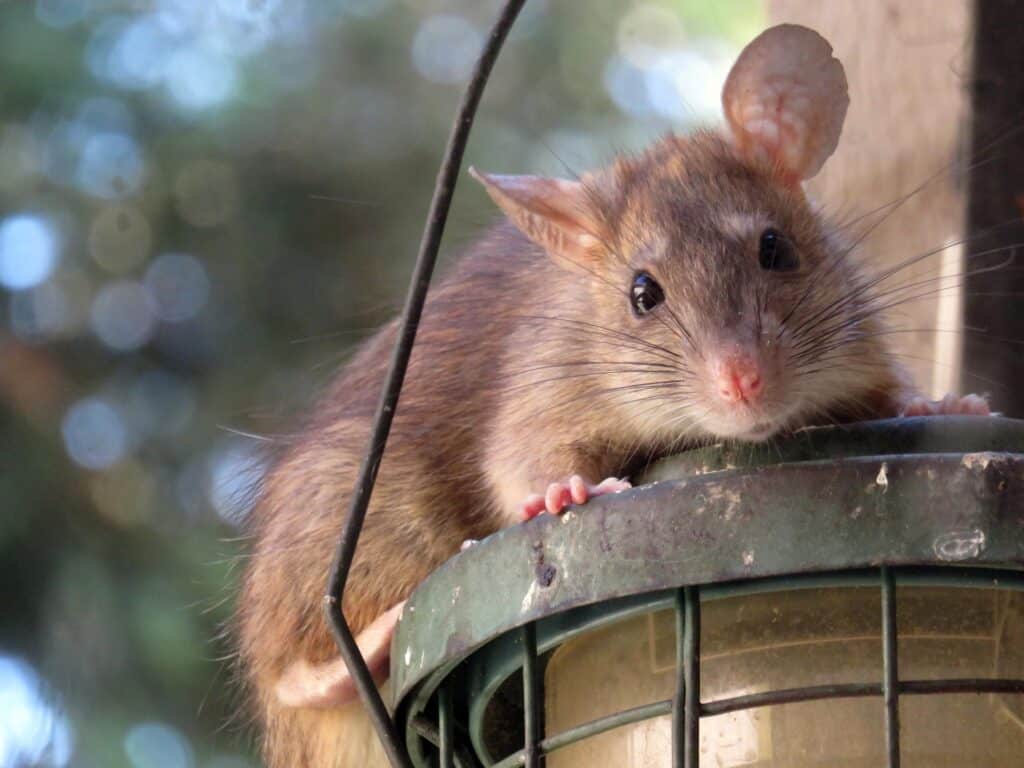
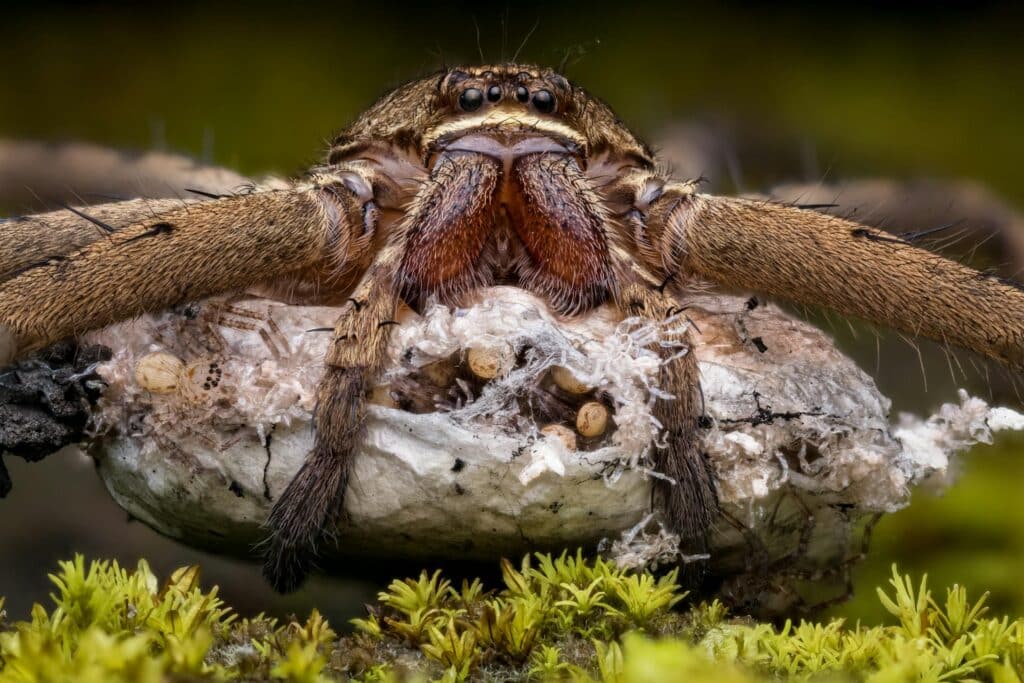
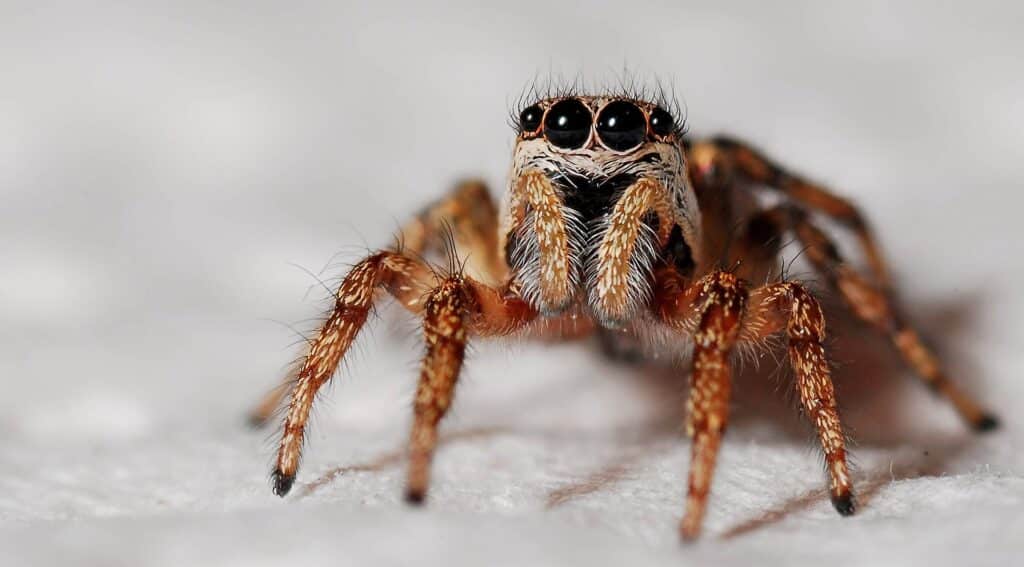
If pests can get in, they will. Even small openings invite ants, spiders, and rodents inside.
Check and seal:
- Gaps around doors and windows
- Cracks in the foundation
- Openings around pipes and utility lines
- Torn screens or worn weatherstripping
This step is simple, yet it’s one of the most effective ways to reduce pest activity indoors.
Step 3: Eliminate Food Sources Indoors
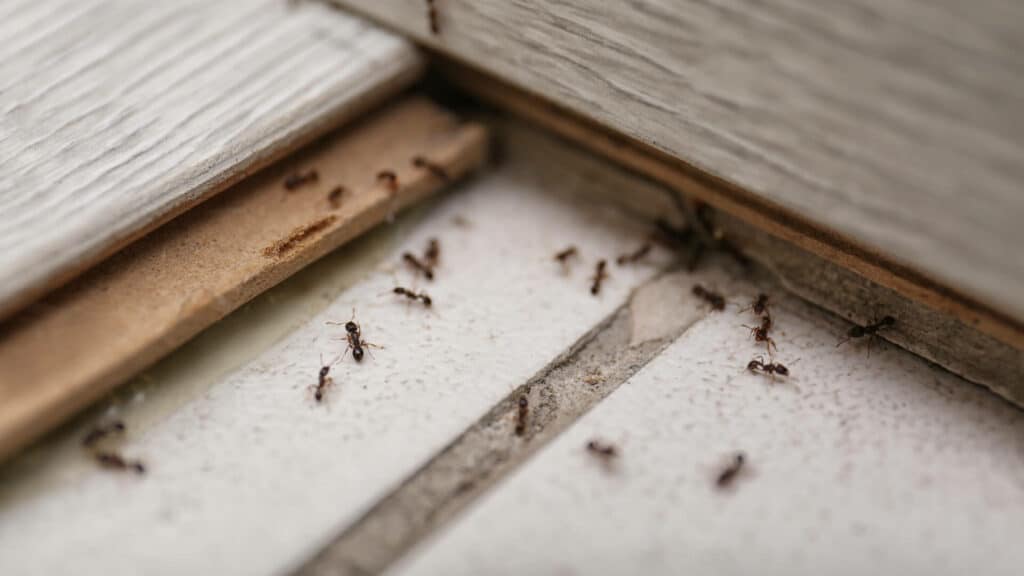
Pests go where food is easy to find. Crumbs, spills, and open containers attract ants, cockroaches, and pantry pests faster than you think.
Keep things less inviting:
- Store food in airtight containers
- Clean up spills quickly
- Take out trash regularly
- Avoid leaving pet food out overnight
Step 4: Remove Moisture and Standing Water
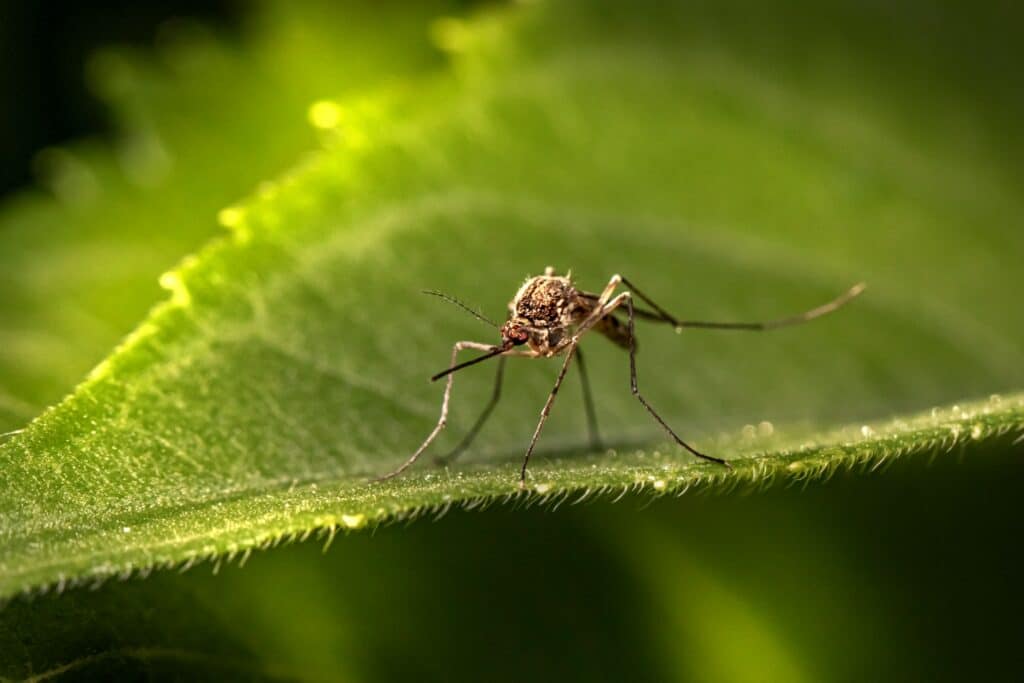
Moisture is a magnet for pests. Mosquitoes and ants are both drawn to damp environments.
Stay ahead by:
- Fixing leaks promptly
- Keeping gutters clear
- Eliminating standing water outside
- Drying sinks and tubs when not in use
Reducing moisture helps keep pests where they belong.
Step 5: Maintain Your Yard and Exterior
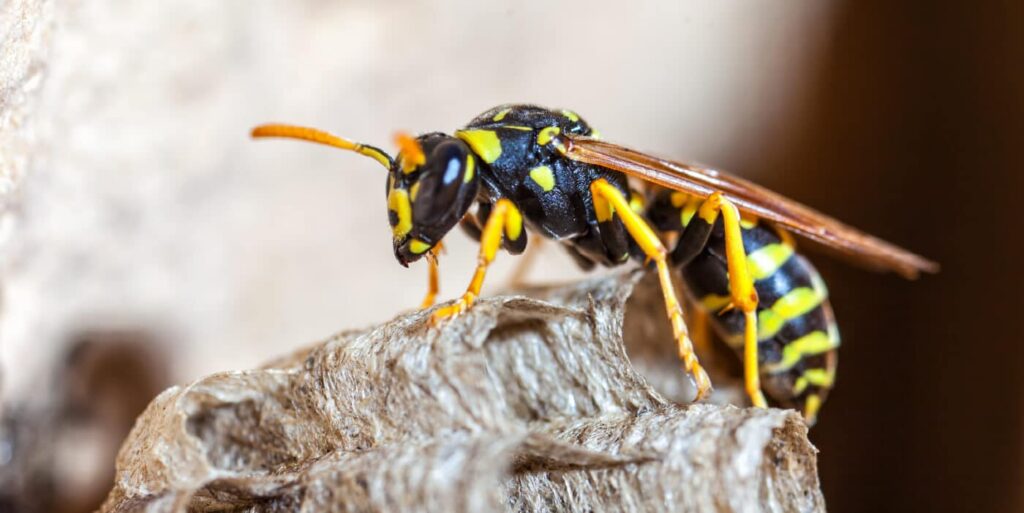
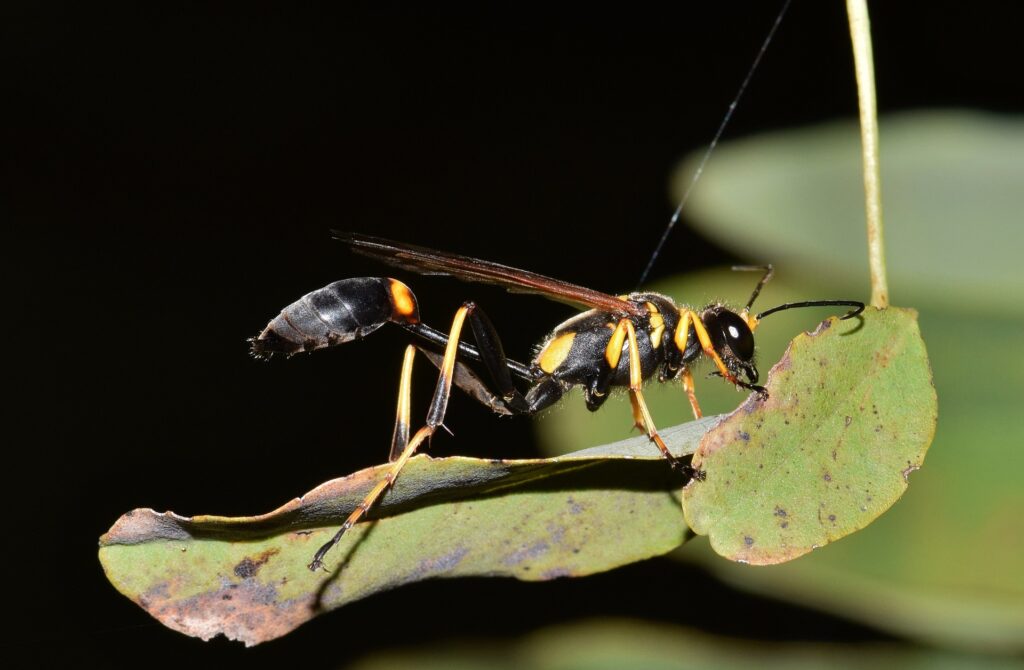
Your yard is the first line of defense. Overgrown plants, debris, and stored materials create ideal hiding spots for pests like wasps, ticks, and rodents.
Keep things tidy:
- Trim plants away from the home
- Store firewood at a distance
- Clear leaves and debris
- Keep grass trimmed
Step 6: Create a No-Entry Zone Around Your Foundation
Small changes around your home’s perimeter are a helpful starting point.
Focus on:
- Keeping mulch and plants away from the foundation
- Avoiding excess moisture near the structure
- Maintaining a clean, visible perimeter
Step 7: Stay Consistent With Cleaning and Maintenance
Pest control is an ongoing routine.
Make it a part of your schedule to:
- Clean regularly
- Check less-used spaces like garages, attics, and crawl spaces
- Watch for early signs like droppings or damage
Pests don’t quit, which makes staying consistent key.
Step 8: Use Professional Pest Control for Peace of Mind
DIY steps can help, but professional pest control services provide a more comprehensive approach.
Ongoing pest control services are designed to:
- Monitor for early signs of activity
- Address seasonal pest patterns
- Help create a protective barrier around your home
Aptive Pest Control services are built specifically for your home by monitoring national and local pest trends alongside regional weather patterns.
Why Timing Matters: Proactive Year-Round Solutions for Your New Home
Pests follow the seasons. Even if they aren’t visible, it doesn’t mean they aren’t around.
Spring: Early Activity
Ants, termites, and other pests begin to emerge and build colonies.
Summer: Peak Pest Season
Mosquitoes, flies, and wasps are more active.
Fall: Pests Move Indoors
Rodents and spiders look for warmth and shelter.
Winter: Hidden Problems Continue
Pests stay active inside walls, attics, and crawl spaces.
Final Thoughts: Protect Your Home and Enjoy It
Your home should feel comfortable. Not unpredictable.
By taking a proactive approach, you can help protect your space and enjoy peace of mind year-round.
Aptive Pest Control offers tailored solutions to help you focus on what matters most.