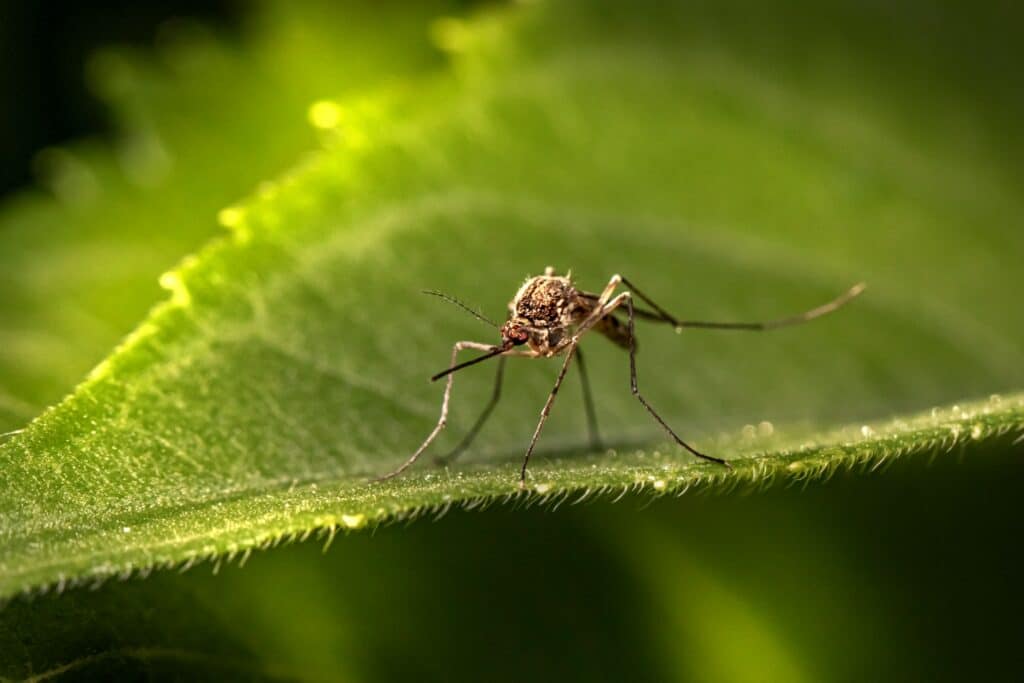
What attracts mosquitoes to humans is a combination of signals — exhaled carbon dioxide (CO2), body heat, skin chemistry, and movement — that mosquitoes use to locate a blood meal from up to 50 metres away. By learning what attracts mosquitoes and how to reduce those triggers, you can make yourself and your surroundings less appealing.
Carbon dioxide: A primary mosquito attractant
One of the main things that attracts mosquitoes to humans is CO2. Mosquitoes can detect CO2 plumes from up to 50 meters away, using concentration levels as a reliable signal that a host is nearby. Larger individuals, physically active people, and pregnant women tend to exhale more CO2, which may explain why some people consistently attract more attention. Because exhaling CO2 is unavoidable, the focus should be on reducing exposure rather than eliminating the signal entirely.
How to reduce CO2 attraction
- Limit outdoor activity during peak mosquito hours at dawn and dusk
- Avoid crowded outdoor spaces where CO2 levels are higher
- Use fans to disperse CO2 and make it harder for mosquitoes to track you
Body heat and sweat
Mosquitoes are also attracted to body heat and the chemicals in sweat. Warmth signals a nearby blood source, while compounds like lactic acid, uric acid, and ammonia help mosquitoes zero in on a target. Active individuals and those who run naturally warm tend to attract more mosquito activity, as exercise increases the concentration of these chemicals on the skin.
How to reduce heat and sweat attraction
- Wear lightweight, loose-fitting, breathable clothing to keep body temperature down
- Use fans outdoors to disperse body heat and CO2 at the same time
- Shower after exercise to remove sweat chemicals before they act as attractants
What scents attract mosquitoes?
Mosquitoes rely heavily on their sense of smell. Certain natural body chemicals and added fragrances make some people more attractive than others. Octenol, found in both sweat and breath, is a well-documented mosquito attractant. Floral and sweet fragrances in personal care products can also mimic plant-based scents mosquitoes associate with nectar, drawing them in for reasons beyond body chemistry alone.
What are common mosquito attractant scents
- Lactic acid – produced during exercise
- Octenol – found in breath and sweat
- Floral or sweet fragrances from lotions, perfumes, and scented products
How to reduce scent attraction
- Avoid heavily scented products when spending time outdoors
- Use mosquito repellents with DEET, picaridin, or oil of lemon eucalyptus
What color attracts mosquitoes?
Mosquitoes use visual cues alongside scent to locate hosts. Dark colors like black, navy, and deep red stand out against natural backgrounds, making it easier for mosquitoes to spot a target. What color attracts mosquitoes is often overlooked, but clothing choice is one of the simpler adjustments you can make when spending extended time outdoors.
Clothing tips to reduce mosquito bites
- Wear light-colored clothing such as white, beige, or pale tones
- Choose loose-fitting garments to create a physical barrier
- Cover exposed skin with long sleeves and pants when possible
What attracts mosquitoes in your yard and home?
Your environment plays a significant role in mosquito activity. When asking what are mosquitoes attracted to around a home, the biggest factors are standing water, shade, moisture, and dense vegetation.
What mosquitoes eat also shapes where they gather. Both male and female mosquitoes feed on plant nectar as their primary energy source. Only female mosquitoes bite, seeking the protein in blood needed for egg production. This means flowering plants and gardens can attract mosquitoes to your yard for reasons beyond standing water alone.
Mosquito yard treatment
A mosquito yard treatment can help reduce mosquito activity around your home by targeting the areas where mosquitoes rest and breed. When paired with preventative measures like removing standing water and maintaining your yard, mosquito yard treatment services can support a more comfortable outdoor space throughout mosquito season.
- Eliminate standing water in gutters, birdbaths, flowerpots, and container lids
- Keep grass trimmed and shrubs well-maintained to reduce resting areas
- Reduce dense vegetation where mosquitoes shelter during the day
- Consider planting citronella, marigolds, or lavender as part of a broader mosquito management approach
“Since mosquitoes are weak fliers, setting up outdoor fans on your patio or deck will create a breeze that keeps them away,” said Isaac Rockwell, Aptive’s in-house entomologist. “Installing screen enclosures will also allow you to continue enjoying your time outdoors without worrying about mosquitoes.”
Why mosquitoes bite some people more than others
Not everyone attracts mosquitoes equally. Research suggests that people with type O blood attract more mosquito activity than those with type A or B. Beyond blood type, individual differences in body chemistry, metabolism, and skin bacteria all contribute. If you find yourself wondering why do I attract mosquitoes more than others, the answer is rarely one factor – it’s typically several biological signals working together that are difficult to fully control.
Why do mosquito bites itch?
Mosquito bites itch because of your body’s immune response to mosquito saliva. When a mosquito bites, it injects a small amount of saliva containing anticoagulants to keep blood flowing. Your immune system identifies these as foreign substances and releases histamine, which causes the characteristic swelling and itching. The reaction varies by person, some experience significant irritation while others barely notice. Over-the-counter antihistamine creams or oral antihistamines can help relieve discomfort.
How many mosquito bites is dangerous?
For most people, mosquito bites are a minor irritation rather than a health concern. The greater risk comes from diseases mosquitoes can carry, such as West Nile virus or dengue fever, rather than the number of bites. If you experience symptoms like fever, headache, or body aches after being bitten, or signs of an allergic reaction – such as significant swelling, hives, or difficulty breathing – seek medical attention promptly.
How to prevent mosquito bites
The most effective approach combines multiple strategies. Reducing CO2 exposure, managing sweat and scent, making smart clothing choices, and maintaining your outdoor environment all work together to lower activity around you and help prevent mosquito bites.
When to seek professional mosquito control
If mosquitoes are a persistent problem around your home, an Aptive Service Professional can assess your property, identify the conditions supporting mosquito populations, and apply targeted treatments to help you enjoy your outdoor spaces. Our year-round service keeps track of your ongoing pest needs, and if mosquitoes return between visits, we’ll come back at no extra charge.
Mosquito FAQs
Why do mosquitoes bite me so much?
If mosquitoes seem to target you more than others, it likely comes down to a combination of personal factors. Blood type, body temperature, CO2 output, and skin bacteria all play a role. People with type O blood, higher activity levels, and warmer body temperatures tend to attract more attention. While you can’t change your biology, adjusting clothing choices, using repellents, and reducing scent signals can help limit how frequently you get bitten.
Do mosquitoes like certain blood types?
Yes – research shows mosquitoes are most attracted to type O blood, biting those individuals roughly twice as often as people with type A, with type B falling in between. This is linked to chemical markers that around 85% of people secrete through their skin, which mosquitoes can detect before biting.
Are mosquitoes attracted to light?
Mosquitoes don’t navigate toward artificial light sources the way moths do — their primary cues are chemical (CO2, sweat, skin compounds) and thermal. That said, outdoor lights do attract the small insects that mosquitoes feed on, and they can create warm, sheltered gathering spots that mosquitoes use to rest. If you’re spending time outside at night, the light itself isn’t drawing mosquitoes to you – your CO2 and body heat are.
What smells do mosquitoes hate?
A few scents have been shown to help reduce mosquito activity. DEET remains the most well-studied repellent, working by interfering with the chemical receptors mosquitoes use to detect hosts. Picaridin and oil of lemon eucalyptus are effective plant-derived alternatives. Among natural scents, citronella, lavender, and catnip have shown repellent properties in controlled settings, though their practical effectiveness depends on concentration and how they’re applied. Planting these in your yard can contribute to a broader deterrence strategy, but they shouldn’t replace topical repellent when you’re actively outdoors.
* The content in this article is provided for informational purposes only and is not intended as medical advice, diagnosis, or treatment. Always consult a qualified healthcare provider regarding any medical condition. Do not delay seeking emergency care for severe allergic reactions such as difficulty breathing or swelling of the face or throat. Individual reactions to wasp stings may vary, and no guarantees are made regarding the effectiveness of any treatment described. Home remedies mentioned are not medically verified and may cause adverse reactions.
Aptive Environmental LLC provides pest control services only and does not offer medical advice. The company is not liable for any damages or injuries resulting from the use of this information.