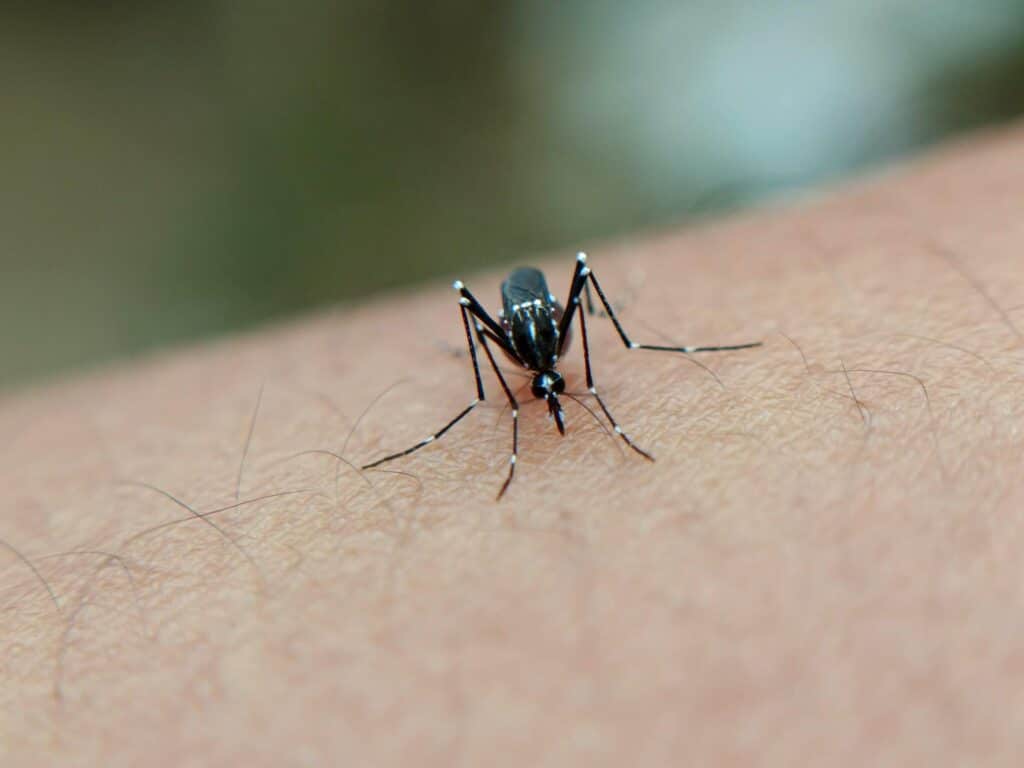
Mosquitos are vectors for some of the most dangerous illnesses across the globe. Whether you’re hiking in the rainforest or just hanging out in your backyard, mosquitoes are always lurking.
These tiny pests aren’t just an annoying buzz at your barbecue—they’re actually one of the deadliest creatures on the planet. Their diminutive size is deceptive because the real threat is the diseases they carry. Malaria, dengue, and Zika virus are just a few you could catch from a single mosquito bite.
Mosquito-borne diseases thrive in warm climates but are not exclusive to tropical areas. These health risks are spreading far and wide thanks to globalization and climate change. Whether you’re headed overseas or staying local, knowing how to protect yourself from mosquito bites can make all the difference between an itchy welt and something far worse.
What Are the Mosquito-Borne Diseases?
Mosquitoes can pass on viruses, bacteria, and parasites with a single bite. When they bite, they inject saliva into the skin, potentially delivering whatever nasty germs they picked up from their last meal. There are three main culprits—Aedes, Anopheles, and Culex—each spreading their own set of diseases.
- Aedes: Common in cities, known for spreading dengue fever, Zika virus, and chikungunya.
- Anopheles: Infamous for transmitting malaria, especially in sub-Saharan Africa.
- Culex: Known for carrying West Nile virus and lymphatic filariasis.
Though tropical regions get hit hardest, mosquito-borne diseases are now popping up everywhere. Diseases like West Nile and dengue are on the rise in the U.S. and Europe. These illnesses can cause serious symptoms, long-term damage, or even death.
It’s crucial to use insect repellent, stay vaccinated when possible, and employ professional pest control services to reduce mosquito breeding grounds and keep these diseases in check. Here are more details about some of the illnesses that mosquitoes can spread.
1. Malaria
Caused by parasites, malaria spreads through the bite of Anopheles mosquitoes. Once inside you, the parasite attacks your liver and red blood cells, causing flu-like symptoms that can quickly escalate. If untreated, malaria can lead to organ failure or even death.
Symptoms include:
- Fever
- Chills
- Headaches
- Muscle pain
The fever often comes in cycles, making it tricky to diagnose without testing. If not treated early, malaria can cause complications like anemia or, in severe cases, coma. Quick treatment is key to avoiding long-term damage or death.
Malaria hits the hardestin sub-Saharan Africa and parts of South Asia. These regions have the perfect conditions for Anopheles mosquitoes to thrive, and healthcare access is often limited.
Despite being preventable and treatable, malaria kills over 600,000 people annually, with children under five being the most vulnerable. Prevention methods include mosquito nets, insecticides, and antimalarial drugs. There are also malaria vaccines created that could help reduce cases in high-risk areas.
2. Dengue Fever
Dengue fever is a viral illness spread by Aedes mosquitoes, especially in urban areas. When an infected mosquito bites you, the virus enters your bloodstream, causing various symptoms. Dengue is found in both rural and urban settings but hits hardest in places like South America, Southeast Asia, and parts of Africa.
Symptoms usually appear 4 to 10 days after a bite and include:
- Sudden high fever
- Severe headaches
- Joint pain (nicknamed “breakbone fever”)
- Skin rash
Most cases are self-limiting and last about a week, but some can develop into severe dengue (dengue hemorrhagic fever), which causes internal bleeding and organ failure. Without prompt treatment, it can be deadly.
Preventing dengue is tough because Aedes mosquitoes love to breed in urban areas with poor sanitation and standing water. There’s no specific antiviral treatment for dengue, so care focuses on easing symptoms and preventing dehydration. While there is a vaccine, it’s limited in availability, so the best way to protect yourself is by avoiding mosquito bites altogether.
3. Zika Virus
Zika virus is another illness spread by Aedes mosquitoes, and it gained global attention during a major outbreak in Brazil in 2015. Though typically transmitted through mosquito bites, Zika can also spread via sexual contact or from mother to baby during pregnancy. Like dengue, Zika thrives in tropical and subtropical areas, especially in South America, the Caribbean, and parts of Central America.
Most people with Zika experience mild symptoms, including:
- Low-grade fever
- Rash
- Joint pain
- Red eyes
These symptoms usually last about a week and don’t require hospitalization. While Zika itself isn’t life-threatening for most people, the major concern is for pregnant women. If a woman contracts Zika during pregnancy, her baby is at high risk for microcephaly. In this birth defect, the baby’s head and brain are much smaller than usual, which causes serious developmental problems. Zika has also been linked to other neurological disorders, like Guillain-Barré syndrome.
Outbreaks have mostlyaffected South America, the Caribbean, and parts of the U.S., with Brazil being hit hardest from 2015 to 2016. Public health campaigns have focused on mosquito control and raising awareness, especially for pregnant women. While a Zika vaccine is in the works, it’s not yet widely available. Until then, using insect repellent, covering up, and eliminating standing water are your best bets to avoid infection.
4. Yellow Fever
Yellow fever is another mosquito-borne illness, primarily spread by Aedes and Haemagogus mosquitoes. It’s most commonly found in parts of Africa and South America, where tropical climates allow these mosquitoes to thrive. While yellow fever is less well-known than malaria or dengue, it’s just as dangerous, especially in severe cases. The disease gets its name from the jaundice—yellowing of the skin and eyes—that some patients develop when the virus attacks the liver.
Yellow fever symptoms can be confused with other viral infections, but they typically include:
- Fever
- Chills
- Headaches
- Muscle aches
- Nausea
One of the most concerning aspects of yellow fever is how quickly it can turn from mild to deadly, particularly in areas with limited healthcare access. Fortunately, there’s a highly effective vaccine that provides long-term protection against the virus. For travelers heading to at-risk regions, vaccination is a must (and often a requirement) for entry.
Africa and partsof South America, particularly in rural areas with dense mosquito populations, are most at risk for yellow fever outbreaks. Public health campaigns focus heavily on vaccination in these areas to prevent large-scale outbreaks.
While there’s no specific treatment for yellow fever, vaccination and mosquito control are the most effective ways to avoid them. Vaccination is the smartest move if traveling to an affected region; it’s your best defense against this potentially deadly disease.
5. West Nile and Eastern Equine Encephalitis
West Nile virus is a viral infection primarily spread by infected Culex mosquitoes, commonly found in both rural and urban areas. When a mosquito carrying the virus bites you, it transmits the virus into your bloodstream, leading to a range of symptoms. West Nile virus is prevalent in North America, especially in the United States.
Symptoms include:
- Fever
- Headaches
- Body aches
- Fatigue
- Skin rashes
While most people infected with West Nile virus experience mild symptoms or none at all, a small percentage can develop severe neurological conditions, such as West Nile encephalitis or West Nile meningitis. This can lead to serious complications, including paralysis or death.
Preventing the spread of West Nile virus is challenging because Culex mosquitoes breed in stagnant water, often found in urban areas. There is no specific antiviral treatment for West Nile virus, so treatment generally focuses on alleviating symptoms and managing complications.
Like the West Nile, Eastern Equine Encephalitis (EEE) is more common in the eastern United States and poses a serious health risk as well. Transmitted primarily by Aedes and Culiseta mosquitoes, EEE can lead to severe symptoms, including encephalitis, and has a high mortality rate in symptomatic cases. Unlike West Nile virus, which often causes mild or asymptomatic infections, EEE is more likely to result in severe outcomes, particularly in vulnerable populations.
Several other mosquito-borne diseases more commonly found in the United States:
- Cache Valley
- Jamestown Canyon
- La Crosse encephalitis
- St. Louis Encephalitis
Other Health Risks Beyond Mosquito-Borne Diseases
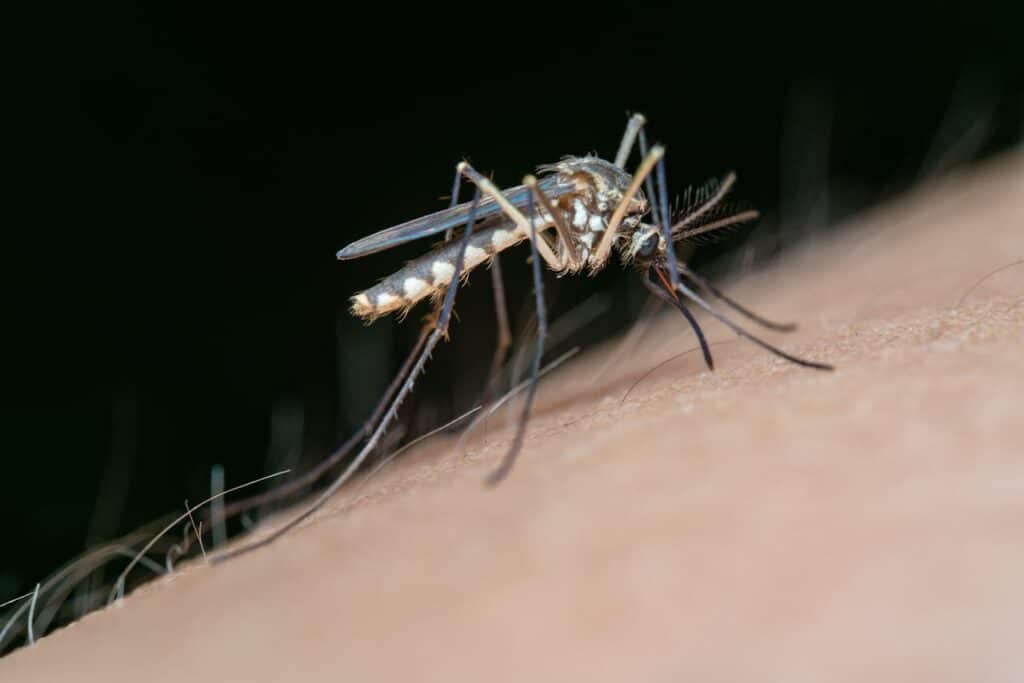
While mosquito-borne diseases grab the headlines, the health risks associated with mosquito bites extend beyond just infections. For many people, mosquito bites can trigger allergic reactions, leading to:
- Swelling
- Redness
- Itching
- Secondary infections from excessive scratching
In some cases, individuals may experience more severe reactions, such as hives or anaphylaxis, though these are rare.
Aside from allergies, excessive scratching of itchy bite areas can lead to secondary infections, as broken skin becomes an entry point for bacteria. This can result in complications such as cellulitis or abscesses, requiring medical treatment and antibiotics.
Additionally, the inflammation caused by allergic reactions and scratching can exacerbate existing skin conditions, leading to discomfort and prolonged healing times. Although the immediate concern of mosquito bites may seem minor, the potential for allergic reactions and secondary infections highlights the importance of effective mosquito bite prevention.
How to Prevent Mosquito Bites
Taking steps to prevent mosquito bites is crucial for minimizing the health risks associated with these pests. Here are practical strategies you can implement:
- Use Insect Repellent: Choose repellents containing DEET, Picaridin, and oil of lemon eucalyptus.
- Wear Protective Clothing: Opt for long sleeves and long pants. This can help shield your skin from bites.
- Utilize Mosquito Nets: These can be invaluable as they offer added protection while sleeping or relaxing outdoors.
- Eliminate Breeding Grounds: Standing water is where mosquitoes thrive. To reduce their population:
- Regularly empty containers that hold water
- Clean gutters to prevent water accumulation
- Ensure proper drainage around your property
- Install Screens: Fit screens on windows and doors. This provides an additional barrier to keep mosquitoes out of your home.
- Consider Professional Pest Control: If mosquito problems persist, professional pest control services can help by assessing your property for mosquito breeding sites, eliminating these breeding areas, and applying targeted treatments.
Protect Your Home from Mosquito-Borne Threats with Aptive
Mosquitoes are more than just a nuisance; they can carry serious diseases like West Nile, Malaria, Dengue, and Zika virus. Recognizing these risks emphasizes the importance of taking proactive measures to protect yourself, your family, and your home from these pests. Implementing preventive strategies now can significantly reduce your risk of mosquito-borne illnesses.
At Aptive, we’re committed to helping homes and communities tackle mosquito problems, one home at a time. Our expert mosquito control services can help so you can enjoy your space with peace of mind. Reach out for a free pest control quote today and let us help protect your home from these persistent pests.