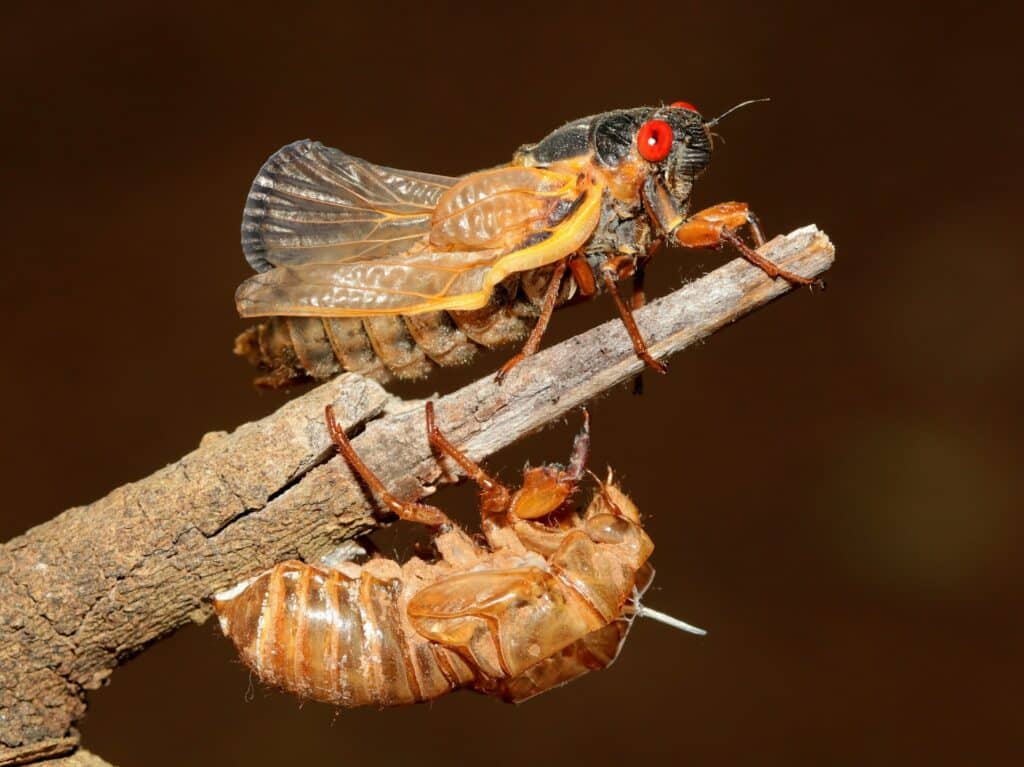
Florida’s warm climate and lush landscapes make it a beautiful place to live, but they also create ideal conditions for pest activity. For many homeowners, seeing insects or rodents around the house isn’t a sign of neglect. It’s simply part of living in a state where pests can remain active year-round.
Understanding the common pests in Florida is an important first step toward managing them. When you know what you’re seeing, why it shows up, and what conditions attract it, pest concerns feel far less overwhelming.
The 7 Common Household Pests in Florida at a Glance
Here’s a quick overview of 7 of the most common household pests in Florida homes. These species vary in behavior and habitat, but all are well-adapted to Florida’s environment.
| Type of Pest | Primary Habitat | Most Active | Common Around Homes |
|---|---|---|---|
| American cockroach | Damp indoor and outdoor areas | Night | Kitchens, drains, and garages |
| German cockroach | Indoor living spaces | Night | Cabinets and appliances |
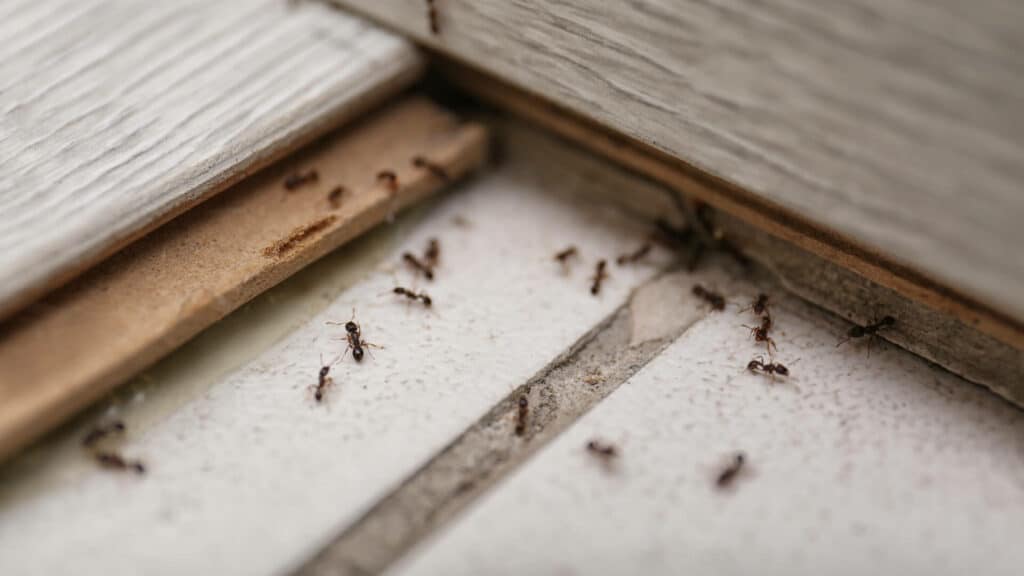
| Ants | Yards and structures | Day | Kitchens, walls, and patios |
| Mosquitoes | Standing water outdoors | Dawn and dusk | Yards and entryways |
| House flies | Indoors and outdoors | Day | Kitchens and trash areas |
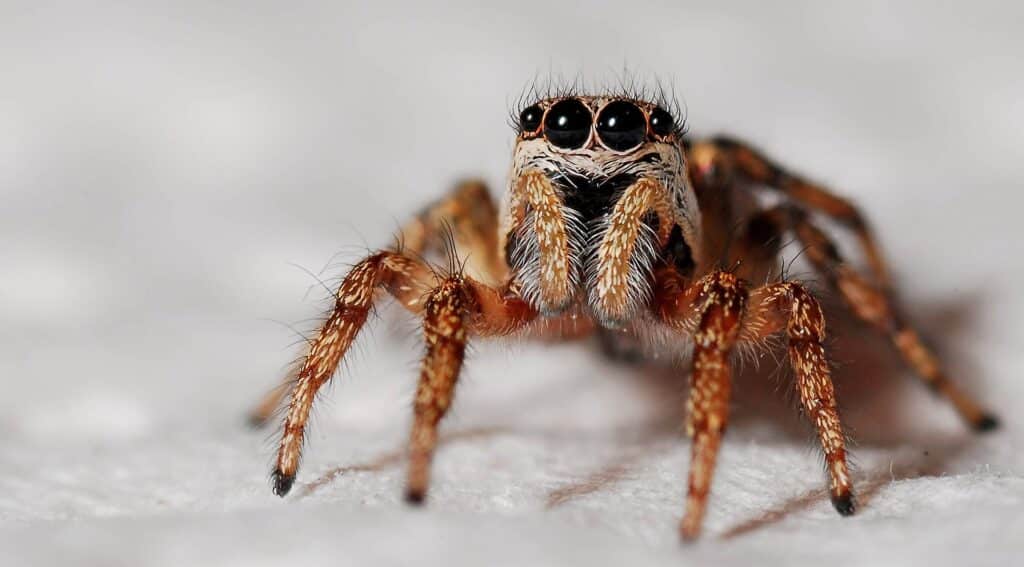
| Spiders | Indoor and outdoor shelter | Varies | Garages, corners, and patios |
| Rodents | Outdoor nesting areas | Night | Garages and attics |
By recognizing where these pests tend to gather, it becomes easier to understand why they show up and how environmental conditions around your home affect them.
1. American Cockroach (Periplaneta americana)
Often called “palmetto bugs” in Florida, American cockroaches are among the largest cockroach species found in homes. They’re reddish-brown, have long antennae, and are strong runners that prefer dark, damp environments.
Florida’s humidity and warm temperatures allow American cockroaches to thrive outdoors year-round. They commonly live in mulch, sewer systems, and landscaped areas, but may move indoors during heavy rain or when moisture is readily available.
- Where they show up: Kitchens, bathrooms, laundry rooms, garages, floor drains, crawl spaces, and utility areas
- Why they gather: Moisture, warmth, and sheltered access points – particularly around plumbing lines, drains, and areas with higher humidity
2. German Cockroach (Blattella germanica)
German cockroaches are smaller than American cockroaches and lighter brown, with 2 dark parallel stripes just behind the head. Unlike many other cockroach species, they depend heavily on indoor environments and are closely tied to human activity.
These cockroaches often enter homes unintentionally, such as through grocery bags, boxes, or secondhand items. In some cases, they may move between units in shared-wall housing. Once indoors, they tend to stay close to food sources and warm appliances, making kitchens a common hub of activity.
- Where they show up: Cabinets, appliances, pantries, and behind refrigerators or stoves
- Why they gather: Consistent food access, warmth, and undisturbed spaces close to kitchens
3. Ants
Ants are among the most noticeable pests in Florida, particularly during warmer months when outdoor colonies are active. Florida is home to many ant species, each with unique nesting habits and behaviors. While most ants begin outdoors, they may move closer to homes when conditions change.
Common types of ants found in Florida include:
- Argentine ants: Ants that form large colonies and often travel in visible trails
- Carpenter ants: Ants that prefer moist or decaying wood
- Fire ants: Ants that are commonly found in yards and landscaped areas
- Ghost ants: Small ants that are often seen indoors near kitchens and bathrooms
Ant activity near homes often increases during dry periods or after heavy rain, when food and water sources outdoors become harder to find.
- Where they show up: Kitchens, baseboards, patios, walls, and window frames
- Why they gather: Crumbs, spills, pet food, and water sources – especially during dry periods
4. Mosquitoes
Mosquitoes are a familiar part of Florida living, particularly in areas with frequent rain, standing water, or dense vegetation. They reproduce in standing water, and even small amounts (such as water collected in planters, birdbaths, or clogged gutters) can support their activity.
Mosquitoes are most active during early morning and evening hours and tend to rest in shaded, protected outdoor areas during the day.
- Where they show up: Yards, shaded outdoor areas, near doors and windows
- Why they gather: Standing water, humidity, and sheltered outdoor spaces
5. House Flies (Musca domestica)
House flies are active during the day and are commonly seen around kitchens, trash areas, and outdoor eating spaces. They’re attracted to organic material and can move easily between indoor and outdoor environments.
- Where they show up: Kitchens, garbage areas, outdoor patios, and near doors
- Why they gather: Food waste, open trash containers, and warm temperatures
6. Spiders
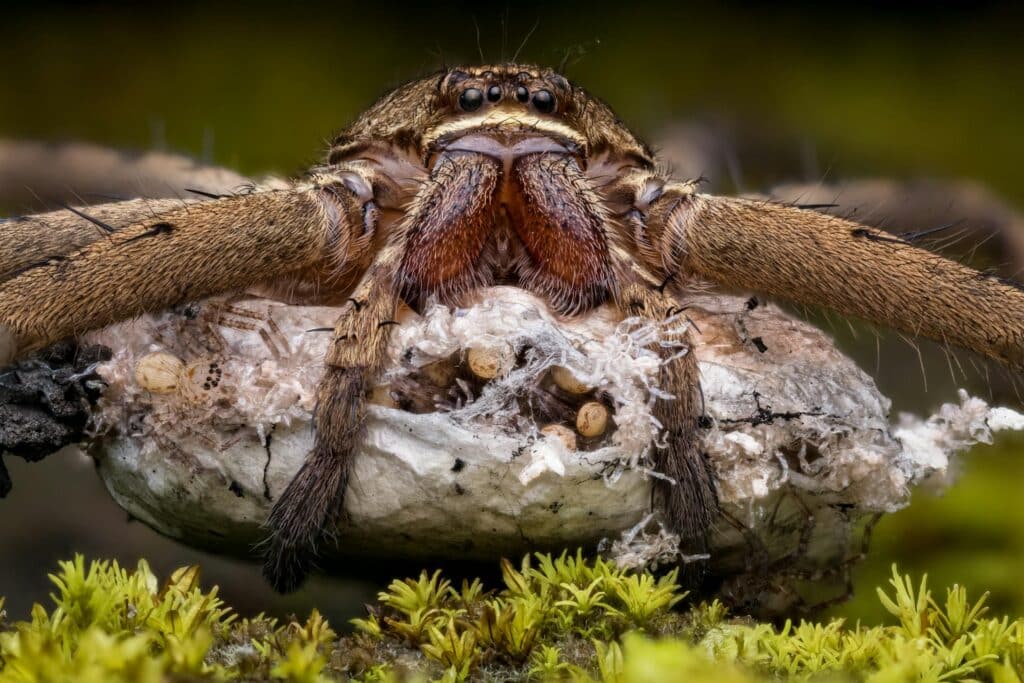
Spiders are common throughout Florida and are often found anywhere insects are present. Most species are solitary and prefer quiet, low-traffic areas where they can build webs or shelter undisturbed.
Common types of spiders in Florida include:
- House spiders: Spiders that are often found indoors year-round
- Wolf spiders: Ground-dwelling spiders that are typically found in garages or yards
- Orb-weaver spiders: Spiders that are commonly seen outdoors near lights and patios
- Cellar spiders: A type of spider often found in corners or basements
While spiders may be noticeable, their presence is often linked to the availability of insects rather than food or moisture directly.
- Where they show up: Garages, storage areas, corners of rooms, patios, and sheds
- Why they gather: Availability of insects and sheltered spaces
7. Rodents
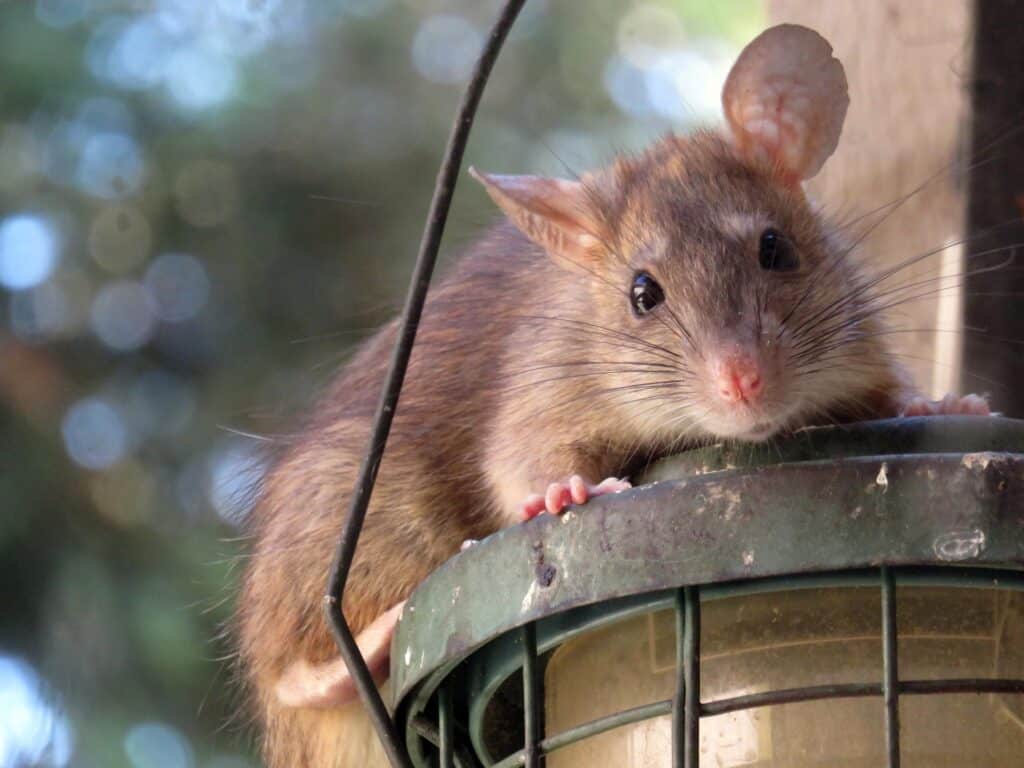
Rodents such as mice and rats are highly adaptable and can be found throughout Florida. They typically nest outdoors in vegetation, burrows, or debris, but may move closer to homes when weather conditions shift or food sources become readily available.
Common rodents found in Florida include:
- House mice: Rodents that can enter through very small openings
- Roof rats: Rodents often associated with trees, roofs, and attics
- Norway rats: Rodents that are more commonly found near ground level and foundations
Rodents are primarily active at night and often go unnoticed until signs of activity appear.
- Where they show up: Garages, attics, sheds, and around foundations
- Why they gather: Shelter, food access, and warmth
Why Pests Are So Common in Florida
Florida’s environment supports pest activity year-round. Warm temperatures, frequent rain, and high humidity allow many species to remain active without a true dormant season.
Seasonal weather patterns also play a role. Heavy rain can push pests out of saturated soil, while dry spells may drive them toward buildings in search of moisture. In many cases, pests aren’t moving indoors because of population growth, but because environmental conditions change suddenly.
Where These Pests Are Most Commonly Found
Different parts of a home and yard support pest activity in different ways. In Florida, common areas include:
- Kitchens and bathrooms with regular water use
- Garages and storage areas with low disturbance
- Landscaping with mulch, shrubs, and ground cover
- Outdoor structures such as sheds and patios
- Entry points around doors, windows, and utility lines
Homes with dense vegetation or standing water nearby tend to experience higher outdoor activity, which can increase the likelihood of pests appearing closer to living spaces.
Seasonal Pest Activity Patterns in Florida
While pests are present year-round, activity levels often shift with the seasons:
- Spring: Increased insect movement as temperatures rise
- Summer: Peak activity for mosquitoes, ants, and flies
- Fall: More noticeable movement near structures
- Winter: Reduced outdoor activity, but continued presence indoors
5 Ways Florida Homeowners Can Reduce Pest Activity
Small, consistent steps can make a meaningful difference:
- Address moisture issues such as leaks or standing water
- Keep food stored in sealed containers
- Maintain landscaping away from the foundation
- Seal gaps around doors, windows, and utility lines
- Reduce clutter in garages and storage areas
These habits support a more comfortable home environment and help limit conditions that pests rely on.
FAQs About Common Pests in Florida
Q. Why do ants suddenly appear in large numbers inside Florida homes?
Ants often move indoors when outdoor conditions change. In Florida, heavy rain can flood nests, while dry periods can reduce access to water outside. When that happens, ants may follow scent trails toward kitchens, bathrooms, or patios where food and moisture are more readily available.
Q. Why are mosquitoes such a persistent problem in Florida neighborhoods?
Mosquitoes are well-suited to Florida’s frequent rainfall and warm temperatures. They can reproduce in very small amounts of standing water, and activity can build up quickly after rainstorms. Shaded yards, dense landscaping, and water-holding items around homes all contribute to why mosquitoes are such a consistent part of outdoor life in Florida.
Q. Are spider bites common inside Florida homes?
Spider bites inside homes are relatively uncommon. Most spiders prefer to avoid people and only bite when they feel trapped or threatened. Spiders are more often noticed for their webs or sightings than for direct interaction, especially in low-traffic areas like garages or storage spaces.
Q. Does Florida’s humidity really make that much of a difference for pests?
Humidity plays a major role in pest behavior. Many insects rely on moisture to survive, and Florida’s consistently humid environment allows them to remain active without needing to seek out water as aggressively. This is one reason common pests in Florida can be present year-round rather than limited to certain seasons.
Q. Can landscaping increase activity from the pests mentioned in this blog?
Yes. Mulch, dense shrubs, ground cover, and shaded areas can all support activity from ants, cockroaches, mosquitoes, and rodents. When landscaping is close to the foundation, it can create sheltered pathways that allow pests to move closer to the home. This is why outdoor conditions play such a large role in household pest activity in Florida.
Q. Are Florida homes near water more likely to experience pest activity?
Homes near lakes, canals, retention ponds, or areas with frequent standing water often experience higher mosquito and other insect activity. This increased outdoor presence can lead to more activity near entry points, especially during warm and humid periods common throughout Florida.
Florida Pest Control, One Home at a Time
Pests like ants, cockroaches, mosquitoes, and rodents are common in Florida homes, and occasional sightings don’t always signal a major problem. But repeated encounters or clusters of pests indoors can indicate that your home’s conditions are inviting more pest activity.
Aptive can help you better understand which pests are present and identify factors that may be contributing to ongoing activity. Whether it’s monitoring outdoor conditions or exploring solutions for areas where pests gather, our pest control services are designed to help you enjoy your home comfortably and confidently. Get a quote today!