Texas hosts an exceptional diversity of pest species due to its vast size, varied climates, and geographic position spanning subtropical Gulf Coast regions to arid western deserts, creating favorable conditions for numerous insects, arachnids, and rodents throughout the year.
The state’s warm temperatures, high humidity in coastal areas, abundant rainfall, and mild winters allow pest populations to thrive year-round without the extended dormancy periods that limit infestations in northern states. Understanding which pests commonly invade Texas homes and businesses, their behaviors, and seasonal activity patterns helps residents implement effective prevention and pest control strategies.
Why does Texas have so many types of pests?
Texas supports extraordinary pest diversity due to its immense geographic size spanning multiple climate zones from humid subtropical Gulf Coast regions to semi-arid plains and deserts, combined with year-round warm temperatures allowing continuous pest activity without winter dormancy.
The state’s position bordering Mexico facilitates introduction of tropical and subtropical species that cannot survive in colder northern states, while its varied ecosystems including forests, grasslands, wetlands, and urban areas provide suitable habitats for diverse pest species with different environmental requirements.
Texas’s rapid urban development creates abundant food, water, and shelter opportunities in buildings and landscapes, while agricultural production throughout the state supports pest populations that spill over into residential areas. Mild winters mean most pest species remain active year-round or experience only brief dormancy, allowing multiple generations annually and persistent infestation.
Common types of pests in Texas
Texas homeowners and businesses contend with numerous pest species causing property damage, health concerns, and nuisance problems, with the most prevalent and problematic pests including cockroaches, ants, mosquitoes, termites, and spiders, rodents, fleas, and flies.
These species thrive in Texas’s climate and urban environments, exploiting structures for shelter while accessing food and water from human activities.
1. Cockroaches
Cockroaches represent serious health threats throughout Texas, with American cockroaches, German cockroaches, and oriental cockroaches being the most common species infesting structures and spreading diseases through contamination of food surfaces and stored products.
American cockroaches—large reddish-brown roaches measuring up to 2 inches—thrive in Texas’s humid climate, inhabiting sewers, storm drains, basements, and crawl spaces while entering structures seeking food and moisture.
German cockroaches are smaller indoor pests measuring 1/2 inch with tan bodies and dark stripes, establishing massive infestations in kitchens and bathrooms where warmth and moisture support rapid reproduction.
Oriental cockroaches prefer cool, damp locations including basements and drainage systems. All species transmit pathogens including Salmonella and E. coli, trigger asthma and allergies through accumulated waste products, and indicate sanitation problems requiring immediate professional intervention.
2. Ants
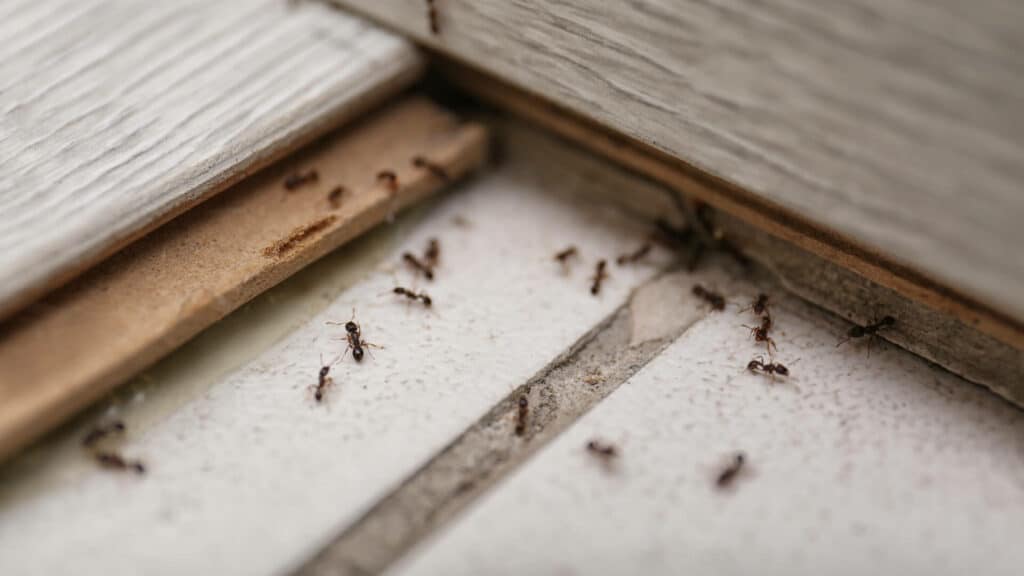
Ants constitute the most frequently encountered pest problem in Texas homes, with fire ants, carpenter ants, pharaoh ants, and crazy ants causing problems ranging from painful stings to structural damage and electrical equipment failures.
Red imported fire ants are aggressive stinging species building distinctive mound nests in lawns and landscaping, attacking people and pets with coordinated swarming behavior causing painful alkaloid venom reactions.
Carpenter ants excavate wood for nesting galleries, potentially causing significant structural damage over time as colonies expand within walls and wooden elements. Pharaoh ants are tiny indoor pests establishing multiple satellite colonies throughout buildings, contaminating sterile environments and proving extremely difficult to eliminate.
Tawny crazy ants infest electrical equipment causing short circuits and equipment failures while forming enormous supercolonies. Texas’s year-round warm temperatures allow continuous ant activity making infestations persistent problems.
3. Mosquitoes
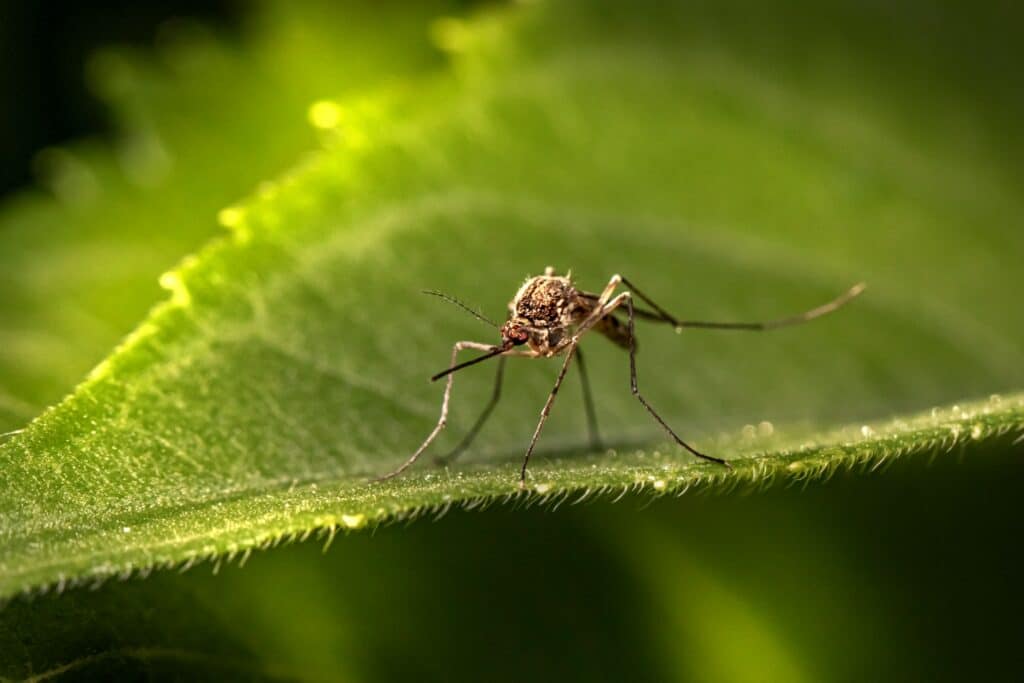
Mosquitoes present serious health threats throughout Texas, transmitting diseases including West Nile virus, Zika virus, dengue fever, and chikungunya while creating outdoor nuisance problems limiting enjoyment of yards and recreational areas during warm months.
Texas’s humid climate, abundant rainfall, irrigation systems, and standing water sources provide ideal breeding habitats for multiple mosquito species including Asian tiger mosquitoes, southern house mosquitoes, and floodwater mosquitoes that produce massive populations after rains. Female mosquitoes require blood meals for egg development, biting humans and animals while potentially transmitting pathogens acquired from previous blood meals.
Mosquito activity peaks during evening hours though some species including Asian tiger mosquitoes bite aggressively during daylight. Standing water elimination, proper drainage, vegetation management, and professional mosquito control programs significantly reduce populations.
4. Termites
Termites cause more property damage in Texas than fires, floods, and storms combined, with subterranean termites and drywood termites silently destroying wooden structures, causing billions in annual damage statewide while often remaining undetected until extensive destruction occurs.
Eastern subterranean termites are the most destructive species in Texas, building massive underground colonies containing hundreds of thousands to millions of workers that access structures through soil-wood contact, mud tubes, or foundation cracks. Formosan subterranean termites—aggressive invasive species—cause even more rapid destruction with enormous colonies consuming wood voraciously.
Drywood termites infest wood directly without soil contact, establishing colonies within structural timbers, furniture, and wooden items. Texas’s warm climate allows year-round termite activity with continuous feeding and colony growth.
5. Spiders
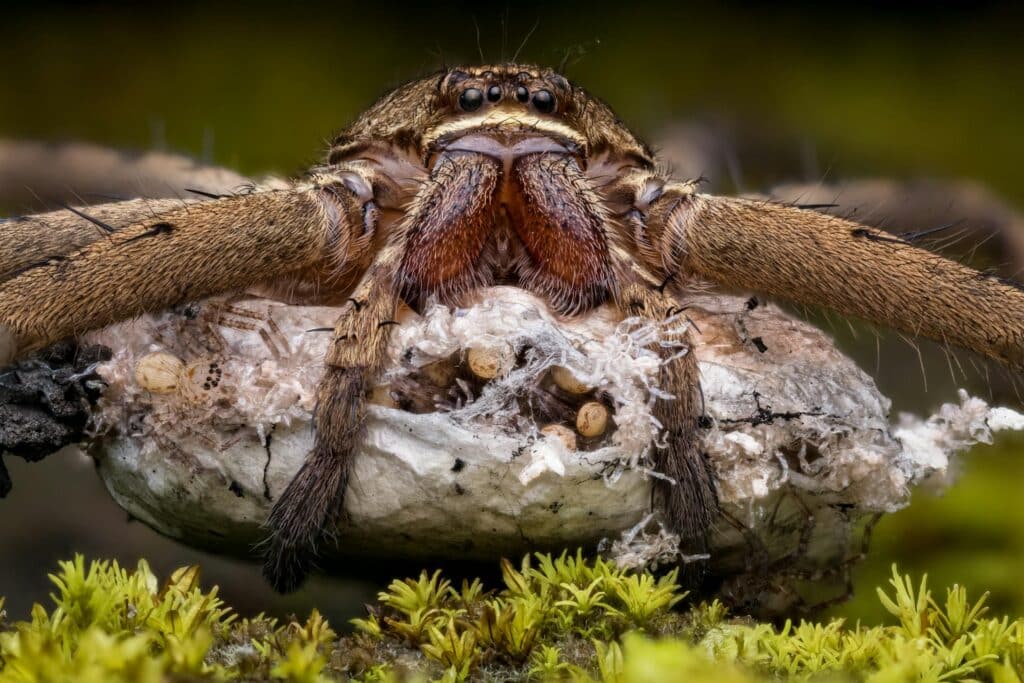
Spiders are abundant throughout Texas with most species providing beneficial pest control, though black widows and brown recluses represent medically significant species requiring caution, while numerous harmless species including wolf spiders, jumping spiders, and orb weavers commonly enter structures.
Black widow spiders inhabit outdoor areas including woodpiles, sheds, and meter boxes, occasionally entering homes where their neurotoxic venom poses health risks requiring medical attention if bites occur. Brown recluse spiders are less common in Texas than often believed, with their range primarily limited to north and central regions, though their necrotic venom causes serious tissue damage justifying concern.
Common harmless spiders including wolf spiders, jumping spiders, and various web-building species control insect populations but create aesthetic concerns when abundant indoors. Most spider problems indicate underlying insect infestations providing abundant prey, making comprehensive pest management addressing prey species the most effective spider control approach.
6. Rodents
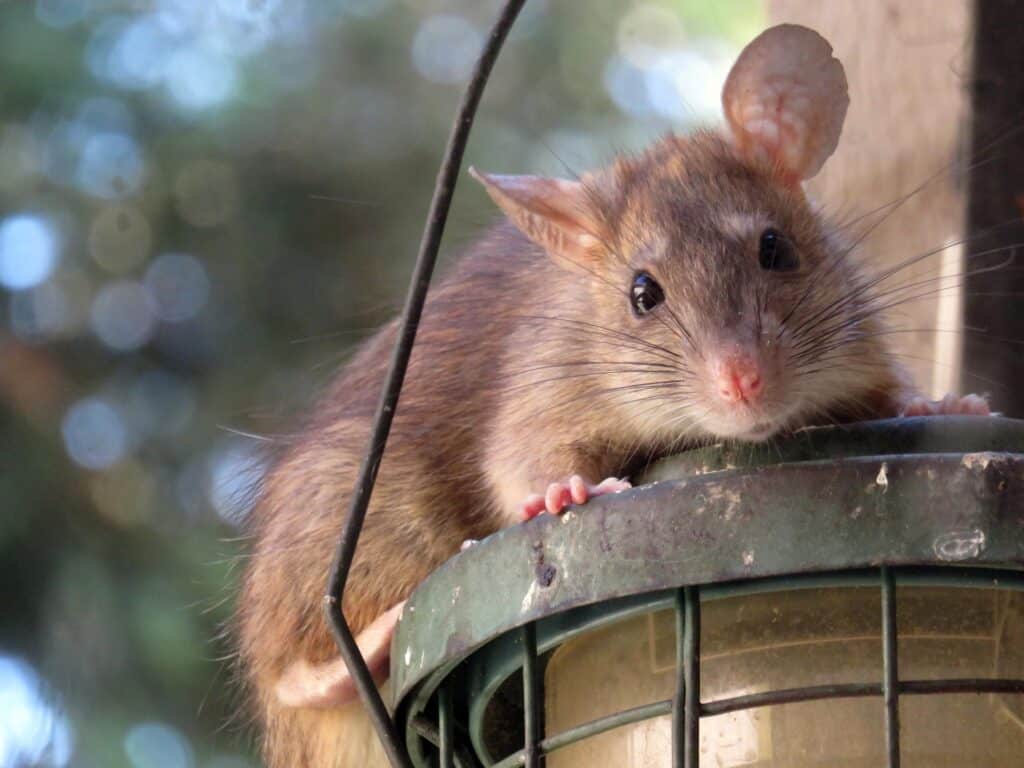
Rodents including Norway rats, roof rats, and house mice are destructive pests throughout Texas, contaminating food with droppings and urine, gnawing through electrical wiring causing fire hazards, and spreading diseases including leptospirosis, salmonellosis, and hantavirus.
Norway rats are large ground-dwelling rodents establishing burrows in foundations and crawl spaces, while roof rats are agile climbers infesting attics, trees, and upper building levels common in coastal Texas regions. House mice are smaller rodents penetrating buildings through tiny openings, reproducing rapidly to create large indoor populations.
Texas’s mild winters allow year-round rodent activity and breeding without seasonal population crashes seen in northern states. Rodents cause extensive property damage through constant gnawing, maintaining ever-growing incisors, contaminate stored foods and surfaces, and trigger allergies through accumulated waste. Professional rodent control including exclusion, trapping, and sanitation proves essential for eliminating infestations and preventing recurring problems.
7. Fleas
Fleas are blood-feeding parasites infesting homes with pets throughout Texas, causing irritating bites on humans and animals, transmitting diseases including murine typhus and tapeworms, and rapidly reproducing to create overwhelming infestations in carpets, bedding, and upholstery.
Cat fleas are the most common species affecting both dogs and cats, with adult fleas biting hosts while immature stages develop in carpeting and pet resting areas where eggs, larvae, and pupae accumulate. Texas’s warm climate allows year-round flea activity without winter dormancy that naturally suppresses populations in colder states, making continuous prevention essential for pet owners.
Flea bites cause intense itching, allergic reactions, and potential disease transmission, while heavy infestations create household nuisances affecting family members even without pets present. Professional flea control combining pet treatments, indoor insecticide applications, and outdoor yard treatments effectively eliminates all life stages breaking reproductive cycles.
8. Flies
Flies including house flies, fruit flies, drain flies, and blow flies are common nuisance pests throughout Texas, contaminating food with disease-causing pathogens picked up from garbage, animal waste, and decaying matter while their rapid reproduction creates persistent problems in homes and businesses.
House flies are the most prevalent species, transmitting over 100 pathogens including E. coli, Salmonella, and Shigella through contact with contaminated surfaces before landing on food and kitchen areas. Fruit flies rapidly colonize overripe produce and fermenting materials, while drain flies breed in organic buildup within plumbing creating bathroom and kitchen infestations.
Blow flies indicate sanitation problems or hidden animal carcasses requiring removal. Texas’s warm temperatures support continuous fly breeding year-round with multiple overlapping generations maintaining constant population pressure. Effective fly control requires eliminating breeding sites through improved sanitation, garbage management, and sealing entry points combined with targeted treatments when populations become problematic.
How to know if you have an infestation
Pest infestations in Texas create distinctive signs indicating established populations requiring professional intervention:
- Live pests observed regularly: You might notice cockroaches when lights turn on at night, ant trails across countertops, mosquitoes swarming at dusk, termite swarmers emerging in spring, or spiders appearing frequently throughout your home.
- Pest evidence and damage: It’s common to find cockroach droppings and egg cases, fire ant mounds in lawns, termite mud tubes on foundations, discarded termite wings near windows, or spider webs accumulating in corners.
- Structural damage appearing: You’ll likely discover hollow-sounding wood indicating termite or carpenter ant damage, mosquito breeding in standing water, or increasing pest activity despite control efforts suggesting established populations.
- Health symptoms or bites: You might experience mosquito bites, fire ant stings, allergic reactions to cockroach allergens, or discover spider bites indicating pest populations reaching levels creating health risks beyond nuisance concerns.
When to contact the professionals
When dealing with pest problems throughout your Texas property, professional pest control services offer comprehensive solutions addressing the diverse species thriving in the state’s warm climate and varied ecosystems. Our pest control technicians will perform a detailed inspection to assess the situation and develop a customized treatment plan based on the specific pests present.
Given the potentially serious health and property consequences of pest infestations in Texas’s year-round warm climate allowing continuous pest activity, prompt professional intervention prevents minor problems from becoming major infestations. If you’re experiencing problems with common Texas pests, have discovered signs of infestation, or want preventive protection for your property, contact Aptive today for a free quote.