The southwestern United States presents unique pest challenges due to its arid climate, extreme temperatures, and diverse ecosystems that support various insect and arthropod species adapted to desert conditions. Homeowners in Arizona, New Mexico, Nevada, and southern California face distinctive pest pressures that differ significantly from other regions, including venomous scorpions, heat-tolerant cockroaches, and termites capable of thriving in low-moisture environments.
Being aware of the most common southwestern pests, their behaviors, and seasonal patterns helps residents implement effective prevention strategies and recognize when professional intervention becomes necessary to protect homes and families from these regionally specific threats.
What types of pests can you find in the Southwest of the United States?
The Southwest hosts diverse pest species uniquely adapted to arid, high-temperature environments that characterize this region. Common pests include multiple scorpion species with the Arizona bark scorpion being the most medically significant, various heat-tolerant cockroach species including American and Oriental cockroaches, and aggressive ant species like harvester ants, fire ants, and Argentine ants that thrive in warm climates.
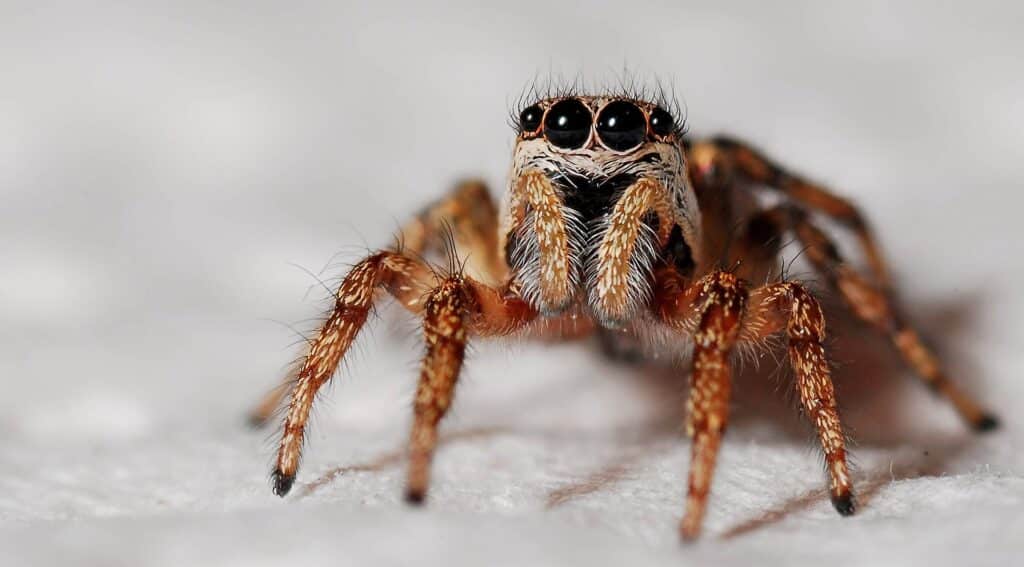
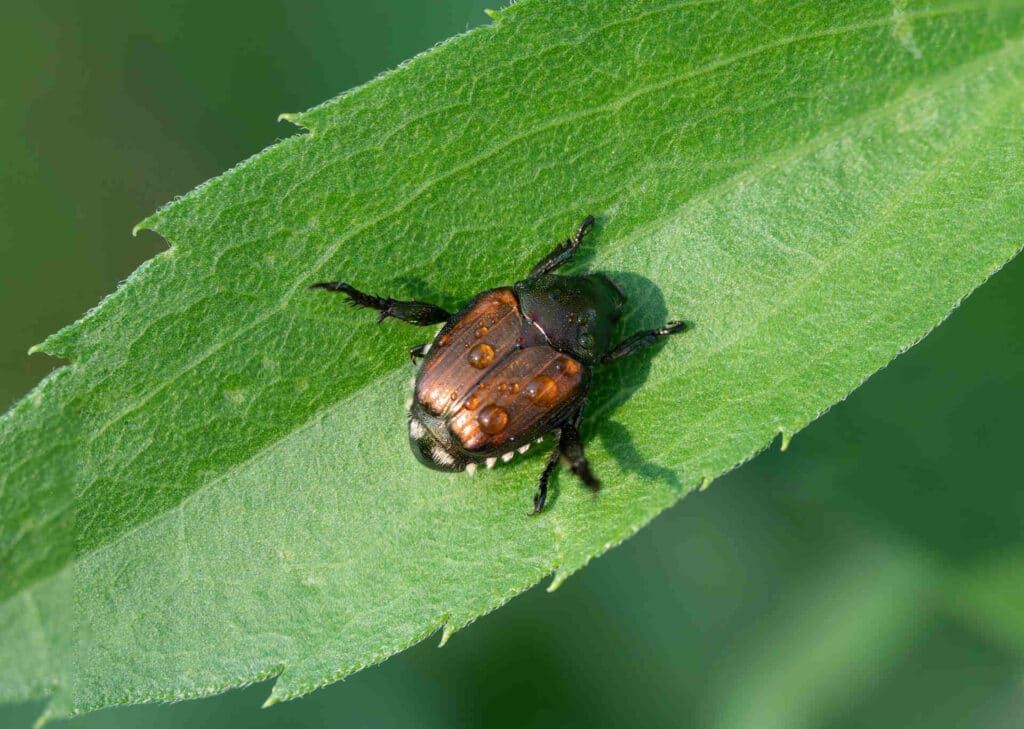
Desert-adapted termites including subterranean and drywood species cause extensive structural damage despite low environmental moisture. Mosquitoes persist in irrigated areas and around water features, while ticks inhabit vegetation in hiking areas and natural spaces. Spiders including black widows and brown recluses are common in undisturbed areas, and various beetle species adapted to desert conditions invade homes seeking moisture and shelter.
Seasonal monsoons and temperature fluctuations drive pest activity patterns, with many species becoming more active during cooler months or seeking indoor shelter during extreme heat. Urban irrigation creates microclimates supporting pest populations that wouldn’t naturally thrive in pure desert conditions.
The combination of year-round warm temperatures, expanding urban development into desert habitats, and abundant outdoor recreation opportunities creates constant pest management challenges for southwestern residents requiring region-specific control strategies.
Cockroaches
Cockroaches in the Southwest include several heat-tolerant species that thrive in the region’s climate, with American cockroaches being particularly common in sewer systems, basements, and areas with moisture availability. These large roaches measuring 1.5-2 inches adapt well to desert urban environments where irrigation and plumbing provide necessary water sources. Oriental cockroaches also inhabit cool, damp areas including crawl spaces and utility rooms.
German cockroaches infest indoor environments including kitchens, bathrooms, and food service establishments where they reproduce rapidly and create persistent problems. Their smaller size and indoor preferences make them problematic year-round residents unaffected by outdoor temperature extremes.
Desert cockroaches and other native species occasionally invade structures but generally remain outdoor inhabitants. The Southwest’s warm climate allows extended activity periods compared to colder regions where cockroaches experience seasonal dormancy.
Cockroach control in the Southwest requires addressing water sources through leak repairs and moisture management, implementing strict sanitation to eliminate food sources, and sealing entry points around plumbing penetrations and foundation gaps. Professional treatment often combines baiting programs with residual insecticide applications targeting harborage areas and common travel routes throughout structures.
Ants
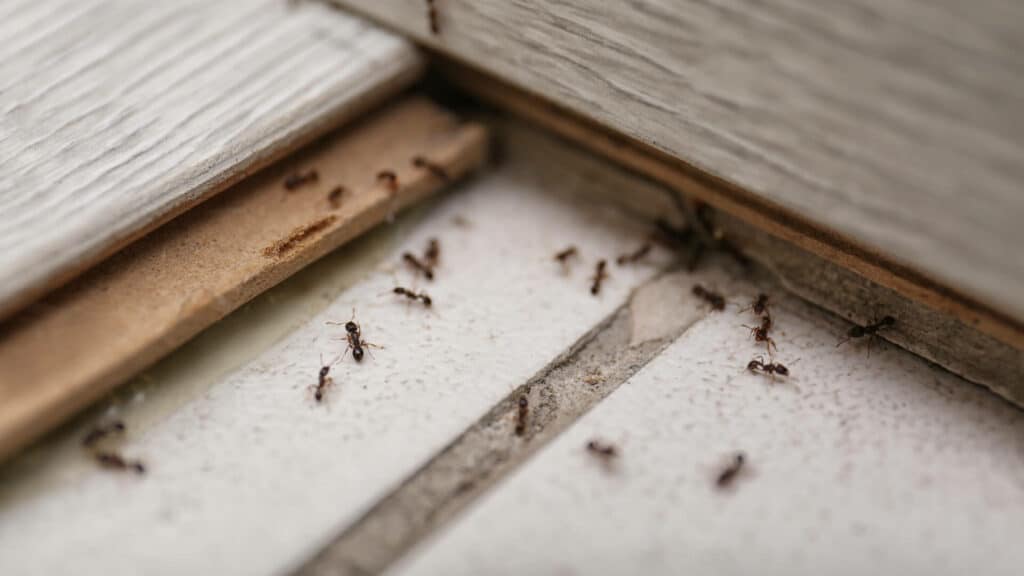
Southwestern ant species include numerous aggressive and problematic varieties adapted to desert conditions. Harvester ants build large mounds in yards and deliver painful stings containing potent venom causing severe localized reactions. Fire ants establish colonies in irrigated areas and create serious medical concerns through their aggressive defensive behavior and allergenic venom.
Argentine ants form massive supercolonies throughout urban areas where irrigation creates favorable moisture conditions, becoming persistent indoor invaders seeking water and food sources. Carpenter ants exploit structural wood in areas with moisture problems, though they’re less common than in humid regions. Various native desert ant species including honey pot ants and acrobat ants occasionally invade structures.
Seasonal patterns show increased indoor ant activity during extreme heat when outdoor conditions become unfavorable and during monsoon seasons when flooding drives ants to seek elevated, dry shelter. Year-round activity is common in the Southwest’s mild winters compared to seasonal dormancy in colder climates.
Scorpions
Scorpions represent one of the Southwest’s most distinctive and concerning pest problems, with the Arizona bark scorpion being the only potentially lethal scorpion species in the United States. These venomous arachnids thrive in desert conditions and commonly invade homes seeking moisture, prey insects, and shelter from temperature extremes. Bark scorpions are excellent climbers capable of accessing upper-story rooms and are often found in bathtubs, sinks, and other areas where they become trapped while seeking water.
Multiple scorpion species inhabit the Southwest including striped-tail scorpions, giant hairy scorpions, and various other species ranging from minor nuisance to medical concern. Scorpions are nocturnal hunters that glow under ultraviolet light, enabling homeowners to locate them during nighttime inspections.
Peak scorpion activity occurs during warm months, though they remain active year-round in the Southwest’s mild climate. They seek indoor shelter during extreme heat and cold, making home invasions common during temperature extremes. Scorpions can survive without food for extended periods and reproduce slowly, making established populations difficult to eliminate.
Termites
Termites cause extensive structural damage throughout the Southwest despite the region’s arid conditions, with subterranean termites building mud tubes to access above-ground wood while maintaining moisture connections to soil. Desert subterranean termites are uniquely adapted to low-moisture environments and can establish colonies with minimal water requirements compared to termites in humid regions.
Drywood termites infest structural wood without soil contact, creating colonies entirely within wood members and spreading through swarming flights during warm months. These termites are particularly problematic in the Southwest where dry conditions favor their biology, and they can cause significant damage before detection since they don’t build obvious mud tubes.
Dampwood termites inhabit areas with moisture problems including leaking roofs, plumbing issues, or areas with poor drainage. While less common than other termite types, they can cause substantial damage when moisture conditions support their colonies.
Termite activity peaks during spring swarming seasons when reproductive termites establish new colonies, though worker termites remain active year-round. The Southwest’s mild winters allow continuous feeding and colony growth without dormancy periods common in colder climates.
Mosquitoes
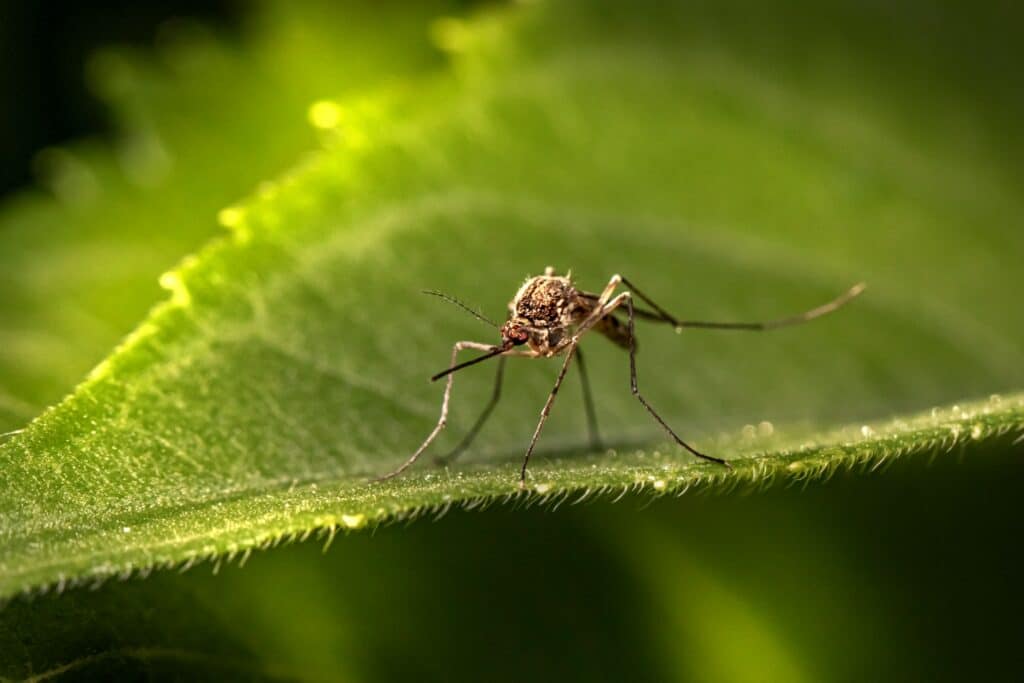
Mosquitoes persist throughout the Southwest despite arid conditions, thriving in irrigated residential areas, golf courses, parks, and anywhere standing water accumulates. Urban water features including pools, fountains, bird baths, and landscape irrigation create breeding sites supporting substantial mosquito populations during warm months. Monsoon seasons bring temporary water accumulations that rapidly produce large mosquito populations.
Multiple mosquito species inhabit the region including Aedes, Culex, and Anopheles species capable of transmitting diseases including West Nile virus, Zika virus, and other mosquito-borne illnesses. Urban heat island effects extend mosquito activity seasons, with some areas experiencing year-round mosquito presence rather than seasonal populations.
Aggressive daytime-biting species like Asian tiger mosquitoes have established populations in some southwestern cities, expanding mosquito nuisance periods beyond traditional dawn and dusk activity times. These invasive species adapt well to urban environments and bite persistently during outdoor activities.
Mosquito control requires eliminating standing water breeding sites through regular property inspections, properly maintaining pools and water features, ensuring proper drainage, and addressing irrigation issues creating persistent moisture. Personal protection through repellents and appropriate clothing reduces bite risks during outdoor activities. Professional mosquito treatments including barrier sprays and larvicide applications provide additional protection for properties with persistent mosquito problems or when hosting outdoor events.
Ticks
Ticks inhabit vegetated areas throughout the Southwest including hiking trails, parks, and natural spaces where they quest for hosts from grasses and shrubs. Multiple tick species including brown dog ticks, Rocky Mountain wood ticks, and various other species pose disease transmission risks. Brown dog ticks are particularly problematic as they can complete their entire lifecycle indoors, making them persistent home invaders when introduced by pets.
Disease concerns from tick bites include Rocky Mountain spotted fever, tick-borne relapsing fever, tularemia, and various other tick-borne illnesses requiring prompt medical attention. While tick-borne disease rates are generally lower than in eastern states, the Southwest’s outdoor recreation culture creates substantial exposure risks for hikers, campers, and outdoor enthusiasts.
Seasonal patterns show peak tick activity during spring and fall when moderate temperatures favor their questing behavior, though activity continues year-round in mild areas. Desert ticks are adapted to arid conditions and can survive extended periods without feeding while waiting for suitable hosts.
Tick prevention requires wearing protective clothing during outdoor activities, using EPA-registered repellents, conducting thorough tick checks after spending time in tick habitat, and maintaining tick-free yards through vegetation management. Pet tick prevention through veterinarian-recommended products prevents indoor tick infestations. Professional tick treatments reduce populations around properties in high-risk areas.
What to do if you think you have a pest infestation
Suspected pest infestations require prompt action to prevent population growth and structural damage:
- Document the problem: Note pest sighting locations, times, and frequencies to help identify species and understand infestation extent.
- Identify the pest species: Use online resources or take clear photos for professional identification, as different pests require different control approaches.
- Implement immediate sanitation: Clean thoroughly, remove food sources, eliminate standing water, and reduce clutter providing harborage sites.
- Seal obvious entry points: Caulk cracks, repair screens, and close gaps around utilities while waiting for professional assessment.
- Professional pest control services offer the best option for southwestern pest management due to region-specific challenges including venomous scorpions, aggressive ants, and desert-adapted termites.
When to call a professional
For accurate pest identification and comprehensive management of southwestern pest infestations, professional pest control services offer the most effective solutions. Aptive’s pest control experts understand region-specific challenges including venomous scorpions, aggravating and potentially harmful mosquitoes, and aggressive ant species, implementing appropriate treatment strategies based on correct species identification and southwestern climate conditions.
If you’re dealing with pest problems in the Southwest or are concerned about potentially dangerous species around your property, contacting a professional pest control expert is your best option for safe, effective management. Aptive can develop a customized assessment and treatment plan starting with a free quote.
Frequently Asked Questions about the Common Pests in the Southwest:
Q: Are Arizona bark scorpions dangerous?
Yes. Arizona bark scorpions are the most venomous scorpion in North America; stings can require medical care, especially for children, older adults, and those with sensitivities.
Q: Which mosquitoes spread disease near the Phoenix Metro area and when do they bite?
Culex mosquitoes transmit West Nile virus and are most active evening through early morning; Aedes aegypti can spread dengue/chikungunya/Zika and bites during the day. Surveillance in Maricopa County confirms both genera.
Q: Why are mosquitoes bad after monsoon storms in the desert?
Storms and irrigation create standing water in containers, yards, and green spaces—prime breeding sites—leading to complaint spikes and increased disease surveillance.
Q: Are ticks a problem in the Southwest’s cities?
Yes. The brown dog tick can complete its entire life cycle indoors, leading to home infestations; it’s implicated in Rocky Mountain spotted fever transmission in parts of Arizona.
Q: What tick-borne diseases should Southwest residents know about?
Rocky Mountain spotted fever occurs in the region (including brown dog tick–associated outbreaks in AZ); early treatment is critical. Keep pets on vet-recommended preventives to reduce risk.
Q: Do cockroaches fly in Arizona?
American cockroaches have wings and can fly (or glide) in warm conditions, though they don’t always do so; they favor warm, moist areas in and around homes.
Q: Are brown recluse spiders actually in the Southwest?
Classic brown recluse (Loxosceles reclusa) has limited presence; in Arizona, native relatives like the Arizona and desert recluse occur, and brown recluse is mainly confirmed in far eastern NM. Black widows are the more frequently encountered medically significant spider in much of AZ.