You reach for your favorite cashmere sweater to prepare for the season’s first cold snap, only to discover a collection of small, irregular holes scattered across the front panel. The damage wasn’t there when you carefully folded and stored the garment months ago, and the precise, clean-edged holes suggest something far more systematic than simple wear and tear.
This frustrating scenario highlights why understanding fabric pest identification becomes crucial for protecting valuable wardrobes and preventing ongoing damage. Unlike casual household pests that seek food scraps or shelter, clothes-eating insects target the protein-rich fibers in natural textiles, making expensive wool, silk, and leather items particularly vulnerable to systematic destruction over extended storage periods.
Which Bugs Eat Fabric?
Several distinct insect species have evolved specialized feeding capabilities that enable them to digest the protein-rich materials found in natural fiber clothing. Understanding these pests’ specific characteristics helps homeowners identify the source of fabric damage and implement appropriate control strategies.
Clothes moths: Adult clothes moths appear as small, golden-beige insects measuring 6-8mm with weak flying capabilities that prefer staying close to their larval food sources. These moths avoid bright lighting and typically remain hidden within closet areas during daylight hours. The actual fabric damage results from their larvae—small, white caterpillars that systematically consume keratin proteins found in wool, silk, fur, and feathers while creating characteristic webbing materials around feeding sites.
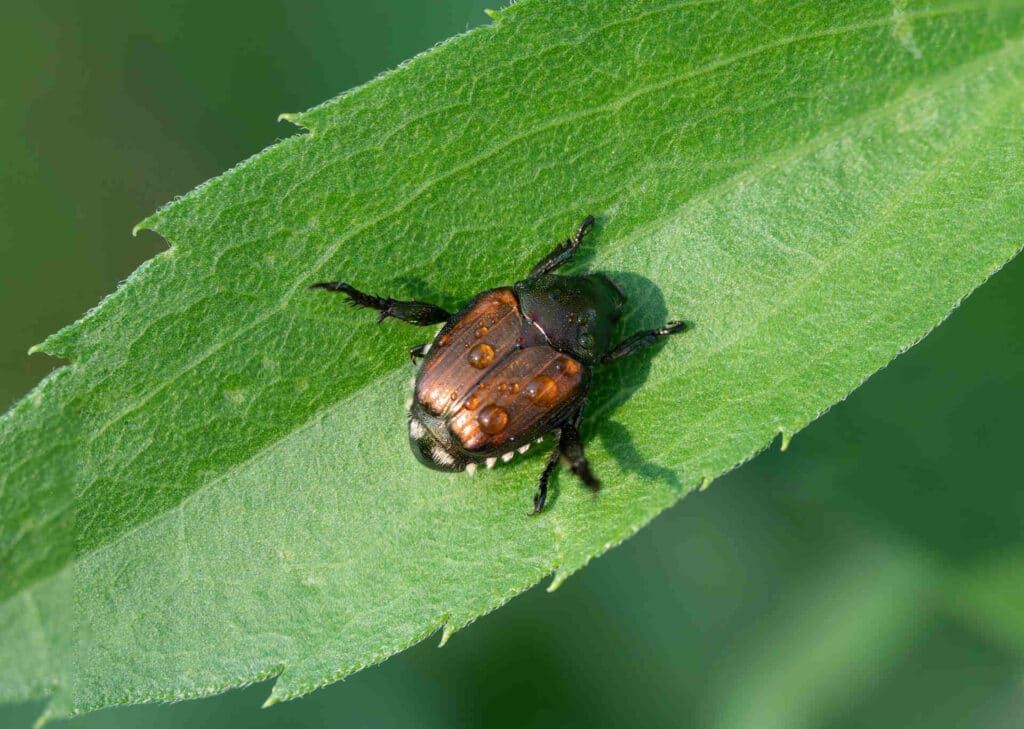
Carpet beetles: Adult carpet beetles are small, oval-shaped insects often spotted on windowsills seeking natural light for mating flights. Multiple species exist, including varied carpet beetles, furniture carpet beetles, and black carpet beetles, each with slightly different feeding preferences. Their larvae appear as brownish, bristly creatures that feed on natural fibers while showing particular preference for wool, silk, and felt materials. These larvae can remain active for months, creating extensive damage before pupating into adults.
Silverfish: While not primarily fabric feeders, silverfish occasionally damage clothing containing starch-based sizing, adhesives from labels, or organic stains. These quick-moving, silver-gray insects thrive in humid environments and may target synthetic materials if they contain food residues or manufacturing chemicals that provide nutrition.
Why Bugs Choose Closets
Closet environments provide optimal conditions for fabric pest establishment and reproduction by combining multiple factors that support their survival while enabling extended feeding periods without human interference.
Environmental advantages closets provide:
- Darkness and isolation: Extended periods without human disturbance enable uninterrupted feeding and reproduction cycles.
- Temperature stability: Consistent indoor temperatures support year-round activity and accelerated development.
- Abundant food sources: Concentrated natural fiber clothing provides extensive feeding opportunities.
- Humidity retention: Poor air circulation creates moisture conditions that support pest survival and egg development.
Long-term storage of seasonal clothing creates perfect conditions for pest establishment since items remain undisturbed for months. Tightly packed storage containers may provide additional protection for developing larvae while limiting detection opportunities. Clothing stored with food stains, perspiration residues, or organic matter becomes particularly attractive to fabric pests seeking both nutrition and egg-laying sites.
Signs You’re Dealing With Fabric Pests
Not all clothing damage is from insects. But certain patterns suggest clothes-eating bugs are at work:
- Irregular holes: Look for small, scattered holes in natural fiber fabrics. Moth larvae often feed in patches.
- Silky webbing: Clothes moths leave fine, gauzy threads, especially around seams or under collars.
- Casing or shed skins: Carpet beetle and moth larvae leave behind molted skins or fuzzy casings.
- Live larvae or bugs: You might find crawling bristly larvae at the bottom of storage boxes or tucked inside fabric folds.
Also, watch your less-worn clothes. Bugs tend to avoid heavily used items and instead target the things you wear the least.
When to Call the Professionals
When dealing with persistent fabric pest problems in closets and storage areas, Aptive’s pest control experts can help. Our pest control service will perform a detailed inspection to assess the situation and develop a customized treatment plan based on the specific fabric pests and storage conditions supporting their populations. We’ll identify whether you’re dealing with clothes moths, carpet beetles, or other fabric pests, and recommend targeted strategies to eliminate current infestations while helping protecting valuable textiles.
If you’re discovering fabric damage in your closets or finding evidence of clothes-eating insects despite storage improvements, contact Aptive today for a free quote.
FAQs About Closet Bugs
Here are common questions homeowners ask about fabric pests in closets.
Q: Do mothballs actually prevent clothes moths?
Traditional mothballs contain chemicals that can repel or kill clothes moths, but they pose health risks and require careful handling. Modern alternatives include cedar products, lavender sachets, and pheromone traps that provide safer pest management options. However, no repellent provides complete protection against determined fabric pests, making proper storage, regular inspection, and environmental controls more reliable prevention strategies than chemical deterrents alone.
Q: Can fabric pests spread to other areas of my home?
Yes, fabric pests can expand beyond closets to infest carpets, upholstered furniture, and other areas containing natural fibers. Carpet beetles particularly commonly move between different textile sources throughout homes. Adult moths and beetles may fly or crawl to new locations seeking mates and egg-laying sites. Early intervention in closet infestations prevents expansion to other valuable textile items throughout the home.
Q: How do I clean my clothes after discovering fabric pest damage?
Wash all affected items in hot water (120°F or higher) if fabric care labels permit, or dry clean items requiring special care. Heat treatment through washing, dry cleaning, or professional heating services kills all life stages of fabric pests. Vacuum storage areas thoroughly and consider freezing smaller items at 0°F for 72 hours as an alternative treatment. Replace heavily damaged items and inspect similar materials for signs of infestation spread.