Fireflies, also known as lightning bugs, are among nature’s most enchanting insects, famous for their magical light displays that illuminate summer evenings. While most people associate firefly bioluminescence with nighttime activities, these fascinating beetles have more complex lighting behaviors than commonly understood.
Their glowing abilities serve specific biological purposes related to mating, communication, and survival strategies that extend beyond simple nighttime displays. Understanding when and why fireflies produce light helps appreciate these remarkable insects and their role in backyard ecosystems, while also addressing concerns homeowners might have about firefly populations around their properties.
Do fireflies shine during the day?
Most firefly species do not actively produce light during daylight hours, as their bioluminescent displays are primarily designed for nighttime mating communication. During the day, fireflies typically remain hidden in vegetation, under bark, or in other protected areas where they rest and conserve energy for their evening activities. Their light-producing organs remain inactive during daylight since the signals would be invisible against bright sunlight and serve no communicative purpose.
However, some firefly species are diurnal (active during the day) and may produce light under specific circumstances, though this is relatively uncommon. Certain tropical firefly species have been observed flashing during overcast days or in heavily shaded forest environments where light levels are reduced enough for bioluminescence to be visible.
The evolutionary purpose of firefly bioluminescence is primarily for mate attraction and species recognition, which requires darkness for optimal visibility. Daylight firefly activity focuses on feeding, resting, and preparing for evening mating displays rather than light production.
Most North American firefly species follow predictable patterns of daytime inactivity followed by evening emergence when males begin their characteristic flashing flights to attract females. This circadian rhythm is closely tied to light levels and temperature conditions that trigger their bioluminescent behaviors.
How do fireflies shine?
Fireflies produce light through a remarkable biochemical process called bioluminescence that occurs in specialized light-producing organs located in their abdomens. This process involves a chemical reaction between a molecule called luciferin and an enzyme called luciferase, along with oxygen and adenosine triphosphate (ATP) for energy. When these components combine, they produce light with minimal heat generation, making it one of the most efficient light sources known.
The light-producing organs contain specialized cells called photocytes that are packed with mitochondria to provide the energy needed for light production. These organs are controlled by the firefly’s nervous system, allowing precise timing and pattern control for their flashing displays. Different species produce different colors of light, ranging from yellow-green to orange or red, depending on the specific structure of their luciferin molecules.
Fireflies can control their light production by regulating oxygen flow to the light-producing organs through their respiratory system. This allows them to create specific flash patterns, durations, and intensities that serve as species-specific mating signals. The efficiency of firefly bioluminescence is remarkable—nearly 100% of the energy is converted to light with virtually no waste heat.
This cold light production has inspired human applications in medical research, environmental monitoring, and biotechnology, where firefly luciferase is used as a research tool.
Are fireflies dangerous?
Fireflies are not dangerous to humans and are generally considered beneficial insects that pose no health risks or safety concerns. They don’t bite, sting, or transmit diseases, making them completely harmless to people and pets. Unlike many other insects that can be problematic around homes, fireflies are docile creatures that spend most of their time focused on mating activities and feeding on small insects, snails, and organic matter.
In fact, fireflies can be beneficial for gardens and landscapes as both adults and larvae feed on pest insects and garden pests. Firefly larvae, known as glowworms, are particularly effective predators of slugs, snails, and soft-bodied insects that can damage plants. Adult fireflies also consume aphids, mites, and other small pests, providing natural pest control services.
How to prevent a firefly infestation
Fireflies are generally not considered pest insects, but if their populations become overwhelming, beetle control focuses on habitat modification:
- Reduce moisture sources: Eliminate standing water, fix drainage problems, and reduce irrigation that creates ideal breeding conditions for firefly larvae.
- Modify landscaping: Reduce dense vegetation, tall grass, and organic debris where fireflies rest during the day and larvae develop.
- Increase artificial lighting: Install bright outdoor lighting that disrupts firefly mating behavior and makes areas less attractive for congregation.
- Remove food sources: Control other insect populations that serve as food for firefly larvae and adults through integrated pest management.
- Chemical-free alternatives: Avoid using pesticides that can harm fireflies while targeting specific environmental conditions that support large populations rather than direct control methods.
What to do if you have a firefly infestation
Since fireflies are beneficial insects, management should focus on population reduction rather than elimination:
- Habitat modification: Reduce overly moist conditions and dense vegetation that support large firefly populations while maintaining some natural areas
- Light management: Install motion-sensor lights or increase ambient lighting to disrupt mating behavior without permanently eliminating beneficial populations.
- Natural population control: Allow natural predators like spiders and birds to help control firefly numbers without chemical intervention.
- Timing considerations: Focus management efforts during peak activity seasons when populations are most noticeable, typically mid to late summer.
- Conservation balance: Consider the ecological benefits of fireflies before implementing control measures, as they provide natural pest control and indicate healthy environmental conditions.
When to call a professional
When dealing with firefly populations that have become overwhelming or are affecting your outdoor comfort, professional pest control services can provide effective and environmentally conscious solutions for firefly management. At Aptive, our pest control experts can assess your property’s conditions that support large firefly populations and recommend targeted habitat modifications that reduce numbers while preserving the ecological benefits these insects provide.
If you’ve noticed firefly populations that seem excessive or are concerned about maintaining the right balance of beneficial insects on your property, contact Aptive today for a free quote.
FAQs about fireflies
Here are some commonly-asked questions about fireflies by homeowners.
Q: What do fireflies look like?
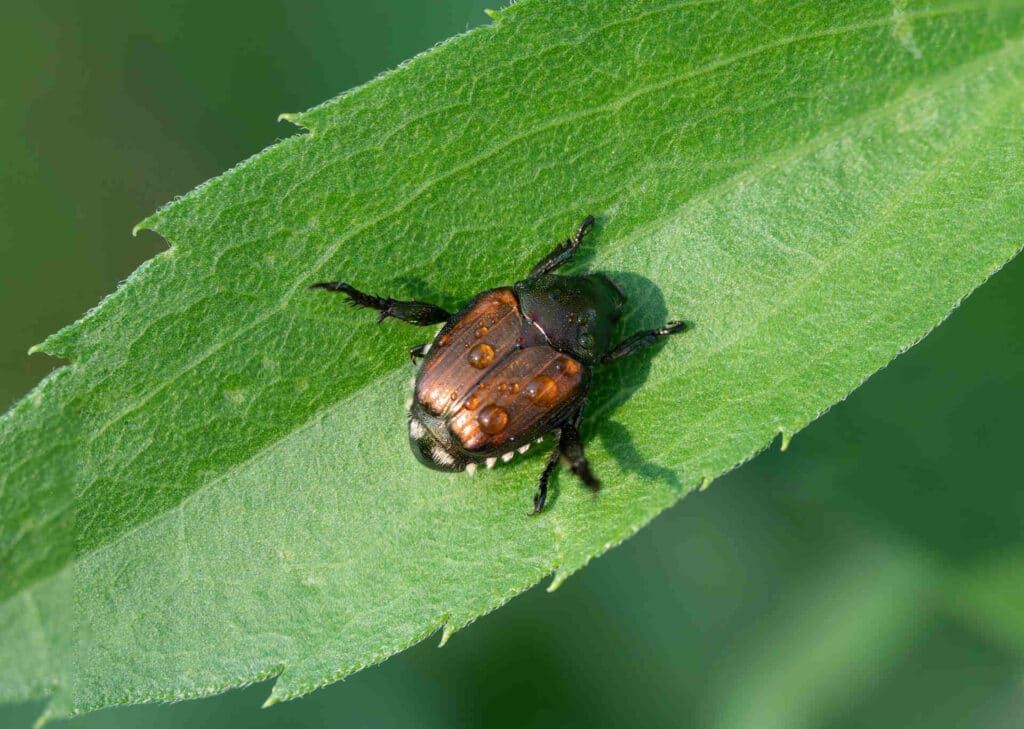
Fireflies are small beetles measuring 1/2 to 3/4 inch in length with soft, elongated bodies and relatively flat appearance. They have dark brown or black wing covers (elytra) often with yellow, orange, or red markings along the edges. Their most distinctive feature is the light-producing organ in their abdomen that glows yellow-green, orange, or red depending on the species. Fireflies have long, thread-like antennae, large eyes, and a shield-like covering (pronotum) behind their heads. During the day, they appear as ordinary dark beetles without any visible glow.
Q: Do fireflies bite?
No, fireflies do not bite humans. They have soft, harmless mouthparts designed for feeding on small insects, pollen, nectar, and organic matter rather than biting. Fireflies are completely docile insects that pose no physical threat to people or pets. They don’t have stingers, fangs, or any defensive mechanisms that could harm humans. Their only defense is chemical compounds that make them taste bitter to predators, but these chemicals are harmless to humans through casual contact. Fireflies are among the safest insects to encounter around homes.
Q: Are fireflies going extinct?
Fireflies are experiencing significant population declines worldwide, with some species facing extinction risks, though they’re not entirely extinct as a group. Major threats include habitat loss, light pollution that disrupts their mating displays, pesticide use, and climate change. Several firefly species have already been listed as endangered or critically endangered. Their decline is particularly concerning because fireflies require specific environmental conditions and are sensitive to ecological changes. Conservation efforts focus on reducing light pollution, preserving natural habitats, and limiting pesticide use to help protect remaining firefly populations from further decline.