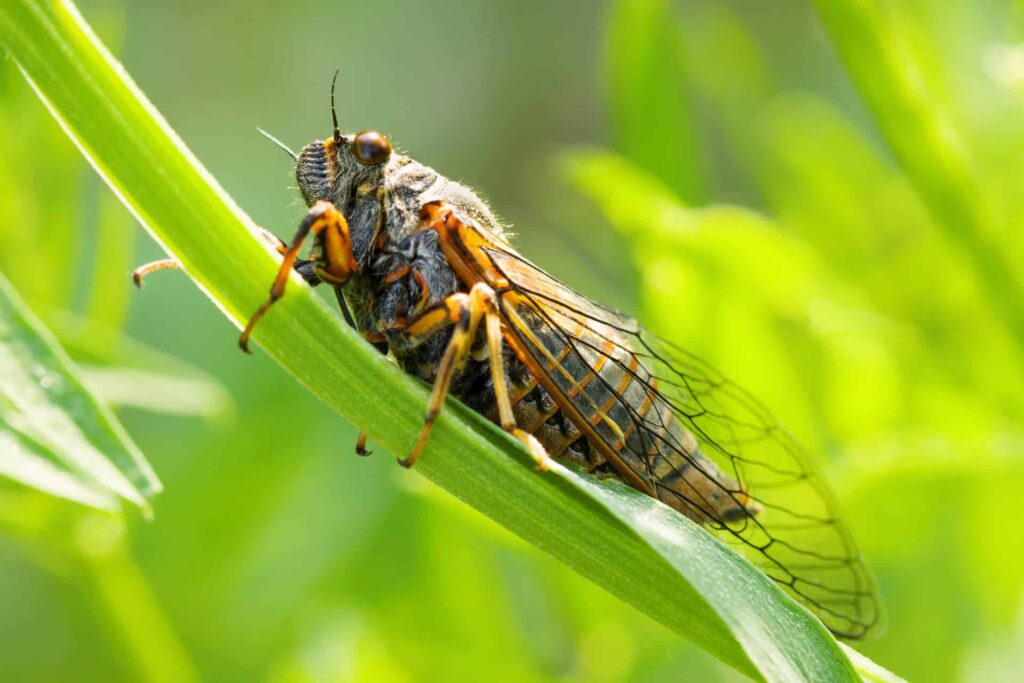
You flick off the light before bed, ready for a peaceful night’s sleep. Suddenly, a loud chirp pierces the silence. You turn the light back on and see a cricket hopping across your floor. If this unwelcome visitor has become a nightly occurrence, you might have a house cricket infestation. This guide will help you understand how to get rid of house crickets and reclaim your quiet nights.
Identifying House Crickets
House crickets are common indoor pests that can cause quite a disturbance, especially at night. These small brown or black insects typically range from half an inch to three-quarters of an inch long. With long antennae and powerful jumping legs, they’re built to invade your home. Unlike their chirping cousins outside, male house crickets chirp indoors at night, seeking to attract mates—often disturbing your sleep in the process.
Signs of a Cricket Infestation
If you hear those late-night chirps or spotting crickets around your home, it’s time to investigate further. Here are some signs that could indicate a cricket infestation:
- Nightly chirping: The most obvious sign is the constant chirping of male crickets, particularly at night.
- Sightings: Seeing live crickets hopping around your home is a clear indicator of an infestation.
- Excrement: Tiny black droppings around warm, moist areas might indicate cricket activity.
- Shed skin: As crickets grow, they shed their outer skin. Finding these brownish-yellow husks around your house is another sign of a cricket problem.
Effective Cricket Removal Methods
Once you’ve identified the presence of crickets, taking quick and effective action is essential. Here are some methods to get rid of crickets in your home:
- Sticky traps: Commercially available sticky traps are a simple way to capture crickets. Place them in areas where you’ve seen cricket activity, like basements, laundry rooms, and warm appliances.
- Soap and water: An easy method is filling a shallow dish with soapy water and placing it near cricket hiding spots. The crickets will be attracted to the water and drown.
- Vacuuming: If you see live crickets, vacuum them up. Be sure to empty the vacuum cleaner bag outside afterward to prevent escapees.
When to Call in the Professionals
While these methods can be effective for mild infestations, sometimes professional help is necessary. Here’s when to call a cricket pest control specialist:
- You have a severe infestation: If you’re seeing crickets all over your house and DIY methods aren’t working, it’s time to call in the pros. They can identify the source of the infestation and use targeted treatments to help manage it.
- You want to identify entry points: Professional pest control specialists can help you determine how the crickets enter your home, allowing you to seal those entry points and minimize future infestations.
- You need peace of mind: For some homeowners, the thought of crickets multiplying in their walls is simply too unsettling. A professional can provide peace of mind with a thorough inspection and treatment plan.
4 Preventative Measures to Avoid Cricket Infestations
Preventing future cricket problems requires a proactive approach and a commitment to regular maintenance. Here’s how to protect your home from future infestations:
- Ensure Moisture Control. Address any leaks immediately to prevent moisture buildup that attracts crickets. Regularly check for leaks during your monthly home inspection. Also, dehumidifiers should be run weekly in basements and crawl spaces, especially during humid seasons, to keep moisture levels low.
- Seal Entry Points. Inspect and seal any cracks around windows, doors, and foundations annually or after severe weather events. Make sure to check these areas regularly and reseal them as necessary.
- Declutter Your Home. Declutter storage areas quarterly to minimize potential hiding spots for crickets and other pests. Keep these spaces organized and free from unnecessary items.
- Empty Trash Regularly. Take out the trash daily to avoid attracting crickets and other pests. Make it a habit to regularly empty trash cans, particularly in the kitchen and food storage areas.
Eliminate House Crickets Effectively with Aptive
Keep those chirps out of your nighttime routine by following these tips. Remember, a small cricket problem can quickly become a big one. For professional pest control help, get in touch with Aptive. Our expert team will assess your situation and recommend a custom plan to eliminate the infestation and protect your home.