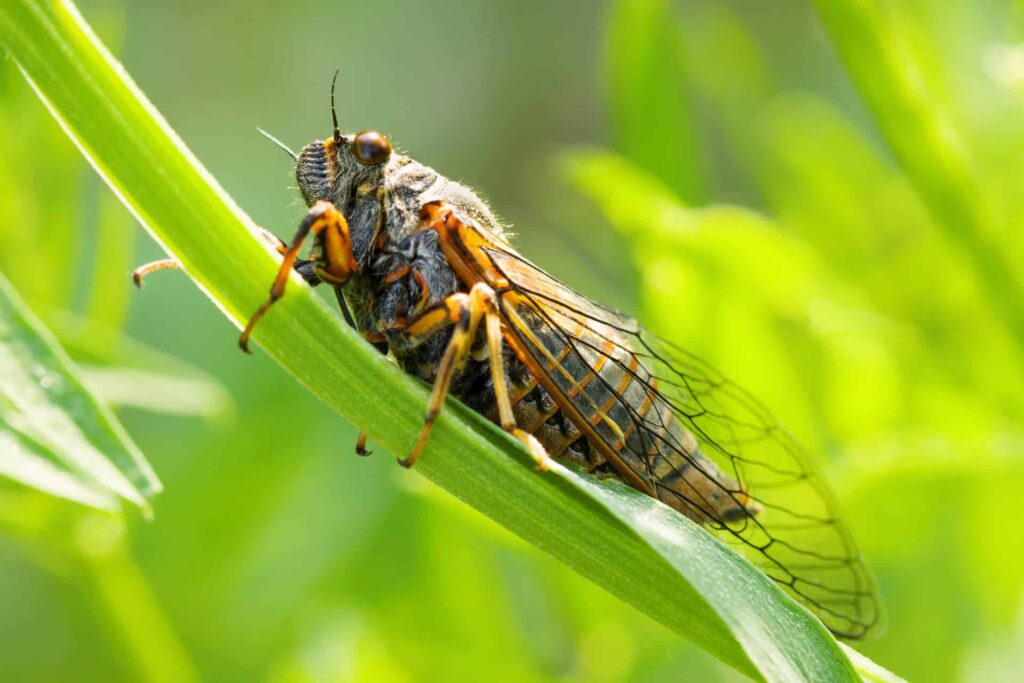
If you’ve ever encountered large, gangly insects that resemble oversized mosquitoes floating around your porch lights or found their way into your home, you’ve likely met crane flies. These long-legged insects often cause alarm due to their size and resemblance to mosquitoes, leading many people to wonder if they sting or pose any danger. Despite their somewhat intimidating appearance, the truth about these insects might surprise you.
What are crane flies?
Crane flies belong to the family Tipulidae and are often mistakenly called “mosquito hawks” or “daddy longlegs” (though the latter properly refers to certain spiders). These insects are characterized by their extremely long, fragile legs, slender bodies, and narrow wings. Adult crane flies typically measure between ½ to 1 inch in length, though some species can be larger.
They’re most commonly seen in late summer and early fall, often around porch lights or inside homes where they’re attracted to light. Despite their appearance, crane flies are not predators of mosquitoes as their nickname suggests. In fact, adult crane flies typically don’t feed at all during their brief lifespan of just 10-15 days, as they’ve evolved to focus solely on reproduction during this phase of their life cycle.
Are crane flies dangerous?
Crane flies pose virtually no danger to humans or pets despite their somewhat intimidating appearance. These insects don’t transmit diseases, unlike mosquitoes, and most adult crane flies don’t even feed during their short lifespan, making them harmless to people, animals, and even plants in their adult stage. However, their larvae (sometimes called “leatherjackets”) can occasionally become garden pests by feeding on grass roots and other plants, potentially causing brown patches in lawns when present in high numbers.
Even so, this damage is generally cosmetic and temporary. The greatest “danger” crane flies present to most homeowners is simply the nuisance of having these large, awkward-flying insects bumbling around lights and occasionally finding their way indoors, where they often become trapped against windows or ceilings.
Do crane flies sting or bite?
Despite their resemblance to mosquitoes, crane flies neither sting nor bite humans or animals. These insects lack the mouthparts necessary for biting or piercing skin. In fact, most adult crane flies have either highly reduced mouthparts or none at all, as they typically don’t feed during their brief adult stage.
Their sole purpose as adults is to mate and, for females, to lay eggs. This inability to bite is consistent across all crane fly species found in North America. The confusion likely stems from their physical similarity to mosquitoes, which do bite and can transmit diseases. If you notice what appears to be a giant mosquito in your home, you can rest assured that it’s most likely a harmless crane fly that poses no biting or stinging threat whatsoever.
How to prevent a crane fly infestation
Preventing crane fly problems starts with making your property less hospitable to their development. Since crane fly larvae develop in moist soil, proper lawn maintenance is key. Avoid overwatering your lawn and ensure good drainage throughout your yard to reduce the soggy conditions these insects prefer for laying eggs. Regularly aerate your lawn to promote healthy grass that can better withstand occasional larval feeding.
Consider applying beneficial nematodes to your soil in spring or fall as a natural control measure—these microscopic organisms prey on crane fly larvae without harming beneficial insects or plants. For your home’s exterior, reduce outdoor lighting during peak crane fly season (typically late summer through fall) or switch to yellow “bug lights” that are less attractive to these flies. Install tight-fitting window screens and door sweeps to prevent adults from entering your home as they seek light sources.
What to do if you have a crane fly infestation
If you find numerous crane flies in and around your home, addressing the issue is relatively straightforward for fly control. For indoor crane flies, simply removing them by hand or with a vacuum is usually sufficient—these short-lived insects will die naturally within days. For lawn areas showing signs of damage from larvae (irregular brown patches that pull up easily), confirm the presence of leatherjackets by cutting and lifting several small sections of affected turf or soaking suspicious areas with soapy water to drive larvae to the surface.
If larvae are present in high numbers (more than 15-20 per square foot), targeted soil treatments with beneficial nematodes can provide effective biological control. For severe lawn infestations, consider consulting with a local extension service for recommendations specific to your region and grass type. Remember that healthy, well-maintained lawns can typically tolerate some crane fly larvae without showing significant damage, so treatments are often unnecessary unless populations are unusually high.
When to call a professional
If you’re seeing crane flies in your home in large numbers, don’t wait for the problem to escalate. Contact Aptive today for a free quote and customized treatment plan. Our experienced pest control technicians can identify if you’re dealing with a true crane fly infestation and implement targeted control solutions with a free quote that address both adult crane flies and their larvae (leatherjackets) that may be damaging your lawn.
We’ll also help identify moisture problems, entry points, and landscape issues that may be attracting these insects to your property. With our comprehensive pest control service, we can address crane fly populations and help prevent these seasonal pests from returning next year. Don’t struggle with these annoying insects on your own—a professional pest control service is the most effective way to reclaim your living space while protecting your lawn from potential damage.