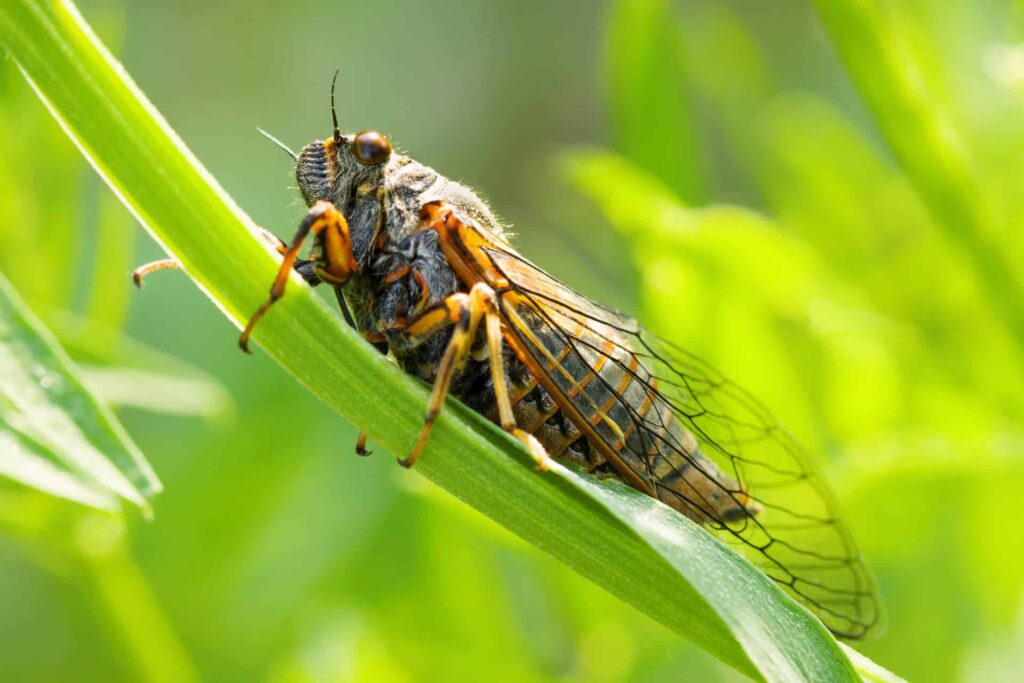
You observe flies repeatedly rubbing their legs together in precise systematic patterns wondering about the purpose of this conspicuous behavior. Flies rub their legs together performing essential grooming and cleaning activities.
Understanding why flies engage in leg-rubbing grooming reveals sophisticated sensory systems these insects rely upon for survival, explaining their apparent preoccupation with cleaning. It also highlights hygiene implications of fly behavior given their tendency to transfer pathogens from contaminated surfaces to clean areas. This seemingly-simple behavior represents critical maintenance of complex sensory apparatus enabling fly success.
How the Cleaning Process Works
Flies possess remarkably sophisticated sensory systems enabling detection of food sources, mates, predators, and environmental conditions, with sensory structures concentrated on legs, mouthparts, antennae, and compound eyes requiring regular maintenance for optimal function.
Leg chemoreceptors: Fly legs are covered with specialized sensory hairs called chemosensilla containing chemoreceptor neurons detecting chemical compounds including sugars, salts, and other tastants. When flies walk across surfaces, these leg chemoreceptors immediately detect food chemicals enabling rapid assessment of potential feeding sites. This “tasting with feet” capability proves so sensitive that flies detect sugar solutions at extremely low concentrations.
Mechanoreceptors and tactile sensing: Beyond chemical detection, fly legs contain numerous mechanoreceptors responding to touch, pressure, and substrate vibrations. These sensors provide information about surface texture, stability, and nearby movements enabling appropriate behavioral responses including landing adjustments, predator avoidance, and mate recognition through substrate-borne vibrations.
Antennal olfactory receptors: Fly antennae house the primary olfactory (smell) detection system with thousands of sensory neurons detecting airborne chemical compounds. Antennae enable long-distance food source location, pheromone detection for mate finding, and oviposition site identification through odor plumes. Contamination blocking antennal receptors dramatically impairs these critical functions.
Compound eye structure: Fly compound eyes consist of thousands of individual light-sensing units (ommatidia) providing wide-field motion detection and visual information. While eyes don’t “sense” chemicals like legs and antennae, they collect dust and debris interfering with vision requiring regular cleaning through specialized grooming behaviors.
Taste receptors on mouthparts: Beyond leg chemoreceptors, fly mouthparts contain additional taste receptors providing final assessment of food quality before consumption. Labellum (feeding pad) surface bears numerous taste hairs sampling liquid foods before ingestion, with these structures also requiring cleaning and maintaining sensitivity.
Why This Behavior Matters
Fly grooming follows predictable sequential patterns systematically cleaning different body regions in specific order, demonstrating innate behavioral programming rather than random movements.
- Front leg cleaning: Grooming typically begins with front legs, with flies rubbing front legs together removing accumulated debris from tarsi (feet) and tibiae (lower leg segments). Flies then draw front legs across antennae cleaning these critical olfactory sensors, with specialized notches or combs on front legs specifically adapted for antennal cleaning.
- Face and eye cleaning: Following front leg cleaning, flies use moistened front legs wiping compound eyes removing dust particles that could interfere with vision. They also clean facial regions including around mouthparts removing food residues and contaminants, with this face-cleaning representing a particularly conspicuous component of grooming sequence.
- Middle and hind leg cleaning: After addressing anterior body regions, flies attend to middle and hind legs rubbing them together removing debris. These legs lack specialized antennal-cleaning structures but still accumulate contaminants during walking and landing requiring regular maintenance.
- Wing cleaning: Flies periodically clean wings using hind legs combing across wing surfaces removing particles that could affect aerodynamic performance or weight. While less frequent than leg cleaning, wing maintenance proves essential for sustained flight capability.
Grooming and Pathogen Transfer
While grooming maintains sensory function for flies, this behavior has significant implications for disease transmission and contamination given flies’ habits of visiting pathogen-rich environments then grooming on human food surfaces.
- Mechanical pathogen transfer: Flies visiting fecal matter, garbage, carrion, or other contaminated substrates pick up bacteria, viruses, and parasite cysts on leg and body surfaces. During subsequent grooming on clean surfaces including food preparation areas, they mechanically transfer these pathogens through physical contact and brushing debris from their bodies onto surfaces.
- Documented pathogen carriage: Research confirms flies carry numerous human pathogens including Salmonella, E. coli, Shigella, various enteric bacteria causing diarrheal diseases, polio virus, parasitic protozoa including Giardia, and many others. Their grooming behavior effectively spreads these organisms from original contaminated sources to secondary surfaces during cleaning activities.
- Vomit and fecal deposition: Beyond grooming-mediated transfer, flies also deposit pathogens through regurgitation during feeding (vomiting digestive enzymes and partially digested materials) and through fecal deposits. However, grooming represents additional distinct transfer routes occurring even when flies don’t feed.
- Multiple surface contamination: Individual flies visit dozens to hundreds of sites during single days, potentially transferring pathogens from contaminated sources to multiple clean surfaces through serial grooming activities. This creates substantial contamination amplification where a single fly visit to waste material enables pathogen spread across numerous subsequent landing sites.
Evolutionary Context
Fly grooming behaviors reflect evolutionary adaptations to lifestyles requiring highly-functional sensory systems for success in competitive environments with diverse challenges.
Ancient behavior origin: Grooming behaviors appear ancient and highly conserved across fly species and even across insect orders, suggesting fundamental importance of sensory maintenance for arthropod success. The basic grooming sequence components appear stereotyped and innate rather than learned.
Sensory system investment: Flies invest substantial developmental resources in sensory structures, with chemoreceptors, mechanoreceptors, and visual systems representing significant proportions of their nervous systems. This investment necessitates maintenance ensuring continued function justifying grooming time and energy costs.
Trade-offs and priorities: While grooming proves essential, it also creates trade-offs—time spent cleaning represents time not spent feeding, mating, or egg-laying. Flies balance these competing demands through context-dependent grooming, increasing cleaning frequency after visiting particularly contaminated substrates while reducing grooming during time-sensitive activities.
When to Call a Professional
Professional pest control for flies includes comprehensive assessment of entry points and attractants, treatment recommendations and implementation, sanitation guidance addressing breeding sites, and monitoring, responding to fly presence before substantial contamination occurs.
If you’re experiencing indoor problems that require fly control, observing flies landing on food or food preparation surfaces creating contamination risks, or wanting comprehensive assessment of fly sources and entry routes, contact Aptive today for a free quote and professional evaluation from a quality pest control service.