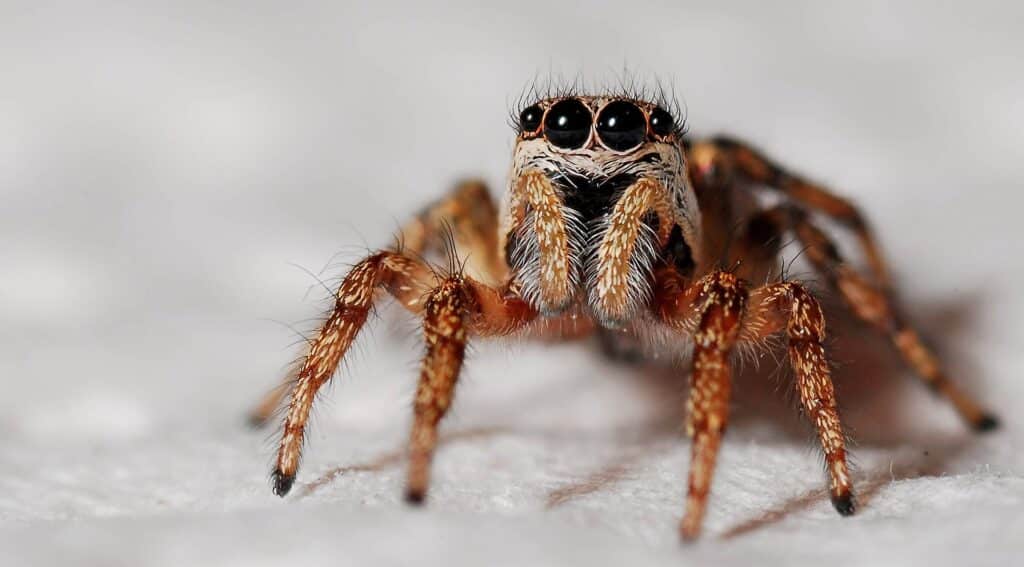
You suspect mites‘ presence based on mysterious symptoms or damage patterns but struggle to identify these microscopic arthropods or determine appropriate responses. Mites are tiny arachnids (class Arachnida) related to spiders and ticks, typically measuring 0.1-1.0mm length making most species invisible without magnification.
Understanding what mites are including their biology, diversity, and identification explains confusing symptoms and damage patterns, reveals which species cause problems versus beneficial roles many play, and informs effective pest control for mites strategies addressing actual causative species rather than attempting broad-spectrum approaches. Mite control requires accurate species identification given vastly different biologies and control requirements across this diverse group.
What Are Mites?
Mites represent one of the most diverse and successful arthropod groups, with basic biological characteristics shared across species but extraordinary variation in lifestyles, habitats, and ecological roles.
- Taxonomic position: Mites belong to subclass Acari within class Arachnida (spiders, scorpions, ticks, and relatives) in phylum Arthropoda. They share arachnid characteristics including four pairs of legs as adults (six legs as larvae in many species), lack of antennae distinguishing them from insects, and bodies divided into two main sections (gnathosoma containing mouthparts and idiosoma containing rest of body) rather than three-part insect body plan.
- Size and morphology: Most mites measure 0.2-1.0mm length though some species reach 3-5mm while others remain under 0.1mm. Their small size combined with often-translucent bodies renders most species invisible to unaided human vision. Body forms vary tremendously from elongate worm-like shapes to round globular forms to armored tank-like appearances reflecting diverse ecological niches. Most possess simple eyes (ocelli) or lack eyes entirely, relying on chemical and tactile senses.
- Life cycle stages: Mites typically progress through egg, larval, one or more nymphal stages, and adult stages. Larvae characteristically possess six legs while nymphs and adults have eight legs. Development time varies from days to months depending on species and environmental conditions, with many pest species completing generations in 1-3 weeks under favorable conditions enabling rapid population growth.
- Reproductive capacity: Female mites produce eggs continuously or in batches depending on species, with some producing hundreds of eggs over lifetimes. Many species demonstrate arrhenotokous parthenogenesis where unfertilized eggs develop into males while fertilized eggs produce females, enabling population establishment from single fertilized females and creating male-biased sex ratios in some situations.
- Feeding modes: Mites employ diverse feeding strategies including plant cell piercing and sucking, fungal feeding, predation on other microarthropods, parasitism of animals, and saprophagy (feeding on dead organic matter). Mouthpart structures vary dramatically matching feeding modes, from piercing stylets in plant feeders to chelate chelicerae in predators.
- Environmental requirements: Most mites require relatively high humidity (above 50-60% RH) for survival and reproduction, with desiccation representing a major mortality factor. Temperature preferences vary by species from cool-adapted outdoor species to warm-adapted indoor species, with many pest mites showing optimal development at 20-30°C (68-86°F).
Most Common Types of Mites
Several mite species commonly establish in indoor environments, with each demonstrating distinct characteristics, habitats, and significance to human health and comfort.
- House dust mites: Two closely-related species Dermatophagoides farinae (American house dust mite) and D. pteronyssinus (European house dust mite) dominate indoor dust mite fauna. They measure 0.3-0.4mm length appearing translucent to white, possess rounded bodies with short bristly setae, and require high humidity.
- They feed on human and pet skin scales accumulating in dust, with populations concentrated in mattresses, pillows, upholstered furniture, and carpets. While dust mites don’t bite or directly parasitize humans, their fecal pellets and body fragments contain proteins triggering allergic responses including asthma, rhinitis, and dermatitis in sensitized individuals.
- Stored product mites: Multiple species infest stored foods, with Tyrophagus putrescentiae (mold mite) among the most common. These mites measure 0.4-0.6mm with elongate whitish bodies and long setae. They feed on molds, fungi, and various stored products including grains, cheese, dried fruits, and pet foods, with infestations typically developing in products with elevated moisture enabling mold growth. Heavy infestations produce characteristic “mite dust” (shed skins and feces) and may cause skin irritation (grocer’s itch) in people handling infested products.
- Clover mites: Bryobia praetiosa and related species are small (0.75mm) reddish mites occasionally invading structures in large numbers during spring and fall. They feed on plant juices from grasses and clovers outdoors but don’t feed indoors, dying within days of entry. While harmless, they create nuisance issues through sheer numbers and leave red stains when crushed. Invasions typically involve thousands of individuals entering through tiny cracks around windows and doors.
- Follicle mites: Demodex folliculorum and D. brevis are elongate worm-like mites (0.3-0.4mm) living in human hair follicles and sebaceous glands, particularly on the face. They’re nearly universal in adult humans typically causing no problems, but may contribute to certain skin conditions including rosacea and blepharitis when populations become excessive. They’re host-specific to humans and cannot survive off the body.
- Scabies mites: Sarcoptes scabiei var. hominis causes human scabies, a highly-contagious skin infestation. Female mites (0.3-0.4mm) burrow into outer skin layers laying eggs, with resulting larvae and nymphs also burrowing. Infestations cause intense itching and characteristic burrow tracks visible on skin, with scratching leading to secondary bacterial infections. Transmission occurs through prolonged direct skin contact rather than brief casual contact.
Identifying Mite Problems
Given mites’ microscopic size, identification typically relies on recognizing damage patterns, environmental conditions, and associated signs rather than observing mites directly.
Plant damage symptoms: Spider mite feeding produces characteristic stippling (fine yellow or white spots) on leaf upper surfaces corresponding to individual feeding punctures, with heavy infestations causing leaves to appear dusty, bronzed, or bleached. Fine silk webbing visible in bright light particularly on leaf undersides and between leaves confirms spider mites. Eriophyid mite damage appears as russeting, bronzing, or silvering on leaves or fruits. Gall formations indicate gall mite presence with gall morphology often distinctive.
Stored product infestation signs: Mite-infested stored products show characteristic “mite dust” (fine grayish powder consisting of shed exoskeletons, feces, and dead mites) on product surfaces or accumulating beneath storage containers. Infested products may develop musty odors, and heavy infestations show visible movement as mites crawl across surfaces. Allergic individuals may develop itchy rashes (grocer’s itch) after handling infested materials.
Indoor dust mite indicators: Dust mite presence cannot be determined visually but inferred from allergic symptoms (sneezing, itchy eyes, asthma exacerbations) correlating with exposure to dust-harboring materials. Dust samples can be analyzed microscopically or using antibody-based test kits detecting mite allergen concentrations, though such testing rarely proves necessary as dust mites occupy virtually all homes and management focuses on allergen reduction rather than complete elimination.
Skin mite symptoms: Scabies produce intense itching particularly at night, with characteristic burrow tracks visible as fine wavy lines on skin between fingers, on wrists, or in other favored sites. Follicle mite overgrowth may contribute to rosacea symptoms including facial redness and papules. Sarcoptic mange in pets causes intense scratching, hair loss, and crusty skin lesions particularly on ears, elbows, and belly.
Physical mite observation: When present in sufficient numbers, some larger mite species can be observed with hand lenses or low-power microscopy. Clover mites visible as tiny red dots moving across surfaces during invasions, spider mites observable as minute moving specks on plant surfaces particularly against white paper held beneath tapped leaves, and stored product mites visible as tiny white specks moving in infested materials all enable direct observation confirming identification.
How to Prevent Mites
Preventing mite problems proves more effective than treating established infestations, with strategies tailored to specific mite groups and their environmental requirements.
Dust mite management: Reduce dust mite populations through environmental modification including weekly hot water (54-60°C / 130-140°F) laundering of bedding, encasing mattresses and pillows in mite-proof covers preventing mite access to skin scale food sources, reducing indoor humidity below 50% RH inhibiting mite reproduction.
Stored product protection: Prevent stored product mite infestations through proper food storage in sealed airtight containers, maintaining dry conditions (below 13% moisture content) in stored grains and foods inhibiting mold growth mites require, regular inspection and rotation using oldest products first, and cleaning storage areas removing spilled materials. Refrigeration or freezing valuable susceptible products provides additional protection.
Plant mite prevention: Maintain plant health through appropriate watering, fertilization, and cultural practices enabling plants to tolerate and compensate for light mite feeding. Avoid excessive nitrogen fertilization producing lush growth favoring mite reproduction. Ensure adequate spacing and pruning, improving air circulation inhibiting high humidity mites. Regular inspection of new plants before introduction prevents importing mites to collections.
Exclusion for occasional invaders: Prevent clover mite and other outdoor mite invasions through structural exclusion including sealing gaps around windows and doors, caulking foundation cracks, and installing door sweeps. Establish vegetation-free zones (0.5-1 meter) around building foundations eliminating mite habitat near entry points. Time exterior barrier treatments to early spring before invasions begin.
Treatment Options for Mites
When prevention proves insufficient and mite problems develop, various treatment approaches address different mite species and infestation severities.
Dust mite allergen control: While complete dust mite elimination proves impossible, allergen reduction improves symptoms in sensitive individuals. Treatments can include acaricides (benzyl benzoate solutions) applied to carpets and upholstery killing mites though requiring professional application, tannic acid products denaturing allergen proteins, and regular application of environmental management practices reducing populations and allergen loads.
Scabies and mange treatment: Human scabies requires prescription treatments typically permethrin cream or oral ivermectin, with all household members and close contacts requiring simultaneous treatment preventing reinfestations.
Environmental treatment of bedding and clothing through hot water laundering or dry cleaning complements direct treatment. Pet mange requires veterinary diagnosis and prescription treatments using various acaricides, with environmental treatment sometimes necessary depending on mite species.
How to Get Rid of Mites
Complex mite problems, uncertain identifications, or situations where DIY approaches prove ineffective can warrant professional pest control service for mites. Professionals provide accurate identification determining treatment targets, appropriate product selection and application, thorough treatment of all affected areas, and follow-up ensuring problem resolution.
If you’re experiencing symptoms or damage suggesting mite presence but uncertain which species or how to proceed, observing plant damage or stored product contamination indicating possible mites, or dealing with persistent mite problems despite DIY efforts, contact Aptive today for a free quote.