When dealing with persistent mosquito problems around your property, understanding their biology and behavior is crucial for implementing effective control measures. While mosquitoes may seem to act randomly, they actually follow predictable patterns driven by sophisticated sensory systems and specific survival requirements.
Understanding these mosquito facts helps you recognize why certain people get bitten more frequently, identify what attracts mosquitoes to specific areas of your yard, and implement targeted mosquito control strategies that address the root causes of infestations rather than just treating symptoms.
10 Essential Mosquito Facts
Here are some interesting facts about mosquitoes that might help you with pest control.
1. Only Female Mosquitoes Bite
Male mosquitoes feed exclusively on plant nectars and sugars, lacking the mouthpart structures necessary for piercing skin. Female mosquitoes also consume plant sugars for energy but require blood protein for egg development. A single blood meal yields 100-200 eggs depending on species, with females potentially taking multiple blood meals over lifetimes producing several egg batches. This means population control efforts targeting biting mosquitoes effectively impact reproductive females driving population growth.
2. Carbon Dioxide Detection Enables Long-Range Host Location
Mosquitoes detect CO₂ using specialized sensory structures on maxillary palps, with sensitivity detecting concentration increases as small as 0.01% above ambient levels. Under favorable conditions, they detect and orient toward CO₂ plumes from distances up to 50 meters. Larger individuals, those exercising, and pregnant women produce elevated CO₂ emissions attracting more mosquitoes—partly explaining why some people appear more attractive to these pests.
3. Body Heat Provides Close-Range Targeting
Thermal sensing enables precise landing site location after olfactory cues bring mosquitoes into close proximity. Detection operates primarily within 1 meter, with mosquitoes preferring warmer body regions including face, hands, ankles, and feet. Physical activity elevates surface temperature making active individuals more attractive than sedentary people, explaining heightened mosquito attention to children playing outdoors.
4. Movement Creates Visual Attraction
Mosquito compound eyes effectively detect movement and contrasts essential for host location at intermediate distances (5-15 meters). Moving individuals create dynamic visual stimuli triggering approach responses, while stationary people may be temporarily overlooked despite continued CO₂ production. Children and adults engaged in outdoor activities create continuous movement combined with elevated CO₂ and heat production creating intense mosquito attraction.
5. Individual Skin Odor Variation Affects Attractiveness
Substantial individual variation exists in mosquito attractiveness reflecting complex interactions between genetics, skin microbiome composition, and volatile compound emissions. Skin bacteria metabolize host-produced compounds producing volatile metabolites mosquitoes detect, with microbiome composition varying substantially among individuals creating person-specific odor profiles. Lactic acid in sweat strongly attracts many species, while some individuals naturally produce compounds interfering with mosquito attraction.
6. Species-Specific Activity Periods Determine Encounter Risk
Different mosquito species demonstrate characteristic daily activity patterns. Many Aedes and Culex species show peak activity during dawn and dusk (crepuscular periods), various Anopheles species demonstrate nocturnal activity, while invasive Aedes aegypti and Aedes albopictus show predominantly daytime activity. Understanding local species’ activity timing enables strategic outdoor activity planning and appropriate control intervention timing.
7. Standing Water Requirement Creates Control Opportunities
All mosquito species require standing water for larval development (typically 7-14 days from egg to adult). Remarkably small volumes support development—a bottle cap holding just 10-20ml water can produce dozens of adults. Common productive habitats include tires, buckets, plant saucers, clogged gutters, and any receptacle holding water. Source reduction—eliminating standing water—represents the most effective mosquito control strategy preventing population production without requiring insecticide applications.
8. Daytime Resting in Vegetation Affects Encounter Patterns
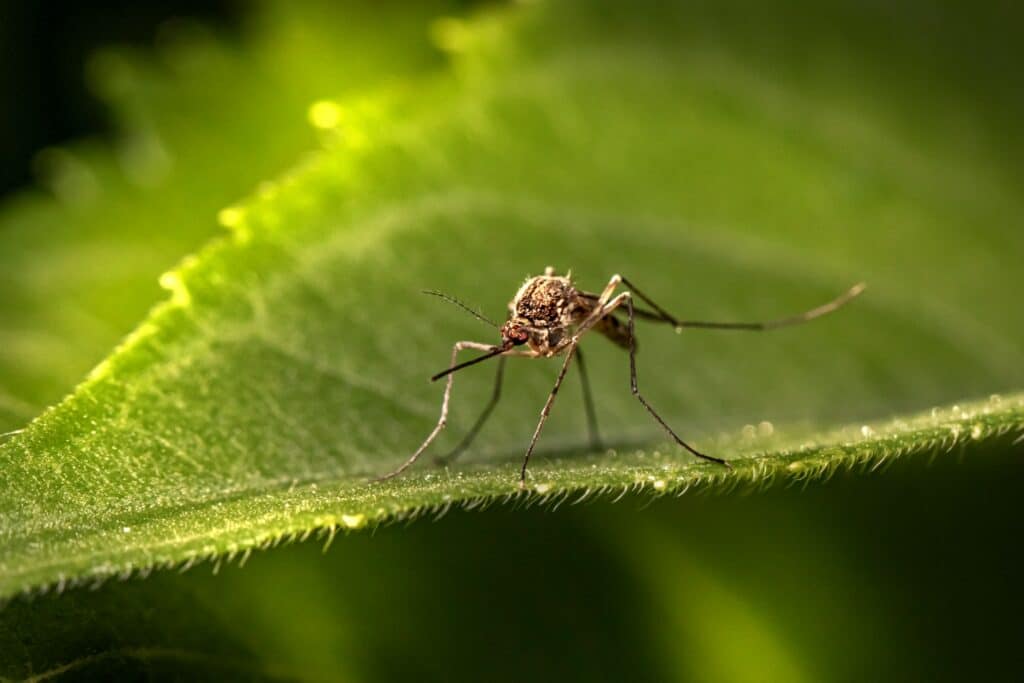
Between feeding and egg-laying flights, mosquitoes rest in protected locations providing darkness, humidity, and moderate temperatures. Common outdoor resting sites include beneath leaves, in tall grass, within dense shrubs, and other vegetated microhabitats. Dense vegetation concentrates mosquito populations creating local activity “hotspots” particularly during transitions between resting and active periods at dusk. Vegetation management through pruning overgrown shrubs and mowing tall grass reduces resting habitat.
9. Dark Clothing Provides Visual Contrast
Mosquito visual systems detect contrasts and dark colors, with research suggesting black, dark blue, and red attract more mosquitoes than white, yellow, or light green. Dark clothing creates strong visual contrast and absorbs more solar radiation elevating thermal signatures. While color choice affects attraction measurably, practical effects prove modest compared to major factors including CO₂ production and body odor.
10. Humidity Affects Survival and Detection
Mosquitoes’ high surface-area-to-volume ratios make them vulnerable to desiccation, restricting activity to periods with adequate humidity (typically above 60% RH). Daily humidity patterns partially explain crepuscular activity peaks when humidity increases. Humidity also affects odor plume persistence, with humid conditions maintaining plume integrity over greater distances contributing to perception of increased mosquito activity during humid weather.
Applying Biology Knowledge to Control
Understanding mosquito biology enables effective property-level management from a pest control service. Properties with abundant vegetation, multiple standing water sources, and human activity naturally support higher populations. Effective management combines source reduction eliminating breeding sites, vegetation management reducing resting habitat, and strategic treatments when needed.
Professional mosquito pest control implements comprehensive biology-based programs including property inspection, source reduction recommendations, strategic control applications, and regular monitoring. If you’re experiencing mosquito problems or seeking professional assessment, contact Aptive today for a free quote.