If you’re dealing with mosquitoes inside your home, you might notice that they seem to prefer certain rooms over others. This isn’t random—these pests are actually drawn to specific indoor conditions, including humidity, warmth, carbon dioxide levels, and light exposure. Understanding why mosquitoes favor particular areas in your home can help you take the right steps to keep them out.
What Are Mosquitoes?
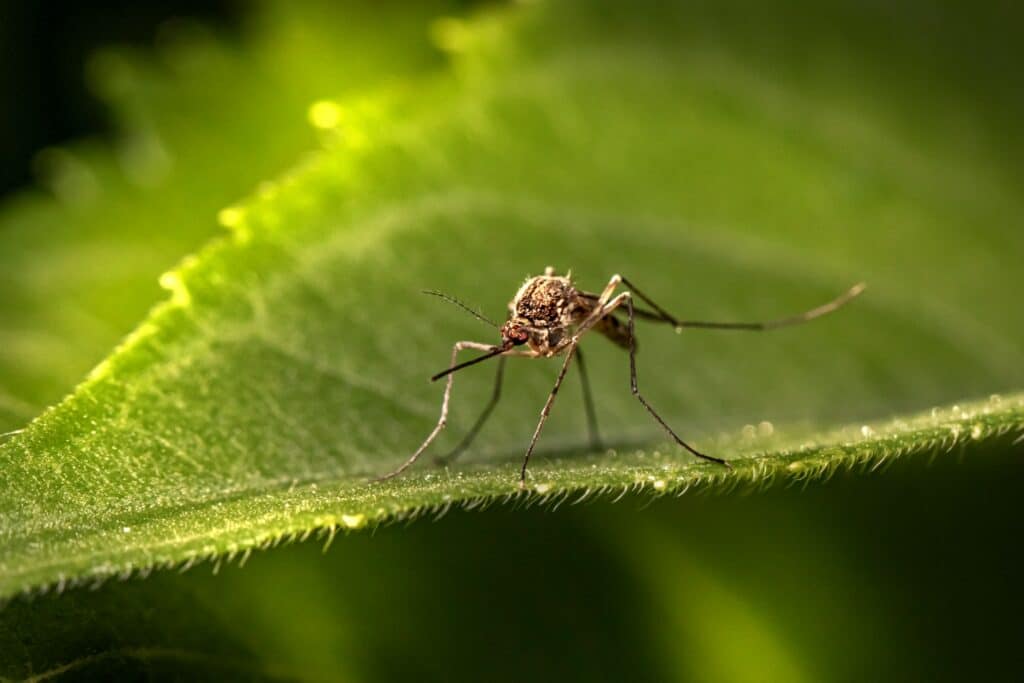
Mosquitoes are small, flying insects that have developed sophisticated ways to locate their hosts. While some species primarily feed on plant nectar, female mosquitoes need blood meals to produce eggs. These pests are experts at finding their targets by detecting body heat, carbon dioxide, and certain scents that humans and animals produce.
You’ll typically find mosquitoes most active during dawn and dusk, but they can enter your home at any time through open windows, doors, or small gaps. Once inside, they actively seek out areas with moisture and warmth, which is why you might find them congregating in certain rooms more than others.
Why Mosquitoes Target Certain Indoor Spaces
These pests are highly sensitive to environmental cues, and their ability to detect warmth, moisture, and carbon dioxide makes some rooms more attractive than others. The more favorable the conditions, the more likely you are to find mosquitoes gathering in those spaces.
High Humidity and Moisture Sources
Mosquitoes thrive in humid environments, which is why you’ll often find them in areas of your home with higher moisture levels, such as:
- Bathrooms where shower steam creates humidity
- Kitchens with frequent water use
- Laundry rooms where dampness can linger
- Areas with leaks or standing water
Warmth and Carbon Dioxide
These pests are drawn to both heat and carbon dioxide, which they use to locate potential hosts. You’ll often find more mosquitoes in:
- Bedrooms where people spend extended periods
- Living spaces with frequent occupancy
- Areas with higher CO2 concentrations from breathing
- Warm rooms that provide comfortable conditions
Artificial and Natural Light
You might be surprised to learn that light plays a significant role in mosquito behavior and mosquito control. Some species are attracted to artificial light sources, while others prefer dimmer spaces. This is particularly important near windows, where outdoor lighting might actually be drawing mosquitoes toward your home before they find their way inside.
Common Areas Where Mosquitoes Gather Indoors
Here are the places where you are most likely to find mosquitoes inside your home.
Bathrooms and Laundry Rooms
These rooms often become mosquito hotspots due to excess moisture from showers, sinks, and washing machines. If you have poor ventilation in these areas, the increased humidity makes them even more attractive to these pests. You’ll want to pay special attention to proper ventilation in these spaces to reduce mosquito activity.
Bedrooms
The combination of warm temperatures and carbon dioxide from breathing makes bedrooms particularly appealing to mosquitoes. If you’re leaving windows open without proper screens, you’re essentially inviting these pests inside. This is especially problematic since mosquitoes can disturb your sleep and leave you with itchy bites.
Kitchens
Your kitchen can attract mosquitoes for several reasons. Food odors, moisture from sinks, and bright lighting all play a role. Even your trash bins and compost can contribute to mosquito presence by providing additional attractants.
Basements
Dark, damp, and often poorly ventilated basements create the perfect environment for mosquitoes. If you have any standing water or high humidity in your basement, these conditions can encourage mosquitoes to stay and potentially breed.
Mosquito Prevention Tips for Indoor Spaces
Here are some ways you can prevent attracting mosquitoes to your home. If you are concerned about whether or not you have an infestation, then you should consider looking into a pest control service to take a look at your home.
Reduce Humidity and Moisture
To effectively reduce moisture in your home, you’ll need to take several important steps. Start by fixing any leaks as soon as you notice them, as even small drips can create the humid conditions mosquitoes love. Make sure to improve ventilation in naturally humid areas of your home, particularly bathrooms and laundry rooms.
Consider installing dehumidifiers in problem rooms where moisture tends to accumulate. It’s also important to keep areas around sinks and showers as dry as possible, wiping up standing water and addressing condensation promptly.
Seal Entry Points
Preventing mosquitoes from entering your home requires a thorough inspection of potential access points. Take time to carefully check for gaps around windows and doors where mosquitoes might squeeze through.
You also want to make sure all your window screens are in good condition and repair or replace any that are damaged. Pay special attention to sealing any openings around utility lines, as these often-overlooked spots can provide easy access for pests. Don’t forget to check that all vent covers are properly sealed and in good working condition.
Control Lighting
Since lighting plays a crucial role in attracting mosquitoes, making strategic adjustments to your home’s lighting can help reduce these pests. Start by reducing outdoor lighting near windows, as bright lights can draw mosquitoes toward your home.
Consider switching to warm-colored LED bulbs, which are less attractive to mosquitoes than traditional lighting. Installing motion-sensor lights outdoors can help reduce constant lighting that might attract these pests. When possible, keep your curtains closed during peak mosquito activity times, particularly during dawn and dusk.
Keep Rooms Clutter-Free
Dark corners, storage areas, and unused spaces can become hiding spots for mosquitoes. Keeping your home tidy reduces potential resting areas.
When Mosquito Problems Persist
Keeping your home clean and organized is essential for preventing mosquito problems. Focus on reducing clutter in storage areas where mosquitoes might rest during the day. Make sure to eliminate dark, unused spaces that could provide shelter for these pests. Regular cleaning and organizing of rooms helps remove potential hiding spots, while ensuring you’re able to spot any developing problems quickly. It’s particularly important to remove any items that could collect moisture, as these can create the perfect environment for mosquitoes to thrive.
If you have any concerns about whether or not you might be dealing with a mosquito infestation, then it is often worth it to contact pest control experts like the ones at Aptive. We can help you identify where mosquitoes might be entering your home and how to regulate the humidity, so the problem doesn’t get worse. Whatever your pest or mosquito issues are, contact us for a free quote and let’s figure out the next steps – we’re here to help!