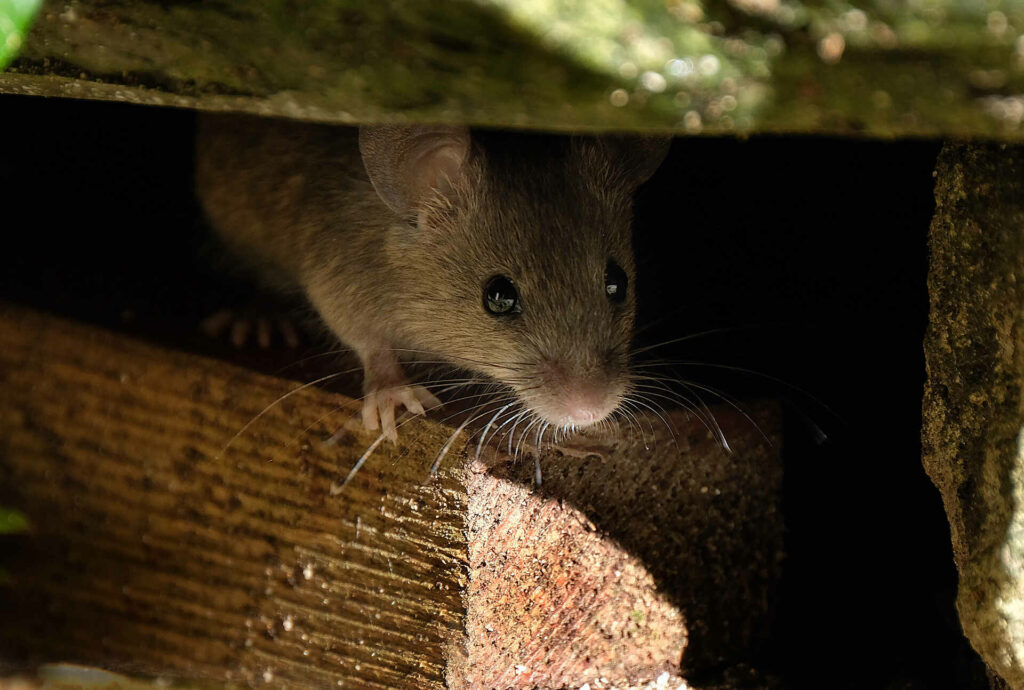
House mice are adept at adapting to colder temperatures by seeking warmth and sustenance inside homes. Attics, with their insulation, stored items, and potential access to food, can become ideal shelters for these persistent rodents. Understanding how mice survive and how to protect your home from them is the first step in maintaining your peace of mind during the winter months.
What Happens to Mice in Winter?
As temperatures drop, mice seek out cozy shelters with reliable food sources to survive. In an attic, they may nest in insulation, gnaw on stored belongings, and potentially access food remnants. Remarkably, mice require minimal water, obtaining most of their hydration from their food, which allows them to remain hidden indoors throughout the season.
How Do Mice Find Their Way In?
Mice are experts at finding entry points, often slipping through openings as small as a dime. They may access your home through:
- Gaps around utility pipes, cables, or wires.
- Cracks in the foundation or walls.
- Openings around roof vents or chimneys.
- Spaces beneath doors or around window frames.
Sealing these access points not only helps deter mice but can also improve your home’s energy efficiency during colder months.
Why Mice Multiply Quickly Indoors
Once inside, the warm and protected environment of your attic can encourage mice to reproduce rapidly. A single female can have up to 10 litters per year, with each litter averaging six pups. Left unchecked, this can result in:
- A growing population in just a few months.
- Increased structural damage from gnawing.
- Greater contamination risks.
Understanding the pace of mouse reproduction underscores the importance of early control and intervention.
Signs of Mice in Your Attic
If you suspect mice might be in your attic, here are some common indicators to look for:
- Scratching or scurrying sounds, especially at night.
- Small, rod-shaped droppings along walls or in corners.
- Nests made from shredded materials like paper or fabric.
- A strong ammonia-like odor from their urine.
Spotting these signs early can help you take action before the problem escalates.
Tips for Controlling Mice in Your Attic
To protect your home from mice, take proactive measures such as:
- Sealing Entry Points: Use steel wool and caulk to block gaps, and cover vents with metal mesh. Replace damaged roofing or siding as needed.
- Reducing Attractions: Keep your attic tidy and store any food items securely to eliminate potential food sources.
- Maintaining Cleanliness: Regularly clean the attic to remove scent trails that could attract more mice.
These simple steps can help reduce the likelihood of mice making themselves at home.
When to Seek Professional Help
If mice persist despite your best efforts, consider reaching out to pest professionals for tailored solutions. Aptive service professionals can assess your home, provide effective treatments, and recommend ongoing preventative measures. Addressing a mouse problem promptly can help protect your home and restore your peace of mind.
If you’re concerned about mice in your attic this winter, Aptive is here to help. We’re committed to supporting homeowners in protecting their homes and enhancing their enjoyment, one season at a time. Contact us today for more information about our services.