Call Now and Ask About the Winter Deal While it Lasts →

Call Now and Ask About the Winter Deal While it Lasts →

Sign-in to Account
Call Us

(855) 948-5816

aptive_pest_control_lockup-white

Find Service Area

Rat Infestation Season: When Are Rats Most Active?

Written by Aptive Pest Control September 11, 2024
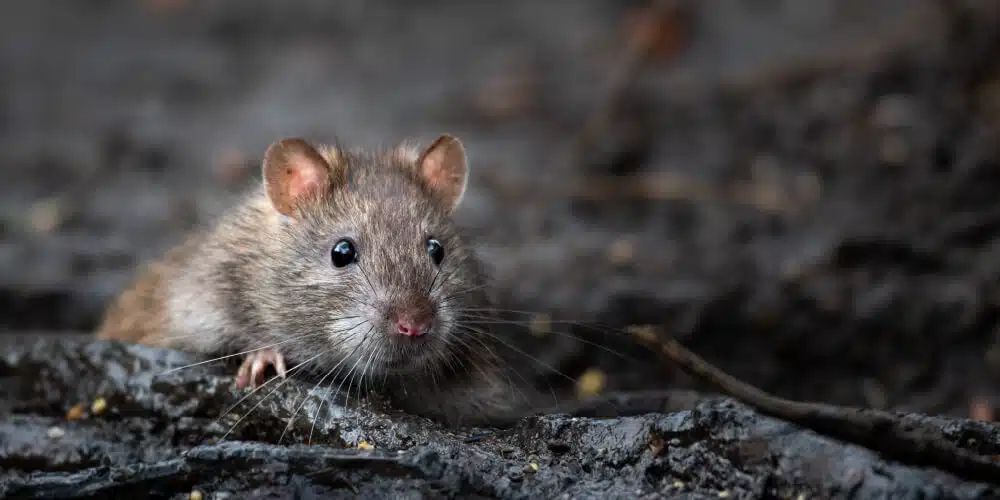
A Close-Up Of A Brown Rat Peeking Out From A Dark, Muddy Environment.

The likely time for a rat infestation is not random; environmental and biological factors influence it. Knowing when rats are most likely to enter homes can allow you to take proactive measures to keep them out. This article will examine the peak times of year for rat activity and offer practical tips for preventing infestations during these periods.

When Do Rats Enter Homes?

Rats are opportunistic creatures that seek shelter, food, and warmth. Seasonal changes strongly influence their behavior, and there are certain times of the year when they are more likely to invade homes.

Fall and Winter: Prime Time for Rat Invasions

  • Colder temperatures: As temperatures drop in the fall and winter, rats search for warm places to nest. With its constant warmth and potential food sources, your home becomes an ideal shelter for them.
  • Reduced outdoor food supply: Natural food sources become scarce during colder months. This scarcity drives rats to look for alternative food sources, often leading them indoors where food is more readily available.

Spring: A Secondary Peak

  • Breeding season: For many rats, spring marks the beginning of the breeding season. During this time, they seek safe places to raise their young, including basements, attics, and other sheltered areas in your homes.
  • Increased activity: The milder spring weather often increases rat activity as they search for nesting sites and food. This increase in activity can lead to more attempts to enter homes.

Summer: Less Likely, But Not Impossible

  • Outdoor abundance: In summer, the abundance of food and warmth outdoors generally keeps rats outside. However, if outdoor food supplies dwindle or your home provides easier access to food and water, rats might still venture inside.

Environmental and Biological Factors Influencing Rat Behavior

Several factors influence when rats are most likely to enter homes. This includes:

Temperature and Shelter

  • Cold weather: Rats are highly sensitive to cold. As temperatures fall, their need for warm shelter increases, making homes an attractive option.
  • Shelter availability: Rats will choose the most secure and comfortable shelter available. Cracks in foundations, gaps under doors, and unsealed entry points are all potential invitations.

Food Availability

  • Scarcity outdoors: When natural food sources are depleted, typically in fall and winter, rats are more likely to seek food indoors.
  • Indoor food sources: Easily accessible food inside your home, such as pet food, unsecured garbage, or pantry items, can attract rats and encourage them to stay.

4 Prevention Tips for Peak Rat Activity Periods

A Close-Up Of A Norway Rat Eating Food Scraps From A Dirty Plate In A Cluttered Kitchen Sink.

Knowing when rats most likely invade your home allows you to take targeted preventive measures. Here are some tips to protect your home during peak rat activity periods:

Seal Entry Points

  • Inspect and repair: Regularly inspect your home for potential entry points. Seal cracks in the foundation, repair damaged vents, and ensure doors and windows fit tightly.
  • Use rat-resistant materials: Steel wool, metal sheeting, and caulking are effective materials for sealing gaps and cracks that might allow rats to enter.

Eliminate Food Sources

  • Secure garbage: Keep garbage in sealed containers and dispose of it regularly. Avoid leaving food scraps or pet food out overnight.
  • Store food properly: Use airtight containers for storing food, particularly in pantries and kitchens. Avoid leaving food items exposed on counters.

Reduce Outdoor Attractants

  • Trim vegetation: Keep bushes, shrubs, and tree branches trimmed away from your home. Overgrown vegetation can provide cover for rats trying to find entry points.
  • Remove clutter: Outdoor clutter, such as wood piles or unused equipment, can serve as nesting sites for rats. Keep your yard clean and organized.

Regular Monitoring and Maintenance

  • Inspect regularly: Perform regular inspections of your home’s exterior and interior, especially during fall and winter. Look for signs of rat activity, such as droppings or gnaw marks.
  • Maintain your home: Keep your home in good repair. This includes fixing leaks, maintaining your heating system, and ensuring that your attic and basement are dry and secure.

Stay Ahead of Rat Infestations with Aptive

An Aptive Pest Control Specialist Waves To Two Children From Outside A House Window, With An Aptive Van Parked In The Background. The Children Are Sitting At A Table Inside, One Waving Back While The Other Is Drawing.

Aptive is dedicated to ensuring each home feels secure and comfortable, helping neighborhoods thrive one house at a time. Our team takes a personalized approach to pest control management, reflecting our commitment to creating spaces where everyone feels at ease. If you want to prevent or address a rat control problem, count on Aptive’s expertise. Contact us today for a free quote and start your journey toward a more comfortable and pest-controlled home.
Curated articles for you, from our pest experts.

A Close-Up Of Several Small Black Ants Crawling Along The Edge Of A Wooden And Tiled Surface.

4 Insects That Are Hard to Get Rid Of

When experiencing recurring pest problems despite repeated pest control attempts, understanding which insects demonstrate greatest persistence is crucial for implementing appropriate comprehensive strategies rather than ineffective quick fixes.  Certain hard to get...

Dec 17, 2025
A Detailed Close-Up Of A Cicada Perched On A Green Leaf, Displaying Its Intricate Wings And Textured Body Against A Vibrant, Blurred Background.

What Is the Definition of Insect?

When encountering small arthropods in homes and attempting to identify them for appropriate control measures, understanding the scientific definition of insect is crucial for distinguishing true insects from other superficially-similar creatures requiring different...

Dec 11, 2025
A Newly Emerged Cicada With Bright Red Eyes Clings To A Small Tree Branch, Next To Its Discarded Exoskeleton. The Cicada’s Translucent Wings And Vibrant Body Contrast Against The Brown Background, Highlighting Its Recent Molt During Metamorphosis.

What Is Insect Molting?

When discovering papery translucent shells on floors, stuck to walls, or hidden in corners, understanding what these remains represent is crucial for recognizing pest activity and assessing infestation severity. Insect molting (ecdysis) is the process whereby...

Dec 11, 2025
A Group Of Small Potted Plants, Including A Fuzzy Cactus, A Green Succulent, And A Taller Reddish Succulent, Arranged On A Windowsill With Sheer Lace Curtains Softly Filtering Daylight In The Background.

What Are Those Tiny White Bugs on Plants?

When discovering small white insects on houseplants or garden plants, accurate identification is crucial for implementing appropriate control measures and preventing widespread damage to plant collections.  Tiny white bugs on plants typically represent one of...

Dec 11, 2025
An Angled View Of An Open Luxury Car Door Revealing A High-End Black Leather Interior With Quilted Stitching, Spacious Rear Seats, And Built-In Entertainment Screens Mounted Behind The Front Seats. The Exterior Of The Vehicle Is Glossy Black With Chrome Wheel Details, Parked Indoors Under Modern Lighting.

Why Do You Have Bugs in Your Car?

When discovering insects in your vehicle, understanding what attracts bugs in car environments is crucial for implementing pest control strategies and eliminating recurring problems.  Cars provide conditions many insects actively seek including shelter from weather...

Dec 11, 2025
A Close-Up Photograph Of A Red Ladybug With Black Spots Crawling Along The Edge Of A Green Leaf, Set Against A Softly Blurred Green Background.

Which Insects Hibernate?

When temperatures drop and insect activity seemingly disappears, understanding how different species survive winter is crucial for predicting seasonal pest patterns and implementing appropriate year-round control strategies.  While true hibernation (prolonged...

Dec 11, 2025
A Newly Emerged Butterfly With Cream And Dark Brown Patterned Wings Hanging From Its Chrysalis, Surrounded By Multiple Green And Brown Pupae On A Horizontal Branch, Against A Blurred Green Background.

What Is Diapause in Insects?

Diapause represents a critical survival strategy that allows insects to endure unfavorable environmental conditions including extreme temperatures, drought, or lack of food by entering a programmed state of dormancy with suppressed metabolism and arrested...

Dec 2, 2025
A Detailed Close-Up Image Of A Dark, Segmented Isopod Crawling On A Bed Of Dry Twigs, Leaves, And Soil. A Smaller Isopod Is Visible Nearby, Both Surrounded By Textured Ground Debris.

What Are Isopods in the Garden?

Isopods are beneficial soil-dwelling crustaceans commonly found in gardens where they play important ecological roles breaking down organic matter and contributing to soil health through their decomposition activities. These armor-plated creatures including...

Dec 2, 2025
A Vibrant Blue Wooden Door Framed By A Terracotta Wall And Surrounded By Cascading Green, Yellow, And Purple Vines, With House Number 5 Above The Entrance And A Small Stone Staircase Visible Inside.

The Importance of Sealing Entry Points Before Winter

You recognize that cooling fall temperatures trigger pest movement from outdoor environments into heated structures, with proper timing of exclusion work proving critical for preventing winter infestations.  Sealing entry points before winter proves important...

Dec 2, 2025
Modern Kitchen With White Cabinets, Stainless Steel Appliances, And A Decorative Tile Backsplash, Featuring A Wooden Tray With Decorative Items On The Countertop.

Why You Keep Finding Cobwebs Even After Cleaning

You remove cobwebs from corners, ceilings, and furniture only to discover new webs appearing within days or even hours, suggesting ongoing spider activity rather than residual old webs from previous occupation. Cobwebs keep reappearing after cleaning because active...

Dec 2, 2025

Take back your home with pest control today.