A wasp nest is typically made of a paper-like material and is found in sheltered, elevated areas like eaves, attics, or trees. Identifying the specific species – such as paper wasps, yellow jackets, or mud daubers – is the first step in determining if professional wasp nest removal is necessary to manage aggressive activity. If you’re researching how to get rid of a wasp nest yourself, taking the right precautions – and knowing which wasp species you’re dealing with – can make all the difference. While some homeowners choose to tackle wasp nest removal on their own, professional removal is a safer and more effective choice.
What does a wasp nest look like?
While there are many types of wasp species, most nests share a similar appearance. They are typically made of a paper-like material created from chewed wood material and wasps’ saliva. One exception is mud daubers, which create their nests using mud instead of wood pulp. Most wasp species construct their nests in sheltered, elevated areas such as attics, trees, wall cavities, or garage/porch ceilings. However, some species, like yellow jackets, nest in the ground. Ground nests can be especially dangerous if there are children or pets that may accidentally disturb them, making professional yellow jacket control especially important.
Types of wasps and their nests
Identifying the type of wasp around your home can help determine how concerning the nest may be and the best way to remove it. Here are three common wasp species homeowners encounter.
1. Paper wasps
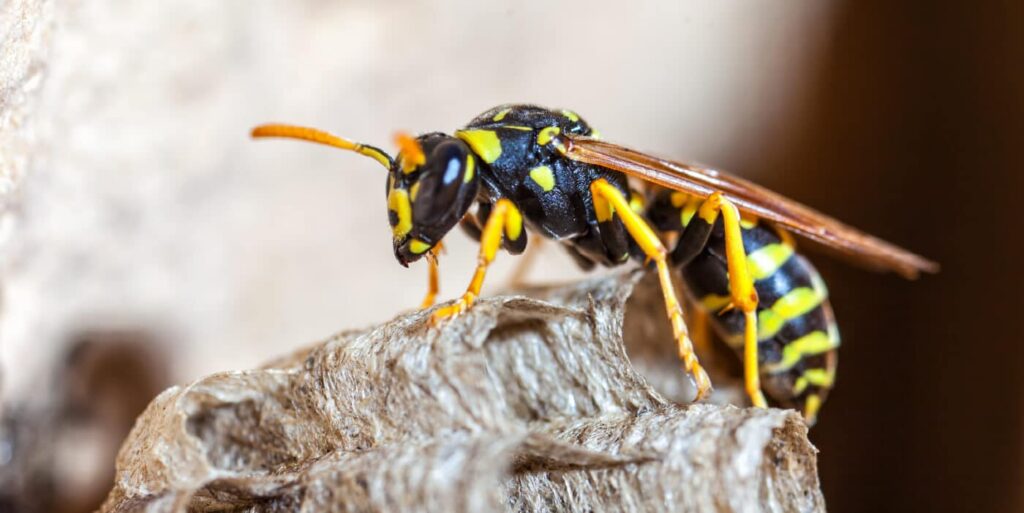
Paper wasps build small, umbrella-shaped nests made from a gray paper-like material created from chewed wood fibers.
Identification:
- Slender bodies with long legs
- Brown or reddish with yellow markings
Nest location:
Eaves, porch ceilings, attics, and other sheltered areas.
2. Yellow jackets
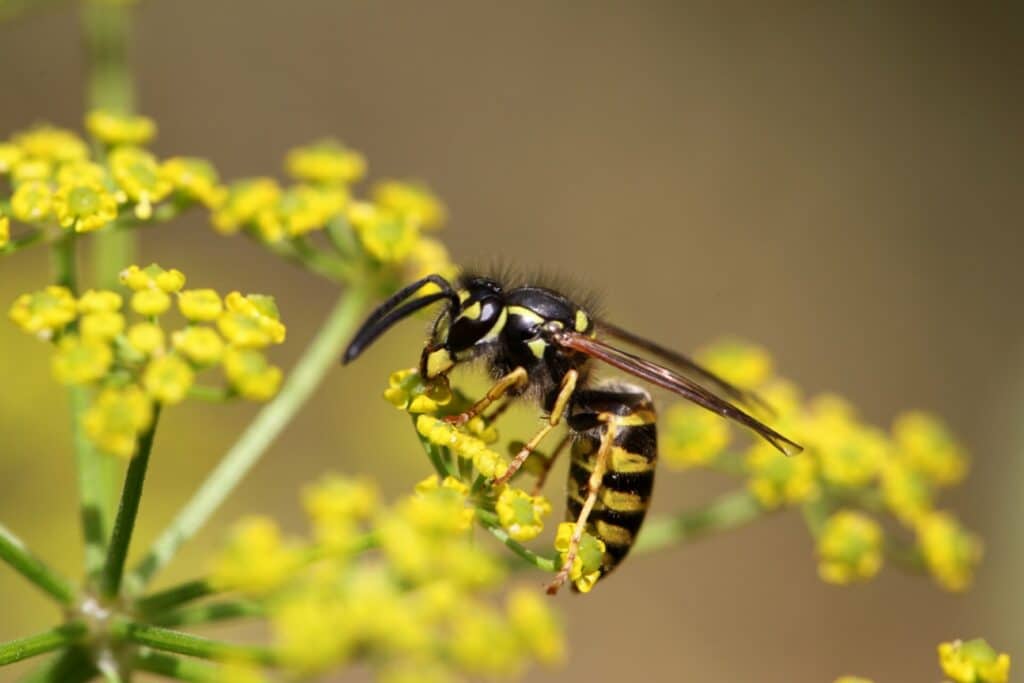
Yellow jackets are aggressive wasps that often build large colonies and defend their nests fiercely.
Identification:
- Bright yellow and black bodies
- Fast, compact appearance similar to bees
Nest location:
Underground burrows, wall cavities, or occasionally attached to structures.
3. Mud daubers
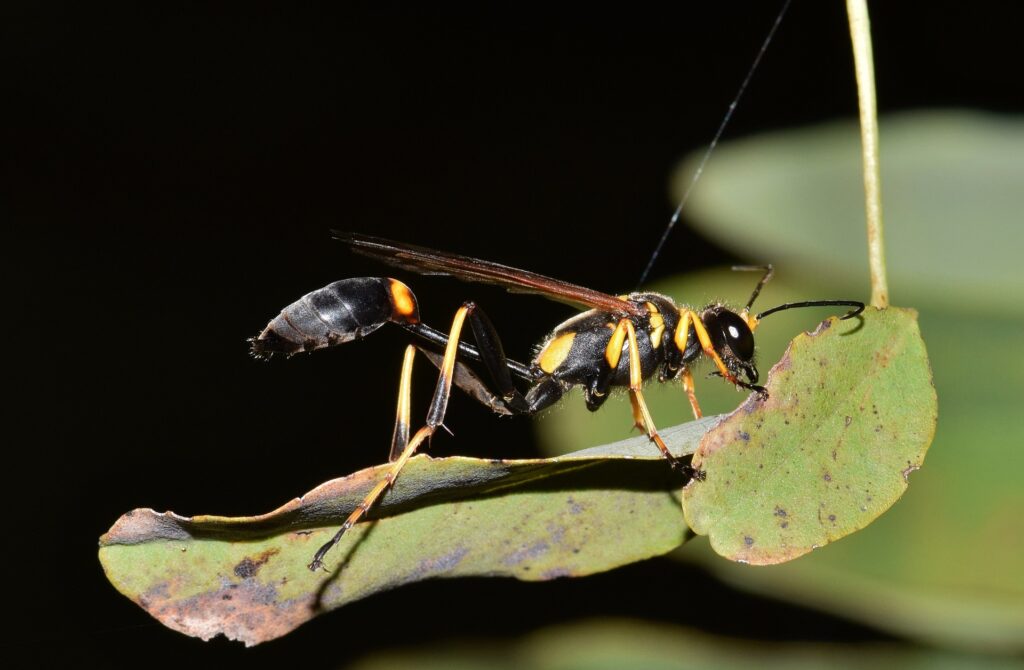
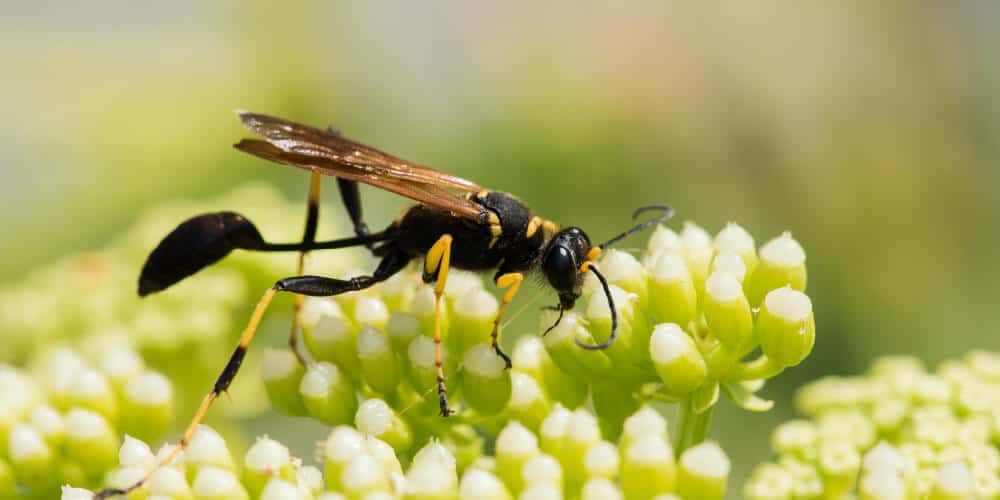
Mud daubers are solitary wasps that rarely sting unless handled. Their nests are made of mud and look like small tubes or clumps attached to surfaces.
Identification:
- Thin body with a narrow waist
- Usually black or metallic blue
Nest location:
Walls, ceilings, garages, sheds, and other sheltered areas.
How to get rid of a wasp nest
Since wasps are stinging insects, removing a nest yourself can be dangerous. When threatened, wasps will aggressively defend their colony and may sting multiple times. For a safer and more effective outcome, professional wasp nest removal services are strongly recommended, especially for large or hard-to-reach nests.
DIY wasp nest removal
If you choose to remove a wasp nest yourself, be sure to take proper precautions:
- Wear protective clothing such as long sleeves, gloves, and eye protection.
- Ensure any children or other bystanders are kept at a safe distance.
- It’s best to attempt removal at night when wasps are less active and more likely to be inside the nest.
- If you can, avoid using flashlights or shining bright lights directly on the nest as this may disturb the wasps.
- Anyone who is allergic to wasp stings should never attempt DIY wasp nest removal.
One removal method for small nests is to capture the nest in a heavy-duty garbage bag:
- Secure the nest: Slowly approach the nest and carefully place the bag over it.
- Detach and seal: Once covered, detach the wasp nest from the location and quickly seal the bag.
- Proper disposal: Dispose of the nest in an outdoor garbage can as far away from the house as possible and ensure the lid is tightly sealed.
Even with precautions, there is still risk of stings – making professional wasp removal a safer choice for homeowners.
Dangerous wasp nest removal methods to avoid
Wasps can easily become aggressive, so there are several DIY wasp nest removal methods that should be avoided:
- Water: Spraying a wasp nest with water can provoke an attack and may cause water damage to your home depending on the nest’s location.
- Fire: Burning a wasp nest is also an extremely dangerous method. Since most nests are made from a paper-like material, they are highly flammable and pose a fire risk.
- Knocking it down: Striking the nest with a stick or object will not eliminate the colony and will likely cause the wasps to swarm and sting.
How to remove a wasp nest in a tree
A wasp nest in a tree presents unique challenges due to height and the potential for wasps to drop or swarm unpredictably. When determining how to get rid of a wasp nest in a tree, keep distance a priority. For small, accessible wasp nests, a wasp-specific spray can be applied from a distance. However, professional wasp control services should be used for larger nests or ones located high in a tree canopy.
Professional wasp nest removal
While some homeowners may try removing a wasp nest on their own, hiring a professional is a safer and more effective method. Professional wasp control services ensure the nest is treated quickly and effectively while reducing the risk of stings, further infestations, or property damage.
Aptive Pest Control offers expert wasp control services provided by trained professionals. In addition to removing active nests, our team focuses on preventing wasps from nesting around your home by identifying attractants and addressing areas where nests commonly form.
Aptive’s promise to you is that if pests come back between visits, so will we at no additional cost. You can trust that we’ll help protect your home from future infestations after a wasp nest has been removed.
Wasp nest FAQs
When do wasps build nests?
Wasps begin building nests in early spring when queen wasps emerge from hibernation and start constructing the first cells to lay their eggs. Nest growth continues through summer as the colony expands, typically reaching peak size in late summer before the colony dies off in autumn – leaving the wasp nest empty by winter.
How fast can wasps build a nest?
A queen wasp can begin constructing the initial cells of a wasp nest within a matter of days in early spring. Once worker wasps emerge – typically within a few weeks – nest building accelerates rapidly, with a colony capable of expanding a nest to the size of a basketball or larger by late summer.
Do fake wasp nests really work to deter wasps?
A decoy or fake wasp nest works on the premise that wasps are territorial and will avoid starting a colony near an existing nest. However, wasps are not always deterred by decoys, particularly when multiple colonies are already present in an area. A decoy wasp nest may be used as part of a broader wasp prevention strategy, but it’s not a reliable standalone solution.
How can you tell if it’s a wasp nest vs. bee nest?
Wasp nests are typically made from a gray, paper-like material with a layered or honeycomb appearance, while bee nests – particularly honeybee hives – are made from golden beeswax and have a distinctly different color and texture. Location is another clue: wasp nests are commonly found hanging from eaves, in wall cavities, or underground, whereas honeybees tend to nest inside hollow trees or enclosed structures. If you’re unsure which insect you’re dealing with, contact a pest professional before attempting any removal.
How can you prevent wasps from building nests around your home?
Preventing wasps from nesting starts with sealing gaps around your roofline, eaves, and siding, as these are common entry points wasps use to access sheltered areas. Removing food sources such as open trash, fallen fruit, and uncovered pet food – and treating previous wasp nest sites – can also significantly reduce the likelihood of wasps building a nest near your home.