It’s easy to recognize the need for pest control when we find a wasp nest next to the front door, or when a roach scuttles across the kitchen floor, but some issues may not be as visible. Sometimes a single ant on a countertop or a tick crawling up a pant leg can be a sign of a much bigger problem.
In an agricultural setting, it’s easy to know when pest control is necessary. Farmers know the cost to spray their fields and the value of their crops, and they can easily compare the economic loss from pest damage against the cost of treating the pest problem. When pests are in our homes, it can be difficult to know when it’s time to call for an inspection or a pest control service. A few basic principles can help guide us, and allow us to control a pest problem before it gets out of hand:
- Pests are always easier to control before they’ve become established
- Pests can be an early indicator of water damage, structural issues, food contamination, or other significant problems
- Insects and rodents breed quickly, and populations can easily double or triple in a matter of weeks
Whether you’re deciding if you need to contact a pest control professional, or deciding when you need to make the call, the most important thing to consider is your own comfort level. If you don’t feel you’re able to enjoy your home with ants on the countertops, or you can’t enjoy your yard because of the ticks or mosquitoes, then you’ve found the right time to call a professional.
Why Do I Need Indoor Service If the Problem Is Outside?
Even newly-constructed homes aren’t airtight. If they were, we’d have bigger problems than pest control! No matter the size or materials or cost of the home, pests will eventually find their way inside.
As they age, homes tend to settle and shift over time, resulting in small cracks and gaps in places we may not be able to see. Due to differences in moisture content and temperature or odors from food or building materials, rodents and insect pests outside of the home can smell or sense those gaps. Whether pests are seeking shelter, food, or water, those unseen cracks and crevices are an attractive lure for many species.
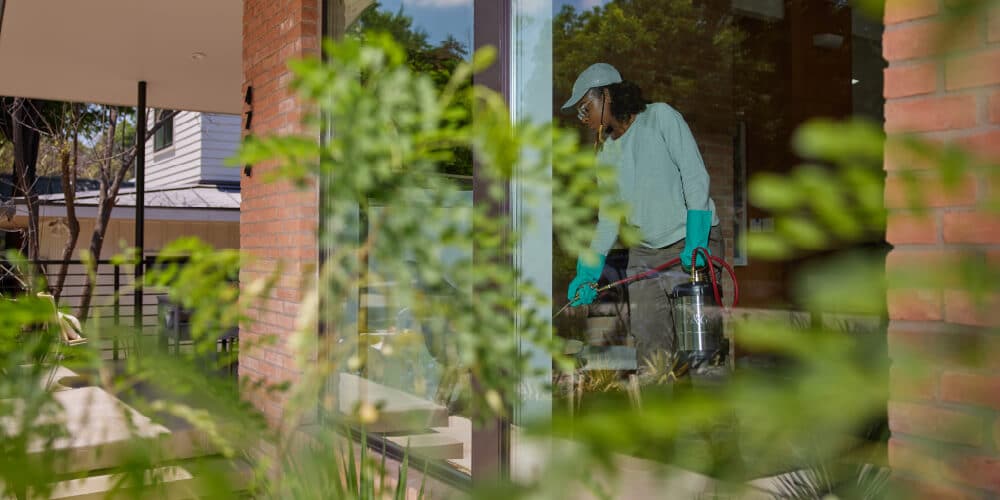
When a pest control professional performs an inspection and treatment, they look for these entry points and may apply a pesticide around the exterior of the home to help keep insect pests away. If they find gaps large enough for rodents to slip through an exterior wall, they may plug those holes or recommend a contractor for large gaps or structural damage.
Once those holes are sealed, it’s also important to address any pests that may have moved indoors before the exterior treatment occurred. Regardless of the initial concern, regular interior inspections from a trained professional can help with early detection of a wide range of issues.
Are Pests Dangerous?
Pests are not just annoying intruders; they can pose significant dangers that may compromise both health and property. Rodents and insects are known carriers of various diseases, contaminating surfaces and food sources with harmful bacteria.
Additionally, some pests, like termites, can cause extensive structural damage to buildings, leading to potential safety hazards and costly repairs. Beyond the physical threats, pests can also trigger allergies and respiratory issues, posing risks to the well-being of occupants. Ignoring the presence of pests can result in a rapid pest population increase, turning a minor inconvenience into a full-blown infestation.
Most household pest species in the continental US are more of an inconvenience than a danger, though there are some notable exceptions!
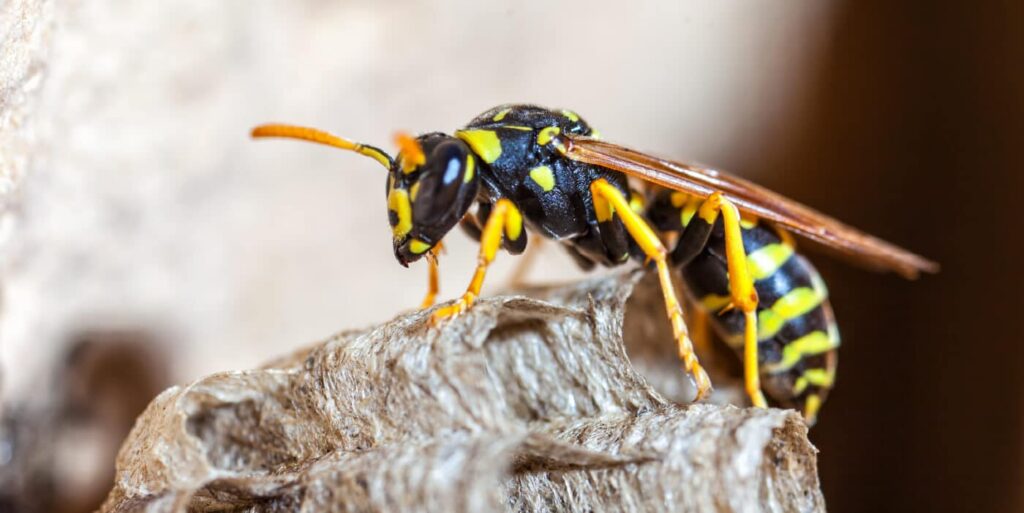
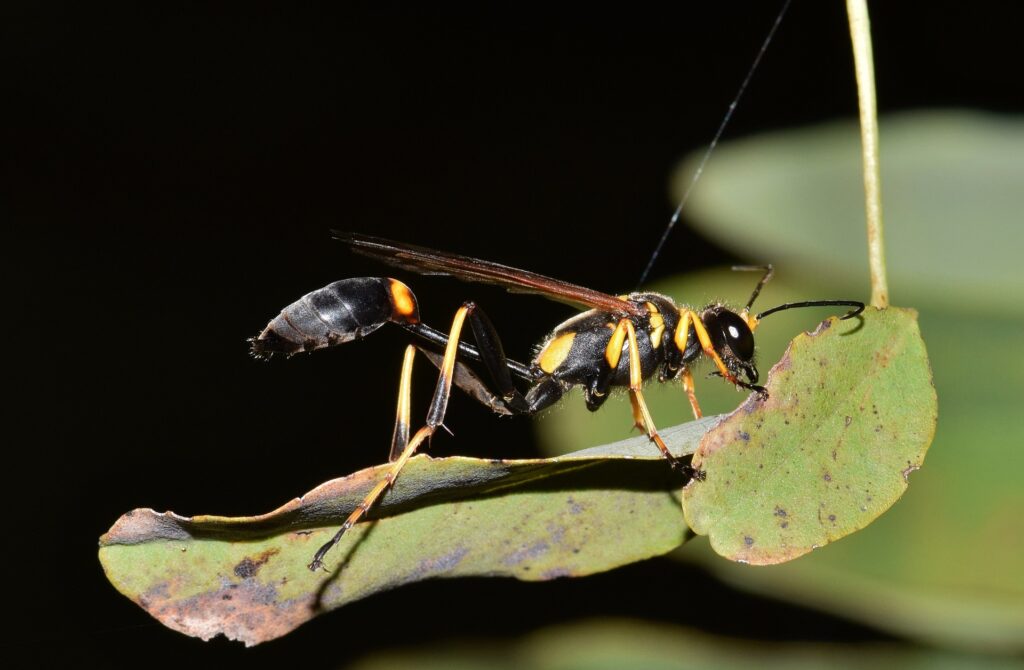
- Wasps and other stinging pests are common across the US, and are often attracted to homes due to easily accessible food or water, unsealed wood for nest material, and abundant nesting sites. Wasp and hornet stings are painful for most people, but can result in severe allergic reactions and expensive hospital visits for others.
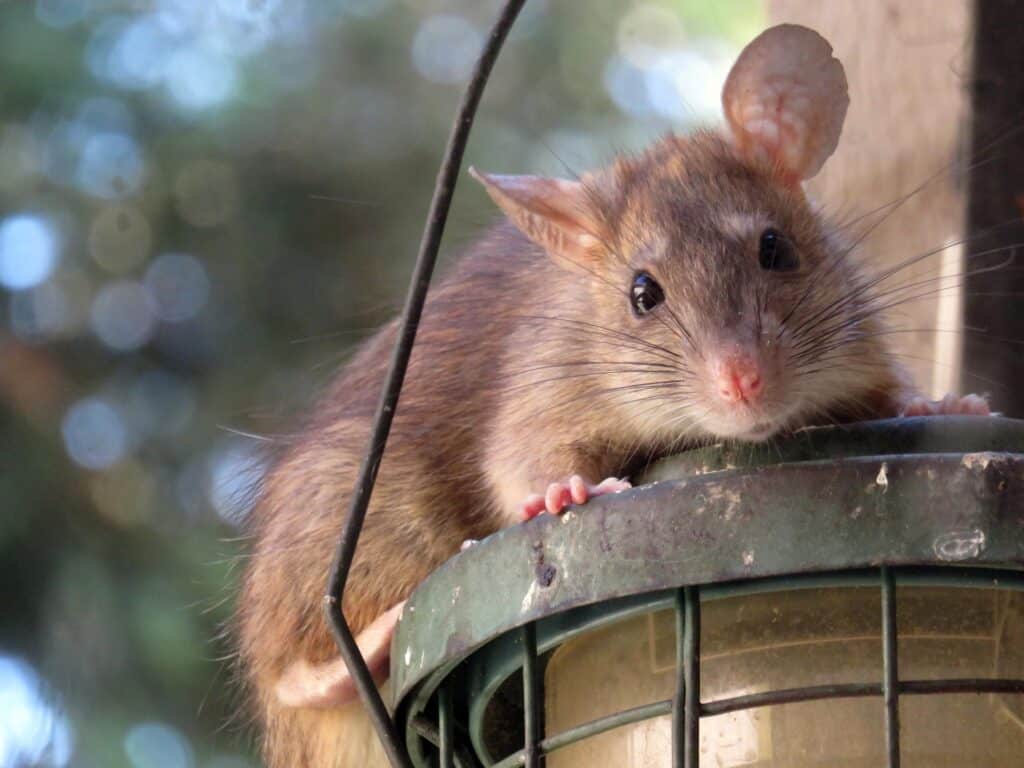
- Rodents are known to carry and spread a range of diseases, in addition to contaminating stored foods and chewing through building materials, gas lines, and electrical wires. The CDC and National Fire Protection Association have estimated that rodents may be responsible for up to 25% of fires in the US with unknown causes.
- Shellfish allergies affect only about 2% of people, however the allergen responsible for that reaction is also present in insects. More than 60% of homes in the United States contain allergens from cockroaches, capable of triggering asthma attacks and allergic reactions.
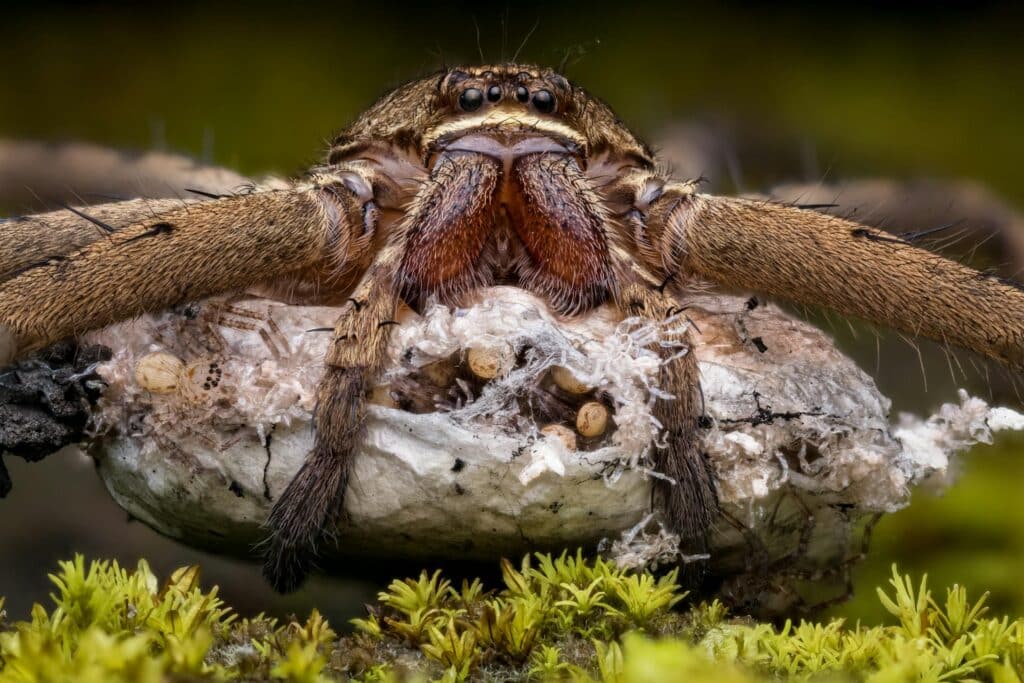
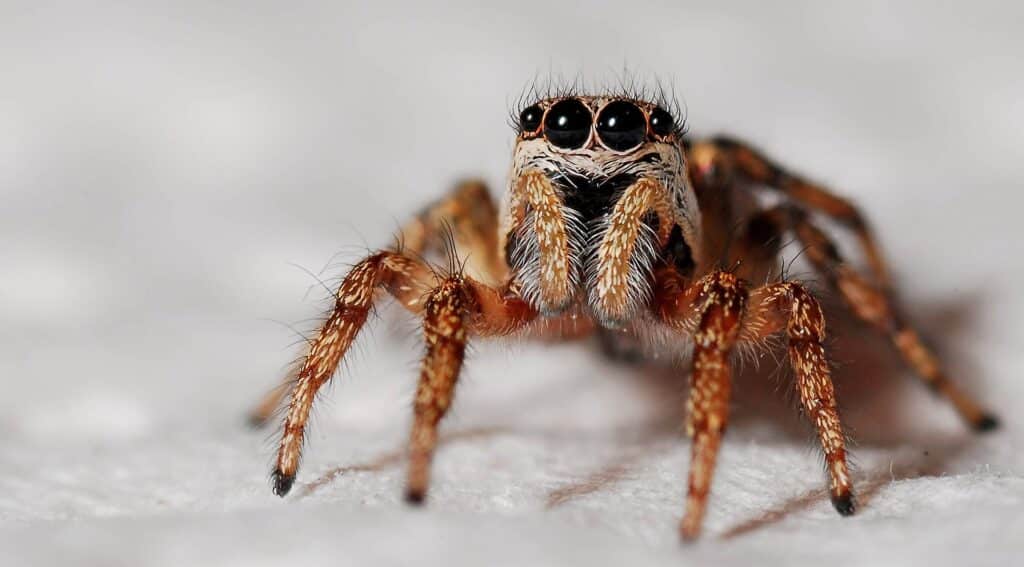
- Brown recluse and black widow spiders have a fearsome reputation, but bites are often misidentified and are actually quite rare. While their venom can cause minor reactions and may require medical treatment, they avoid humans and are not aggressive.
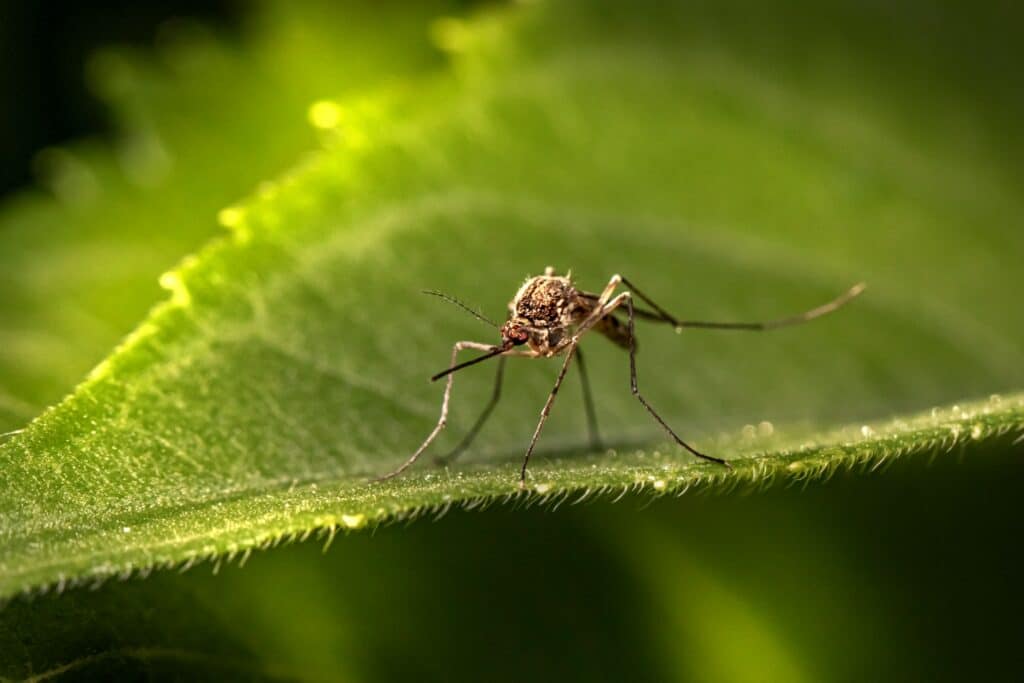
- No list of dangerous insects would be complete without mosquitoes, the world’s deadliest animal. Today, mosquito-borne diseases kill nearly a million people each year worldwide.
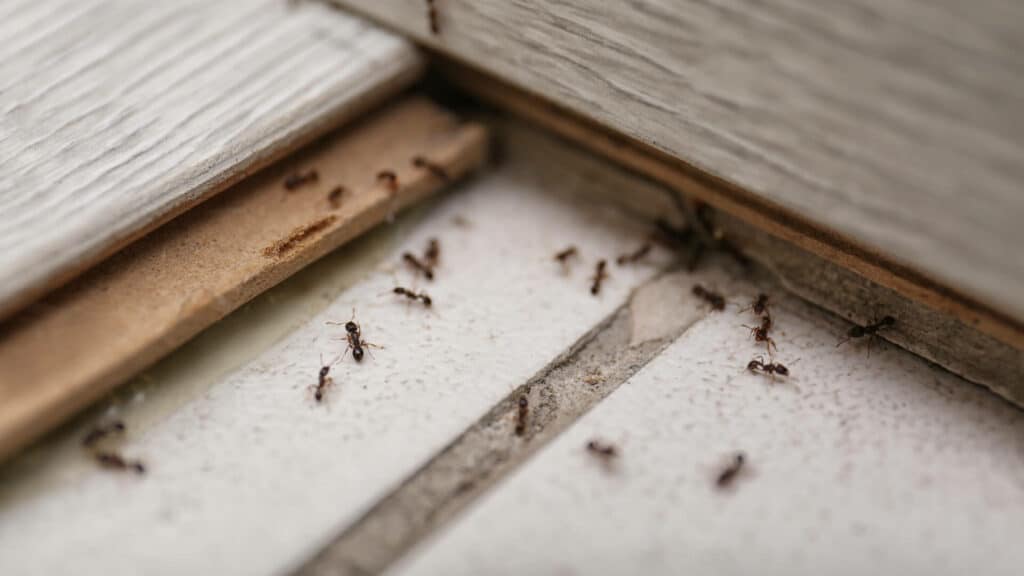
The vast majority of spiders and insects are not directly harmful to humans, but can cause significant disruption and discomfort. Nobody wants to see ants on their food, and the services of a pest control professional can help deter one or two ants on the counter from turning into a dozen in your cereal bowl.
Enlisting the services of a professional pest control company is crucial to identify and address these issues promptly. By taking proactive measures to control pests, you gain peace of mind knowing your home is protected.
I Have Kids and Pets, Is Pest Control Safe?
Pest control treatments come with certain safety risks. However, modern pest control is a heavily-regulated industry, with federal, state, and local laws in place with the goal of keeping homeowners, applicators, and non-target plants and animals safe.
Each pesticide is extensively tested and registered with state and federal agencies, and each state has developed its own standards for training and licensing pest control technicians. Hiring a licensed company with a robust training program increases the likelihood that the service you receive meets state and federal standards, that the company is properly insured, and that the people performing services have been trained to apply pesticides properly and according to the approved label instructions.

If you have questions about state standards or you’d like to check the status of a company before using their services, most states provide a list of licensed companies for this purpose. Contact your local state Department of Agriculture or Pesticide Program for more information.
I Don’t Have Many Issues, Why Do I Need Pest Control?
Pest control is no longer all about extermination, though those services are still available when they’re needed. Today, pest control professionals are trained to consider the lowest-impact treatments first, in a method known as Integrated Pest Management, or IPM.
IPM training and techniques allow professionals to control pests effectively through controlling the environment around the home, adjusting practices that may be encouraging pest activity, and through the use of low-impact traps and monitors. These vary widely depending on the pests to be controlled, but may include:
- Trimming branches away from a home or garage
- Removing spider webs and egg sacs
- Cutting long grass to minimize flea, tick, rodent, and mosquito habitat
- Removing standing water or fixing a leaky spigot
- Securing trash bins or removing other food sources
- Using traps or baits to target a specific pest or to monitor a population
Rather than using an Economic Impact Threshold as agricultural producers do, household pest control relies on each individual customer’s comfort level, combined with a professional assessment of the pest activity at each property.
There’s no need to wait for a complete infestation, or to waste time trying to take care of a problem with over-the-counter products. Contacting a trained and licensed professional removes the stress and work involved, provides a trusted resource for questions or concerns, and may include return services at no additional cost if any issues are noticed between scheduled treatments. IPM practices allow people with minor pest issues or a desire to limit future problems to maintain a pest control service without requiring the use of heavy-duty pesticides.
Conclusion
If you’re unable to enjoy your backyard for a barbecue because of foraging wasps or your playset is covered in spider webs, those are both great reasons to employ a pest control company. Pest control can give you the space you need to enjoy your home and yard, and it can give you the time and opportunity to create memories with your family.
Pest control is not just about treating bothersome insects or rodents; it’s a crucial aspect of maintaining an enjoyable living space. Beyond the nuisance factor, pests can pose health risks as carriers of diseases and contaminants. Investing in regular pest control services is a proactive measure to protect your home from potential infestations that could compromise your well-being.
Termites, rodents, and insects can cause structural damage to buildings, leading to costly repairs. Effective pest control also protects stored food and limits damage to valuable belongings. By enlisting the expertise of a professional pest control company, you can receive a detailed approach to identifying and controlling pests, contributing to the overall enjoyment of your home. Don’t just wait for pests to become a problem; prioritize pest control as a proactive measure for a more protected living space.