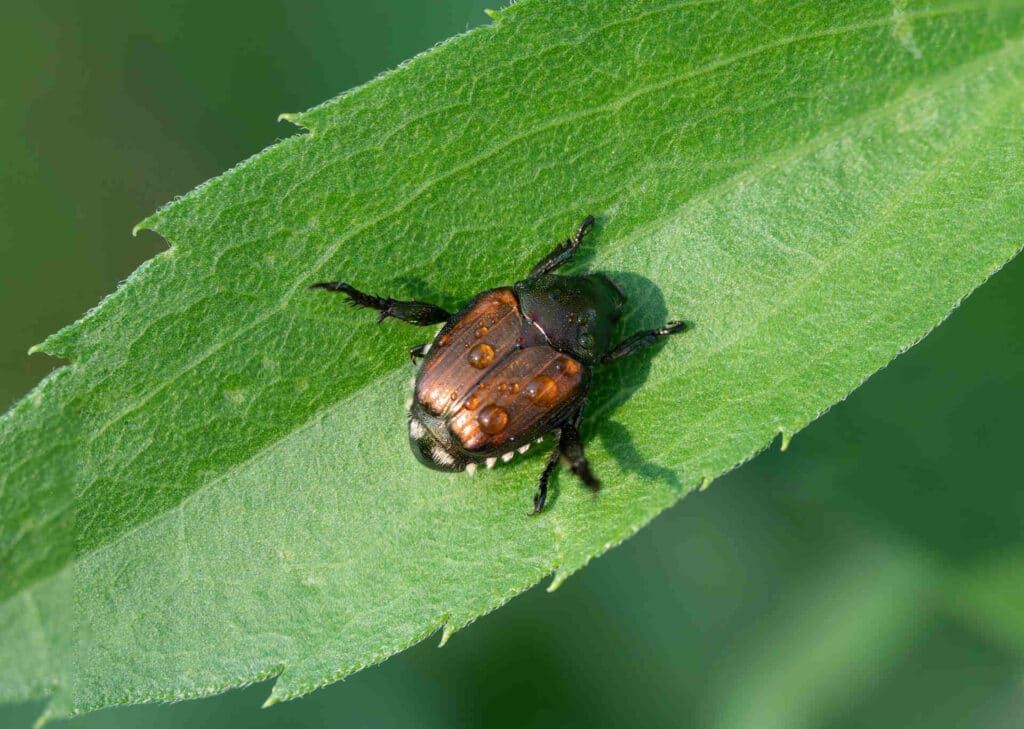
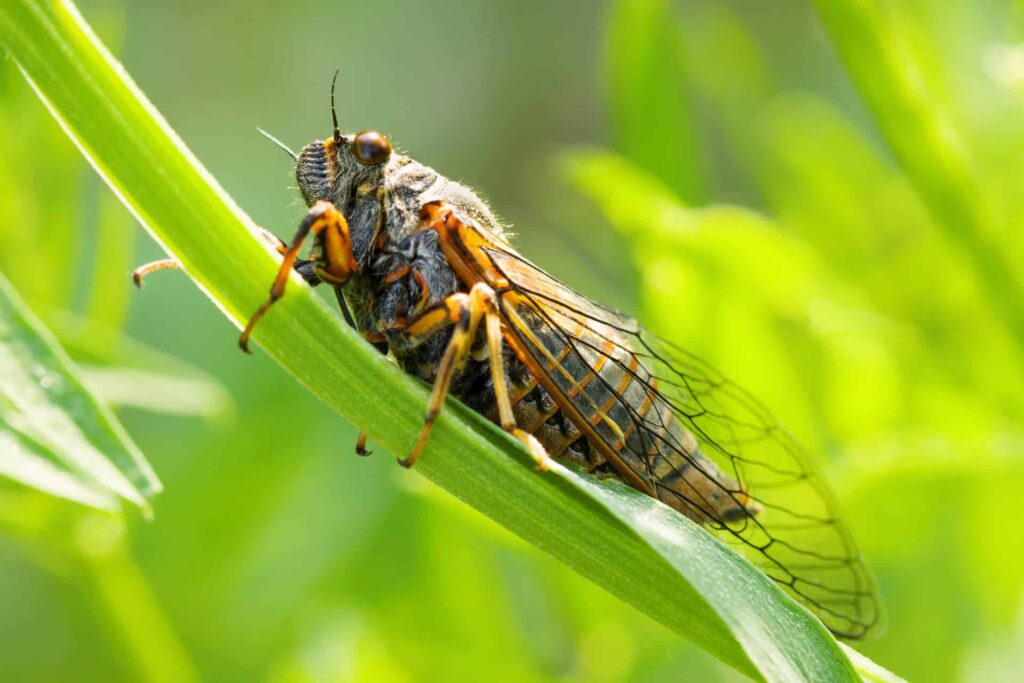
As the weather cools down, learning how to keep beetles out of your house during the fall can save you from an unwanted infestation. Fall beetles begin searching for warm places to shelter, and your home can become a prime target. Beetles are one of the most common pests that enter homes during this season, seeking refuge from the colder temperatures.
Ever wonder why beetles seem to make a beeline for your home each fall? Explore what draws them in during cooler months and learn effective ways to keep them away from your home during the fall season.
3 Reasons Why Beetles Enter Homes in the Fall
Beetles, like many other pests, seek warmth and shelter when temperatures drop. They are particularly active during the fall as they prepare for the colder months. Beetles, specifically grain beetles, tend to enter homes through cracks, gaps, and poorly sealed doors or windows. Once inside, they may settle in attics, basements, or wall voids, where they can remain hidden for long periods.
Here are the key reasons beetles enter homes in the fall:
1. Temperature Changes
As outdoor temperatures drop, beetles naturally seek out warmer environments. Your home, with its stable temperature and lack of predators, becomes an attractive option. Beetles that might have otherwise overwintered in natural outdoor shelters will instead move indoors if given the chance.
2. Shelter for Hibernation
Certain beetles, such as ladybugs, are known to hibernate in groups during the colder months. They look for quiet, undisturbed places to spend the winter, and your home’s attic, walls, or basement can provide the perfect environment.
3. Access to Light
Beetles are often drawn to artificial light sources. Outdoor lighting near doors or windows can attract beetles, making it easier for them to find entry points into your home.
4 Ways How to Keep Beetles Out of Your House
Fortunately, there are effective strategies to prevent beetles from entering your home this fall. Here’s some information on how to keep beetles out of the house and keep them outside where they belong:
1. Seal Entry Points
The most important step in keeping beetles out is to seal all possible entry points. Beetles, with an average size of 7mm, can fit through small cracks and gaps, so a thorough inspection of your home’s exterior is essential.
- Check for Cracks and Gaps: Examine your home’s foundation, siding, and around windows and doors for any openings. Use caulk to seal small cracks and gaps and replace damaged weather stripping on doors and windows.
- Install Door Sweeps: Adding door sweeps to exterior doors can help prevent beetles from crawling underneath. Be sure that all exterior doors close tightly without gaps.
- Repair Window Screens: Torn or loose window screens provide an easy entry point for beetles. Repair any damaged screens and ensure they fit snugly in their frames.
2. Adjust Outdoor Lighting
As mentioned earlier, beetles are attracted to light. You can reduce the number of beetles drawn to your home by adjusting your outdoor lighting.
- Use Yellow or Bug-Repellent Lights: Yellow or amber-tinted lights are less attractive to beetles than standard white lights. Consider swapping out your outdoor bulbs for these bug-repellent options.
- Move Lights Away from Entry Points: Place outdoor lights farther away from doors and windows to reduce the chance of beetles being attracted to those areas. Motion-sensor lights can also help minimize the amount of light beetles are exposed to.
3. Reduce Moisture Around Your Home
Beetles are often drawn to moisture-rich environments, and damp areas around your home can increase the likelihood of an infestation. Keeping the perimeter of your home dry can help deter beetles from settling nearby.
- Fix Leaks and Drainage Issues: Check for leaks in your gutters, downspouts, and plumbing that could be causing excess moisture near your foundation. Ensure that water is properly directed away from your home.
- Remove Standing Water: Eliminate any standing water around your property, such as in flower pots, bird baths, or yard equipment. Even small amounts of water can attract pests.
- Trim Vegetation: Overgrown shrubs and plants near your home can trap moisture and provide shelter for beetles. Keep plants trimmed and ensure that they are not in direct contact with your home’s exterior.
4. Keep Your Home Clean
A clean home is less likely to attract pests, including beetles. Regular cleaning, especially in less-frequented areas like basements and attics, can help discourage beetles from settling in.
- Vacuum Regularly: Vacuuming floors, carpets, and hard-to-reach corners can remove beetles and their eggs. Pay close attention to windowsills, door frames, and baseboards where beetles may enter.
- Store Food Properly: If beetles do manage to get inside, make sure they don’t find any easy food sources. Store food in sealed containers and clean up any spills or crumbs promptly.
- Clear Clutter: Reducing clutter in storage areas like basements or garages can eliminate potential hiding spots for beetles during the colder months.
Keep Beetles Out of Your Home During the Fall with Aptive Pest Control
If you’re wondering how to keep pests or beetles out of your house this fall, or if an infestation keeps coming back, it’s a good time to contact a professional pest control service. Aptive’s team of experts can identify problem areas and apply targeted beetle control treatments to keep unwelcome fall pests away from your home. Aptive offers a free quote to help you find a targeted solution to your pest or Beetle issues. Get in touch now!