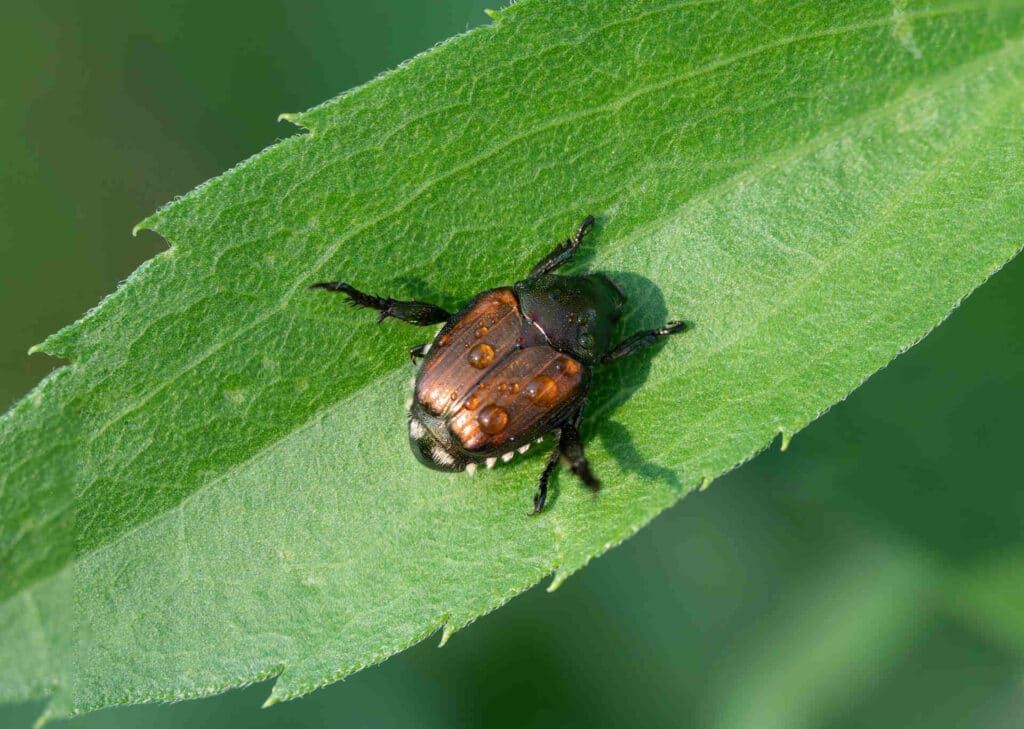
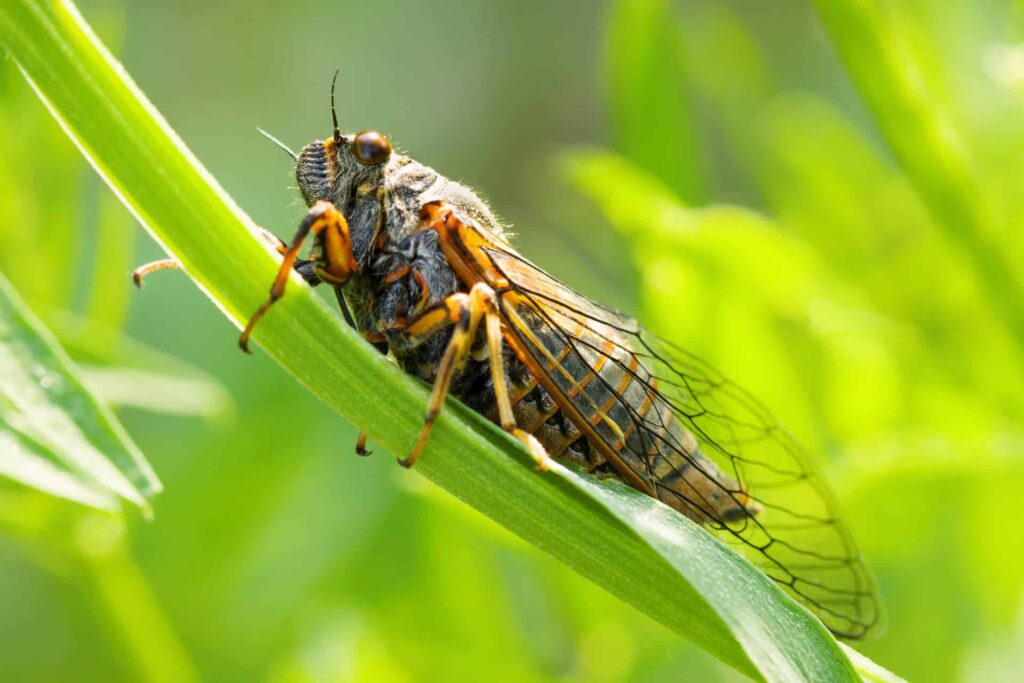
Beetles represent the most diverse insect order on Earth with over 400,000 described species, and numerous beetle types commonly invade homes causing problems ranging from fabric damage and food contamination to structural destruction and nuisance infestations.
Understanding which beetles frequently enter structures, their feeding preferences, damage potential, and life cycles helps homeowners identify infestations early and implement appropriate control strategies preventing extensive damage to stored products, furnishings, wooden structures, and other household materials.
The following beetles represent the most commonly encountered species requiring homeowner awareness and beetle control throughout residential properties.
Why are beetles attracted to homes?
Beetles are attracted to homes seeking food sources including stored products, natural fibers, wood, and other organic materials; shelter from weather extremes and predators; and favorable environmental conditions including warmth, darkness, and appropriate humidity for reproduction and development.
Different beetle species target specific resources—fabric pests consume wool and other animal fibers, pantry pests infest grains and processed foods, wood-boring beetles attack structural timbers, and various scavengers feed on accumulated debris, dead insects, and organic matter.
Homes provide stable year-round temperatures allowing continuous beetle development compared to fluctuating outdoor conditions, while artificial lighting attracts many beetle species to structures during evening hours. Poor storage practices, inadequate sanitation, moisture problems, and structural damage create favorable conditions encouraging beetle establishment.
Once inside, beetles often go unnoticed until populations grow large or damage becomes apparent, making prevention and early detection critical for avoiding serious infestations.
1. Carpet beetles
Carpet beetles including varied carpet beetles, furniture carpet beetles, and black carpet beetles are common fabric pests measuring 1/16 to 1/8 inch as adults, with larvae feeding on wool, fur, feathers, silk, leather, and other animal-based materials causing damage to carpets, clothing, upholstery, and stored items.
Adult carpet beetles are small, oval beetles with mottled patterns of white, brown, yellow, and black scales, often found on windowsills seeking exit routes after emerging indoors or entering from outside where they feed on pollen. Larvae are the destructive stage—small, fuzzy caterpillar-like grubs measuring up to 1/4 inch covered in bristly hairs that shed causing skin irritation.
Carpet beetle larvae feed on keratin in natural fibers, creating irregular holes in fabrics, carpets, and stored woolens. Infestations develop slowly over months in undisturbed areas including closets, storage boxes, beneath furniture, and in heating ducts accumulating dead insects and debris. Prevention requires regular vacuuming, proper storage of woolens in sealed containers, and prompt cleaning of spills and organic debris.
2. Pantry beetles
Pantry beetles, including various species infesting stored foods, are common household pests contaminating grains, cereals, flour, dried fruits, nuts, spices, and processed foods, with saw-toothed grain beetles, drugstore beetles, and cigarette beetles being among the most frequently encountered species.
These small beetles measuring 1/10 to 1/8 inch bore into packaging, contaminate foods with shed skins and feces, and reproduce rapidly under favorable conditions creating large populations within pantries and storage areas. Saw-toothed grain beetles have distinctive tooth-like projections on thorax edges, infesting virtually any grain-based product.
Drugstore beetles are small, brown, cylindrical beetles attacking diverse products including spices, pet food, and non-food items. Cigarette beetles are similar reddish-brown pests with smooth wing covers. Adult beetles and larvae feed within stored products, with complete development occurring inside packages allowing hidden infestations.
Prevention requires inspecting groceries before storage, using airtight containers, rotating stock regularly, and maintaining excellent pantry sanitation eliminating spills attracting beetles.
3. Spider beetles
Spider beetles are small, round-bodied beetles measuring 1/16 to 1/8 inch with long legs and antennae giving them spider-like appearances, commonly infesting stored foods, animal products, dead insects, and organic debris in undisturbed areas including attics, wall voids, and storage spaces.
American spider beetles are reddish-brown pests with smooth, shiny bodies and pale leg and antenna coloring. White-marked spider beetles have distinctive white scale patches on dark bodies. These scavenging beetles feed on diverse materials including grains, dried meats, rodent bait, dead insects, old books, and virtually any dried organic matter, making them indicators of sanitation problems or hidden rodent infestations.
Adults are capable fliers attracted to lights, though they typically remain hidden during daylight. Larvae resemble small grubs feeding within infested materials. Spider beetle infestations often indicate broader pest problems including rodent activity providing carrion and feces beetles exploit.
Control involves thorough cleaning, removing debris, addressing underlying pest control issues, and improving sanitation in affected areas.
4. Powderpost beetles
Powderpost beetles including lyctid, anobiid, and bostrichid species are wood-boring beetles whose larvae tunnel through hardwoods creating networks of galleries filled with fine, flour-like frass, causing structural and furniture damage similar to termites though on smaller scales.
Lyctid powderpost beetles are small, reddish-brown to black beetles measuring 1/8 to 1/4 inch, primarily attacking hardwoods with high starch content including oak, ash, and hickory. Anobiid beetles (furniture beetles, death watch beetles) attack both hardwoods and softwoods, commonly infesting antiques, structural timbers, and wooden furnishings.
Adults emerge leaving small, round exit holes 1/32 to 1/8 inch in diameter, with fine powder accumulating beneath infested wood. Larvae feed within wood for months to years depending on species, temperature, and wood moisture content before pupating and emerging as adults continuing the cycle.
Severe infestations can weaken structural timbers and destroy valuable wooden items.
5. Grain beetles
Grain beetles including merchant grain beetles, foreign grain beetles, and flat grain beetles are tiny reddish-brown beetles measuring 1/16 to 1/10 inch infesting stored grains, cereals, and processed foods, often indicating moisture problems or mold growth within stored products.
Merchant grain beetles resemble saw-toothed grain beetles but possess functional wings enabling flight, spreading rapidly through infested facilities. Foreign grain beetles feed primarily on molds growing on damp grain and stored products rather than grain itself, indicating excess moisture in storage areas.
Their presence suggests humidity problems requiring correction. Flat grain beetles are extremely small, flattened species exploiting tiny cracks and crevices in grain storage structures. These beetles contaminate stored products through feeding activity, fecal deposits, and shed skins, though damage is generally less severe than larger pantry pests.
Grain beetle infestations spread quickly through commercial and residential storage areas when conditions favor rapid reproduction. Control requires identifying and discarding infested products, correcting moisture problems, improving storage conditions, and maintaining proper sanitation.
6. Wood-destroying beetles
Wood-destroying beetles encompassing various species including longhorn beetles, bark beetles, and metallic wood-boring beetles attack living, dying, or seasoned wood, with most species infesting trees and lumber before processing though some continue developing in finished wood products within structures.
Old house borers are large longhorn beetles whose larvae tunnel through softwood structural timbers including pine framing, causing significant damage over multiple years of development. These beetles typically infest wood before construction but can complete development after installation.
Bark beetles and ambrosia beetles attack trees and logs, rarely continuing development in seasoned lumber though they can emerge from wood products years after processing. Metallic wood-boring beetles (buprestids) including emerald ash borers primarily attack living trees, occasionally emerging from wood products including flooring, paneling, and furniture originating from infested materials. Most wood-destroying beetle infestations originate from beetles already present in wood at time of construction or purchase.
7. Ground beetles
Ground beetles are predatory beetles typically living outdoors under stones, logs, and debris, occasionally entering homes in large numbers seeking shelter, moisture, or while hunting prey insects, though they cause no damage and serve as beneficial predators consuming various pest insects.
These beetles range from small 1/4 inch species to large 1 inch carabids with elongated bodies, long legs adapted for running, and typically dark coloration including black, brown, or metallic sheens. Ground beetles are nocturnal hunters feeding on caterpillars, slugs, snails, and other soft-bodied prey, providing valuable biological control in gardens and landscapes.
They enter structures accidentally through door gaps, window wells, and foundation openings, particularly during hot, dry weather or when outdoor populations are high. Indoor ground beetles typically die quickly from lack of food and suitable habitat, appearing on floors, in basements, or near entry points. While harmless, their sudden appearance in numbers creates concern.
Prevention involves sealing entry points, improving exterior drainage, and reducing outdoor harborage near foundations rather than pesticide applications since ground beetles are beneficial.
8. Dermestid beetles
Dermestid beetles including hide beetles, larder beetles, and khapra beetles are scavenging beetles feeding on dried animal materials including hides, furs, taxidermy specimens, stored meats, pet food, and dead insects, with some species being serious stored product pests.
Larder beetles are black beetles with a pale band across wing covers measuring 1/4 to 3/8 inch, commonly infesting stored meats, pet foods, and dead rodents or insects within wall voids. Hide beetles are similar dark beetles attacking dried hides, taxidermy, and natural history collections. Khapra beetles—serious stored grain pests—are small brown beetles regulated as quarantine pests due to their resistance to control methods and ability to survive extended periods without food.
Dermestid beetle larvae are hairy, torpedo-shaped grubs that cause feeding damage, with some species used deliberately in museum collections for cleaning skeletal specimens. Household infestations typically involve larder beetles exploiting accessible protein sources.
Control requires locating and removing infested materials, thoroughly cleaning affected areas, and addressing underlying sanitation or pest problems providing food sources for dermestid populations.
9. Flour beetles
Flour beetles including red flour beetles and confused flour beetles are small reddish-brown beetles measuring 1/8 inch that rank among the most common and destructive stored product pests worldwide, infesting flour, grains, cereals, nuts, dried fruits, and virtually any stored food.
These similar-appearing species differ only in subtle antennal characteristics, both causing identical damage and control challenges. Flour beetles cannot attack intact, undamaged grains but readily infest processed products, milled grains, and commodities damaged by other pests. They contaminate foods with shed skins, feces, and quinone secretions producing unpleasant odors and discoloration making products unmarketable.
Both adults and larvae feed within stored products, with rapid reproduction under warm conditions allowing populations to explode within weeks. Red flour beetles are strong fliers spreading readily between locations, while confused flour beetles rarely fly but are equally damaging. Flour beetle infestations indicate either contaminated incoming products or poor storage sanitation.
Control requires discarding infested materials, thorough cleaning of storage areas, using pest-proof containers, and implementing proper stock rotation preventing prolonged storage allowing population buildup.
10. Lady beetles
Lady beetles (ladybugs) including multi-colored Asian lady beetles and native species are beneficial predatory beetles feeding on aphids, scale insects, and other plant pests in gardens, though they become nuisance pests when aggregating in large numbers on building exteriors and invading structures seeking overwintering sites.
Asian multi-colored lady beetles are orange to red beetles with variable black spot patterns measuring 1/4 inch, introduced for biological control but now causing autumn invasion problems throughout North America.
These beetles congregate in thousands on sun-warmed building exteriors during fall seeking cracks and crevices for winter shelter, entering attics, wall voids, and living spaces where they remain dormant until warming temperatures trigger activity. Indoor lady beetles don’t reproduce, feed, or cause damage but create aesthetic concerns, staining surfaces with defensive secretions, producing allergic reactions in sensitive individuals, and appearing in large numbers on windows seeking exit routes.
Despite nuisance problems, lady beetles are highly beneficial predators deserving protection outdoors. Prevention involves sealing entry points before fall aggregations, using exclusion barriers on building exteriors, and vacuuming indoor beetles rather than using pesticides that harm beneficial insects.
When to call in the professionals
Our pest control technicians can perform a detailed inspection to assess the situation, identifying whether you’re dealing with fabric-damaging carpet beetles, food-infesting pantry beetles, or beneficial ground beetles and lady beetles requiring different management approaches.
If you’re experiencing persistent beetle activity despite your control efforts, have discovered damaged fabrics, contaminated stored foods, or other signs indicating active infestations, contact Aptive today for a free quote.