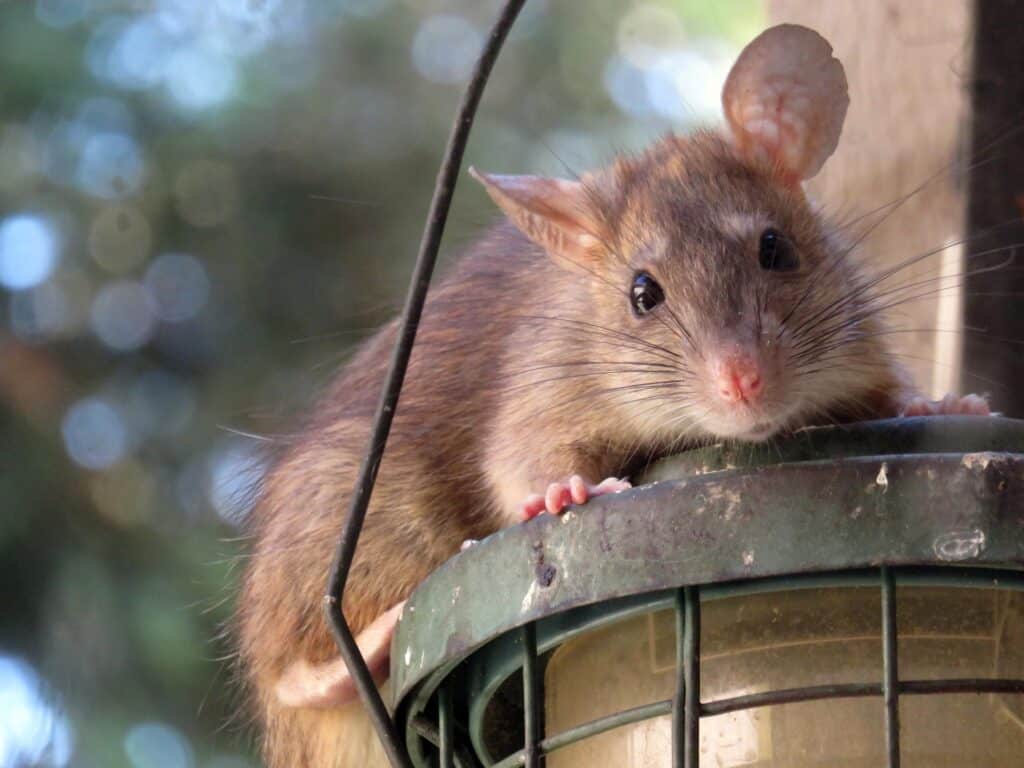
Whether you view them as harmless and cute or disgusting, disease-carriers, rodents are formidable pests that don’t belong in your home. These scurrying scavengers can get into your space through even the smallest of openings and typically spoil whatever food supply they can find. An infestation can spell disaster for a homeowner. But there are options for keeping rodents at bay.
When learning where pests live and how to best prevent them, it’s key to remember that all pests, including rodents, have 3 basic necessities:
- Something to eat
- Something to drink
- Somewhere to live
Knowing these three basics can arm you with the tools you need to manage rats and mice around your home and property with the help of pest experts from Aptive. The biggest question for most homeowners is “Why are they here?”. This question is answered by understanding their basic necessities. Understanding these three items gives you a game plan for how to deal with most pests. The main goal when dealing with pests is to address where they’re nesting, then eliminate or reduce what brought them there: food and water.
Something to Eat
Rats and mice are omnivores – which means they can eat nearly everything, but they’re particularly fond of grains, fruits, and meats. They’ll also gnaw on things like wires and insulation due to their need to constantly wear down their ever-growing incisors.
Inside
If you’re noticing rats or mice inside your home, it’s likely because they’re finding food and have a way to get inside your home. Open bins, unsealed food containers, foods in easy-to-chew-through bags, or crumbs left on the kitchen counter are like a buffet to them.
Outside
Rats and mice outside tend to be scavengers, feeding on whatever they can find. They can be attracted to compost bins, garbage cans, bird feeders (especially under – birds are messy eaters!), fruit trees, or pet food left outside.
Something to Drink
Inside
Despite being adaptable creatures, rats and mice do require water. If your home has condensing pipes, or standing moisture anywhere, these could provide perfect water sources that attract more rats and mice. If a mouse can get its food and water from an undisturbed source, it will. So if there’s continual moisture behind the washer, next to the air conditioner that’s tucked away downstairs, or under sinks, that’s where you’ll likely find a lot of rodent droppings…
Outside
Rats and mice typically hydrate themselves from outdoor water sources, including puddles, garden ponds, or pet water dishes. Just like with any other pest, higher water usage in a property can lead to a higher pest presence, including rats and mice.
Somewhere to Live
Outside
Rats and mice prefer to live in quiet, undisturbed areas that offer protection. Outdoors, they may set up residence in overgrown vegetation, compost piles, or piles of lumber or debris. Have a palm tree with hanging palm fronds? Creeping ivy along the wall or fence? Comfortable living for a rodent.
Inside
Rats and mice are usually found in secluded areas that provide them with warmth and security. Spaces like attics, basements, wall voids with exterior access, and storage areas offer them perfect spots to build their nests and breed.
And this brings us to our additional, bonus thing to know…
Somewhere to Enter
It may be an obvious statement, but pests can only get in through exterior openings, though they can be very tiny openings. A mouse can get through a small, 6-7 mm hole (about the diameter of a normal-sized pen) and a rat can get through a 20 mm hole (about the diameter of a quarter). These can often be found around door and window seals, or where pipes and wires enter the home.
To keep these pests out without any use of chemicals, seal all your doors, windows, pipe/wire entries, and replace worn weather seals.
Armed with this knowledge, you can now master rat and mouse control! The next step to take is creating a pest plan with an Aptive pest expert.
Where are Rodents Found?
At Aptive, we carefully monitor pest activity all across the country to help determine where and when pests are most prevalent. By tracking invasive pests like rodents, we’re able to offer effective treatments aimed to prevent pests from coming back.
Rodents can be found in various locations across the United States, taking advantage of human settlements, available food sources, and suitable nesting options. Urban and suburban areas, basements, attics, garages, sheds, parks, and rural areas are common habitats for rodents. To prevent rodent infestations, it’s important to seal entry points, eliminate food and water sources, and maintain cleanliness.
If a rodent problem is suspected, getting expert pest help is the best thing you can do. Aptive’s pest experts prioritize your satisfaction and utilize the most effective and up-to-date treatments to keep rodents out and keep you happy. Our team works with homeowners to ensure their unique rodent problems get addressed. Getting started with Aptive is simple for a wide variety of pest control solutions for rodents of all kinds.
Aptive tracks rodent activity across the US, this map shows where they are most densely located (shown in red).
Urban and Suburban Areas
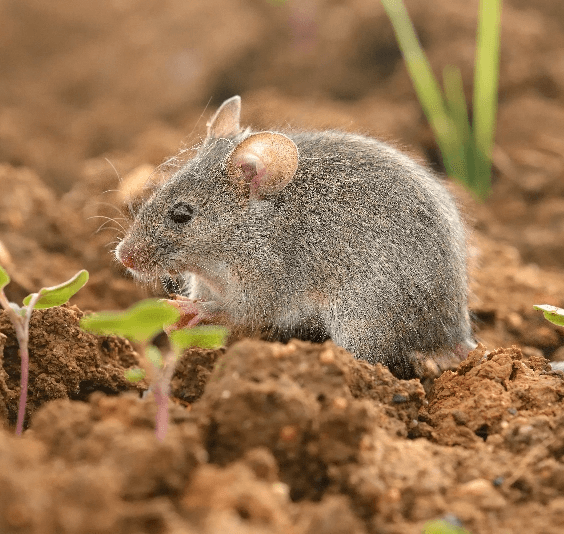
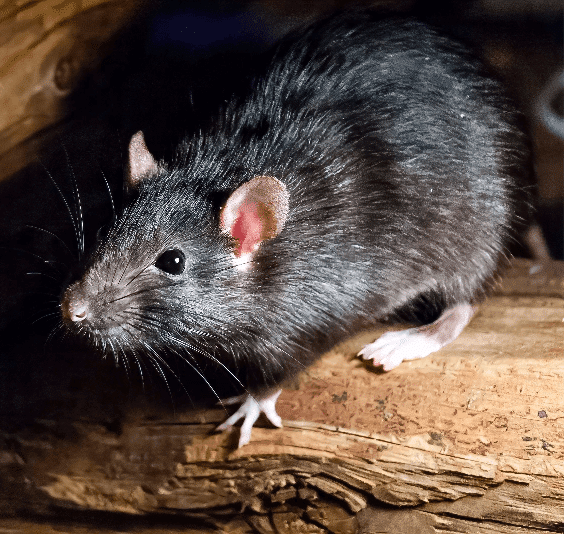
Rodents, particularly mice and rats, are highly adaptable and thrive in urban and suburban environments. They are attracted to human settlements due to the abundance of food sources and shelter options. Rodents can be found in residential neighborhoods, commercial areas, warehouses, and even restaurants. Common rodent species in urban areas include the house mouse, roof rat, and Norway rat.

Basements and Crawl Spaces
Rodents seek shelter in areas that provide protection and insulation, making basements and crawl spaces attractive habitats. These dark and undisturbed areas offer rodents a safe environment to nest and reproduce. Insufficiently sealed foundations and access points, such as gaps or cracks, can provide easy entry for rodents into these spaces.
Attics and Roof Spaces
Attics and roof spaces are another favored location for rodents. Rats and mice can access these areas by climbing trees, utility lines, or the exterior walls of buildings. Once inside, they build nests using available materials, such as insulation or stored items. Rodents in attics can cause extensive damage to electrical wiring, insulation, and personal belongings.
Garages and Sheds
Rodents are often found in garages and sheds, attracted by the presence of stored items, pet food, and potential nesting materials. These structures offer rodents protection from predators and adverse weather conditions. Rodents may gain entry through gaps in doors, damaged screens, or openings around utility lines.
Parks and Green Spaces
Rodents can also be found in parks, recreational areas, and green spaces. These locations provide ample food sources, such as trash bins or fallen fruits, and vegetation for nesting. Additionally, burrowing rodents like ground squirrels and gophers may create tunnels and mounds in open grassy areas.
Rural and Agricultural Areas
Rodents are prevalent in rural and agricultural settings due to the abundance of food sources and suitable habitats. Barns, grain storage facilities, and farm outbuildings are particularly attractive to rodents like rats and mice. Agricultural fields and livestock operations can also support rodent populations.
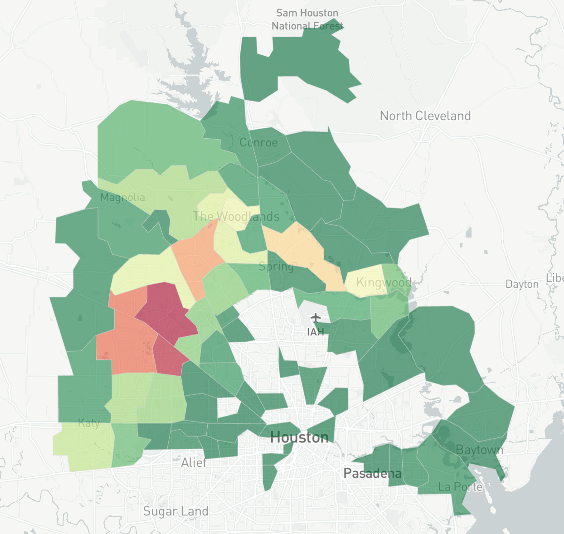
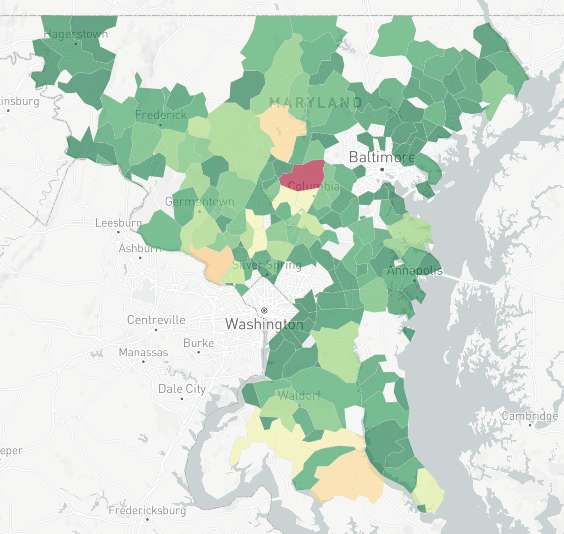
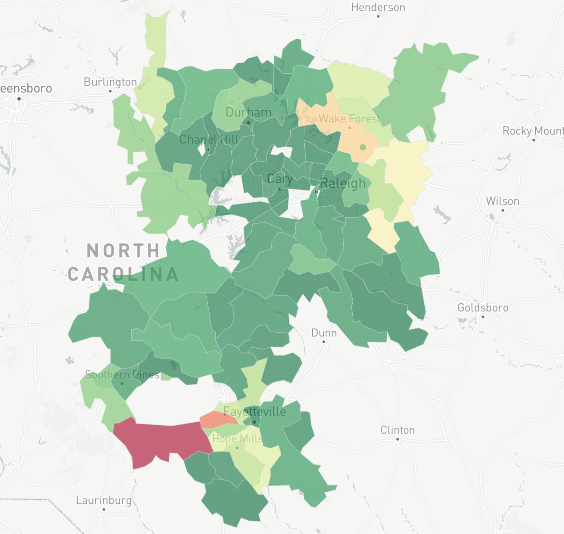
The top three locations for rodent activity and Aptive rodent treatment are: Houston, Baltimore, and Raleigh. Aptive monitors all pest activity, including rodents, within each of the 300 cities we service throughout North America.
When are Rodents at Their Busiest?
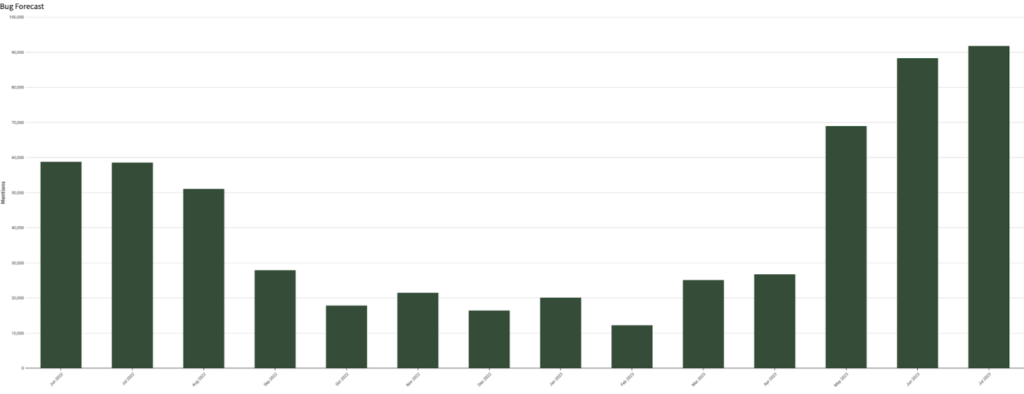
Rodents, being primarily nocturnal creatures, are at their busiest during the evening and early morning hours. These periods are when they actively search for food, water, and shelter. While rodents are active year-round, their behavior can be influenced by factors such as food availability, seasonal changes, and reproductive cycles. To effectively prevent and control rodent infestations, it’s crucial to remain vigilant, seal entry points, maintain cleanliness, and promptly address signs of rodent activity. If a rodent problem persists or becomes unmanageable, seeking professional assistance from a reputable pest control company like Aptive is recommended to ensure a thorough and effective solution.
Year-Round Activity
Unlike certain seasonal pests, rodents are active throughout the year, regardless of the season. Their behavior may be influenced by weather conditions, food availability, and breeding cycles. However, it’s important to note that rodent activity can increase during specific times, depending on various factors.
Quiet and Low-Activity Periods
Rodents tend to be less active during the daytime when human activity is at its peak. They seek shelter in their nests, which are often located in hidden or undisturbed areas, such as wall voids, attics, basements, or crawl spaces. During these quieter periods, rodents rest, groom themselves, and care for their young ones.
Factors Influencing Activity
While rodents are primarily nocturnal, certain factors can influence their activity patterns. For example:
a. Food Availability: Rodents are opportunistic feeders and are more active when food sources are abundant. Areas with easily accessible food, such as garbage bins or poorly stored food supplies, may experience increased rodent activity.
b. Seasonal Changes: During colder months, rodents may become more active indoors, seeking warmth and shelter. However, their activity may still be influenced by outdoor conditions, such as the availability of natural food sources.
c. Reproduction and Nesting: When rodents are nesting or breeding, their activity levels may increase. Females build nests, care for their offspring, and need to find ample food resources to support their growing population.
Eliminate their “Something to Eat”
To disrupt their food supply inside, keep your home free of available food. Make sure the end of your eating time doesn’t mark the beginning of theirs – clean up all the crumbs, put the food back in sealed containers, and wipe up all the liquids. Regularly take out the trash, keep food sealed and stored properly – including putting your cereals, pastas, and rice in hard containers with lids. Don’t leave pet food outside. If there is nothing available for them to eat in your home, they will have no reason to be there and they’ll be forced to move on.
Eliminate their “Something to Drink”
Ensure there are no water leaks or collecting condensation in your home. Fix and insulate any leaking pipes, keep your surroundings dry, and don’t leave water standing.
Indoor Treatment: One of the main methods for treating indoors is to place traps in areas frequently visited by rodents. These traps can be snap traps or glue traps. While live traps can also be effective, it’s important to note that rodents are territorial. If you use live traps, make sure to release them far away from your property to prevent their return. Bait stations can also be used inside. Focus on the darker, secluded areas of your home, like basements, attics, and spaces behind appliances.
Outside Treatment: Start by sealing any and all potential entry points. Keep your yard clean and free from potential nesting spots like piles of wood, overgrown vegetation, palm fronds, or vines and ivy. Bait stations are highly effective outside where we shouldn’t use snap or glue traps where other kids and animals can get snapped or stuck. Just make sure the bait stations are secured to the ground, and pet resistant.
Conclusion
Rodents can cause damage to your home, destroy your food supply, spread diseases and become a major nuisance for homeowners. Understanding how they behave, where they live, and when they are most active is key to prepare yourself and keep your home protected.
If you’re facing any kind of rat or mouse problem, call Aptive for help so you can enjoy your home without worry. As industry-leaders and trusted experts, our treatment options are designed to treat your pest issues in your home. And if rodents come back, so do we, at no additional cost.