When you hear scratching sounds in your attic or discover a trail of droppings in your pantry, your first instinct might be to immediately start setting traps or sealing holes. However, taking a step back for proper mouse identification could be crucial for your family’s health and safety. The two most common mouse species invading American homes—house mice and deer mice—present distinctly different risks and require tailored control approaches for effective elimination.
Understanding these differences isn’t just about choosing the right trap or bait for which type of mouse. One species carries serious health risks that the other doesn’t, making accurate identification essential for protecting your family while developing an effective rodent control strategy.
Why Mouse Identification Matters
While both house mice and deer mice commonly invade residential properties, they present vastly different health risks that make accurate identification crucial for homeowner safety. The most significant concern involves hantavirus, a potentially fatal respiratory illness carried specifically by deer mice but not by house mice.
This critical health distinction means that encountering deer mice droppings, urine, or nesting materials requires completely different safety protocols compared to house mouse infestations. Improper handling of deer mouse contamination can lead to serious illness, while house mouse cleanup, though still requiring sanitation precautions, doesn’t pose the same life-threatening risks.
Beyond health considerations, these species demonstrate different behavioral patterns that influence successful control strategies:
Key reasons why identification matters:
- Understanding different disease transmission risks requiring species-specific safety protocols.
- Locating appropriate nesting areas based on each species’ habitat preferences.
- Recognizing distinct behavior patterns that influence trap placement and bait selection.
- Implementing targeted exclusion strategies addressing species-specific entry methods.
- Avoiding ineffective control approaches that work for one species but not the other.
Misidentifying these mice can result in inadequate control measures, continued infestations, and potentially dangerous exposure to health risks, particularly when dealing with deer mice populations that require specialized handling procedures.
What Are House Mice?
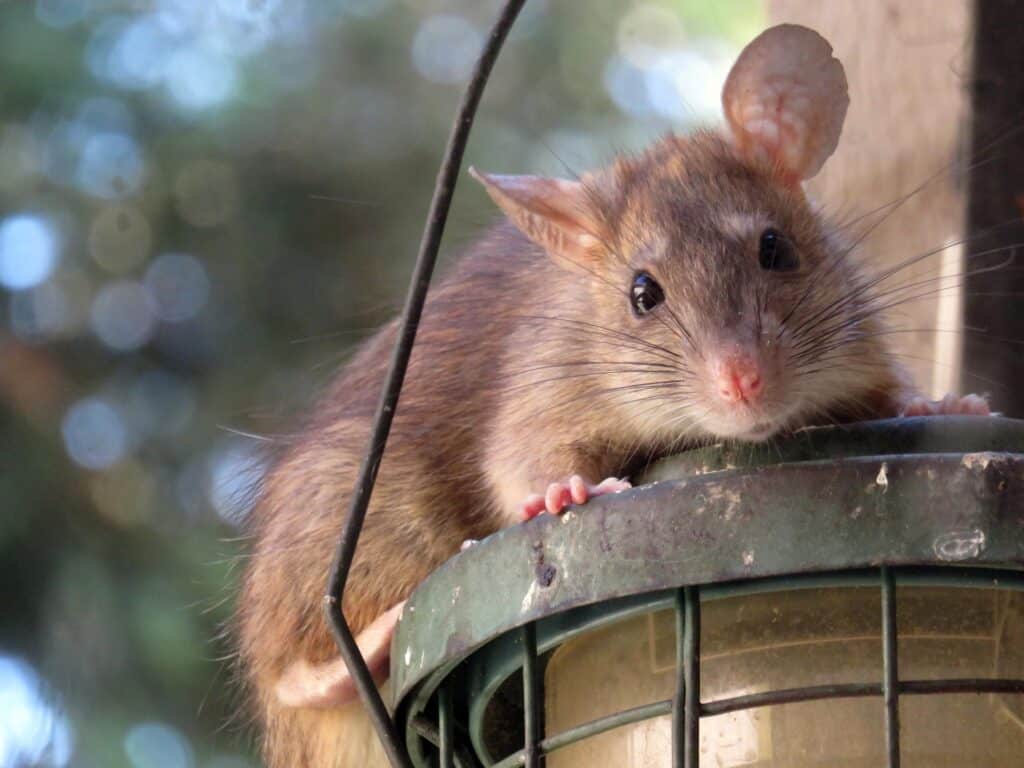
House mice represent the most frequently encountered indoor rodent throughout the United States, having adapted specifically to thrive alongside human populations. Their remarkable reproductive capacity—with females capable of producing up to 10 litters annually—enables rapid population growth when conditions remain favorable.
Physical identification:
- Body length ranges from 2.5 to 4 inches, excluding the tail.
- Uniform light brown to gray coloration throughout the body.
- Long, nearly hairless tail approximately equal to body length.
- Small, rounded ears proportionate to head size.
- Compact body build adapted for squeezing through small openings.
House mice demonstrate curious, exploratory behavior and excellent climbing abilities that allow them access to elevated food storage areas. They remain active throughout the year, maintaining consistent foraging patterns regardless of seasonal changes. Their adaptability to indoor environments makes them particularly persistent once they establish themselves within structures.
These mice typically establish nests close to reliable food and water sources, commonly choosing wall voids near kitchens, spaces behind major appliances, pantry areas with accessible food packages, and storage areas containing organic materials. Their preference for remaining near human activity areas increases the likelihood of direct encounters and makes their presence more immediately noticeable to homeowners.
What Are Deer Mice?
Deer mice present a distinctly different profile from house mice, both in physical appearance and—most importantly—in the serious health risks they pose to humans. These mice serve as primary carriers of hantavirus, making proper identification and careful handling absolutely essential for homeowner safety.
Physical identification:
- Body length ranges from 3 to 4 inches with proportionally longer tails
- Distinctive bicolored appearance: brown back contrasting with white belly and feet
- Bicolored tail featuring dark upper surface and light underside, covered in fine hair
- Noticeably larger ears compared to house mice
- More robust build with longer legs adapted for jumping
Deer mice demonstrate more cautious, wary behavior compared to house mice, making them less likely to venture into high-traffic areas. They exhibit primarily nocturnal activity patterns and show increased movement during fall months when seeking winter shelter. Their excellent jumping ability—up to 8 feet horizontally—enables access to elevated areas that other rodents cannot reach.
Unlike house mice, deer mice typically establish nests in less frequently disturbed areas including attic insulation, stored boxes and containers, garage storage areas, crawl spaces, and shed interiors where they can remain undisturbed for extended periods.
Comparing Signs of Infestation
Distinguishing between house mouse and deer mouse infestations often relies on recognizing the different signs each species leaves behind, as direct visual identification may not always be possible during the early stages of invasion. This is where a pest control company can be essential in helping you determine what type of mouse you are dealing with.
House Mouse Infestation Indicators
House mice create more obvious signs due to their frequent activity near human living areas. Their droppings appear small and rod-shaped with pointed ends, typically concentrated around food preparation areas, inside pantries, along baseboards near kitchens, and behind appliances where they forage regularly.
Additional signs include strong, distinctive musty odors that intensify as populations grow, frequent gnaw marks on food packaging and stored items, grease marks along walls where they travel repeatedly, and active scratching or scurrying sounds during both day and night hours, particularly near food storage areas.
Deer Mouse Infestation Indicators
Deer mice produce similar-shaped droppings but typically deposit them in less frequently accessed areas such as attics, storage rooms, garages, and seasonal storage areas. Their droppings may appear more scattered rather than concentrated, reflecting their different movement patterns.
Signs specific to deer mice include cleaner appearance compared to house mice due to their grooming habits, less noticeable odors since they typically remain in isolated areas, activity sounds primarily during nighttime hours, and evidence of nest construction using soft materials like insulation, fabric scraps, and paper products in protected locations.
The location of signs often provides the strongest identification clue—kitchen and pantry evidence suggests house mice, while attic or storage area signs typically indicate deer mice presence.
Tips for Safe Rodent Control
Regardless of the species, rodent activity needs to be addressed quickly. But control methods should match the mouse type.
For house mice:
- Seal gaps under doors and around pipes.
- Clean up food crumbs and spills right away.
- Store grains, pet food, and snacks in sealed containers.
For deer mice:
- Avoid vacuuming droppings. Use gloves, disinfectant, and a damp paper towel.
- Seal entry points to attics and garages.
- Avoid disturbing nesting material.
Don’t Guess—Get Expert Help
When mouse problems persist despite your best prevention efforts, professional intervention can accurately identify which species you’re dealing with and implement targeted control strategies tailored to your specific situation. Our rodent control specialists provide thorough property assessments that distinguish between house mice and deer mice, often revealing species-specific entry points and nesting areas homeowners overlook.
Our pest control service focuses on creating long-term protection through pest-specific strategies to maximize effectiveness. Contact us for a free quote for accurate identification and elimination of your mouse problem.