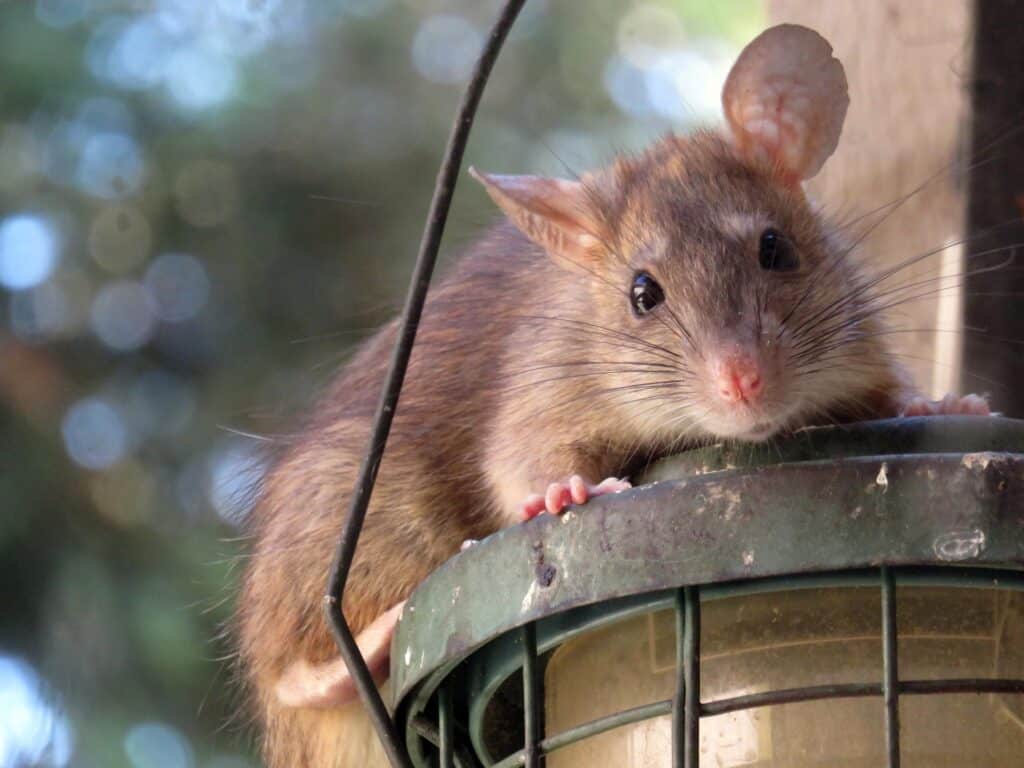
As the weather cools down, our homes become beacons for critters and pests searching for warmth. Rodents, which seek out cluttered space in attics, are one of the most common winter pests for homeowners to find, and often the most destructive. Don’t let your home be destroyed by rodents this winter; here’s how to keep mice, rats, and squirrels out of the attic once the weather cools down.
Common Rodents Found in Homes
Especially for homeowners living in the country and suburbs, you’re likely no stranger to rodent invasions in your basement or attic. Once the colder months hit and foliage begins to die, these critters will search high and low for a source for food, warmth, and shelter.
Mice, rats, squirrels are the most common rodents found in homes, and these critters will find any number of ways to sneak indoors. A lack of cleanliness is not the only reason these rodents love homes; they primarily seek out food and possible nesting locations when sneaking in through cracks and crevices.
Harmful Effects of a Rodent Infestation
It goes without saying: an infestation of rodents in your attic can cause long-term damage to your belongings, home, and even health. Rodents’ teeth can grow rapidly, so these critters will gnaw on anything in sight in order to wear their teeth down. This includes walls, floorboards, insulation, and even electrical wires, which can make household appliances fail unexpectedly.
When these pests reproduce, they create nests to birth their young ones. Unfortunately, if you have a pregnant mouse living in your home, your fabric furniture may become their go-to nesting spot. Including the extensive damage rodents can cause to your personal belongings, they often carry mites, fleas, and ticks in their fur, as well as easily transmittable diseases like Hantavirus and Salmonellosis.
How to Keep Rodents Out of Your Attic
Fortunately, homeowners can put a few measures into place to prevent rodents from living in their attic.
Patch holes in floorboards, walls, and roof
Open holes in your home’s structure, including utility entrances used for plumbing and electrical wires, are likely to allow rodents into your home. Fill any open holes larger than ¼-inch with chew-proof material, like wire mesh or steel pads. Seal these holes and additional cracks with caulk to prevent easy entry points for pesky rodents.
Watch out for crumbs
Rodents love finding any kind of available food they can, whether it’s opened bags of dog food or forgotten crumbs in your kitchen’s crevices. When it comes to your pantry, store all opened bags of food in airtight containers and maintain a regular kitchen cleaning schedule. These critters will also feed on gardening supplies like fertilizer, seeds, and bird food, so store these items away in rodent-proof containers throughout the winter.
Store firewood above ground
Depending on what part of the country you call home, you may keep a pile of wood somewhere in or near your house to help warm it during the coldest winter days. Unfortunately, mice and rats often use piles of lumber as a hideout. If possible, place these logs at least 18 inches above the ground. We also recommend placing the pile as far away from your home as possible to limit the chances of a rat infestation.
Remove indoor clutter
Rodents will make a home in any pile of clutter, be it dirty laundry or old moving boxes. This makes attics, basements, and garages especially vulnerable to rodent infestations. Before the weather gets too chilly, make a point to organize these spaces and clear out excess piles of clutter that could be appealing to rodents.
Keep up with landscaping
Proper lawn maintenance is essential for preventing rodents from climbing into your attic or sneaking in through crevices. This includes pruning overgrown branches that could give roof rats and squirrels access to your roof and chimney. Make sure the bushes and flower beds near your home are weed-free and trimmed to prevent rodents from nesting in overgrown vegetation.
Fit your doors with brush strips
Yes – even the small cracks under doors allow smaller rodents, like house mice, to enter a home. Install brush strips along exterior doors to make these entry points inaccessible to critters. Not only will this help keep your home protected against rodents, it can also save money by keeping the heat in during the wintertime.
Mice, rats, and squirrels can cause extensive damage to your property if allowed to get indoors. Putting these preventative measures in place before the cool weather arrives will keep rodents out of your attic and bring you peace of mind. If your home does become victim to a rodent infestation, don’t take matters into your own hands. Call your local Aptive Pest Control branch to receive a professional and effective pest control solution, and take advantage of our pest experts to keep your home protected all year long.